REVIEW · BEIJING
Beijing Hutong Walking Tour History, Architecture and Local Life
Book on Viator →Operated by 启城|NextCity · Bookable on Viator
Five streets, dozens of stories. This Beijing hutong walking tour strings together historic architecture and everyday local life, then nudges you toward the modern Financial Street area. You also get small-but-meaningful extras like a complimentary traditional Beijing drink and bottled water.
I like that the route is built around real landmarks, not just photo stops. You move through church + temple + hutong scenes, and the guide’s explanations help you notice details you would miss on your own, like how doorways and lane layouts fit into the city’s design. I also like the pace: about 3 hours with a small group size (max 10), so there’s time to ask questions and get practical advice.
The main thing to watch is conditions. This tour needs good weather, and the walking time between stops means you’ll want comfy shoes and a sensible plan for heat or cold.
In This Review
- Key highlights worth showing up for
- What this Beijing hutong walk teaches in three hours
- From Xisi subway to Fuchengmen: where the walk lands
- Xishiku Church: the earliest church with a Chinese touch
- Beijing Guangji Temple: temple halls and ancient finger paintings
- Zhengyang Shuju and the Wansong Brick Pagoda: Yuan-era stonework
- Zhuanta Lane hutong: see daily life through lane layout
- Lidai Diwang Miao: honoring ancestors at the Temple of Successive Emperors
- White Stupa Temple (Miaoying/Baita Si): pagoda shapes from above
- Restaurant and travel tips you’ll actually use
- Bring comfy shoes and expect real street time
- Should you book this Beijing hutong walking tour?
- FAQ
- What is the price of the Beijing hutong walking tour?
- How long is the tour?
- Where does the tour start?
- Where does the tour end?
- What does the price include?
- Are admissions included for the other stops?
- How many people are in the group?
- Is transportation provided?
- What kind of ticket do I get?
- Is the tour dependent on weather?
Key highlights worth showing up for
- Max 10 people means you’re not lost in a crowd of strangers.
- Guide-led explanations focus on how Beijing spaces work, from alley layout to temple design.
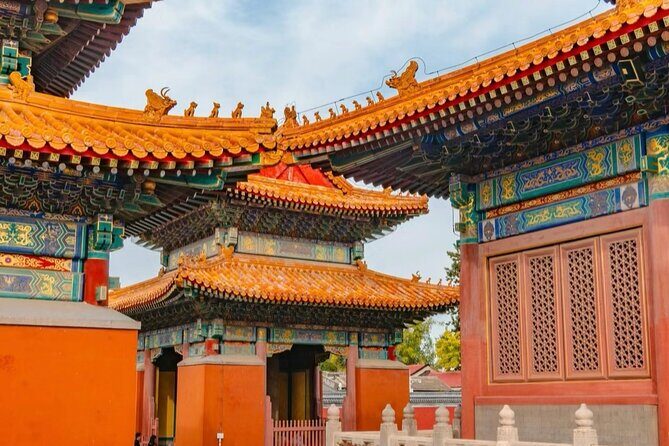
- Major variety in 3 hours: Xishiku Church, Guangji Temple, a Yuan-era brick pagoda, hutong lane life, and a White Stupa.
- Most admissions are free on the listed stops, so your $49 mainly pays for time + interpretation.
- Traditional Beijing drink included gives you an immediate sense of place, not just sights.
- Small-scale route contrast takes you from ancient lanes toward a modern financial zone finish.
What this Beijing hutong walk teaches in three hours
This isn’t a long, museum-heavy day. It’s a short walk that helps you read the city. Hutongs are more than narrow streets with old walls; they’re part of how people organized daily life—where you enter, where you meet neighbors, where the important buildings sit. In a few blocks, you start to understand the logic.
You also get architectural variety without rushing between far-away neighborhoods. Expect a mix of Siheyuan courtyards, temple forms, pagoda shapes, and one early church with a Chinese touch. Then the tour’s end near Fuchengmen and the Financial Street area helps you feel the contrast between old Beijing and the modern skyline.
At $49 per person, the value comes from what’s included: all fees and taxes for the tour, plus bottled water and a complimentary traditional Beijing drink. Since most stops list free admission tickets, you’re paying mostly for the guide’s guidance—how to look, what to notice, and how to ask better questions while you’re here.
You can also read our reviews of more walking tours in Beijing
From Xisi subway to Fuchengmen: where the walk lands
You start in Xicheng District, meeting near the West Four / 西四 area (postal code 100034). The plan is simple: begin close to public transit, walk through the historic heart, then finish near Fuchengmen Station (Exit C on Line 2), by Financial Street.
That finish matters more than it sounds. Beijing can feel compartmentalized—one part old, one part new. Ending near the financial district gives you that visual reality check: you’re literally walking from old stone-and-brick forms to a modern business zone.
One more practical point: the tour uses a mobile ticket, and the total duration is about 3 hours including travel time between stops. With a maximum of 10 people, you should be able to keep up without sprinting, but you will be outside for stretches.
Xishiku Church: the earliest church with a Chinese touch
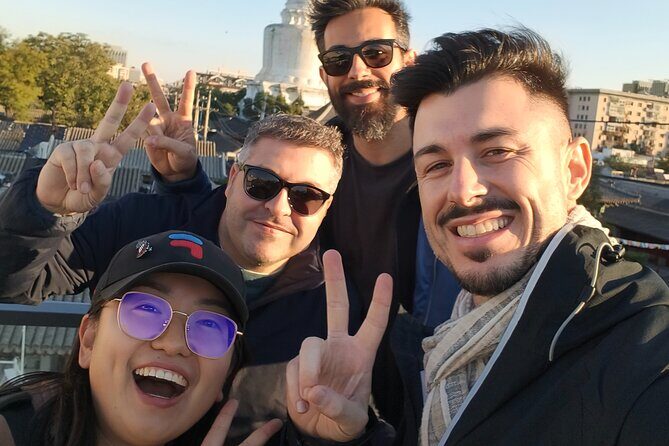
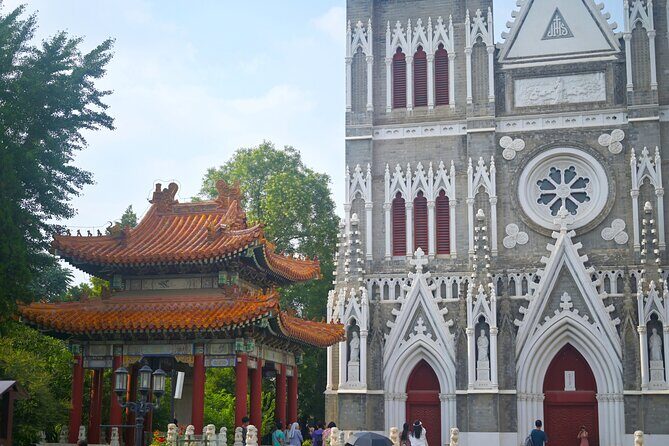
Stop 1 is Xishiku Church, presented as Beijing’s earliest church with a unique Chinese touch. The value here is not just the building itself—it’s the story framing. You’ll get context for how religious architecture can be adapted for its local setting, instead of feeling like a copy-paste import.
What I’d watch for during this stop is the kind of small design choices that make a place feel local. Church exteriors can look familiar from far away, but details often reveal how builders and communities translated ideas into the Beijing environment.
Admissions for this stop are listed as free, so you’re not paying extra to see it. The bigger payoff is having a guide point out what to look for while you’re there, so the church becomes part of the broader city picture rather than a quick photo and a walk away.
Beijing Guangji Temple: temple halls and ancient finger paintings
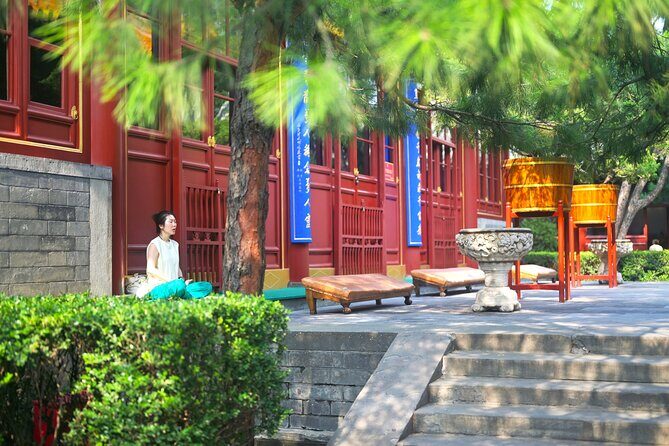
Stop 2 is Beijing Guangji Temple, with traditional Chinese temple architecture and ancient finger paintings mentioned on the tour. Even if you’ve seen other temples before, a guide-led visit helps you notice the temple layout and how the art connects to the space around it.
The tricky thing about temple visits is that they can turn into wandering unless you have a thread. Here, the thread is architecture plus the finger painting reference. That combination nudges you to connect what you’re seeing with how the space is meant to be experienced.
This stop also lists free admission. Since the tour keeps many admissions free, the guide’s explanations become the real ingredient. If you like asking questions—about symbols, old art, or how temples are organized—this is one of the places where your questions will make sense.
Zhengyang Shuju and the Wansong Brick Pagoda: Yuan-era stonework
Stop 3 is Zhengyang Shuju, and it includes the Wansong Brick Pagoda from the Yuan Dynasty plus a Siheyuan space with an old Beijing images collection. This is where the tour starts to feel especially “Beijing” in the hands-and-stones way.
The Wansong Brick Pagoda is the headline, but don’t rush past the surrounding courtyard context. A pagoda is easiest to appreciate when you understand it as part of a larger site, not a single object dropped into a city grid. The Siheyuan housing an image collection adds another layer: you’re not just seeing old architecture, you’re also looking at how people used to depict their own city.
Because this stop lists free admission tickets, again, your money is mostly going into guided time. You’ll get more value if you slow your pace for a minute or two and let the guide’s points sink in before moving on.
You can also read our reviews of more historical tours in Beijing



Zhuanta Lane hutong: see daily life through lane layout
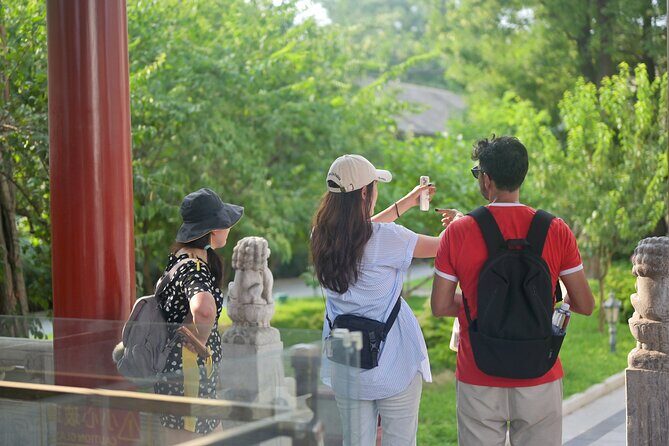
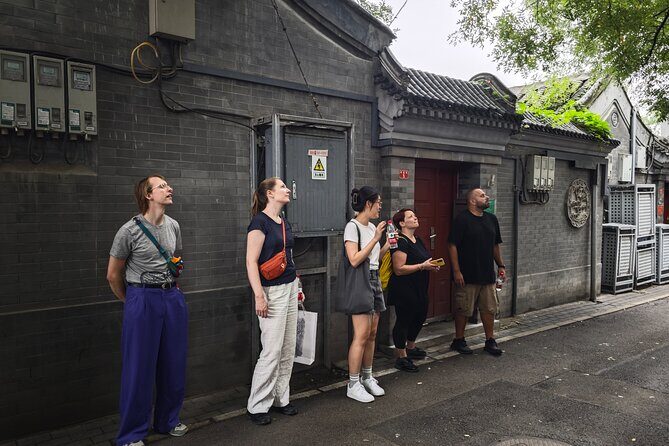
Stop 4 is Zhuanta Lane, described as one of Beijing’s oldest hutongs and a place to glimpse daily life. This is the stop that often makes people understand hutongs as a living pattern, not a theme.
In a hutong, the details are practical: where the lane bends, how close buildings sit, how entrances face the street. The best guides tie these layout details to daily behavior—where people gather, how neighbors share a sense of neighborhood, and why doors and thresholds matter.
This is also where small-group pacing helps. A big group can flatten the experience into a march. In a max-10 group, you’re more likely to catch the little pauses and look up moments, like noticing door position, small signage, or the rhythm of movement in the lane.
The listed time for this stop is short, so come ready to pay attention quickly. If you’re hoping for a long wandering session here, this tour is more of a first taste that helps you decide what to explore next on your own.
Lidai Diwang Miao: honoring ancestors at the Temple of Successive Emperors
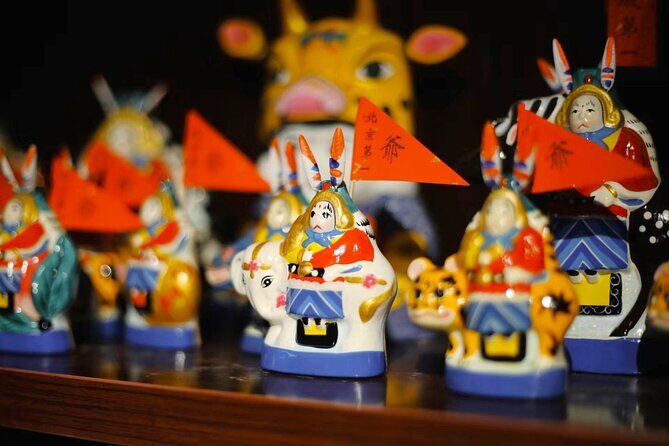
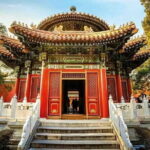
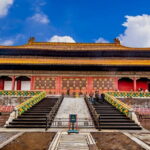
Stop 5 is Lidai Diwang Miao, also called the Temple of Successive Emperors (when open). This one can be a big payoff site because it’s described as having grand palatial structures and focusing on how Chinese culture honors ancestors.
What makes this stop worth your time is the framing. Temples of this type often feel formal and ceremonial, but your guide can help you understand what the architecture is communicating. Even if you don’t read every symbol, you’ll likely come away with a clearer sense of why ancestor respect is treated as something public and permanent.
Admission is listed as included for this stop, but it’s also listed as conditional: the tour will visit if it’s open. So if you’re planning your expectations, this is the one stop where the day’s access could slightly change your experience.
White Stupa Temple (Miaoying/Baita Si): pagoda shapes from above
Stop 6 is White Stupa Temple, known as Miaoying or Baita Si. The tour adds a smart twist: from a nearby cafe balcony, the guide shows you the White Stupa’s exterior design and introduces different types of Chinese pagodas.
That balcony detail matters. If you’re in street level, you can miss proportion. A higher view helps you understand how pagoda tiers shape the overall silhouette. It also makes the White Stupa easier to interpret as a design system rather than a single object.
This stop is also listed as free admission. The guide’s job here is especially important because the “what are you looking at” question can be hard to answer without context. With the pagoda types explained, you’ll likely start seeing differences more clearly in other places you visit afterward.
If you like architecture, this is one of the best stops for building a mental checklist for future sightseeing.
Restaurant and travel tips you’ll actually use
One of the reasons people feel satisfied after tours like this is what happens after the camera. You get recommendations for restaurants and travel tips, plus the included traditional Beijing drink gives you a quick taste of local culture without needing to hunt.
The tour is also built around daily-life context: you’re not just seeing historic objects, you’re hearing how locals interpret spaces and how visitors can move through Beijing with less stress. In guides like Lori and Dee, the standout style is communication. Lori is praised for walking through hutong layout and explaining the significance of doors, while Dee is praised for being personable, answering lots of questions, and giving helpful lunch recommendations.
Even if you only take away one practical suggestion—where to eat next, how to plan a neighborhood route—you’ll feel the value of a small-group walking tour.
Bring comfy shoes and expect real street time
A few practical notes that make or break a 3-hour walk.
Wear shoes you can do hours in. The itinerary is clustered, but it’s still walking through lanes and around temple sites. Bring water, even though bottled water is included, because Beijing can swing hot or cool depending on season.
This is also a good-weather tour. If conditions are poor, the tour can be canceled and you’ll get another date or a full refund. Since you’re outside for the full experience, don’t plan this on a day you can’t adjust.
Because admission is free for most stops and the tour includes one paid/included temple visit, you’ll likely feel the most impact from the guide-led explanations. To get more out of it, ask questions early. The tour moves quickly enough that your questions should be quick and focused—what to notice, why a door or layout matters, or what you should remember when you go back later.
Should you book this Beijing hutong walking tour?
I’d book it if you want a fast way to understand Beijing beyond the big-name sights. This tour works well for first-timers who need context, and it also helps repeat visitors refine their “how to look” skills in hutongs, temples, and pagoda architecture.
It’s also a good value for the price because most listed stops have free admission tickets, and you’re getting real interpretation time plus included extras like bottled water and a traditional Beijing drink. The small group size (max 10) is the difference between a meaningful walk and a noisy queue.
Skip it—or at least be cautious—if you dislike outdoor walking in variable weather, or if you’re hoping for a long, slow hutong meander. This is a tight route designed to give you a clear overview and direction for what to explore next.
If you’re choosing your first walking experience in Beijing, this one is a strong bet.
FAQ
What is the price of the Beijing hutong walking tour?
The tour costs $49.00 per person.
How long is the tour?
The duration is about 3 hours (including travel time between stops).
Where does the tour start?
The tour starts in Beijing’s Xicheng District near 西四 (postal code 100034).
Where does the tour end?
The tour ends at 阜成门站 (Fuchengmen Station), C东南口, near Financial Street, Xicheng District.
What does the price include?
It includes all fees and taxes, bottled water, and a complimentary traditional Beijing drink. Admission is included for the Temple of Successive Emperors (if open).
Are admissions included for the other stops?
Most listed stops are free admission. The Temple of Successive Emperors is marked as included if open.
How many people are in the group?
The maximum group size is 10 travelers.
Is transportation provided?
Private transportation is not included.
What kind of ticket do I get?
You receive a mobile ticket.
Is the tour dependent on weather?
Yes. It requires good weather, and if it’s canceled due to poor weather you’ll be offered a different date or a full refund.