REVIEW · BEIJING
Beijing Culture: Tea Ceremony, Heritage Instrument & Calligraphy
Book on Viator →Operated by Culture Heritage Tour China · Bookable on Viator
A calm room in Beijing can change your day. This is a small-group, hands-on workshop built around three living traditions: tea ceremony, Guqin, and calligraphy.
I especially like how the venue is set up as a quiet cultural space, not a public performance stage. I also like that you actually do the activities, instead of only watching.
One possible drawback: it’s light on sightseeing time and short on English flexibility if you want a lot of open-ended conversation.
In This Review
- Quick highlights
- A quiet heritage venue near 813 Creative Park (and why that matters)
- Tea ceremony and tasting with a certified tea master
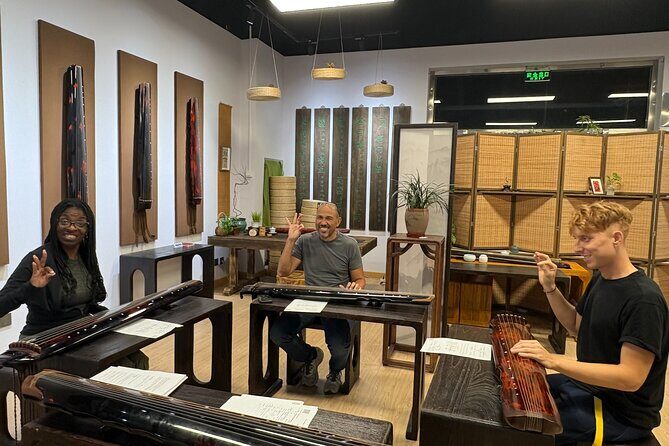
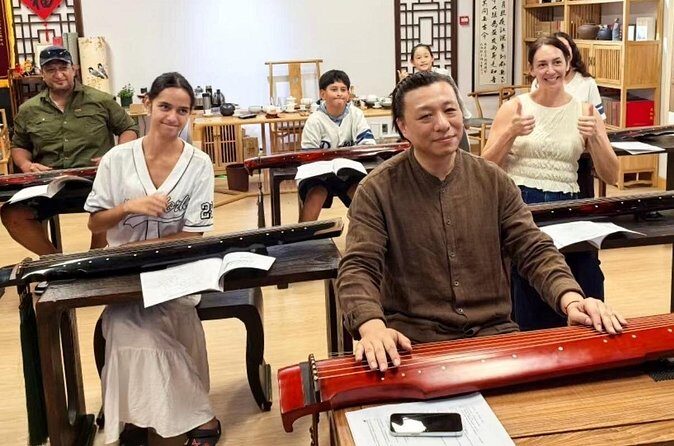
- Guqin: hearing the sound, then playing a full melody yourself
- Calligraphy workshop: writing Chinese characters with meaning
- The small-group pace and English guide with an M.A. in History & Sociology
- Traditional outfit rental: photos are a bonus, not the point
- Price and value: is $78.60 per person fair?
- Practical tips so your 2.5 hours feel smooth
- Who should book this Beijing tea, Guqin, and calligraphy workshop
- Should you book this tea ceremony, Guqin, and calligraphy experience?
- FAQ
- How long is the Beijing tea ceremony, Guqin, and calligraphy workshop?
- Where is the meeting point?
- Is transportation included?
- How big is the group?
- Is it in English?
- What’s included in the price?
- Will I have time to take my calligraphy home?
- Do I need to know anything about tea, Guqin, or calligraphy beforehand?
- What if the weather is bad?
- Is there a mobile ticket?
Quick highlights
- National-level tea master leads the tea ceremony and tasting
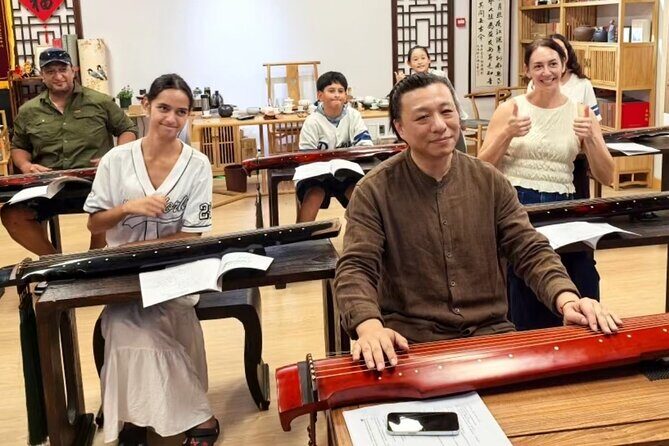
- Guqin instruction plus a full melody taught in a hands-on format
- Calligraphy practice with guidance, with the chance to take your written paper home
- Small group (max 8 people) for a more personal pace
- Traditional outfit rental for the ritual and photos
- English guidance from a bilingual guide with an M.A. in History & Sociology
A quiet heritage venue near 813 Creative Park (and why that matters)
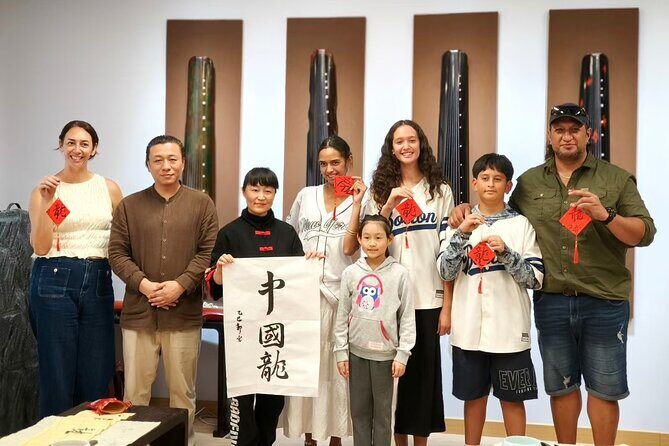
This workshop takes place in a private heritage venue in Beijing, the kind of place that stays closed to the public and keeps the focus on craft. It’s also air-conditioned, which you’ll really appreciate in hot or changeable weather.
The meeting point is 813 Creative Park, VGP3+CCX, Chaoyang, Beijing 100124, and the activity ends back at that same spot. Transportation isn’t included, so you’ll want to plan how to get there—good news is it’s near public transportation, and the area setup is designed for an easy arrival.
Why this layout is worth it: the tea, music, and writing don’t get swallowed by crowds or time-pressure from a big itinerary. You’re not racing from one landmark to another. You’re settling into one cultural room and working slowly through three practices.
If you’re hoping for a long, loud “Beijing day,” this isn’t that. The payoff is in the calm and the hands-on details.
You can also read our reviews of more historical tours in Beijing


Tea ceremony and tasting with a certified tea master
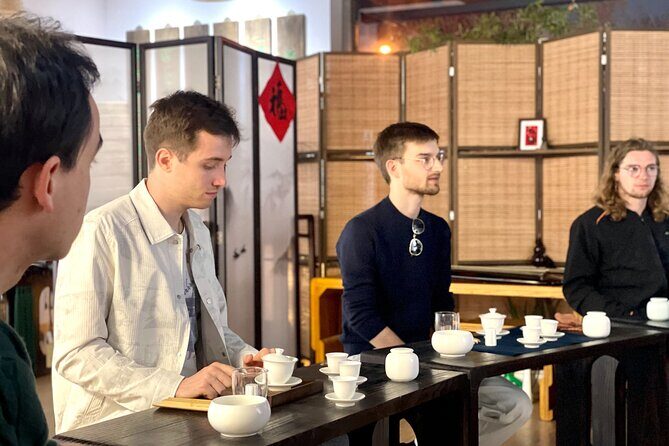
The first pillar is traditional tea ceremony plus tasting with a certified tea master. You’re not just handed a cup and waved along. The experience is built to help you understand the ritual and the meaning behind it, with guidance in English.
What you can expect in practice:
- You’ll go through the ceremony step-by-step, at a human pace.
- You’ll taste what you brew, not just smell it from across the room.
- You’ll get explanations tied to the cultural thinking behind the ritual, not only the sequence of actions.
From the way this is described, the tea part feels like a reset. It’s warm, methodical, and quiet—exactly the sort of thing that makes the rest of your day feel less rushed.
Possible consideration: tea ceremonies are traditionally slow by design. If you prefer constant motion, you might feel the time go by differently than a typical tour with frequent stops.
Guqin: hearing the sound, then playing a full melody yourself
Next comes the Guqin, China’s most revered ancient instrument (and the one people often just watch rather than touch). Here, you get both:
- A live Guqin performance by a national-level heritage artist
- A hands-on learning session where you play as part of learning a full melody
This combo is the real value. A lot of cultural experiences stop at the performance. This one uses that music as a starting point, then shifts into technique and participation. That’s where you start understanding the instrument, not only admiring it.
A few things to keep your expectations realistic:
- You’re learning in a 2.5-hour session, so you won’t leave as a performer.
- The goal is participation and understanding, not a concert-level outcome.
- The setting matters: the workshop is quiet and personal, which helps you focus on sound, hand position, and the rhythm of the lesson.
The best part is the emotional feel people describe: guided finger work on an instrument that usually lives behind glass (in the rest of Chinese culture tourism). Even if you’ve never touched anything like this before, the structure is set up so you can follow along.
Calligraphy workshop: writing Chinese characters with meaning
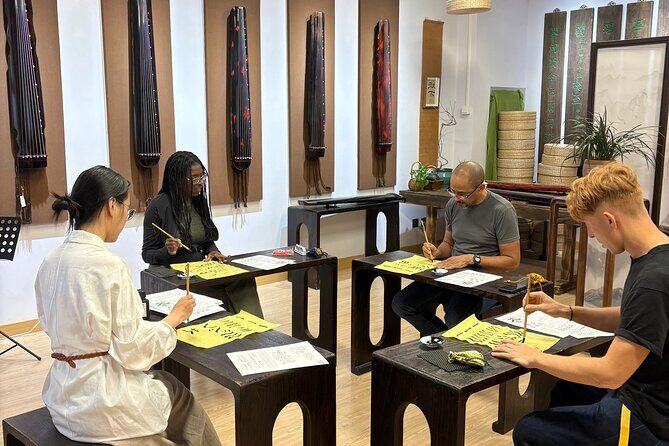
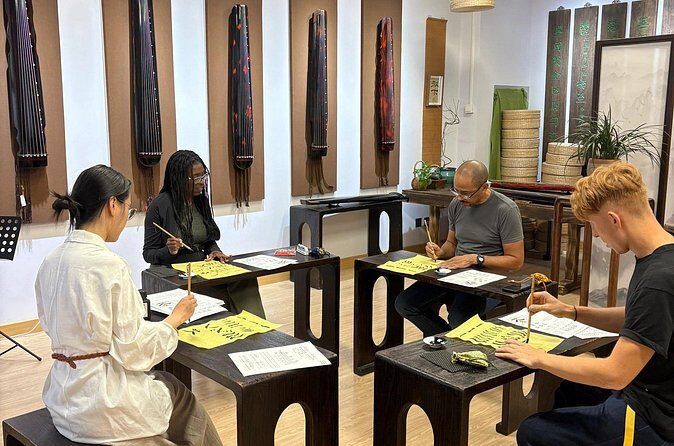
Then you move from sound to ink with a Chinese calligraphy workshop led by an expert. This isn’t random doodling. The experience is described as teaching you to write meaningful Chinese characters and understanding their roots.
In practice, calligraphy is one of the most hands-on experiences you can do in China, because the process shows your habits immediately: pressure, pace, and how steady your wrist is. It can feel a bit humbling. That’s also why it’s so satisfying.
What I like about this part for value:
- You get guidance while you write, instead of trying to “figure it out” from a demo.
- You’re working on paper as a real keepsake, not just taking a photo.
- People also mention help writing their Chinese name, and that they took the paper home—so you leave with something you can frame or keep.
Possible drawback: if you’re the type who hates getting handwriting corrected, the learning curve might feel uncomfortable at first. But the whole format is designed to be calm and supportive, which helps.
The small-group pace and English guide with an M.A. in History & Sociology
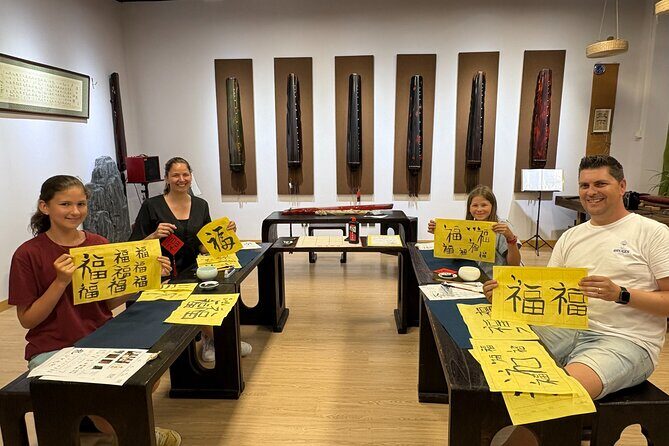
This experience caps at 8 people, which changes everything. You’re not competing for attention or translating yourself through a busy room. The instructions can actually land.
You’ll have a bilingual guide with an M.A. in History & Sociology, and the guidance is in English. The phrasing around the guide suggests they’re trained to explain not just what to do, but the philosophy and context behind it—especially for tea.
One important practical point: this isn’t a fast “headline” tour. It’s a “slow craft” experience. If you’re comfortable with quieter, more thoughtful learning, you’ll probably feel right at home.




Traditional outfit rental: photos are a bonus, not the point
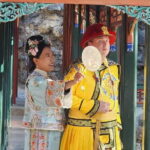
You also get traditional outfit attire rental for the ritual and photos. That means you’re not just dressing up for selfies. The outfit is part of the ceremony-style atmosphere, so it supports the feeling of stepping into the practice rather than touring a theme.
Bring a basic common-sense expectation: you’ll get dressed for the experience, and you’ll likely want to take at least a few pictures at the end. But the main value is what the outfit helps you experience—calm, ceremony, and attention.
If you hate costume elements, skip the photos and focus on the activities. The workshop still makes sense without turning it into a photo session.
Price and value: is $78.60 per person fair?
At $78.60 per person for about 2 hours 30 minutes, this isn’t cheap in the way a street-market snack tour can be cheap. But the structure is also not trying to be a “bargain show.”
Here’s what you’re paying for:
- A private heritage venue closed to the public
- National-level cultural masters across tea, Guqin, and calligraphy
- Hands-on instruction for multiple crafts, not just a performance
- Outfit rental included
- Small group size (max 8 people)
What’s not included is also clear: transportation to/from the venue and meals outside of the provided tea snacks. So the real cost is price + getting yourself there.
The fact that the average booking happens 51 days in advance also hints at limited space and high demand. If you want your preferred date, book earlier rather than hoping for a last-minute slot.
Weather note: the experience requires good weather. If it’s canceled due to poor weather, you’ll be offered another date or a full refund. And because free cancellation is allowed up to 24 hours in advance, it’s not as risky as it looks on first read.
Practical tips so your 2.5 hours feel smooth
A workshop like this goes best when you plan like it’s a calm appointment, not a sprint.
A few helpful ideas:
- Arrive a few minutes early at 813 Creative Park so you’re not rushing through the start.
- Wear comfortable clothing. Calligraphy can get messy around the hands, and outfit rental is part of the rhythm.
- Bring an open mind about slow pacing. Tea and calligraphy don’t move at the speed of a photo stop.
- Expect instruction in English, but don’t count on back-and-forth like a casual conversation; it’s structured to keep the class flowing.
- If you’re sensitive to noise, the venue setup is designed to be quiet and focused, which helps.
If you’re wondering whether you need prior knowledge: the format is designed to be approachable. You don’t need to already know tea ritual, Guqin playing, or calligraphy technique to have a good time—guidance is built in.
Who should book this Beijing tea, Guqin, and calligraphy workshop
This is a strong fit if you want culture that you can touch and practice. It’s also ideal if you’re tired of the usual “watch, move, repeat” sightseeing format.
You’ll likely enjoy it most if you:
- Like hands-on activities more than lectures
- Want a calmer break from Beijing’s busy pace
- Appreciate traditional crafts explained clearly in English
- Enjoy learning with a small group (max 8 people)
It might not be your best choice if you’re only here for quick hits and landmark photos. This workshop is the opposite: it asks you to slow down and work with your hands.
Should you book this tea ceremony, Guqin, and calligraphy experience?
Book it if you want Beijing culture in a quiet room where you can brew tea, play a Guqin melody, and write characters with guidance. The value is strongest when you treat it as the main event for those hours, not a filler between attractions.
Skip it if you need transportation included, want a full day of top sights, or don’t like slow, hands-on instruction. For everyone else, this is a smart way to experience living heritage without turning it into a loud performance.
FAQ
How long is the Beijing tea ceremony, Guqin, and calligraphy workshop?
It runs about 2 hours 30 minutes.
Where is the meeting point?
You’ll meet at 813 Creative Park (VGP3+CCX), Chaoyang, Beijing 100124, and the activity ends back at the same meeting point.
Is transportation included?
No. Transportation to and from the venue is not included.
How big is the group?
The tour has a maximum of 8 people.
Is it in English?
Yes. The guide provides bilingual support and the experience is guided in English.
What’s included in the price?
You get the traditional tea ceremony and tasting, a live Guqin performance plus a hands-on Guqin learning session, a Chinese calligraphy workshop, traditional outfit rental, and a bilingual guide.
Will I have time to take my calligraphy home?
You’ll write on paper during the calligraphy workshop, and you can take what you wrote home.
Do I need to know anything about tea, Guqin, or calligraphy beforehand?
No prior knowledge is required based on how the experience is described and taught. The instruction is set up to be guided and approachable.
What if the weather is bad?
The experience requires good weather. If it’s canceled due to poor weather, you’ll be offered a different date or a full refund.
Is there a mobile ticket?
Yes, the experience uses a mobile ticket. Confirmation is received within 48 hours of booking, subject to availability.