REVIEW · BEIJING
Beijing City Walk: Explore Hutongs Life and Old Beijing
Book on Viator →Operated by BEIJING BOTRIP TOUR HOLIDAY COMPANY CO., LTD. · Bookable on Viator
Beijing by foot feels personal fast. This 2.5-hour hutong city walk connects famous landmarks with everyday street life, so you see old Beijing and how people actually live in it. I especially like the small-group pace and the chance to learn how the neighborhood works through stories, not just sightseeing. I also like the calligraphy and local-snack stops that make the walk feel hands-on. One caution: Beijing can be cold and crowded in winter, so plan for weather and wear shoes that handle uneven lanes.
You get an English-speaking guide plus a headset when the group gets larger than 10, which makes it easy to hear even on busy sidewalks. You can choose a morning, afternoon, or night timing, and the route changes the mood, especially around the towers and canalside areas. The tour is capped at 15 people, so you’re not stuck in a human bottleneck.
Good guides make the difference, and I’ve seen names like Kevin, Yang, Eevee, and Summer Wang tied to excellent experiences. Expect practical help for reading the area, and you might even get small extras like guidance on what to try in local shops. One more thing to consider: the schedule includes a stop where an admission ticket is not included, so bring a little extra cash for any paid entry there.
In This Review
- Key things to know before you walk the hutongs
- Hutongs feel different when you have a plan
- Qianmen Walking Street: where old Beijing starts
- Dashilan and Sanlihe: street life you can actually use
- Nanluoguxiang at night: the city’s long timeline in motion
- Drum Tower, Houhai, and the call of small streets
- Bell and Drum Towers: illuminated timekeeping stories
- Value check: what $15 buys in real terms
- Best timing and weather: morning vs afternoon vs night
- How the small group changes your experience
- Who should book this hutong city walk
- Should you book this Beijing Hutong City Walk?
- FAQ
- How long is the Beijing City Walk experience?
- How much does the tour cost?
- Is this tour offered at different times of day?
- Is an English speaking guide included?
- Are tickets or admissions included?
- How many people are in the group?
- What should I budget for besides the tour price?
Key things to know before you walk the hutongs
- Qianmen to Dashilan to Sanlihe: you start with a landmark street and then slip into quieter lanes.
- Drum Tower to canal-side Houhai: you get the city’s time-and-water story, not just views.
- Bell and Drum Towers in the evening: you pause in the square for illuminated sights and timing tales.
- English guide + headset: makes a huge difference when you’re threading through narrow streets.
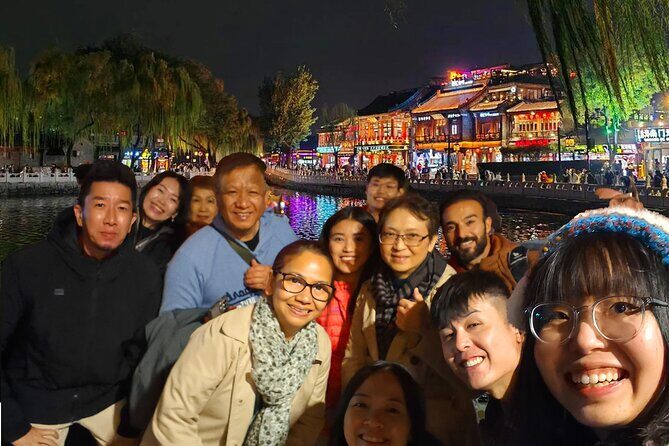
- Small group (max 15): easier questions, easier photo stops, less stress.
- Winter comfort matters: the walk is outdoors, so dress for cold weather.
Hutongs feel different when you have a plan
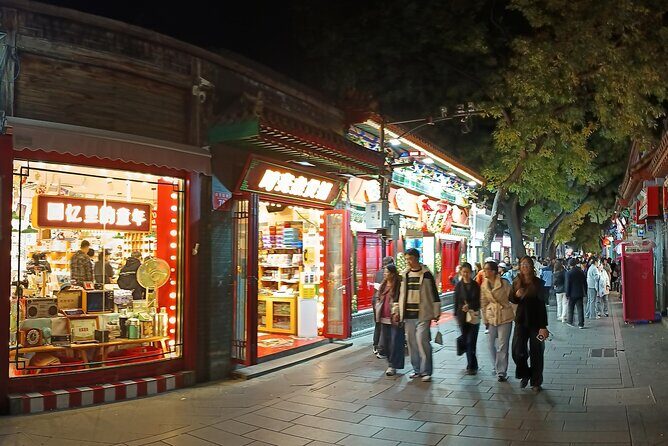
If you only wander hutongs on your own, you’ll miss the context. A guided walk gives you the why behind the streets: how people moved through the neighborhood, how landmarks related to daily life, and why certain areas became the places they are today. You also get a clear rhythm for moving from big public spaces into narrower back lanes without feeling lost.
This tour’s format also helps your timing. You get a stretch of time outdoors, but it’s broken up with stops where you can slow down and look closely. That’s the sweet spot for old Beijing: not a rushed sprint, and not a long lecture.
Most people can handle the pace since it’s designed as a city walk. Still, you’ll want comfortable shoes and patience for uneven footpaths and quick turns where the streets narrow.
You can also read our reviews of more walking tours in Beijing
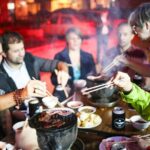


Qianmen Walking Street: where old Beijing starts

Qianmen Walking Street is a smart first move because it’s a recognizable entry point. From there, you head into Dashilan, a historic commercial street area that helps you understand how central Beijing used to function. This is where you can see the city’s “front-of-house” energy before stepping into calmer hutong life.
What I like about starting here is the contrast. You get the street-scene view first, then your guide points out details you might skip if you were just browsing. That means you can connect the storefront vibe of Dashilan with the residential rhythm of the hutongs nearby.
Then comes Sanlihe Hutong, where the mood shifts. Hutongs are narrow, slower, and more human-scale. The guide’s job is to help you read what you’re seeing: the way the lanes shape movement, why certain spots matter, and how the neighborhood layout influences daily routines.
If you’re short on time in Beijing, this first segment is a practical win. You get both the iconic and the lived-in feel, and you’re not forced to choose between “famous street” and “local lane.”
Dashilan and Sanlihe: street life you can actually use
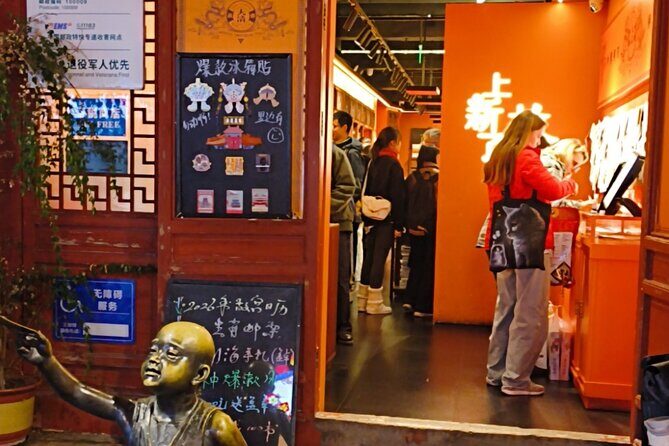
In this part of the walk, you’re not just collecting photos. You’re learning how to spot the differences between a tourist-facing street and an everyday neighborhood. Your guide can point out what to look for in shopfronts, signage, and side streets, so you know what you’re seeing when you return later on your own.
One review detail that really matters for your planning: people love the hands-on moments, like trying calligraphy. Even if you’ve never held a brush before, short practice sessions can make the culture feel immediate instead of distant. It’s also a good reset during a walk, so you’re not just standing and listening.
Snacks are another practical element. Expect local foods and small bites along the way, which turns the walk into something you can repeat in your own exploring later. When you taste a few different things with guidance, you learn what to look for when you see similar shops.
If you’re visiting in winter, plan for cold air during outdoor segments. One common note is that it can get chilly, so a warm layer matters more than you’d think.
Nanluoguxiang at night: the city’s long timeline in motion
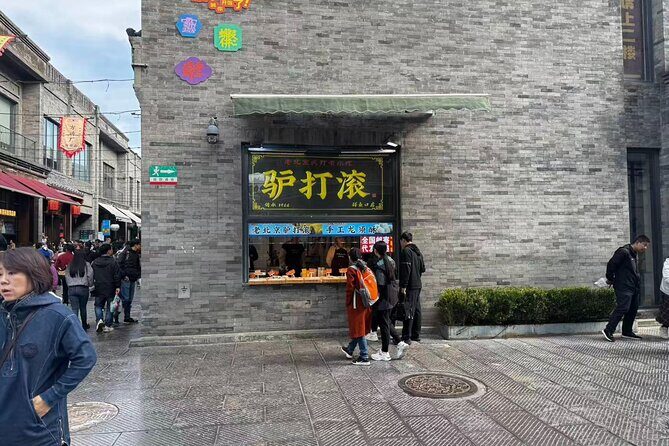
When the tour runs in the evening, Nanluoguxiang is where the experience often clicks. You get that sense of old Beijing continuing to operate in real time, not just as a stage set. The route follows the city’s lifeline through hutongs and toward the canal-side Houhai area, giving you a natural flow from lanes to open water views.
This segment is also a strong history lesson in how place names and landmarks link together. You pass through the area connected with the Drum Tower, and your guide ties it to the way the city once kept time and organized daily life. Even if you’re not a “history person,” timekeeping stories tend to land because they explain how people once structured their day.
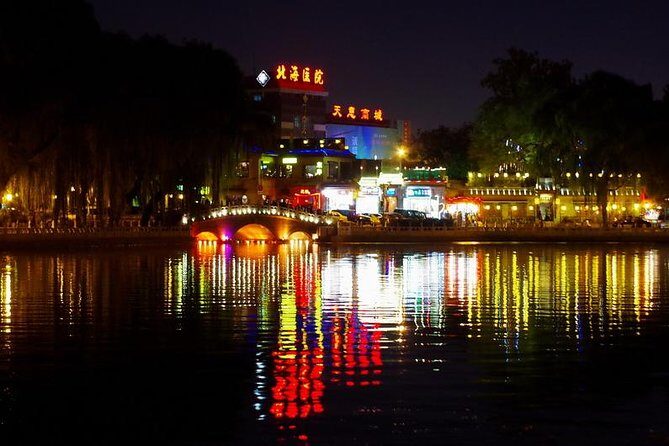
Houhai is the payoff for a lot of people. The canal-side surroundings give you space to look up from the street level and reset your pace. It’s a smart ending direction for a night walk because you can see the area’s lighting and atmosphere without sprinting away immediately.
One practical plus: the tour keeps you moving in a logical route. That matters in Beijing because hutongs can feel confusing fast. A guide helps you keep your bearings, so your energy stays focused on the experience instead of route-finding.
Drum Tower, Houhai, and the call of small streets
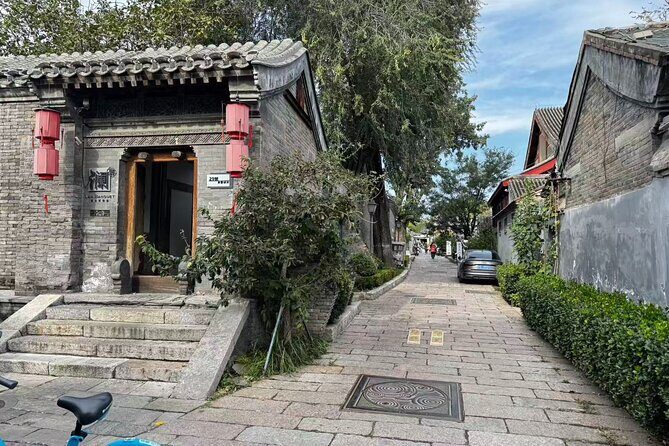
This is where you benefit most from having an English-speaking guide. Narrow lanes are full of details, but they can also be easy to misread. With a guide, you’ll learn what’s meaningful in the streetscape and what’s just a random storefront.
You might also pick up ideas for what to try later. Past experiences emphasize local snacks and small shop visits, including traditional foods and souvenirs. Even if you skip buying anything, you come away knowing what’s worth your attention.
If you like street-level culture, this is a strong match. The walk’s value isn’t only the big names. It’s that your guide helps you connect those names to the lanes between them.
You can also read our reviews of more city tours in Beijing






Bell and Drum Towers: illuminated timekeeping stories
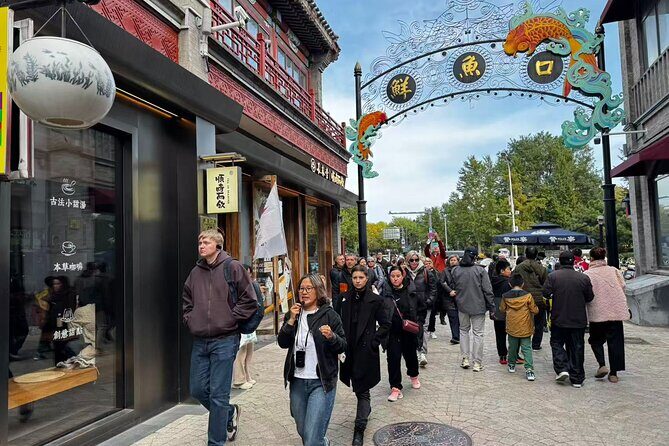
The Bell and Drum Towers stop gives you a public-space moment after the more intimate hutong lanes. In the square, you pause to take in the illuminated look of the towers and hear how they once governed time for the ancient city.
This works well even if you’re not into architecture lectures. The story of timekeeping makes the towers feel practical instead of ornamental. It’s also a good photo moment, since you’re standing in a clear area rather than trying to shoot from the side of a narrow lane.
One important planning note: the admission ticket for this stop is listed as not included. So if an entry fee applies for the specific viewpoint you want, you’ll need to cover it yourself.
If you’re doing the night version, this stop often feels like the “anchor” for the whole experience. You’ve been walking through layers of the city, and then you get a clear, dramatic landmark moment to wrap it up.
Value check: what $15 buys in real terms

At about $15 per person, this tour sits in the budget-friendly category for Beijing guided walking. The value comes from what’s included, not just the low price.
Here’s what you should care about:
- English speaking guide: you’re paying for interpretation, not only direction.
- Headset when groups get larger: that’s real comfort and clarity on crowded streets.
- Admission tickets included for the first parts of the walk (Qianmen Walking Street area and Nanluoguxiang segment), which offsets some costs you’d otherwise pay.
The only extra you should expect is the usual tip at the end. Also, because the Bell and Drum Towers stop lists admission as not included, keep a little budget aside in case you choose to enter.
Compared to self-guided wandering, the biggest “value” is speed and clarity. You won’t waste time guessing where a landmark fits into the neighborhood story. And because the group is limited to 15, you’re more likely to get answers to your questions, which makes the learning stick.
Best timing and weather: morning vs afternoon vs night
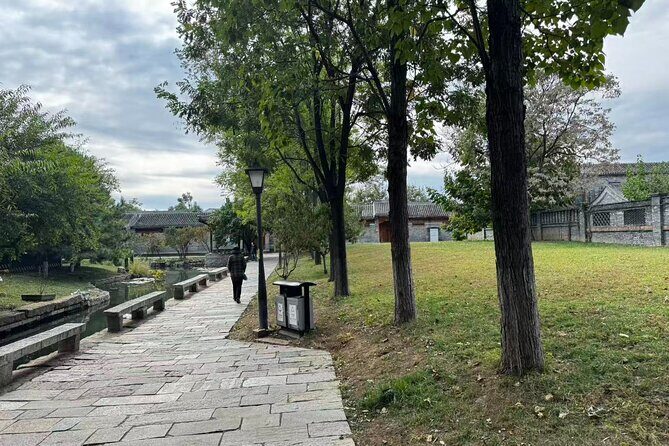
This is one of those tours where timing actually changes the feel. Morning can be calmer, with more relaxed street motion. Afternoon often gives you better light for photos across street faces and shop signs. Night shifts the focus to lighting, evening street energy, and the illuminated towers plus the canal-side atmosphere near Houhai.
Winter is a special case. People commonly note that it’s cold, so dress for wind and wait times in open squares. A warm hat, gloves, and a layer you can stand in for 2+ hours outdoors will save your mood.
Another practical tip: bring water. Even if the tour includes snacks, you’ll still want something steady to keep you comfortable during a longer walk.
How the small group changes your experience
Small groups sound nice on paper, but here’s what you feel on the ground: fewer people means you can stop in meaningful places without constantly repositioning. It also means your guide can better manage the pace through tighter hutong lanes.
The headset detail matters too. If you’ve ever tried to listen to a guide on a crowded street, you already know it’s not easy. With the headset, you stay connected to what’s being explained, and you don’t have to keep guessing what you missed.
And because it’s capped at 15 people, it’s a friendlier setup if you want to ask about food, where to go next, or how to interpret what you see later.
Who should book this hutong city walk
This tour is a great fit if you want:
- a guided way to understand hutongs and historic landmarks without getting stuck in logistics
- a route that includes both big city names and everyday street life
- a walking plan that works for day or night, depending on your schedule
- hands-on cultural moments like calligraphy practice (when offered in the route flow)
It may be less ideal if you hate walking for 2-3 hours outdoors, even at a city-pace. It also might not be your best choice if you prefer full independence and don’t want to follow a set route.
Still, even experienced visitors often find value here. Beijing can be big and confusing; a guided walk is a shortcut to understanding what matters.
Should you book this Beijing Hutong City Walk?
If you’re trying to see old Beijing in a way that’s practical and not just scenic, I think this is an easy yes. For around $15, you get a guided route connecting Qianmen, Dashilan, hutong streets, Nanluoguxiang, Houhai, and the Bell and Drum Towers area, plus headset support and included admissions for parts of the walk.
Book it if you like learning while you walk, want help reading the streetscape, and want night views that feel tied to the city’s story. Skip it if you’re not up for cold weather outdoors or you’d rather build your own path with no guided context.
FAQ
How long is the Beijing City Walk experience?
It runs for about 2 hours 30 minutes.
How much does the tour cost?
The price is $15.00 per person.
Is this tour offered at different times of day?
Yes. You can choose morning, afternoon, or night for a different perspective.
Is an English speaking guide included?
Yes. An English speaking tour guide is included.
Are tickets or admissions included?
Admission tickets are included for the Qianmen and Nanluoguxiang parts of the walk. The Bell and Drum Towers stop lists admission as not included.
How many people are in the group?
The maximum group size is 15 people.
What should I budget for besides the tour price?
Tips are not included. Also, since Bell and Drum Towers admission is not included, you may want extra cash if entry fees apply.