REVIEW · BEIJING
MuBus: Mutianyu Great Wall ENG/ESP/RUS Guided Bus Tour
Book on Viator →Operated by BEIJING BOTRIP TOUR HOLIDAY COMPANY CO., LTD. · Bookable on Viator
Mutianyu makes a long day feel easy. You get an organized bus ride from Beijing plus several hours on the wall where you can move at your pace. I especially like the round-trip bus + entrance ticket value and the uninterrupted free time to photograph parapets and watchtowers. One thing to plan for: cable car and toboggan add-ons cost extra and can mean waits, especially when you’re trying to fit multiple areas.
This tour keeps the day practical. Meeting at Dongzhimen Station makes it simple to start, and the group size is capped at 40 so the experience stays fairly smooth. Guides in English, Spanish, or Russian handle the on-bus briefing, and names like Taka, Helly, Kevin, Mike, Cici, Amelia, John, and Jily show up in the feedback as the kind of people who give clear walking tips and keep the mood calm.
In This Review
- Key things that make this MuBus tour work
- Price and what you get for $20
- Getting to Dongzhimen Station and keeping your day stress-free
- The bus day plan: two departure times and about five and a half hours on the wall
- What happens at Mutianyu: free time, internal shuttles, and practical choices
- East vs West: how the 5K hike option changes your day
- Cable car and toboggan tickets: extra cost, official pricing, and real timing tips
- Lunch upgrade: when a buffet is worth it
- Guides on the bus: small talks that turn into useful walking directions
- Photography time: why “most picturesque vantage points” usually means slowing down
- Small group size and the “it’s mostly your day” feel
- Who this tour suits best
- Should you book this MuBus Mutianyu tour?
- FAQ
- What time does the tour depart from Beijing?
- How long will I spend at the Mutianyu Great Wall?
- Is the entrance ticket to the Great Wall included?
- Are cable car or toboggan tickets included?
- Is lunch included?
- What languages are available for the guide?
- Do I need to bring my passport?
Key things that make this MuBus tour work

- Two direct departure times (8:00 AM or 10:00 AM) so you can pick the start that fits your schedule.
- Entrance ticket + internal shuttle included, which matters on a steep site.
- Hours of free time at Mutianyu, so you’re not trapped in a rigid tour loop.
- Optional buffet lunch upgrade if you want the easier meal plan.
- Cable car/toboggan tickets not included, but the guide helps you buy official ones at the same price.
- Small tour cap of 40, which tends to reduce chaos when you’re switching between walking and rides.
Price and what you get for $20
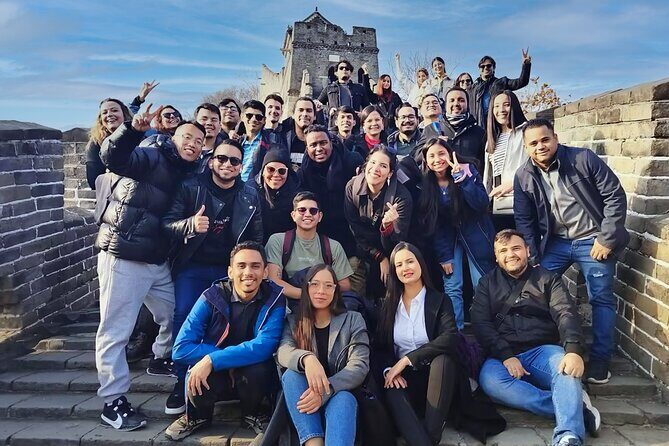
At $20 per person, this is one of the more budget-friendly ways to reach Mutianyu without wresting tickets or transfers into your day. You’re paying for the big stuff: round-trip bus transport, Great Wall entrance, and internal shuttle up and down within the Mutianyu area.
The main line-item not covered is also clear. You don’t get cable car or toboggan tickets included, and the lunch is an upgrade. That means your true day cost depends on how you choose to tour the wall: do you mostly walk, or do you mix in the rides?
If you’re the type who likes to keep things simple, this price structure is fair. You can treat the upgrade choices as optional tools, not mandatory add-ons.
You can also read our reviews of more guided tours in Beijing
Getting to Dongzhimen Station and keeping your day stress-free
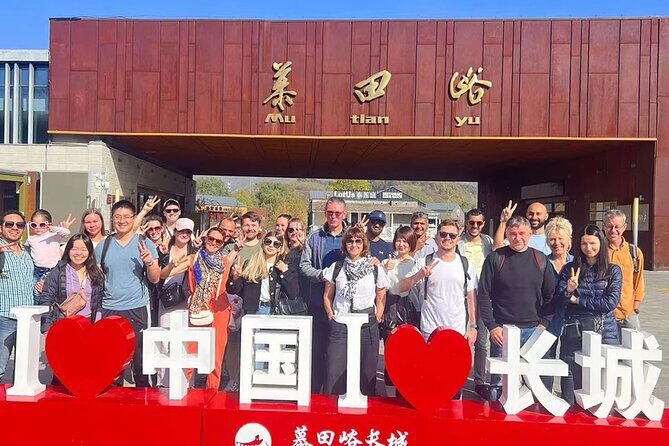
Your meeting point is Dongzhimen Station (Dongcheng District). The drop-off is near Dongzhimen Subway Station too, which is handy because the wall day ends with you still being in a normal part of Beijing rather than stuck on the edge of nowhere.
A practical tip from the tour requirements: bring your passport when you access the Great Wall. It’s a small step that can save you from last-minute problems when you reach the entry area.
You’ll also see that the tour is designed around public transportation access. That matters if your hotel isn’t in the same neighborhood as the bus pickup spot. Dongzhimen is one of those Beijing hubs where you can usually get there with less fuss than you’d expect.
The bus day plan: two departure times and about five and a half hours on the wall
MuBus runs two direct departures to Mutianyu every day:
- 8:00 AM departure: depart Dongzhimen 8:00 AM, arrive about 9:30 AM, depart Mutianyu 3:00 PM, return around 5:00 PM.
- 10:00 AM departure: depart Dongzhimen 10:00 AM, arrive about 11:30 AM, depart Mutianyu 5:00 PM, return around 6:30 PM.
That schedule gives you roughly the same time at the wall in both cases: about 5.5 hours once you arrive. So you’re not just stopping for photos and leaving. You can actually walk a section, pause for views, and come back with a calmer pace.
A bonus detail that shows up in the way guides operate: you’ll hear enough on the bus to understand the choices you have once you arrive. People doing the wall with mixed walking and rides tend to benefit most from that kind of pre-game advice.
What happens at Mutianyu: free time, internal shuttles, and practical choices
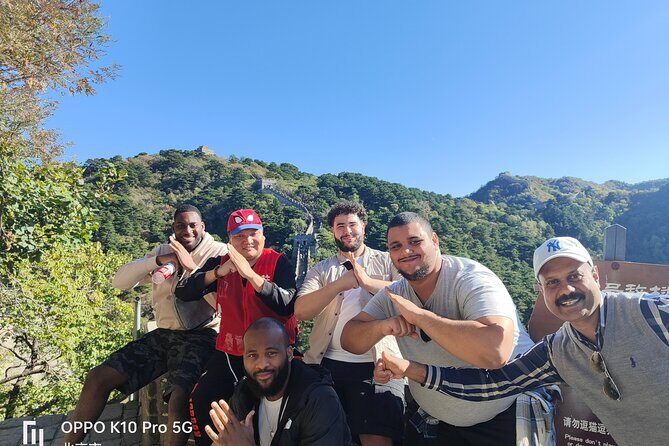
Once you’re at Mutianyu, the tour shifts from guided to self-paced. That’s a good thing here, because Great Wall time isn’t one-size-fits-all. Some people want steeper climbs and longer segments; others want the scenic sections with fewer lung-burning steps.
Here’s what you can count on at the site:
- Entrance is included, so you’re not hunting tickets.
- Internal shuttle is included for the uphill and downhill portions within Mutianyu.
- You can plan for several hours of uninterrupted exploring rather than being shepherded nonstop.
The tour is also positioned as a no-frills day: fewer time-wasters, no forced shopping stops. In a place like Mutianyu, that makes a big difference. You get more time where it matters: on the wall and in the viewpoints.
East vs West: how the 5K hike option changes your day
One of the most praised parts of this day trip is the idea of walking more instead of riding up and down. A 5K hiking option comes up repeatedly as a favorite because it tends to feel quieter than the routes where people take the gondola both ways. The tradeoff is obvious: it’s intense. You earn the views with effort.
The best way to think about it is this: if you want maximum wall time per minute and fewer crowds in your specific section, walking can beat riding. If you want gentler pacing, or you’re bringing kids or anyone who doesn’t handle steep grades well, you’ll probably lean on the shuttle and possibly the cable car or ski lift.
Also, consider the time math. If you’re trying to do both East and West sections, it can feel tight. There are people who manage it, including families, but if you add waits for rides, the schedule gets less forgiving. Planning one main side plus a shorter add-on usually feels more relaxed than a two-side sprint.

Cable car and toboggan tickets: extra cost, official pricing, and real timing tips
Cable car and toboggan are not included in the base tour. That part is straightforward, but the tour’s handling of it is what makes a difference.
Your guide can help you purchase cable car or toboggan tickets at the official price. That saves you from figuring out the ticket process on the spot while you’re already dealing with lines, signage, and decisions.
Timing matters, and the guides who stand out in the feedback often talk about it clearly. For example:
- Kevin is praised for advising about what to expect, including cable car wait times and practical pacing.
- Mike is praised for staying in touch during the hike, including check-ins by WhatsApp to help people stay safe and on track.
One more real-world constraint: the toboggan has a maximum age limit of 60 noted in the feedback. If that matters for your group, you’ll want to check the rules once you arrive and plan an alternate ride for anyone who doesn’t meet the limit.
Lunch upgrade: when a buffet is worth it
The base tour includes snacks and tea at the service center, but the real sit-down meal is an optional buffet lunch upgrade. When you upgrade, you get a rural-style buffet of Chinese cuisine, and some upgrades also include a 30-minute expert lecture.
Is it worth it? For most people, yes, because it solves a common problem. At the Great Wall, food planning can turn into either overpriced meals or long waits while you hunt for something that works for your pace. A buffet option removes that uncertainty, and the feedback describes the lunch as plentiful and satisfying.
Even if you’re not hungry at arrival, you’ll probably feel grateful later. A wall day is mostly stairs plus wind plus sun. Lunch gives you a reset before the final walking.
Guides on the bus: small talks that turn into useful walking directions
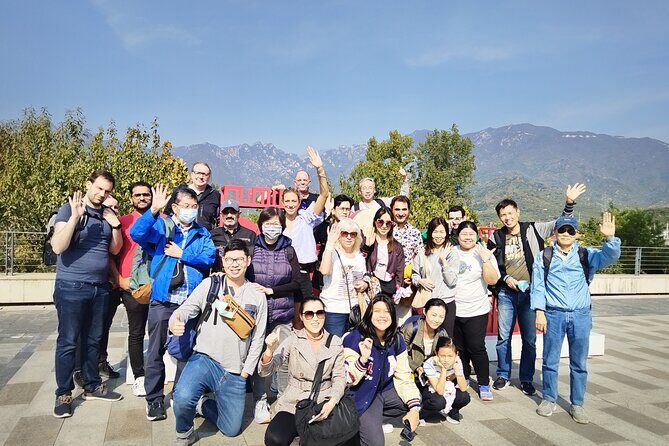
The guide component is included, based on the language option you choose: English, Spanish, or Russian. The guide’s job on the bus isn’t to become your personal historian all day; it’s more about orienting you.
In the feedback, the guides who get the strongest mentions tend to have a consistent style:
- clear instructions about how to do the hike sections
- gentle guidance for timing and safety
- enough cultural and historical context to make the wall feel real without turning the day into a lecture marathon
Names that come up often include Helly, Kevin, Mike, Cici, Amelia, John, and Jily. The common thread is practical help. One note that stood out: John is described as assisting with cable car and slide tickets with no extra fees beyond the official price, which is exactly the kind of support that prevents small problems from becoming big delays.
Photography time: why “most picturesque vantage points” usually means slowing down
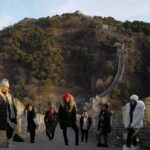
Mutianyu is built for viewpoints. You’ll see parapets and watchtowers carved into rugged grades, and once you’re there, you’ll understand why people build a whole plan around photo angles.
The tour’s structure helps your photos because you’re not rushing from one spot to the next every few minutes. You get multiple hours of free time, so you can wait for the right light, rest when your legs need a break, and walk back for a better view if you didn’t like the first angle.
If you’re planning shots with less crowd pressure, the hiking route can help. The 5K option is praised specifically because fewer people take that segment compared to routes where gondola rides dominate the day flow.
Small group size and the “it’s mostly your day” feel
The tour caps at 40 travelers, and that matters more than it sounds. At famous sites, your experience often depends on how chaotic the turning points get: meeting your guide again, moving from shuttle access to walking routes, and lining up for rides.
The day-trip style here is built to reduce friction. You start with organization and then get freedom. One candid note from the feedback: the bus transit talk can feel a bit routine, but once people separate at the wall, the experience improves a lot because you control the pace.
If you want a day with structure during logistics and freedom once you arrive, this fits that pattern well.
Who this tour suits best
This is a smart choice if you want:
- a low-cost, direct bus ride from central Beijing
- enough time on Mutianyu to actually explore instead of rushing
- a guide for the important parts (orientation and ticket help), then self-paced walking
It also suits people who don’t want to deal with public transit stress or negotiate transport on the fly. The tour is built around skipping that friction.
It may be less ideal if you want a fully guided, step-by-step walk the entire time. This isn’t that kind of tour. You get guided input and then time to choose.
For hikers, the 5K option can be a highlight, but it’s intense, and you should go in with realistic expectations. For families, the mix of shuttle support and the option of rides can work, but remember the toboggan age rule and the time constraint if you attempt too much.
Should you book this MuBus Mutianyu tour?
Book it if you want strong value and a manageable day plan. At $20, you’re buying the transport brainwork, entry admin, and on-site shuttle support, plus a guide in your chosen language. Then you’re free to walk, ride, and photograph on your own terms.
Skip or reconsider if your plan depends on cable car and toboggan being included in the price. They’re not. You’ll also want to plan for waits and crowds since you’re dealing with popular routes.
My practical call: pick the 8:00 AM departure if you like a longer, less rushed afternoon at the wall. Pick the 10:00 AM departure if you’re sleeping in or starting your Beijing day later. Either way, use your free time to choose one main side and give yourself room for the photos you’ll actually want.
FAQ
What time does the tour depart from Beijing?
There are two daily departures from Dongzhimen Station: one at 8:00 AM and another at 10:00 AM.
How long will I spend at the Mutianyu Great Wall?
The schedule is designed for about 5.5 hours at Mutianyu. For the 8:00 AM option, you arrive around 9:30 AM and leave around 3:00 PM. For the 10:00 AM option, you arrive around 11:30 AM and leave around 5:00 PM.
Is the entrance ticket to the Great Wall included?
Yes. Entrance to the Great Wall at Mutianyu is included in the tour.
Are cable car or toboggan tickets included?
No. Cable car or toboggan tickets are not included. The guide can help you purchase them at the official price.
Is lunch included?
Lunch is optional. You can upgrade to a rural-style buffet lunch of Chinese cuisine.
What languages are available for the guide?
The guide on the bus is available in English, Spanish, or Russian, based on the option you select.
Do I need to bring my passport?
Yes. You are asked to bring your passport when accessing the Great Wall.