REVIEW · BEIJING
Private Beijing Day Trip: Peking Man Site, Stone Flower Cave, Marco Polo Bridge
Book on Viator →Operated by Lily's Tour Company · Bookable on Viator
A day that spans time by the handful. This private route ties together early human history, Ming-era cave lore, and a 1937 turning point at Marco Polo Bridge. It’s built for convenience with hotel pickup and a private vehicle, and it includes the key costs like entrance tickets and lunch.
I especially like the chance to see the UNESCO Zhoukoudian Peking Man Site, where the first complete Peking Man skull was found in 1929 and the fossils are thought to date back as far as 700,000 years. I also like the Stone Flower Cave walk on a boardwalk through chambers lit in color, making the stalactites and stalagmites easier to appreciate. One thing to consider: the day is long and you’ll be doing walking at each stop, including the cave interior, so comfortable shoes and a moderate pace matter.
In This Review
- Key things to know before you go
- First thing in the morning: Zhoukoudian Peking Man Site
- Shihua Karst at the Stone Flower Cave: easy walking, big visuals
- Lugouqiao (Marco Polo Bridge): where old stone meets modern conflict
- Lunch and the private-vehicle advantage: less friction, more time on-site
- How this day fits your travel style
- A note on guides and the on-the-ground experience
- Should you book this private Beijing day trip?
- FAQ
- What sites are included in the private day trip?
- How long is the tour?
- Is hotel pickup and drop-off included?
- Are entrance tickets included?
- Is lunch included, and is there a vegetarian option?
- What time does the tour start?
- Is this tour private?
- Can I cancel for a full refund?
Key things to know before you go
- Zhoukoudian’s Peking Man fossils: first complete skull found in 1929; fossils may date back to 700,000 years
- Stone Flower Cave lighting + boardwalk: designed walking route through a large karst system, discovered in 1446
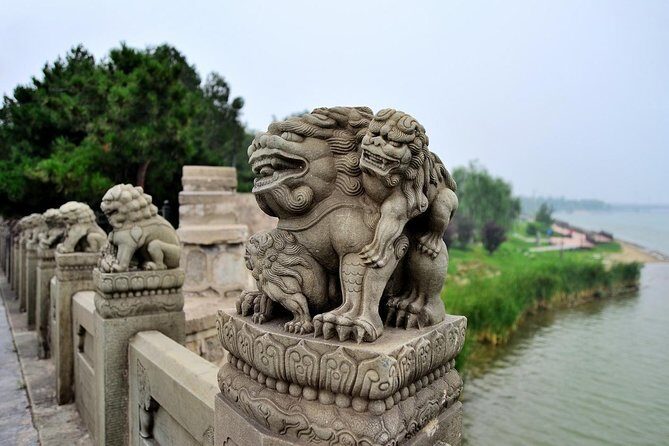
- Lugouqiao, oldest bridge in Beijing: built over 800 years ago in the Jin dynasty
- A war-history landmark: Marco Polo Bridge is tied to the 1937 Marco Polo Bridge Incident
- Private format with included entry + lunch: you avoid the hassle of ticket lines and planning between sites
First thing in the morning: Zhoukoudian Peking Man Site
Your day starts with morning pickup from your hotel area, then a drive out to Zhoukoudian. This is one of those rare museum-and-site combinations where you don’t just look at artifacts—you understand why the place matters. The big draw is the Peking Man discovery story: the first complete skull was found in 1929, and the fossils are thought to be incredibly old, possibly as far back as 700,000 years.
At the site, you’ll spend about an hour getting oriented around the museum and related attractions. That time box is useful. It means you won’t be stuck for half a day in one building, and it keeps the rest of the itinerary possible without turning the day into a marathon.
What I like here is the balance: even if your knowledge of early human archaeology is basic, the setting helps you get your bearings fast—this is the place where the evidence was found. Also, going on a private tour tends to make the explanations feel more practical. A guide can point out what to pay attention to and how to read what you’re seeing without drowning you in academic detail.
A possible drawback: because your next stop is the caves, you’re not going to have hours and hours to wander. If you love archaeology and could happily spend a full day on fossils alone, plan to treat this as a strong “best of” introduction rather than a complete deep study.
You can also read our reviews of more private tours in Beijing
Shihua Karst at the Stone Flower Cave: easy walking, big visuals
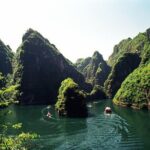
After Zhoukoudian, you head to the Stone Flower Cave, also known by older names like Qianzhen Cave or Shifo Cave. The cave sits in the Fangshan district, about 50 km from Beijing’s center. That distance is part of the appeal: it feels like a real outing rather than a quick city stop.
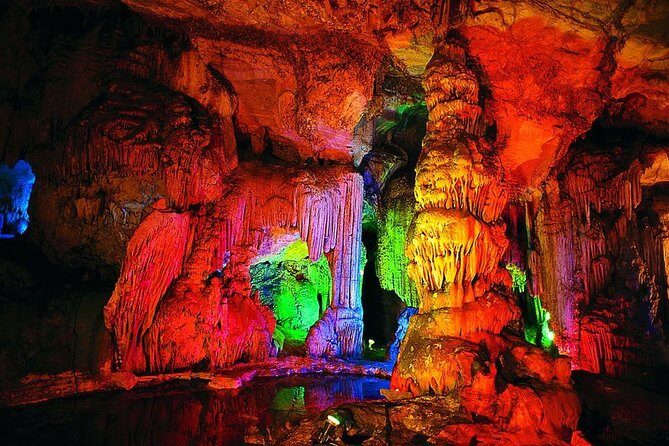
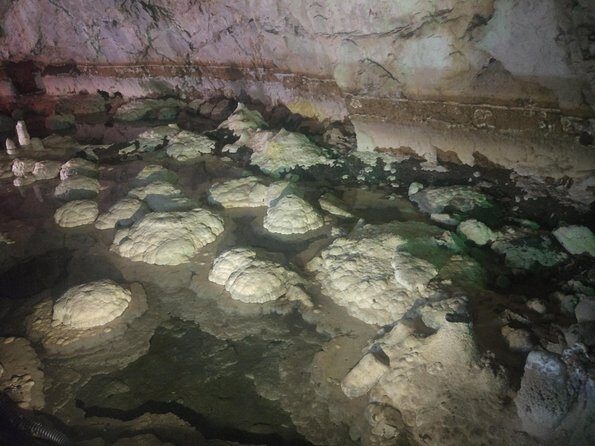
This is a cave built for visitors. You follow a boardwalk that winds through the main chambers, and the cave interior is lit with colorful lighting. That detail matters, because karst caves can look flat if lighting is too dim or if you’re peering around in darkness. Here, the lighting helps you actually see the rock formations—stalactites, stalagmites, and other shapes in the rock.
The story behind the cave is also a hook. The extensive cave system was first discovered by a Buddhist monk in 1446 during the Ming Dynasty. So while you’re walking through rock formations, you’re also experiencing a place that has been known and visited in Chinese history for centuries, not just for modern tourism.
Time wise, you’ll have around an hour. That’s usually enough to get the overall route, see the formations, and avoid getting exhausted from repeating the same passages. The main thing to watch is physical comfort: even with the boardwalk, you’ll be walking inside a cool and possibly slippery environment. Bring or wear shoes with good grip, and keep your pace steady.
If you’re thinking of this as a photo stop, it helps to know that the cave lighting can change how color shows on your camera or phone. If you want photos that look natural, you may need to adjust exposure a bit.
Lugouqiao (Marco Polo Bridge): where old stone meets modern conflict
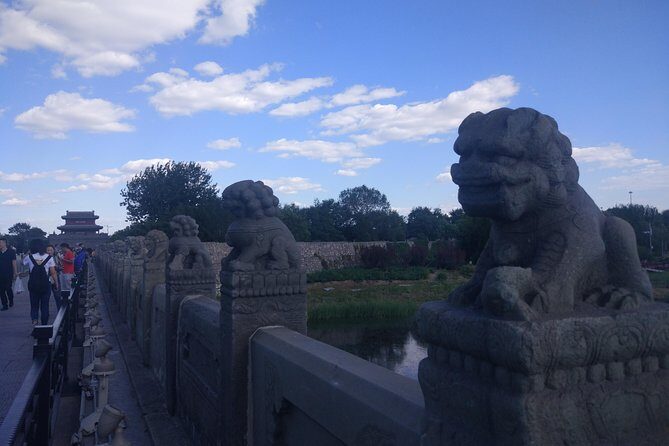
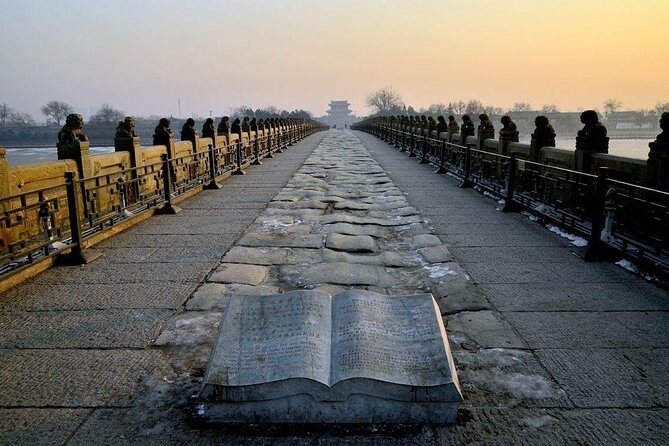
Your final stop is Lugouqiao, known in English as Marco Polo Bridge. It sits about 15 km southwest from the city center. The bridge itself is the headline: it’s more than 800 years old, built in the Jin dynasty, and it’s now considered the oldest bridge in Beijing.
But the bridge isn’t just architecture. It’s also one of the sites tied to the start of the Second Sino-Japanese War in 1937, often referred to as the Marco Polo Bridge Incident. That combination is what makes the last leg of this tour feel so different from the morning. You go from human origins and cave geology to a 20th-century flashpoint marked on an older foundation of stone.
During your stop, you’ll have about an hour. That’s a good length for a memorial or history site. You can take your time walking around and reading what’s there, without the pressure of an all-day schedule. The guide also helps connect what you’re seeing to the larger story—because the bridge alone won’t explain every detail, but a good guide can.
One consideration: this is a place with heavy historical weight, so the tone can feel more serious than the other two stops. If you’re bringing kids, you may want to ask the guide to keep explanations age-appropriate, or focus on the bridge’s long timeline from construction in the Jin dynasty to the 1937 incident.
Lunch and the private-vehicle advantage: less friction, more time on-site
This tour includes local authentic lunch, with a vegetarian option available if you request it when booking. That’s not a small detail. For a full-day itinerary with two UNESCO-style stops and a long drive, having lunch handled saves you from the common problem of spending your best energy hunting for a decent meal.
The transport format is also a big value driver. You travel in a private vehicle with hotel pickup and drop-off, which is usually a comfort win in Beijing traffic. The private style also helps you pace the day. If you want a few extra minutes at a particular display or you need a short rest, that’s easier than on a group bus.
And yes, the entry tickets are part of the package. That matters because it reduces hassle at each stop. Less waiting at counters means more time seeing the actual places.
For the price—$193 per person—the real question is what you’re getting for that money. You’re paying for a private guide, private transport, lunch, and entrance tickets across multiple sites. If you’re traveling with at least one other person, this often pencils out better than you’d expect, because the vehicle and guide cost don’t scale the same way as individual taxi rides and separate tickets.
How this day fits your travel style
This tour works best if you want a strong “three-site arc” without the stress of planning transportation between them. It’s ideal for:
- First-time visitors to Beijing who want context, not just checklists
- People who like history but don’t want to spend weeks studying it first
- Travelers who value English-speaking guidance and a smoother schedule
- Anyone who prefers controlled pacing, with pickup and drop-off handled
It may be less ideal if:
- You want to spend long hours at one location and go really deep into archaeology or cave geology
- Your group includes someone who struggles with walking in cave environments
- You’re traveling on a super-tight budget where a private day trip feels hard to justify
One more small but important travel tip: this is one of those days where timing and shoes matter more than anything else. Wear comfortable walking shoes, and dress for changing weather since it operates in all weather conditions.
You can also read our reviews of more tours and experiences in Beijing

A note on guides and the on-the-ground experience
A private guide is only worth it if the explanation is practical. In feedback about this tour, the guide experience stood out as friendly and helpful. One guide mentioned by name, Sally, was described as personable and effective at guiding people around the sites.
What you’re really trying to get from a guide here is clarity:
- what to look for at Zhoukoudian so the fossil story makes sense
- how the cave route works and what the formations represent
- what the bridge means beyond dates, so the 1937 incident lands in your head
With a good guide, this itinerary doesn’t feel like three random stops. It feels like one story told in three chapters.
Should you book this private Beijing day trip?
I’d book it if you want a full-day that feels efficient, meaningful, and well organized—without turning into a rushed whirlwind. The combination of Peking Man, the Stone Flower Cave, and Lugouqiao is a smart way to see Beijing beyond the usual museum-and-temple circuit.
You might skip it if you’re the type who wants to linger for hours at a single site, or if you don’t care about history context and are happy doing sites on your own. In that case, you may find a cheaper option by mixing public transport with individual tickets.
My practical verdict: for many visitors, this is a good-value private day because it bundles the hard parts—pickup, transport, a guide, lunch, and entrance tickets—into one plan. If you can handle moderate walking, it’s a very solid way to spend an 8-hour day in Beijing.
FAQ
What sites are included in the private day trip?
You’ll visit the Zhoukoudian Peking Man Site, the Stone Flower Cave, and Lugouqiao (Marco Polo Bridge).
How long is the tour?
The tour runs about 8 hours.
Is hotel pickup and drop-off included?
Yes. The tour includes hotel pickup and return drop-off in Beijing.
Are entrance tickets included?
Yes. Entrance tickets are included for each stop.
Is lunch included, and is there a vegetarian option?
Lunch is included, and a vegetarian option is available if you request it at booking.
What time does the tour start?
The itinerary starts around 8:00am with hotel pickup.
Is this tour private?
Yes. It’s a private tour, so only your group participates.
Can I cancel for a full refund?
Yes. Free cancellation is available up to 24 hours in advance for a full refund.