REVIEW · BEIJING
Beijing: Hutong Culinary Walking Tour with 15+ Tastings
Book on GetYourGuide →Operated by Fun Beijing Travel · Bookable on GetYourGuide
A snack walk turns into a story walk. This Beijing Hutong culinary tour pairs quiet alley strolling with 15+ local tastings and a guide who explains what you’re eating and why it matters.
What I like most is the amount of food for the price, and how the English-speaking guide adjusts stops if you want classic bites or bolder picks. One drawback: you’ll walk between small local spots, so if you’re picky about fried or strongly flavored items, you’ll want to speak up early so the tour matches your comfort level.
In This Review
- Quick hits before you go
- Meeting at Dongsi Subway Exit B and Getting Your Bearings
- Hutongs Shape the Food, Not Just the Photos
- The 15+ Tastings Plan: Why It Feels Like More Than a Tour
- Sesame Cakes, Ma Hua, and Jianbing-Style Pancakes
- Soup Dumplings, Rice Cakes, and Beijing Jar Yogurt
- Malatang and Hot-Spiced Comfort: When Warmth Becomes the Main Event
- Baijiu and the Big Question: Do You Want the Strong Stuff?
- Xinjiang Lamb Skewers, Nang Bread, and the Final Savory Hit
- When You Want Surprises: From 1000 Year Old Egg to Intestine Soup
- Eating Etiquette, Portion Rhythm, and How to Avoid Regret
- Private Guide Energy: Names You Might Get and Why It Matters
- Price and Value for $76: What You’re Actually Buying
- Who This Hutong Culinary Tour Fits Best
- Should You Book This Hutong Culinary Walking Tour?
- FAQ
- Where is the meeting point?
- How long is the tour?
- How many tastings are included?
- Is the tour in English?
- Is it a private group?
- Can the guide adjust stops for what I like?
- What if I do not want the more adventurous dishes?
- Is pickup available?
Quick hits before you go
- Meet at Dongsi Subway Station (Exit B): your guide holds a sign with your name.
- 15+ included tastings in 3–4 hours: you’re not doing just a few samples.
- Stops shift day to day: your guide covers the same style of favorites, but chooses what fits best.
- You can steer the adventure level: classics or surprises like donkey burger or intestine soup, with swaps available.
- A real Hutong walking component: you learn how the neighborhood and food traditions connect.
Meeting at Dongsi Subway Exit B and Getting Your Bearings
Start at Dongsi Subway Station, Exit B. It is the kind of meeting point that makes sense: easy to reach by subway, or by taxi if you are rolling in with luggage or tired legs. Your guide will be there holding a sign with your name, which cuts out the usual stress of matching faces in a crowded station.
Once you’re grouped up, the tour immediately sets the tone: short walks, quick explanations, and food that arrives in sensible stages. This matters because Hutongs are not wide streets with obvious landmarks. They are narrow lanes where daily life happens quietly. If you do not know what you are looking at, you miss half the point. The guide’s job is to point you at what matters without turning it into a lecture.
Practical note: this is a private group format, so you are not trapped behind a big crowd moving at one speed. In the better versions of this tour style, that means you can ask questions and adjust your pace.
You can also read our reviews of more walking tours in Beijing

Hutongs Shape the Food, Not Just the Photos
The tour’s strongest feature is the way it connects food to the Hutong world. You start with a stroll through quieter alleyways and get stories about how these neighborhoods grew, how daily life worked, and how food culture fits into that rhythm. That context is why a sesame cake or a bowl of soup dumplings does not feel like a random snack stop.
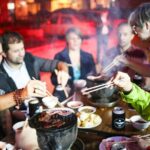
You also get what you can call the etiquette lesson: how people eat in local settings, what to watch for, and how to be comfortable trying things that look unfamiliar. This is not about rules for show. It helps you avoid the awkward moment of wondering if you should eat differently or whether you are doing something wrong. When the guide is good, you feel like you’re joining a normal neighborhood meal, not performing for it.
And yes, the Hutong walking part is real. You are not only hopping from one restaurant door to another. You get that slow shift from street to food, which makes the tastings feel connected instead of scattered.
The 15+ Tastings Plan: Why It Feels Like More Than a Tour
A lot of food tours promise a lot, then hand you a few bites and a hard sell. This one leans into the opposite approach: 15+ tastings included, with about 3 hours of feasting. For a 3–4 hour outing, that’s a serious calorie load and a solid value if you actually plan to eat.
What you should expect is variety across sweet, savory, fried, noodle, and small-plate items. The guide also keeps the pace friendly: tastings are designed to be fast enough that you keep moving, but substantial enough that you are satisfied when you finish.
Common shapes of the food route often include:
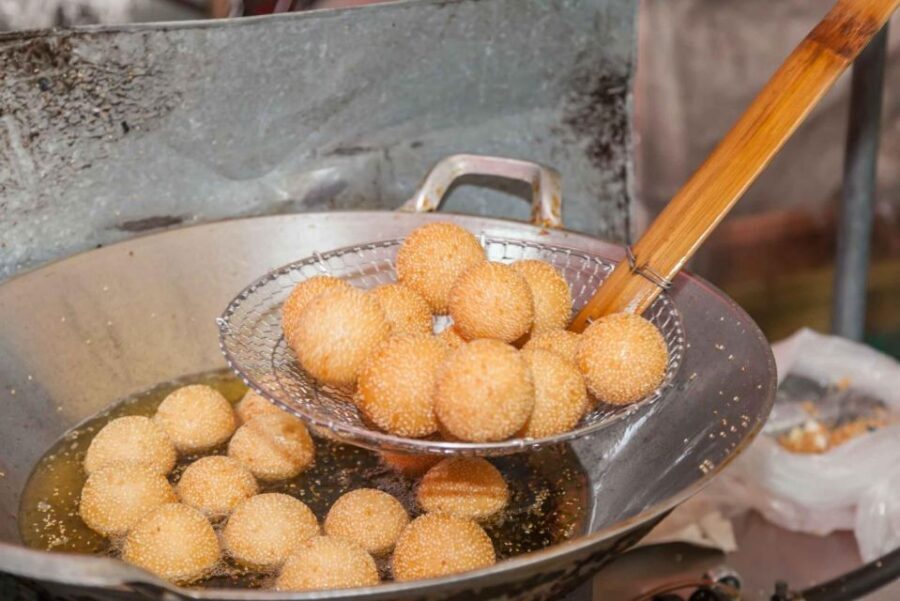
- a start with snack-like items such as sesame cakes or ma hua (fried dough twist)
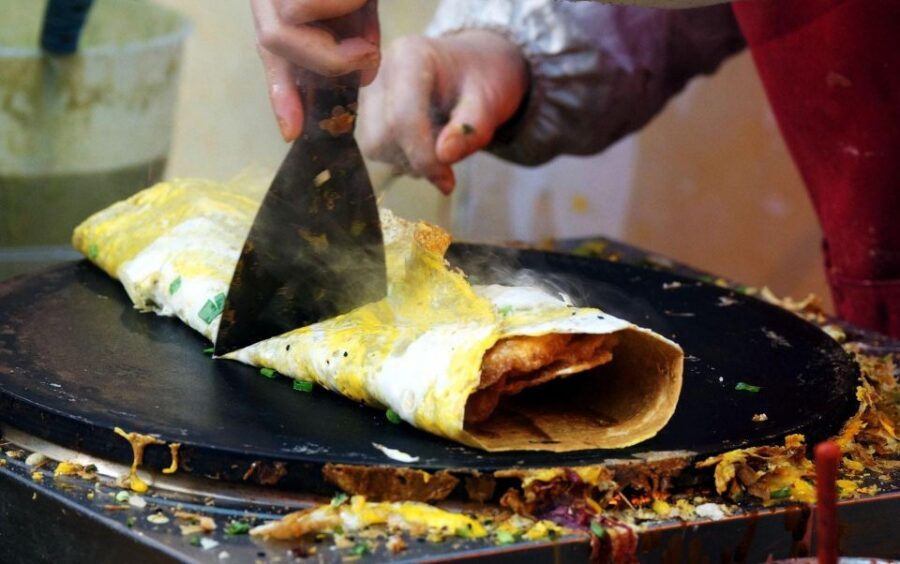
- a comfort stop with dumplings or fried pancake-style snacks like jianbin
- a warm, filling bowl moment such as soup dumplings or malatang
- a neighborhood dessert rhythm using local sweets
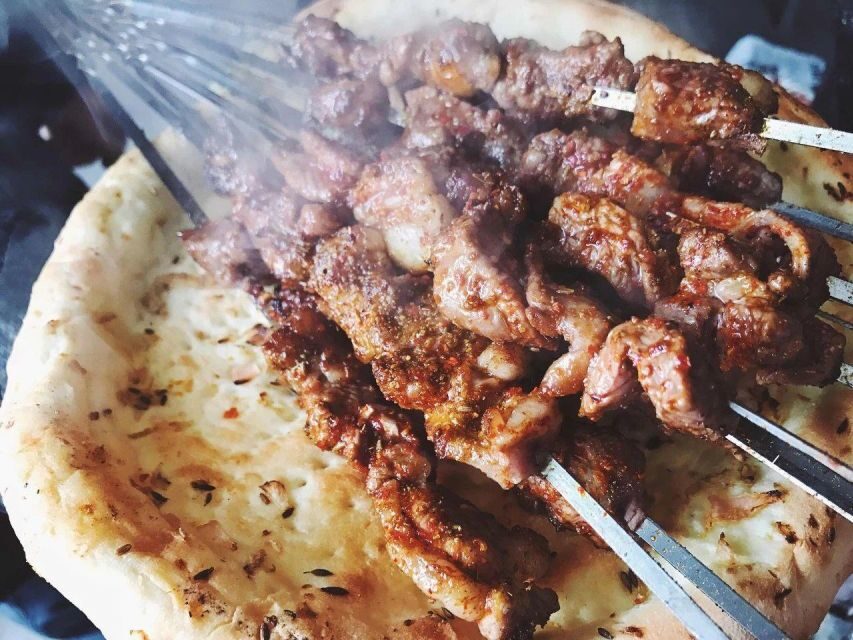
- a final savory punch that can include Xinjiang lamb skewers with nang bread
Because the tour adapts to preferences, the exact order can shift. But the overall logic stays: you keep rotating textures and flavors so you do not get stuck eating one style for the whole tour.
Sesame Cakes, Ma Hua, and Jianbing-Style Pancakes
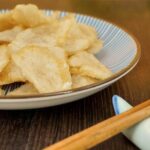
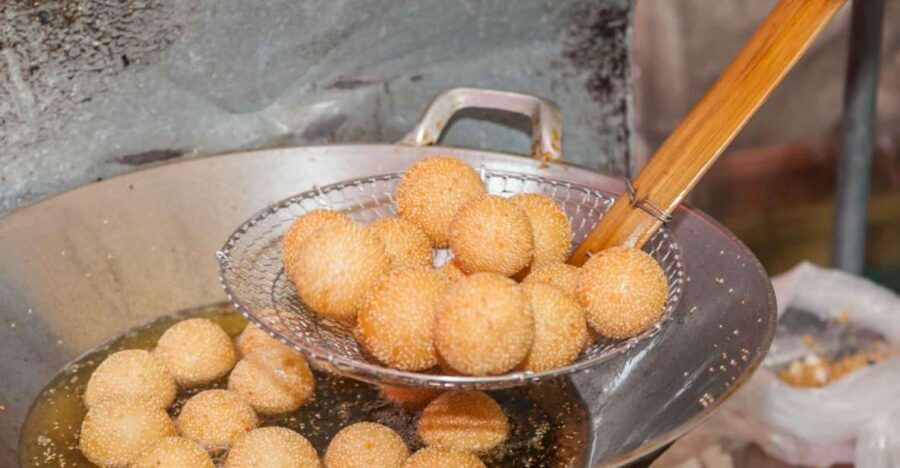
If you want a fast win, start with the classics the guide may bring early. Items like sesame cakes are a good introduction to Beijing flavor without needing a long explanation. These are made from sesame seeds, often paired with a honey sweetener, so you get a sweet crunch and a sticky finish in one bite.
Then there’s ma hua, the fried dough twist. It’s an easy snack for first-time visitors because it is filling, familiar-sounding even if you have never tried it, and it works well while you’re walking.
Another likely stop is jianbin, a fried pancake. Expect it to be crunchy outside and flexible enough to eat as a street-style handheld. This kind of food is perfect for a walking tour because it keeps you moving and lets you focus on the flavor rather than utensils.
Even if you think you know Chinese snacks from restaurants back home, the Hutong versions tend to feel simpler and more direct. The guide’s job is to help you notice details you would otherwise miss.
Soup Dumplings, Rice Cakes, and Beijing Jar Yogurt
From snack mode, the tour can step into more structured dishes.
One option you might see is soup dumplings. Even if you’ve had dumplings in other cities, the Hutong variety here is presented as a local staple, and the guide typically explains what makes them special in Beijing’s food tradition.
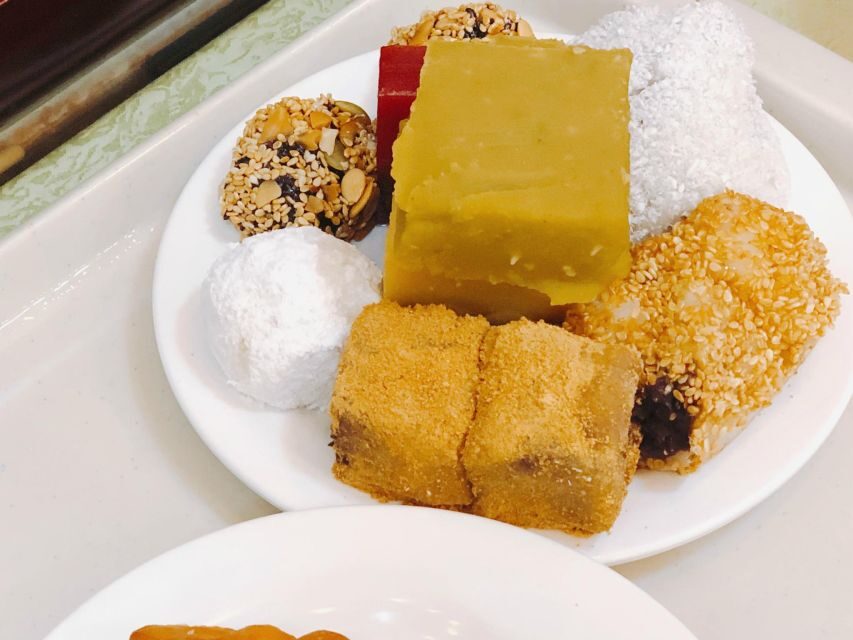
You may also try steamed rice cakes with sweet stuffing. These are the kind of sweet you can only really appreciate after a few savory bites, because they reset your palate without feeling heavy like a full dessert.
For something smaller but memorable, there is Beijing jar yogurt. It sounds simple, but it is a classic local texture and taste that helps balance the fried and spicy items that can come later.
If you are the kind of eater who likes contrast—sweet after savory, warm after crunchy—this segment is where the tour starts feeling like a planned route instead of a random sampling.

Malatang and Hot-Spiced Comfort: When Warmth Becomes the Main Event
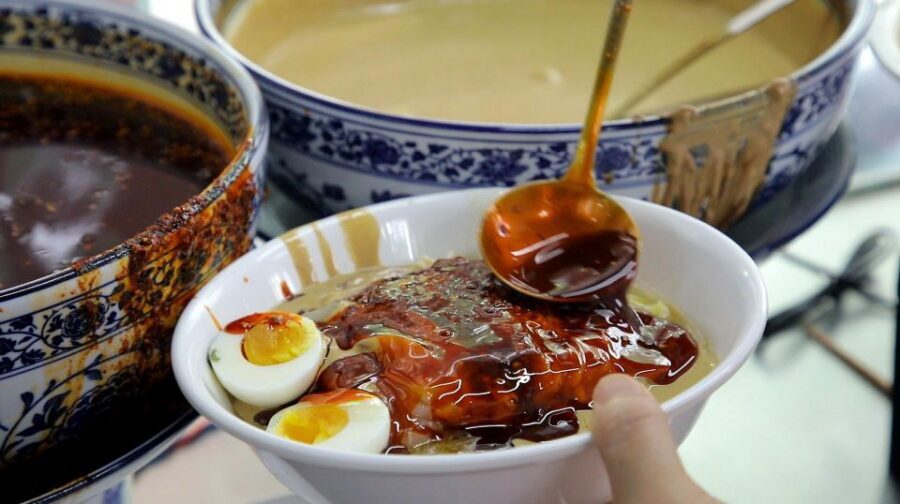
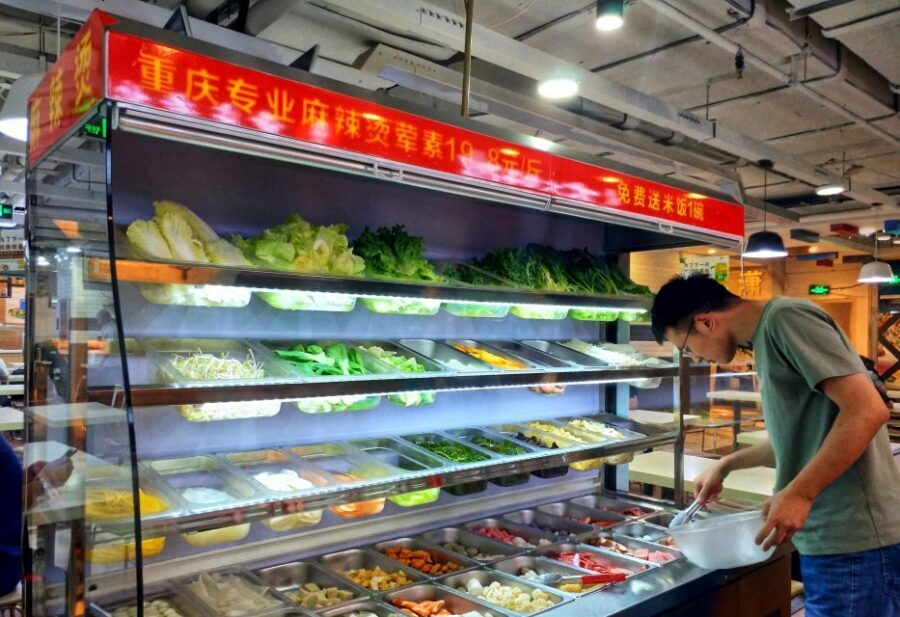
Not every stop is sweet. A major comfort section can include malatang. This is described as a member of hot pot: a spicy hot pot soup base with a range of ingredients such as vegetables, meats, seafood, and noodles.
This is also a good moment to pay attention to how you’re choosing your ingredients. The guide can help you decide what fits your spice tolerance and what will be easiest to eat comfortably during the walk-and-dine rhythm.
Why malatang works well on this tour: it’s warming and filling, so it anchors you mid-route. It also gives you a chance to slow down slightly and focus on flavor. If your tour includes both fried items and spice-heavy dishes, this warm bowl can prevent the tour from feeling like it’s only about crunch and heat.
Baijiu and the Big Question: Do You Want the Strong Stuff?
Some tours chicken out on the cultural alcohol moment. This one includes baijiu, described as a colorless Chinese liquor that typically runs 35% to 60% alcohol by volume.
The key here is choice and context. You do not have to turn this into a dare. If baijiu is on the menu, the guide’s stories about it are part of the experience—how people think about it, where it fits, and what it means in social eating.
If you do want to try it, do it in small amounts and treat it like part of the meal, not an event by itself. If you do not, you can still get value from the rest of the tastings without forcing the strong liquor moment.
Xinjiang Lamb Skewers, Nang Bread, and the Final Savory Hit
For many people, the most satisfying ending is the segment that includes Xinjiang lamb skewers. These tastings can pair lamb and vegetables with nang bread, which helps because you are not eating only one texture. It becomes more like a local meal than a string of bites.
This is also where the tour’s regional flavor story clicks. Beijing is not an isolated food world. It collects influences from across China, and a Xinjiang-style stop shows that movement through food.
If you like meat, skewers, or anything smoky and grilled, you’ll likely find yourself thinking about this section after the tour ends. It’s the kind of bite that feels bigger than its portion size.
When You Want Surprises: From 1000 Year Old Egg to Intestine Soup
If you’re an adventure eater, the tour can offer extra surprises such as donkey burger, fried liver, intestine soup, and 1000 year old egg. There’s also bamboo worm listed as an option, with it noted as at your cost.
The smartest way to handle this is simple: tell your guide your boundaries early. The tour is designed so the guide adjusts based on your preferences, and there is also mention of being able to ask for a substitute meal if you do not want the challenge items.
This is the segment where your comfort level drives the quality of your experience. If you are open, you get the full Hutong street-food flavor map. If you are cautious, you can still learn the stories and taste the safer classics without feeling left out.
Eating Etiquette, Portion Rhythm, and How to Avoid Regret
One thing I really appreciate is the way the guide talks about eating etiquette. When you’re in a small local spot, etiquette is less about formal manners and more about not slowing down the table or missing the best way to eat something hot or messy.
Also, your body will notice you’re on a tasting tour. You can easily leave very full. Multiple guide styles in this tour format come through in how they handle pace: quick stops that keep you moving, but enough time to eat without feeling rushed.
My practical advice:
- Show up hungry.
- If you know you get overwhelmed by spicy food, tell the guide and let them choose the balance.
- If you’re unsure about a weird-looking dish, ask what it is before you commit. That way you can make a decision with information instead of guesswork.
Private Guide Energy: Names You Might Get and Why It Matters
I like when a guide makes the tour feel personal without turning it into theatre. This route is often led by English-speaking guides such as Jimmy, Mike, May, Allen, Anson, Jay, Lucy, and Miko. What stands out across these names is the same theme: strong storytelling plus practical guidance, including tailoring stops for preferences.
You’ll also hear the same kinds of priorities show up:
- explain the origins and role of a dish in Beijing life
- help you find places you would not find on your own
- keep the tour fun, not stiff
- handle dietary needs when you raise them early
One example from the tour’s format is how a guide can make room for a vegetarian option when someone in the group needs it. That’s not a small detail. It’s the difference between a family meal that works and a tasting tour where half the table is waiting.
If you have kids, seniors, or a mixed group with different comfort levels, this private-group setup is the right fit.
Price and Value for $76: What You’re Actually Buying
At $76 per person for 3–4 hours, you are paying for more than food. You’re buying:
- access to handpicked local spots
- a guide who helps you order and eat confidently
- the context that turns a snack into a story
- 15+ tastings included, which is the main value driver here
The value part is that the tour is built around quantity and variety. If you tried to replicate this alone, you would spend time hunting for the right places, translating menus, and working out what is worth your stomach space. Here, you get a planned route with enough flexibility that you don’t feel locked into a fixed list.
Is it a perfect deal for every eater? Not always. If you only want one or two food types—say, only dumplings or only sweets—then the quantity might feel like overkill. But if you like variety and you want a fast introduction to Hutong food culture, the math works.
Who This Hutong Culinary Tour Fits Best
This tour is especially good for:
- first-time visitors who want Beijing flavors without guessing
- food lovers who like walking and small local restaurants
- people who want both history context and actual eating
- groups who need flexibility, including dietary adjustments
It may be less ideal if:
- you dislike walking in narrow lanes and short restaurant hops
- you refuse trying new textures (especially fried and offal-style items)
- you want a slow sit-down meal. This is a tasting-and-walking format.
Should You Book This Hutong Culinary Walking Tour?
If you want a true Beijing introduction that mixes neighborhood stories with serious snack volume, I’d book it. The combination of 15+ tastings, Hutong walking, and English-guided explanations is a strong fit for a short trip.
But do yourself a favor: message your guide about spice tolerance and any dietary limits before you arrive. The tour is designed to adjust, and that makes the difference between feeling delighted and feeling stuck with dishes you never would have chosen.
If your goal is to leave Beijing with a sharper sense of how local life tastes, this is one of the best ways to do it in a single afternoon.
FAQ
Where is the meeting point?
You meet at Dongsi Subway Station Exit B. Your guide will hold a sign with your name.
How long is the tour?
The duration is 3–4 hours.
How many tastings are included?
You get 15+ food tastings included.
Is the tour in English?
Yes. The tour has a live English-speaking guide.
Is it a private group?
Yes, it is offered as a private group.
Can the guide adjust stops for what I like?
Yes. The guide adjusts stops based on your preferences, including options for classic bites or more adventurous picks.
What if I do not want the more adventurous dishes?
If you are not interested in the challenge items, you can ask for a substitute meal. Also, tell the guide your comfort level so they can plan accordingly.
Is pickup available?
Pickup is optional. If you choose it, the guide will pick you up and drop you off with a private transfer, and you can meet them in your hotel lobby.