REVIEW · BEIJING
Beijing Historic City Guided Walking Tour + Calligraphy Creation
Book on Viator →Operated by Free Tours China · Bookable on Viator
Beijing rewards slow walking, especially here. This guided route strings together imperial-era landmarks, hutong alley life, and a hands-on calligraphy stop, all at a pace that actually lets you notice details. I like how the guide stories connect old Beijing to what you see today, and I really appreciate the route’s mix of big-name neighborhoods with quieter side streets.
One thing to keep in mind: this is a shared tour with a set ending in the Tiananmen area but no entry into Tiananmen Square, so if you want to go inside, you’ll need your own plan ahead of time.
In This Review
- Key things I’d circle before you go
- Price and logistics: what $5 gets you (and what you should budget for)
- Starting at Huguang Guild Hall: where commerce, opera, and politics overlap
- Hutong lanes: turning alley wandering into real understanding
- Liulichang Street and calligraphy creation: art you can actually try
- Yangmeizhu Byway: modern creativity in an old-city setting
- Dashilan Street and Qianmen: shopping streets, snacks, and street life
- Finishing near Tiananmen Square: context without the square visit
- Guides and pacing: why the story delivery matters
- What to bring (so the walk feels easy)
- Who this tour fits best
- Should you book this walking tour?
- FAQ
- How long is the Beijing Historic City Guided Walking Tour + Calligraphy Creation?
- How much is the tour, and what does that price mean?
- How much should I tip the guide?
- Is the tour a small group or a large group?
- What’s the meeting point?
- Where does the tour end?
- Do we enter Tiananmen Square during this tour?
- What happens if the weather is bad?
Key things I’d circle before you go
- Tips-based model explained up front: the $5 is mainly to reserve your spot; a suggested tip is 160–200 RMB (about 20–25 USD/EUR).
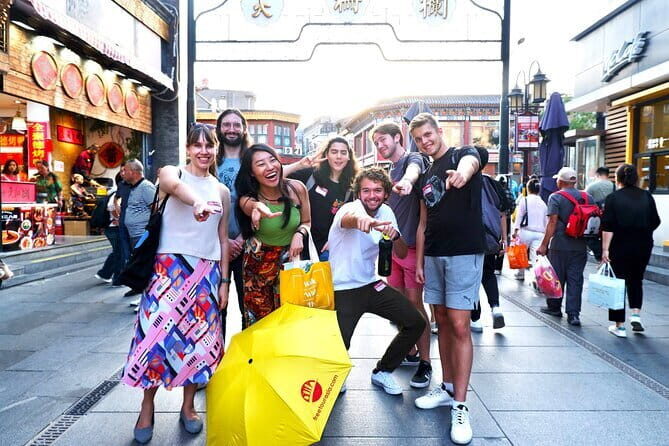
- Small groups by booking: shared, limited to 6 guests per booking, which helps it feel conversational instead of lecture-mode.
- Calligraphy creation built into the day: you’ll get a guided chance to make your own writing during the arts stop on Liulichang area streets.
- Old hutong lanes plus market streets: you’ll see how residential alleys, crafts, and shopping areas fit together in real life.
- You finish near Tiananmen without entering: you get the location and context, but not the square visit.
Price and logistics: what $5 gets you (and what you should budget for)
At first glance, $5 sounds like a steal. That’s not just marketing math—this tour is set up as a tips-based experience. The listed booking fee is basically your seat reservation, and then you decide what the guide deserves. The company’s suggestion is a tip of 160–200 RMB (roughly 20–25 USD/EUR).
So here’s the practical way to think about value: you’re paying a low amount for organization and translation support, and your real “cost” becomes how much you tip based on effort, pacing, and how much you enjoy the stories. If you come hungry, bring curiosity, and you like learning while walking, the suggested tip feels fair. If you’re the type who hates group wandering, this won’t be your favorite use of the day.
Timing matters too. It runs about 3 hours 30 minutes starting at 10:00 am, and it’s weather-dependent. Plan layers: this is an outdoor route, and you’ll be moving most of the time.
You can also read our reviews of more walking tours in Beijing
Starting at Huguang Guild Hall: where commerce, opera, and politics overlap
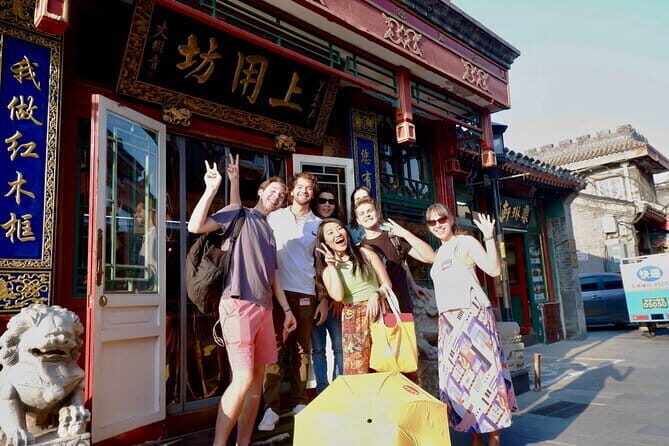
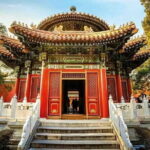
The tour kicks off at Huguang Guild Hall (3 Hu Fang Lu, Xicheng District). Built in 1807, this place isn’t just a pretty old building—it’s a window into how regional merchants and officials used guild halls as social power centers.
Look for how the hall’s layout and design reflect its purpose. Guild halls like this helped bring people together, settle disputes, and host cultural events, including opera. That matters because Beijing’s history isn’t only dynasties and emperors; it’s also the everyday machinery of business and status.
One practical benefit: this is a good starting point to learn the “Beijing way of seeing.” Your guide sets themes early—imperial rules, neighborhood life, and how later development changed what you see on the street.
Hutong lanes: turning alley wandering into real understanding
After the hall, you shift into hutong neighborhoods, the narrow lanes that shaped daily life for generations. Don’t treat hutongs like generic backstreets. They’re urban systems. Family life, local commerce, and neighborhood routines all used these alley patterns as their organizing tool.
What I love about this part of the day is the way the guide helps you read what’s around you. You start noticing the clues: how homes face the lane, how community spaces form, and why certain streets feel busier than others even when they look similar at first glance.
A guide can make hutongs either confusing or unforgettable. In the good versions of this tour, your guide keeps things moving while still giving you enough context to understand what you’re seeing—like how residential alley life sits next to larger commercial zones.
Potential drawback: this is walking. If you have knee issues or you’re easily tired by uneven sidewalks, be ready for a steady pace.
Liulichang Street and calligraphy creation: art you can actually try
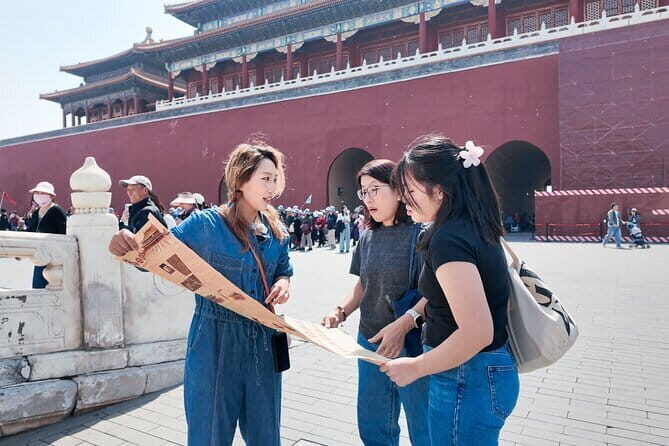
Next comes Liulichang Street, a historic area known for antique and art-related shops. This is where the day starts to feel hands-on in a different way. The streets here are lined with places where you’ll typically see traditional art materials and calligraphy items, and that’s the setup for the tour’s calligraphy creation component.
Even if you’re starting with zero experience, this is one of those activities where guidance matters. You’re not just shopping; you’re doing. Your guide’s job is to translate the idea of calligraphy into something you can complete during the tour time—so you leave with a concrete result, not just photos.
Practical tip: if you want good pictures, bring a phone camera setting that works well indoors and outdoors. Calligraphy sessions can happen in shop interiors, and lighting can vary a lot.
Yangmeizhu Byway: modern creativity in an old-city setting
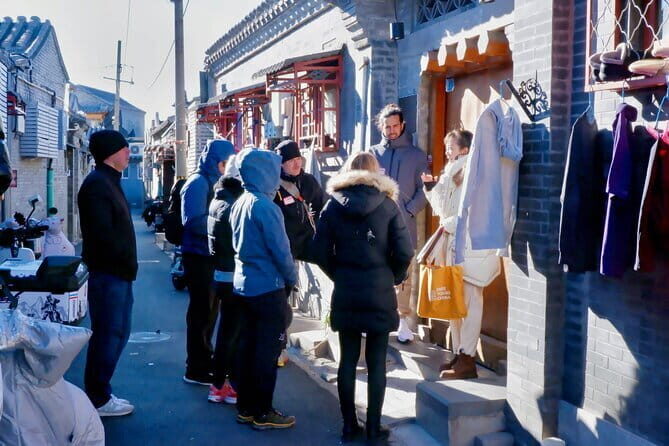
Then you move to Yangmeizhu Byway, a lane where newer style and older street texture overlap. This segment works because it answers a question a lot of visitors have: what does “historic city” mean when modern life is happening right alongside it?
You’ll see boutique-style shops, design-focused spaces, and cafes set into the city fabric. The point isn’t to treat this lane as a trendy stop—it’s to understand how Beijing changes without erasing itself completely.
If you like street-level contrasts (old meets new, craft meets design), this is a satisfying pause before the tour swings back into more classic commercial energy.
You can also read our reviews of more guided tours in Beijing


Dashilan Street and Qianmen: shopping streets, snacks, and street life
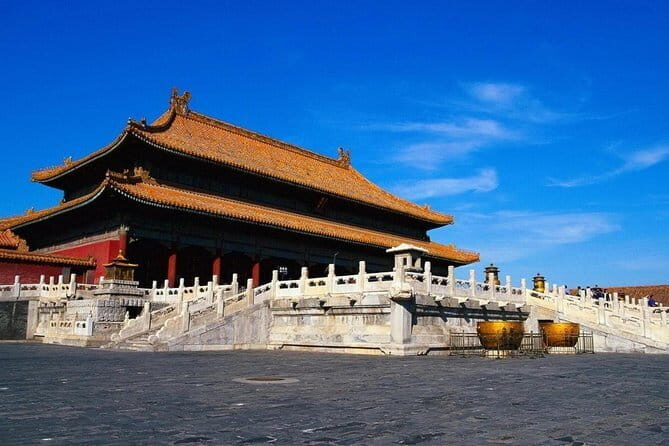
The route then heads to Dashilan Street, described as Beijing’s oldest and lively commercial hub. Even if you don’t buy much, the street energy helps you understand how neighborhoods and commerce interact.
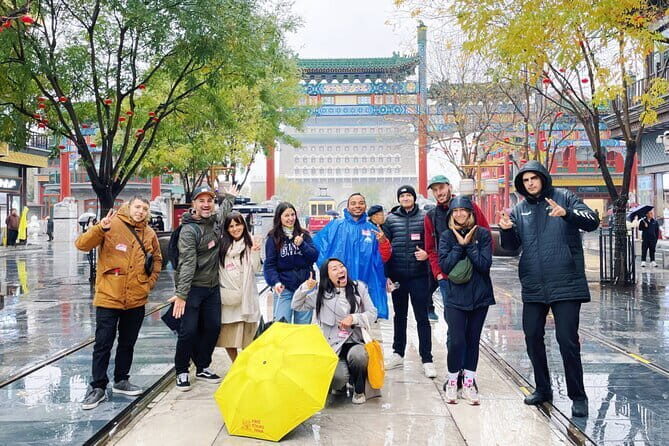
From there you reach Qianmen Walking Street, just south of Tiananmen Square. This is where the day becomes very Beijing in a way that’s easy to feel: pedestrian shopping lanes, local food stops, and lots of activity.
One of the best practical perks here: you get time for street-food sampling during the day. If you’re the type who thinks food is part of history, you’ll probably enjoy this section more than you expect. If you have dietary restrictions, it’s smart to tell your guide early so they can steer you toward options that fit.
Also, Qianmen is a good “wrap your head around Beijing” area. It’s recognizable and tourist-friendly without being only tourist-only.
Finishing near Tiananmen Square: context without the square visit
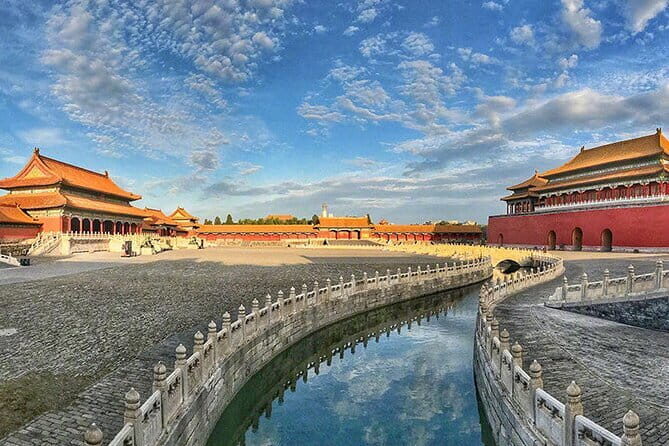
The tour ends in the Tiananmen area but does not enter Tiananmen Square. The meeting point and ending location are both tied to the Qianmen Metro Station (Line 2 & 8), south of Tiananmen Square. You’ll also finish in front of the square zone, which is useful because it gives you the context and geography for later exploration.
Important for your planning: if you want to visit Tiananmen Square itself, you need to make your own reservation at least one day in advance. Same-day isn’t available.
This makes the tour feel more relaxed. You’re not stuck waiting for entry procedures, and you get a calmer ending even with crowds around the area.
Guides and pacing: why the story delivery matters
This tour’s reputation isn’t only about the route. It’s about how the guide tells the story while you walk. Some guides on this style of tour are especially good at keeping a steady tempo—pointing out what to look for, explaining connections between dynasties and modern street life, and sprinkling in small anecdotes so the history sticks.
In past groups, I’ve seen guides named Kris and Hao praised for being organized, patient, and focused on delivering clear explanations at each stop. That’s what you want in a walking tour: direction without turning every stop into a lecture.
The small-group size helps here. With up to 6 guests per booking, you’re more likely to get personal attention and ask questions without shouting over a stadium crowd.
What to bring (so the walk feels easy)
The tour is short enough that you can keep it light, but long enough that comfort matters. I’d plan for:
- Comfortable shoes for nonstop walking
- A weather layer (Beijing can feel sharp when the sun drops)
- Water for the full 3.5 hours
- A small snack mindset if you’re sensitive to hunger
Also, if you’re excited about the calligraphy activity, give your hands a moment to relax after. You’ll be glad you didn’t wear something tight-sleeved.
Who this tour fits best
This is a great choice if you want:
- A structured introduction to Beijing’s imperial-era setting and street layout
- A mix of residential hutongs and commercial streets
- A guided chance to try calligraphy creation
- Some food time along the way
It’s less ideal if you hate walking, prefer to explore completely on your own, or you’re mainly chasing a “hit every famous monument” checklist. This route is designed to make you understand how the city works—not just to photograph famous gates.
Should you book this walking tour?
Yes, if you want the most learning per hour without getting stuck in museum-only mode. The mix of Huguang Guild Hall, hutongs, Liulichang’s arts world, Yangmeizhu Byway’s modern contrast, and the Qianmen ending gives you a full Beijing picture in one morning.
I’d especially book it if you’re the kind of traveler who likes history that has street-level fingerprints: lanes, shops, and daily life. Just budget for a proper tip (the 160–200 RMB suggestion is the key number), wear good shoes, and decide in advance whether you’re willing to skip Tiananmen Square entry for the sake of a smoother tour.
FAQ
How long is the Beijing Historic City Guided Walking Tour + Calligraphy Creation?
The tour lasts about 3 hours 30 minutes.
How much is the tour, and what does that price mean?
The booking fee is listed as $5 per person. The fee is mainly to reserve your spot, and the tour operates on a tips-based model.
How much should I tip the guide?
The suggested tip is 160–200 RMB (about 20–25 USD/EUR). It’s voluntary, and you choose what you feel is fair.
Is the tour a small group or a large group?
It’s a shared group tour limited to 6 guests per booking.
What’s the meeting point?
You start at Huguang Guild Hall, 3 Hu Fang Lu, Xicheng Qu, Beijing 100052.
Where does the tour end?
The tour ends near Qianmen Metro Station (Line 2 & 8), south of Tiananmen Square.
Do we enter Tiananmen Square during this tour?
No. The tour ends in front of Tiananmen Square, but it does not enter the square. If you want to visit, you need to reserve at least one day in advance.
What happens if the weather is bad?
The experience requires good weather. If it’s canceled due to poor weather, you’ll be offered a different date or a full refund.