Some dinners are an education. This one pairs Beijing street life with craft beer and classic bites in old hutong lanes. I love how the evening mixes food you can’t easily find on your own with a guide who explains what you’re eating and where you are. I also like that you get enough food for something close to a full dinner. The main catch: it’s a walking tour through narrow lanes and it’s not suitable for mobility impairments.
You start at Shichahai metro, then head into the maze of hutong alleyways that grew out of courtyard neighborhoods. Expect four tastings, unlimited beer and sodas, and a schedule that moves at an easy pace. I’d consider it a great first-night plan if you want Beijing beyond the big sights—just come hungry and wear shoes you trust.
In This Review
- Key things I’d circle on your map
- Shichahai meetup and what the 6:30 PM start really means
- The hutong walk: 12th-century lanes and real neighborhood context
- Hotpot with craft beer and bell tower views
- Beijing noodles in a hole-in-the-wall courtyard
- A rare Muslim dish tied to Empress Cixi
- Spring pancakes year-round: family reunion in a wrap
- Price and value: what $75 covers in real eating terms
- How the guide shapes the whole night
- Smart tips so the evening feels easy
- Should you book this Beijing hutong food tour?
- FAQ
- What time does the tour start, and how long is it?
- Where do I meet the guide?
- Is subway the recommended way to get there?
- How much walking is involved?
- What food and drinks are included?
- Can the tour accommodate dietary requirements?
- Does the tour run in bad weather?
- Is it suitable for mobility impairments?
- What if the tour cancels due to minimum group size?
Key things I’d circle on your map
- Shichahai meetup at Line 8: meet at Exit C (street level) and start promptly at 6:30 PM
- Rooftop hotpot + bell tower views: copper pots, clear broth, thin mutton and beef, then beer
- Beijing Noodles in a courtyard: a hole-in-the-wall joint serving the dish locals basically call Beijing noodles
- A rare Muslim specialty tied to Empress Cixi: served in a neighborhood-style spot with baijiu on hand
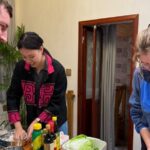
- Spring pancakes like a burrito: made fresh to order by a husband-wife team
- Unlimited beer and sodas: plus a pint of locally brewed craft beer with one stop
Shichahai meetup and what the 6:30 PM start really means
This tour starts in the early evening at 6:30 PM, meeting at Shichahai Subway Station (Line 8), Exit C, street level. When you exit the train, follow signs to Exit C. The guide will be upstairs outside the exit, waiting for you.
Why that timing matters: hutongs feel different at night. You’ll notice more locals out and about, and the alley atmosphere turns from quiet to lived-in. Also, hotpot and noodles are at their best when you’re walking off a little hunger first, then eating while the evening energy builds.
If you’re using subway, give yourself a bit of buffer. Shichahai is a popular area, and the route from the station into the hutongs is easy to miss if you’re rushing. If you prefer a taxi or Didi, use the Chinese name 什刹海地铁站C东南口.
You can also read our reviews of more food & drink experiences in Beijing
The hutong walk: 12th-century lanes and real neighborhood context
The core of the experience is a 2.5 km (about 1.5 miles) stroll through historic hutong alleyways. These narrow lanes date back to the 12th century, formed between rows of courtyard houses built for government officials and the wealthy.
What I like about doing this on a food tour: you’re not wandering aimlessly. Your guide points out what hutongs are, how the layout shaped everyday life, and how they changed over time. Even if you already know Beijing’s major sites, the hutongs show you the “in-between” city that big-ticket attractions don’t fully capture.
You should also plan for the practical reality of hutongs:
- The walking space can be tight.
- You’ll be moving through alleyways, not broad sidewalks.
- It runs in all weather, so bring a layer and rain protection if needed.
One more note: this is explicitly not suitable for people with mobility impairments, so if walking long stretches or uneven alley surfaces are an issue, you’ll want a different plan.
Hotpot with craft beer and bell tower views
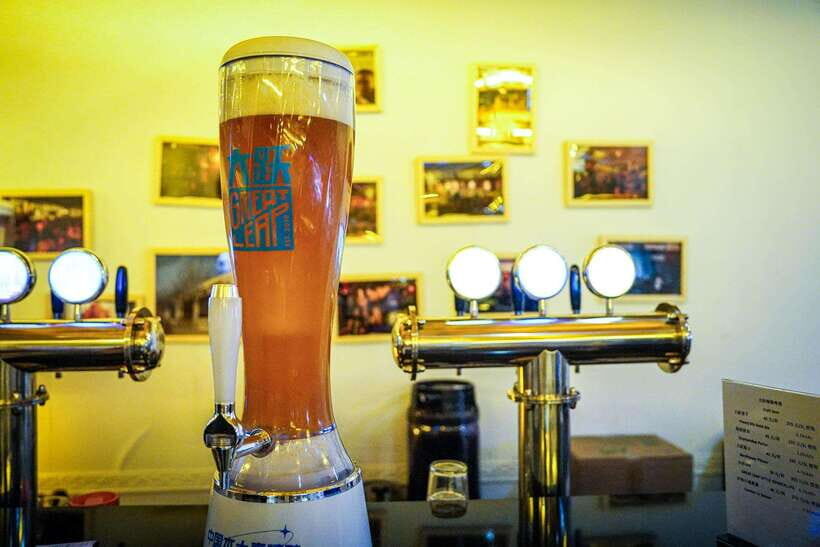
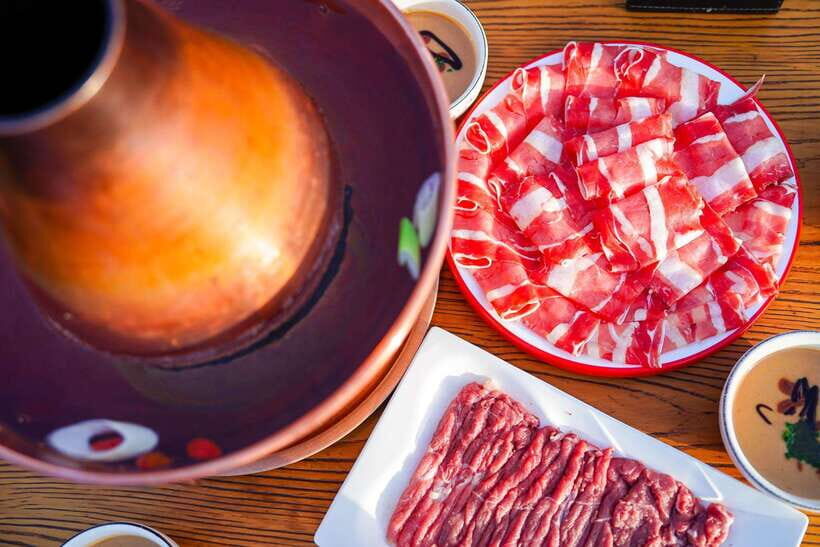
One of the best parts of the evening is the hotpot stop. You’ll get Beijing hotpot served in traditional copper pots with a clear broth that’s meant to highlight the quality of the ingredients. Then come the proteins: thin slices of mutton and beef that cook quickly in the pot.
Here’s why this stop lands so well in practice. Hotpot is interactive. You’re not just eating a dish; you’re part of the cooking rhythm. Dip, swirl, wait a moment, then eat hot. It’s a fun way to experience local flavors without feeling like you’re stuck reading menus.
The sauce is also part of the story. Expect a sesame-paste-based sauce, which helps the meat taste clean and savory instead of heavy. And the best timing trick: you pair the first hot bites with your drink. You’ll grab a pint of locally brewed craft beer, and the tour also includes unlimited beer and sodas across the evening.
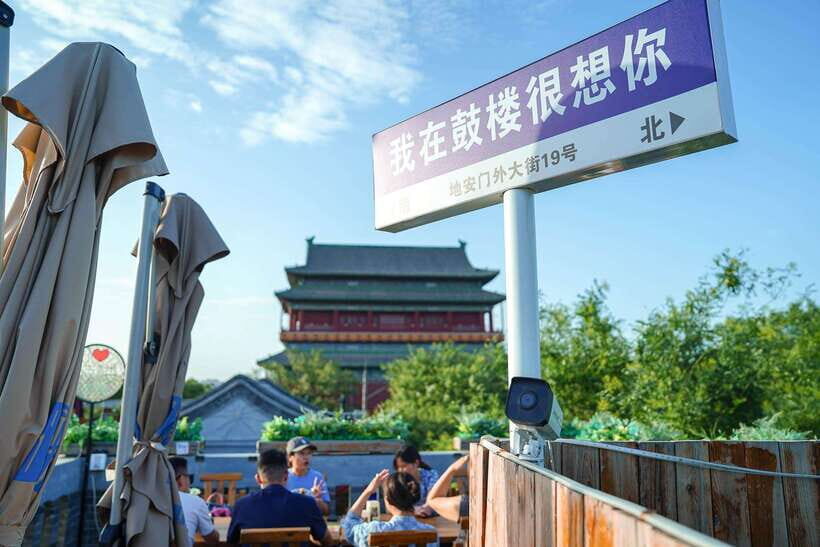
There’s also a view element. This spot offers rooftop-style sightlines, including a bell tower view and a summer-feel scene. Even if you’re not a scenery person, it changes the mood from “dark alley dining” to “Beijing night above the lanes.”
Beijing noodles in a hole-in-the-wall courtyard
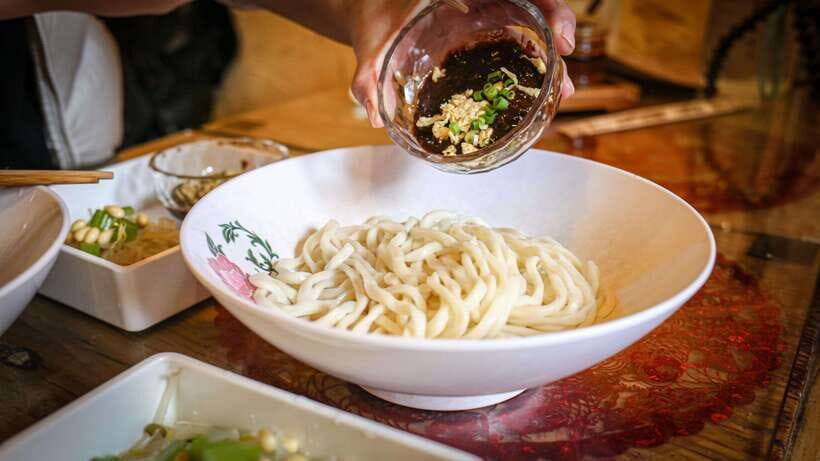
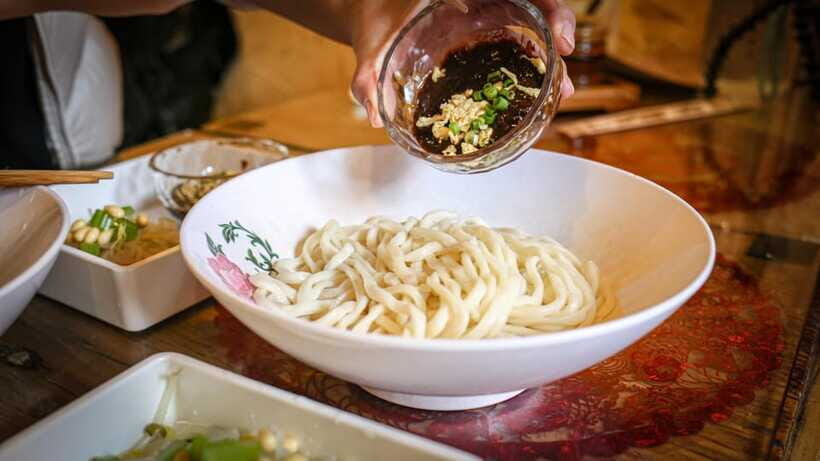
After hotpot, the next meal is a classic that locals treat like common sense. When Beijingers want noodles, they think of one dish first. In this case, you’ll be trying the restaurant’s take on Beijing noodles, with the house serving them from a made-from-scratch approach.
The venue matters here. You’ll eat in a hole-in-the-wall noodle house deep inside a hutong courtyard. That courtyard setting is a clue that this isn’t built for tourists. It’s built for regulars who know exactly what to order and don’t need a laminated explanation.
What you should pay attention to at this stop:
- The freshness and texture of the noodles.
- How the dish tastes with the surrounding flavors and sauces your guide explains.
- The fact that “Beijing noodles” isn’t just a description—it’s a local identity.
This is also one of the stops where a good guide makes the meal easier to enjoy. You’re not decoding a confusing menu—you’re learning what makes the dish the dish.
A rare Muslim dish tied to Empress Cixi
This is the “only in Beijing” moment. You’ll be at a Muslim diner in a hutong setting where the regulars are mostly neighborhood men. The alcohol—baijiu—is kept behind the counter. It’s the kind of detail that tells you you’re in a lived-in spot, not a themed restaurant.
The specialty itself is described as an endangered Beijing Muslim dish, served at this eatery, and it was known as a favorite of Empress Cixi. Since it’s called out as rare, it’s also likely to be one of those dishes you won’t see on every menu you pass.
A practical way to approach this stop: think of it as a chance to taste a specific piece of local food history rather than chasing a flavor profile you can predict. The value here is context. Your guide can explain why the dish is tied to the neighborhood and the long arc of Beijing cuisine.
If you’re sensitive to strong flavors, alcohol-adjacent vibes, or you’re unsure how spice levels might feel, you should say it upfront when booking. The tour notes that you should advise dietary requirements.
You can also read our reviews of more tours and experiences in Beijing

Spring pancakes year-round: family reunion in a wrap
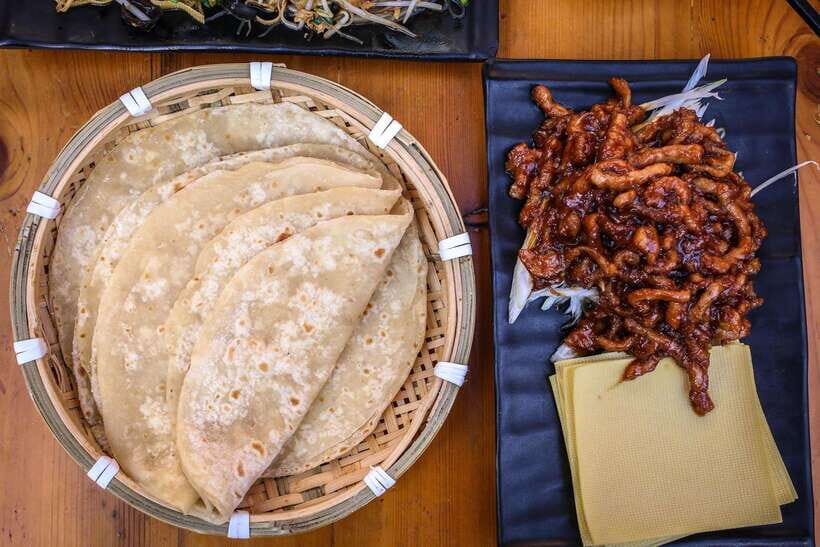
The last food stop is spring pancakes, served by a husband-wife team in their hidden neighborhood restaurant. The dish is traditionally enjoyed with family around Chinese New Year to mark the arrival of spring and a good harvest.
What I like about spring pancakes as a closing course is the format. They’re made fresh to order, then eaten in a way that’s described as like a burrito. That makes them easy to share, easy to eat, and satisfying without being a heavy final gut-bomb.
It also carries meaning. Spring pancakes symbolize reunion and togetherness. On a food tour, meaning matters—because it tells you why locals keep the tradition alive. You’re not just tasting dough and filling. You’re tasting a social habit that shows up at the same time of year, again and again.
And the fact it’s available year-round helps you enjoy that tradition even if you’re not in Beijing during Chinese New Year.
Price and value: what $75 covers in real eating terms
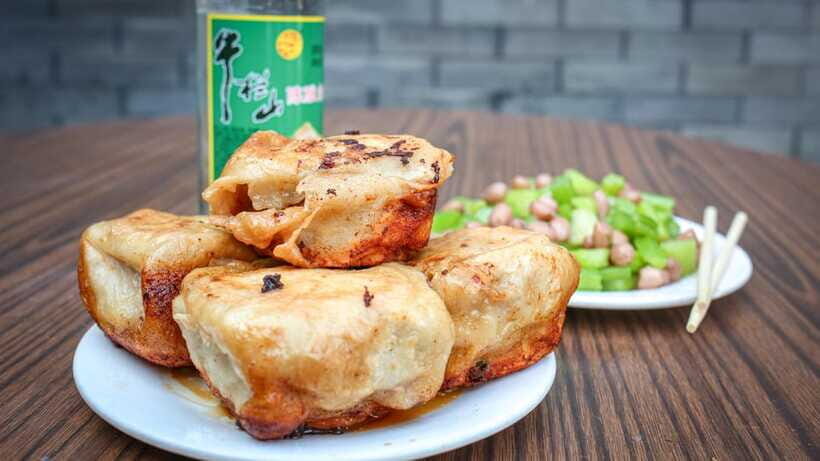
At $75 per person, this isn’t a bargain-food-only tour. You’re paying for four guided tastings (equivalent to dinner), plus one pint of locally brewed craft beer and unlimited beer and sodas.
Here’s how I’d judge the value:
- Four restaurant stops in a compact 3.5-hour window saves you time and reduces the risk of wasting dinner on the wrong place.
- Hotpot + beer is the kind of meal that can run more than you’d expect if you tried to assemble it yourself in hutong areas.
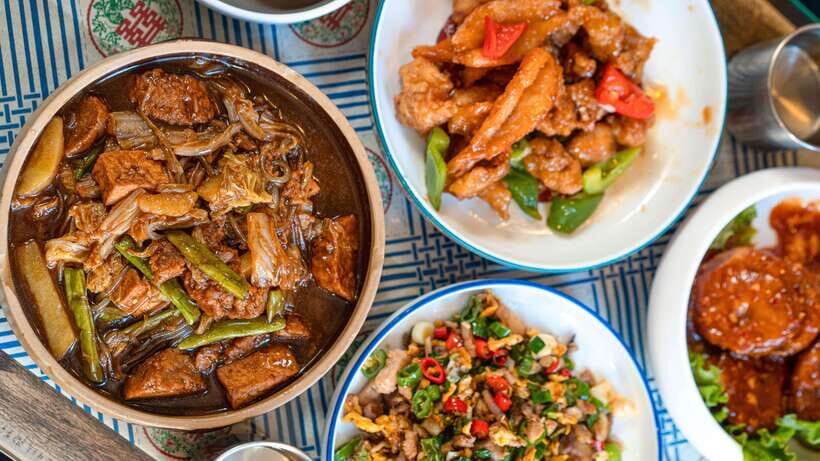
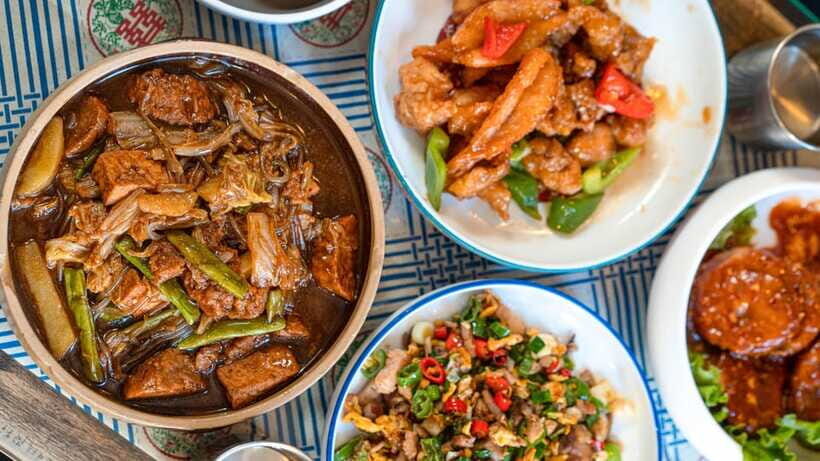
- Noodles in a specific courtyard location, plus a rare Empress Cixi-linked Muslim specialty, plus spring pancakes—this is variety you can’t easily reproduce with casual browsing.
So if you want Beijing food without spending the evening figuring out where to go, $75 starts to look reasonable. If you’re the type who only wants one dish and one drink, it might feel like more than you need.
How the guide shapes the whole night
The tour is guided in English. In recent bookings, guides like Janice, Tony, Haitao, and Winnie show up in confirmations and comments, and they’re repeatedly praised for making the walking parts as useful as the eating.
You’ll get the basics: what the dish is, how it’s served, and how it connects to the neighborhood. But what makes the night better is the tone. The best guides keep it relaxed and let you ask small questions without turning it into an interview.
It also helps that the tour often feels well-paced—packed with food, but not rushed. That matters, because you’re eating multiple courses while walking through tight spaces.
Smart tips so the evening feels easy
Come hungry, but not reckless. Hotpot and beer can build fast once the food starts arriving. A few practical tips:
- Wear comfortable shoes for narrow lanes.
- Bring a light layer. The tour operates in all weather.
- Tell the guide about dietary limits when booking. The tour explicitly asks for this.
- Pace yourself at hotpot so you still enjoy the noodles and pancakes.
- If you need help finding the meeting point, line 8 to Shichahai is the easiest plan, but allow a little extra time around the area.
One more small reality check: the tour can adjust based on daily vendor operations and availability. That means you might see slight changes in which exact place is used for a stop, but the overall food focus should stay the same.
Should you book this Beijing hutong food tour?
Book it if you want an evening that feels local fast—hutong walking plus real food stops, not just photos and a quick bite. The mix of hotpot, Beijing noodles, a rare Muslim specialty tied to Empress Cixi, and spring pancakes gives you a wider snapshot of Beijing cuisine than most single-restaurant plans.
Skip it if walking distances through hutong lanes will be a problem for you, or if you prefer quiet, sit-down dining only. Also consider choosing something else if you don’t drink and you’re not interested in unlimited beer and sodas; while there are sodas, the tour’s drink energy is part of the overall design.
If you’re going for your first taste of Beijing’s food culture, this is the kind of tour that helps you get your bearings fast—and gives you dishes that are harder to chase on your own.
FAQ
What time does the tour start, and how long is it?
It starts at 6:30 PM and runs for 3.5 hours.
Where do I meet the guide?
Meet at Shichahai Subway Station, Exit C, street level. The guide is outside the exit upstairs.
Is subway the recommended way to get there?
Yes. The tour strongly recommends using the subway, specifically Line 8 to Shichahai Station, then following signs to Exit C.
How much walking is involved?
The tour includes about 1.5 miles (2.5 km) of walking through hutong alleyways.
What food and drinks are included?
You get 4 food stops with tastings (equivalent to dinner), a pint of locally brewed craft beer, plus unlimited beer and sodas.
Can the tour accommodate dietary requirements?
You should advise of any dietary requirements when booking.
Does the tour run in bad weather?
Yes. It operates in all weather conditions, so dress appropriately.
Is it suitable for mobility impairments?
No. The tour is not suitable for people with mobility impairments.
What if the tour cancels due to minimum group size?
There must be a minimum number of 2 people for the tour to operate. If it doesn’t meet the minimum after confirmation, you’ll be offered an alternative date or a full refund.
If you tell me your travel dates and any food/drink preferences (for example, spicy tolerance or no alcohol), I can suggest how to pace the hotpot stop so the whole 3.5 hours stays comfortable.