REVIEW · BEIJING
Chinese Kung Fu Experience Class in Beijing
Book on GetYourGuide →Operated by Beijing Sanfeng Tai Chi Club · Bookable on GetYourGuide
Chinese Kung Fu comes to life faster than you expect. This 1.5-hour class is one of the better ways to understand Kung Fu as more than movie moves, taught by Master Eric with a patient style and an easy pace. I especially liked the Temple of Heaven setting for training (calm gardens, great vibe) and the clear English support from the instructor. One possible drawback: you’ll be hit as part of training sometimes, and the class experience can include unexpected contact if you aren’t told what’s coming.
If you’ve been curious about Kung Fu but not ready for a gym-style fight workout, this is a practical first step. You’ll learn basic skills like stances, kicks, punches, plus a structured five-stance fist form, along with joint-locking and self-defense basics. Just come with comfortable clothes and a mindset that this is technique practice, not a brawl.
In This Review
- Key things I’d circle before you go
- Temple of Heaven Kung Fu: why this setting matters
- Price and what $68 really buys you
- Getting there: Temple of Heaven east gate meet-up, step by step
- What happens in the 90 minutes: stances to form to locks
- 1) Basic Kung Fu training: your foundation
- 2) The five-stance fist form
- 3) Joint-locking techniques
- 4) Self-defense techniques
- Learning in English (and why that changes everything)
- The contact question: what to expect about punches
- Who this fits best (and who should skip it)
- What to wear and how to show up ready
- How it compares to typical Beijing activities
- Should you book the Chinese Kung Fu Experience in Beijing?
- FAQ
- How long is the Chinese Kung Fu experience class?
- Where is the meeting point?
- Which subway line should I take?
- Is the class taught in English?
- What will I learn during the class?
- Is this experience private or group-based?
- What should I bring?
- Is it suitable for everyone?
- What’s included in the price?
- Is free cancellation available?
Key things I’d circle before you go
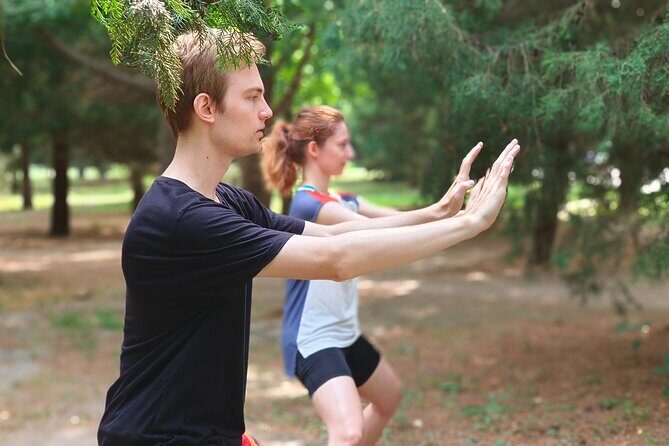
- Master Eric’s patient, encouraging teaching makes beginners feel safe to try.
- Temple of Heaven gardens turn a workout into a cultural moment.
- English + Chinese instruction helps you learn the why, not just the what.
- You practice a whole basic form, not just random moves.
- Joint-locking and self-defense basics are taught in a controlled way.
- Private-group pacing means your questions don’t get lost in the shuffle.
Temple of Heaven Kung Fu: why this setting matters
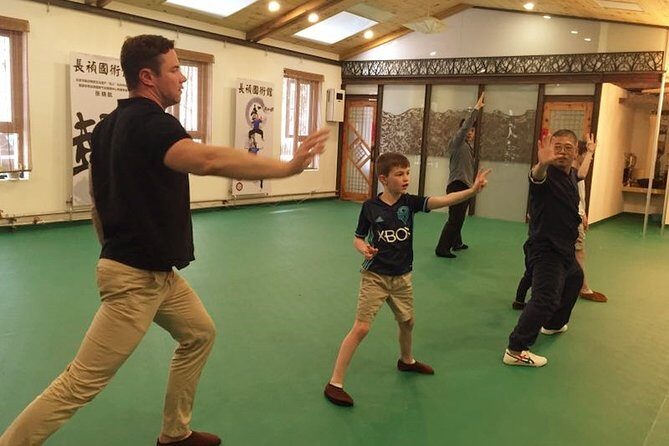
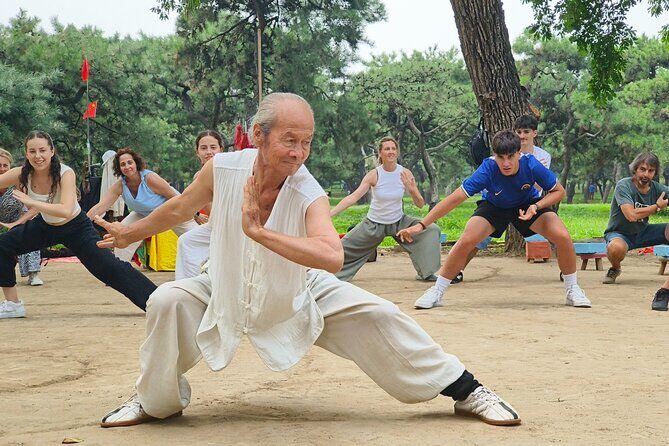
Beijing can feel like nonstop motion. This class slows that down on purpose. Meeting at the Temple of Heaven east gate places you right where locals come to practice, stretch, and move. Even if you don’t know the theory, you can feel the difference between doing Kung Fu in a wide-open park versus inside a noisy studio.
The best part is that the space supports the spirit of Kung Fu as traditional practice. In Chinese culture, Kung Fu isn’t only offense and defense. It’s also body building, moral cultivation, and aesthetic appreciation. That last piece is easy to miss when you only watch fight scenes, but you notice it when your teacher keeps bringing you back to balance, posture, and controlled motion.
You should expect the class to feel like a guided fundamentals session. You’re learning to stand correctly, move with intention, and connect the motions into a simple form. The goal isn’t to turn you into a martial artist in 90 minutes. The goal is to leave you with something you can practice again later.
You can also read our reviews of more tours and experiences in Beijing

Price and what $68 really buys you
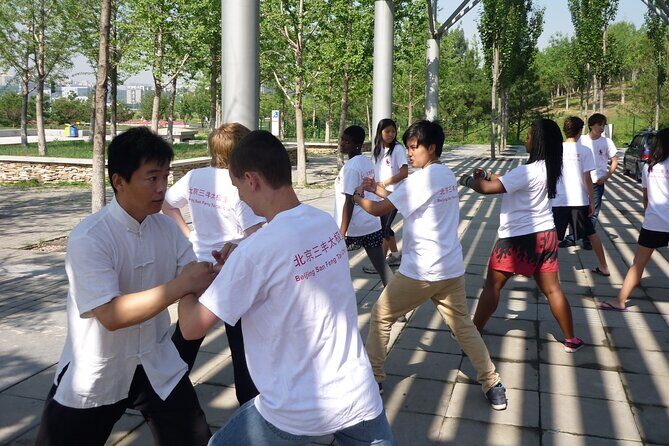
At $68 per person for a 1.5-hour session, you’re paying for a structured coaching experience with an English-speaking instructor, not just a place to try a few moves. The value is strongest if you want real instruction you can understand, plus a defined set of techniques.
Also note what isn’t included. Transportation, food and drinks, and “gratitude” (tips) are not part of the price. That’s normal for activities, but it matters for planning. I’d budget time to get there on your own and grab something simple before or after, especially if your schedule has you in and out of the Temple of Heaven area.
If you’re deciding between a cheaper class with vague guidance and this one, the key difference is clarity and completeness. You’re not just copying arm motions. You’re learning a set of basics (stances, kicks, punches), practicing a five-stance fist form, and getting exposure to joint-locking and self-defense techniques.
Getting there: Temple of Heaven east gate meet-up, step by step
You’ll meet at the ticket office of Temple of Heaven east gate (天坛东门售票处). The location is easy to navigate once you know the subway stop.
Here’s the straightforward route:
- Take subway line 5
- Get off at Tian Tan Dong Men Station
- Walk out from Exit A
- The east gate is about 50 meters away
Because the class is only 1.5 hours, being on time helps. You don’t want to spend half the experience figuring out where the group is. If you’re arriving during a busy time of day, give yourself a few extra minutes to orient and settle in.
What happens in the 90 minutes: stances to form to locks
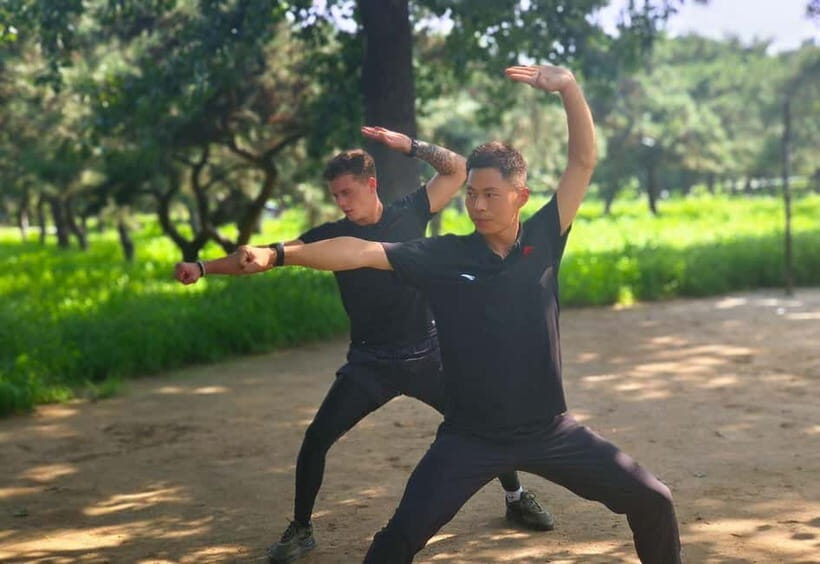
This class is built like a ladder. Each step sets up the next, so you’re not just doing isolated moves.
1) Basic Kung Fu training: your foundation
You’ll start with fundamentals:
- Stances
- Kicks
- Punches
Even if you’ve tried martial arts before, this is useful because Kung Fu stances are about stability and alignment. The difference can be subtle: where you put your weight matters as much as how fast you move. Expect your instructor to guide your posture and help you correct common beginner habits.



2) The five-stance fist form
Next comes the Kung Fu five stance fist form. This is a big deal for a short class. A form gives you a “script” you can practice later. Instead of forgetting a random sequence, you’ll remember a structured flow.
In practice, you’ll learn how the stances connect and how the fists move within the pattern. If you’re the type who likes memorizing steps, this part will click quickly.
3) Joint-locking techniques
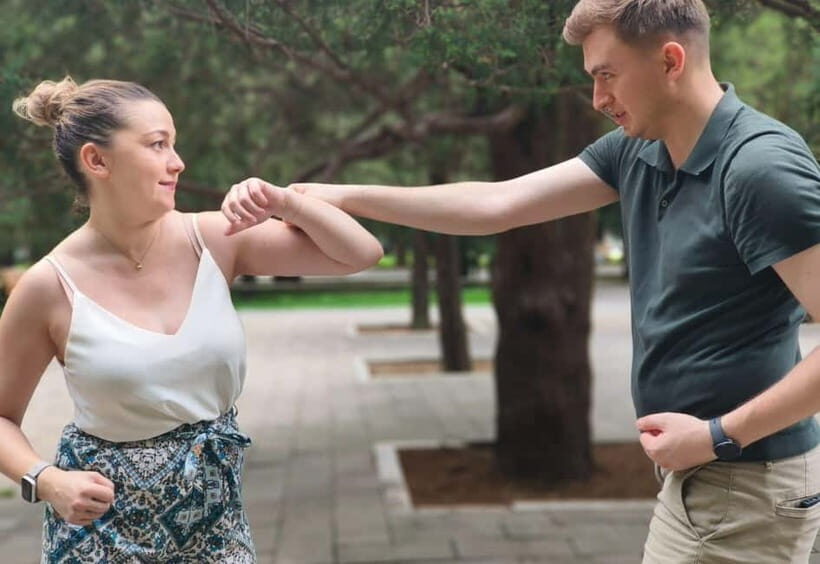
Then you shift from big, obvious power moves to something more technical: joint-locking techniques. This kind of practice teaches control and positioning. It’s also where good teaching matters, because the difference between training and injuring someone is communication and controlled application.
From the class experience reports, you’ll likely work at your own pace, with encouragement and an instructor who stays patient and attentive.
4) Self-defense techniques
You’ll wrap up with self-defend techniques. The word self-defense can sound intense, but the real value here is learning the basic idea: how to respond using position, timing, and leverage rather than just brute strength.
If you’ve never done any self-defense training, this segment is the one that helps you connect the form and stances to real-world movement logic.
Learning in English (and why that changes everything)
The instructor supports English and Chinese, and the class is designed with an English-speaking approach. That matters more than it sounds.
When you understand even a little of what the teacher is aiming for, you stop guessing. You start training with purpose. Instead of copying a motion, you can adjust it to match the intent: balance, control, and safe, repeatable technique.
The private-group setup also helps. If your brain needs a second to process an explanation, you get that time. This is especially good if you’re training with kids, older family members, or anyone who learns better by asking questions.
The contact question: what to expect about punches
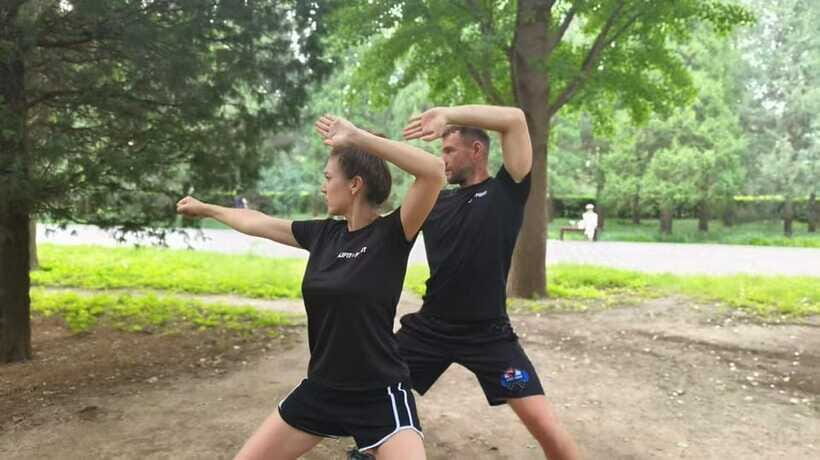
One point worth taking seriously: in one class experience, the instructor demonstrated a punch with very little warning. The person doing the demo handled it fine since they train, but the moment highlights a practical issue: you may experience contact during certain demonstrations.
That doesn’t mean the class is unsafe or reckless. It means you should be proactive. If you’re sensitive to impact, tell the instructor right at the start that you want clear warning before any contact. You can also ask how hard demonstrations will be and whether you can do a lighter version.
For most people, the class is still a fun, confidence-building introduction. But good communication helps you enjoy it without surprises.
Who this fits best (and who should skip it)
This class is a solid pick for:
- First-timers who want a structured introduction to Kung Fu
- People who want English support while learning traditional movement
- Anyone who likes a clear routine, like learning a basic form and practicing it step by step
- Families, since reports mention kids learning the same core basics (with the instructor guiding and encouraging)
It’s not suitable for pregnant women, based on the provided information.
Also, it’s best if you’re comfortable doing physical practice for 1.5 hours. You don’t need prior training, but you do need the ability to move, stand, and follow technique corrections.
What to wear and how to show up ready
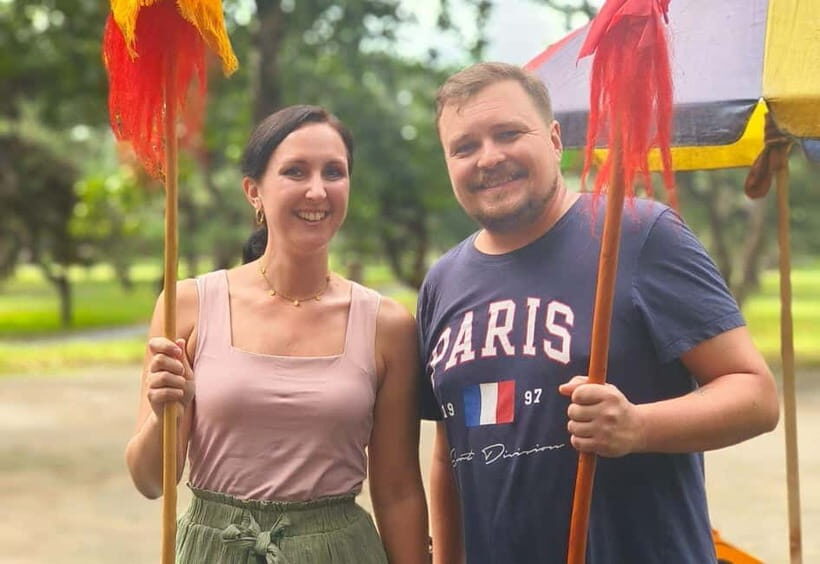
You’ll want comfortable clothes. That sounds simple, but it’s important. Kung Fu training needs freedom of movement and stable footing, especially when practicing stances and kicks.
I’d also treat the session like a real practice workout:
- Eat something light ahead if you need energy
- Plan for getting to the meeting point early enough to settle in
- Bring a calm, patient mindset. You’re learning body mechanics, not collecting trophies
Food and drinks aren’t included, so you’ll likely want to plan your next meal after class rather than assume you can grab something during the session.
How it compares to typical Beijing activities
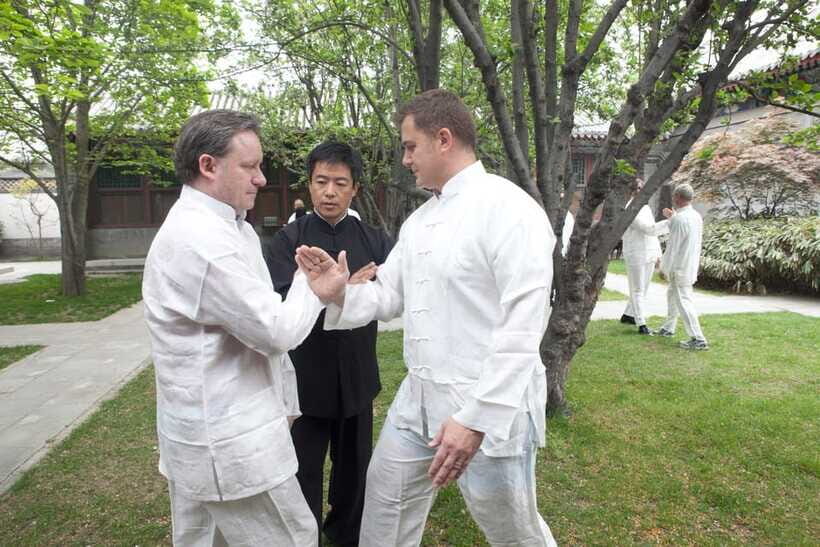
Beijing is full of cultural experiences. Some are passive. Others are active but chaotic. This one lands in the middle: you’re active, but guided. You’re doing real technique practice in a real traditional setting.
What makes it feel authentic is the combination of:
- A traditional focus (Kung Fu as practice, not just fighting)
- A respected location (Temple of Heaven area)
- A teacher who brings structure (basics, form, joint techniques, self-defense)
If you want your Beijing trip to include more than sightseeing photos, this gives you a skill and a story you can keep.
Should you book the Chinese Kung Fu Experience in Beijing?
Book it if you want a beginner-friendly, coached introduction that includes a real basic form, plus joint-locking and self-defense exposure, all taught in English support at a classic Beijing location. The private-group format and patient instruction style make it easier to learn without feeling rushed.
Skip it if you’re looking for a purely sightseeing activity, or if contact during demonstrations would be a dealbreaker and you can’t communicate your preferences. And if you’re pregnant, the class isn’t suitable based on the activity information.
If you like training with clear steps, enjoy learning cultural practices through your body, and want an experience that feels genuinely different from the usual tour circuit, this is a strong choice.
FAQ
How long is the Chinese Kung Fu experience class?
It lasts 1.5 hours.
Where is the meeting point?
Meet at the ticket office of the Temple of Heaven east gate (天坛东门售票处).
Which subway line should I take?
Take subway line 5, get off at Tian Tan Dong Men Station, and then walk out at Exit A. The east gate is about 50 meters away.
Is the class taught in English?
Yes. The instructor uses English and Chinese.
What will I learn during the class?
You’ll practice basic training like stances, kicks, and punches, learn a five-stance fist form, and cover joint-locking techniques and self-defend techniques.
Is this experience private or group-based?
It’s listed as a private group.
What should I bring?
Wear comfortable clothes.
Is it suitable for everyone?
It is not suitable for pregnant women.
What’s included in the price?
The Kungfu class fee is included.
Is free cancellation available?
Yes. You can cancel up to 24 hours in advance for a full refund.