REVIEW · BEIJING
Beijing Calligraphy Class
Book on GetYourGuide →Operated by Hutong Calligraphy · Bookable on GetYourGuide
Brush strokes, calm focus, and real Chinese meaning. This downtown Beijing class turns a short session into a hands-on way to understand 30–60 minutes of calligraphy practice guided by an English instructor.
I especially like the step-by-step feel, with brush control taught through simple strokes first, then into fuller characters. I also like the cultural thread: your teacher explains balance, rhythm, harmony, and the meaning behind the characters you write.
The main thing to consider is time pressure if you book the 30-minute option. You can still leave with a finished piece, but the teaching gets tighter, so first-timers usually enjoy the 1-hour class more.
In This Review
- Key highlights to look for
- Sun World Dynasty Hotel Lobby and how to get there fast
- What you learn: strokes, scripts, and character meaning
- Tools you use: brush, ink stone, and rice paper
- The 30-minute versus 1-hour booking choice
- What happens during class: from warm-up to a finished piece
- The tone: mindful practice, tea breaks, and patience
- English instruction that keeps you from feeling lost
- Price and value: why $20 can be a fair deal in Beijing
- Who should book this Beijing calligraphy class
- Should you book? My practical recommendation
- FAQ
- How long is the Beijing calligraphy class?
- Where do I meet the teacher?
- Is the instructor English-speaking?
- What calligraphy styles will I learn?
- Are calligraphy supplies included?
- Is this class good for kids?
- How do I get there by subway?
- What’s the price per person?
- Can I cancel and can I pay later?
Key highlights to look for
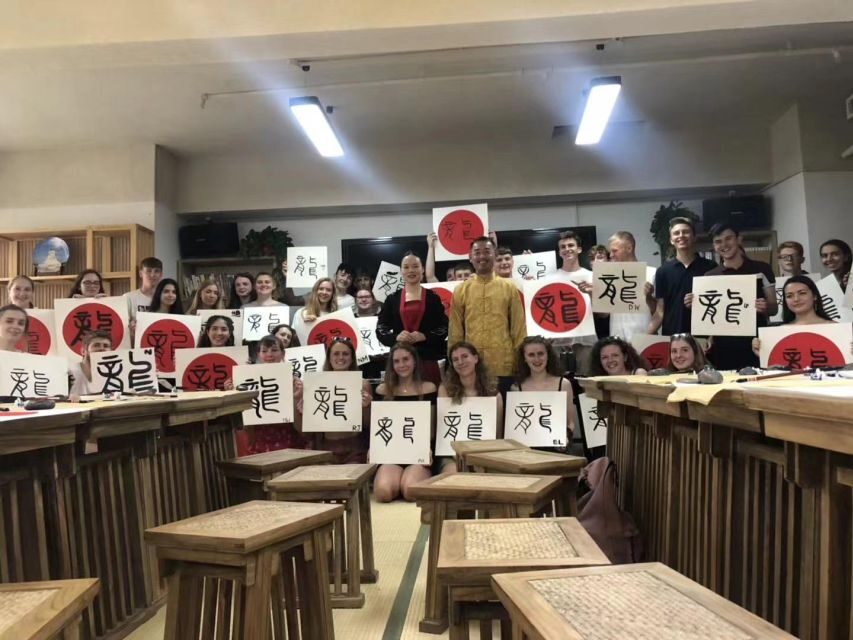
- Downtown meeting at Sun World Dynasty Hotel Lobby, easy to plug into a Wangfujing day
- English instruction with patient guidance on technique and corrections
- Learn multiple calligraphy styles: regular, running, cursive, and seat script
- Tools included (brushes, ink stone, rice paper) so you can focus on writing
- Mindful, relaxing practice that turns repetition into calm
Sun World Dynasty Hotel Lobby and how to get there fast
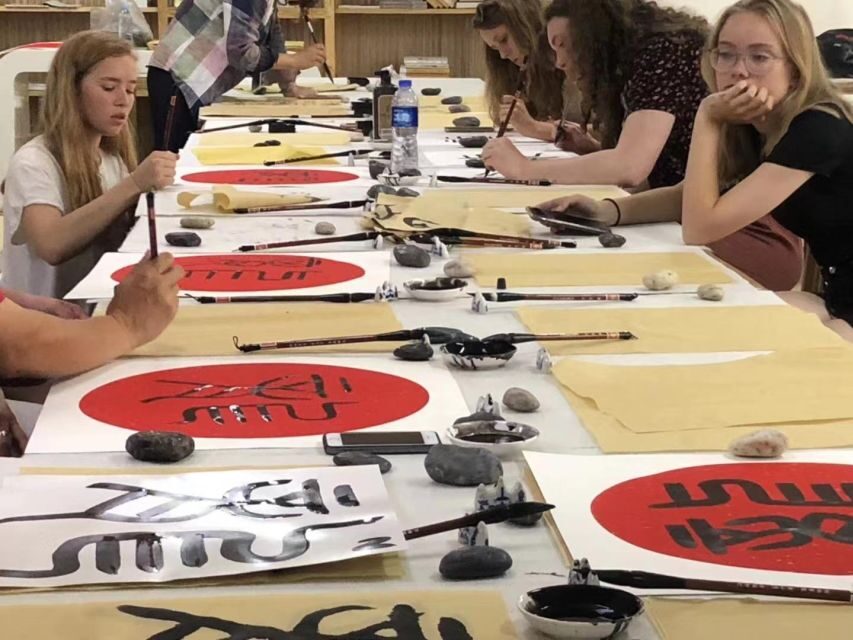
Your class starts with a simple meet-up: your English-speaking teacher waits for you at the Sun World Dynasty Hotel Lobby. The address is No.50 Wangfujing Avenue, Dong Cheng District, Beijing, China (北京天伦王朝酒店大厅地址:北京市东城区王府井大街50号). It’s a convenient location if you’re already doing shopping and sightseeing around Wangfujing.
Getting there is straightforward. If you’re using public transit, take Subway Line 5 and get off at Deng Shi Kou Station (灯市口出口A). From Exit A, walk about two minutes toward the left at street level (around 180 meters). Then turn left at the first traffic light and continue west for about five minutes (around 480 meters). Overall, plan on roughly 8 minutes on foot.
If you’re staying near Wangfujing, you might simply walk over. Either way, aim to arrive a few minutes early. This class works best when you’re not rushing to get seated, pick up the brush, and start concentrating.
You can also read our reviews of more tours and experiences in Beijing


What you learn: strokes, scripts, and character meaning
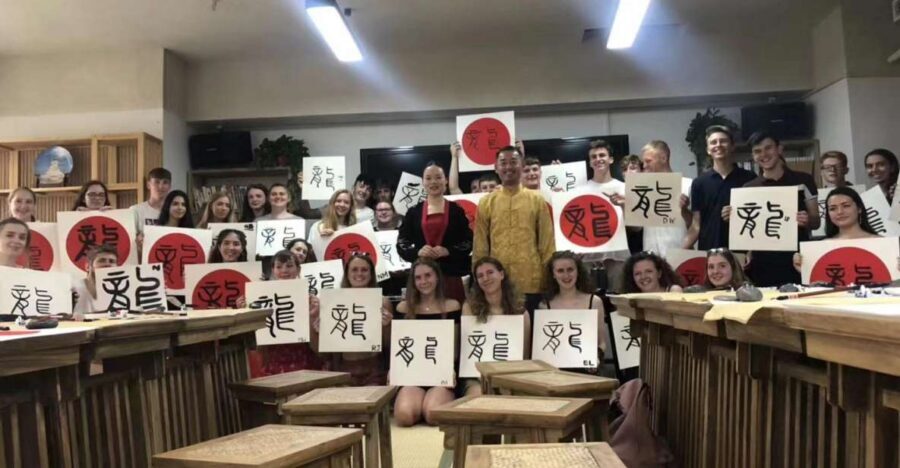
The class doesn’t treat calligraphy like a random craft project. It starts with an intro to the history and significance of calligraphy in Chinese culture, then connects that context to what you actually do with your brush.
You’ll learn (and practice) different calligraphy styles, including:
- regular script
- running script
- cursive script
- seat script
That variety matters because each style has a different feel on the page. Regular script often looks more structured. Running and cursive styles tend to feel looser and more fluid. Practicing them in one session helps you notice the difference between control and movement.
Your teacher also builds the lesson around the fundamentals that make calligraphy look right, not just legible. You’ll work on balance, rhythm, and harmony in the strokes, plus the cultural meaning behind certain characters. That last part is what makes your writing feel more purposeful. Instead of copying a symbol, you’re understanding why that character matters and how it’s meant to be formed.
A big theme in the classroom atmosphere is tranquility. Expect a calm pace where your focus narrows to ink, brush angle, and spacing. It’s the kind of activity where silence can be part of the experience.
Tools you use: brush, ink stone, and rice paper
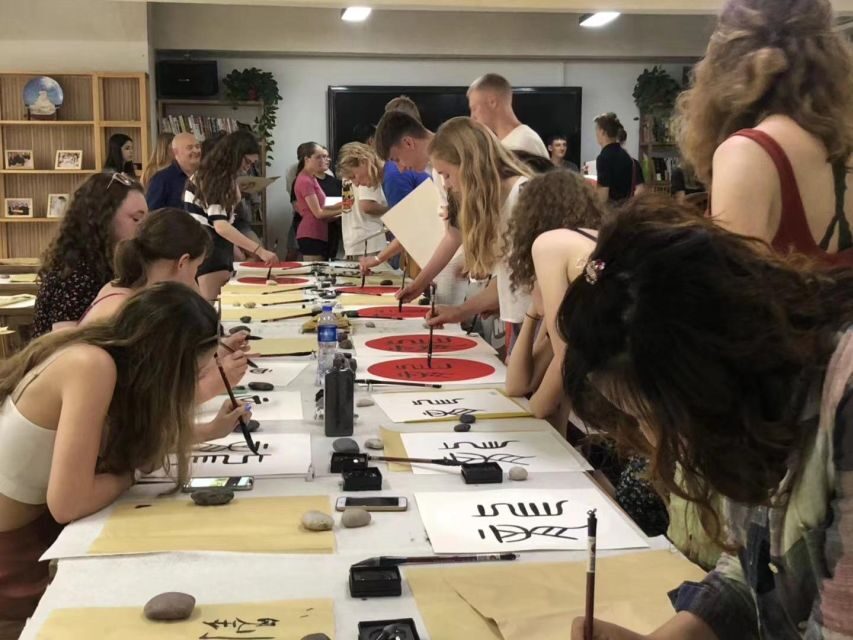
One reason this class works well for beginners: you don’t have to bring supplies or guess what they do. The course includes the tools you need to write, including brushes, ink stones, and rice paper.
You’ll likely begin with the basics of handling the brush—how to hold it, how to guide the tip, and how to control pressure so the line isn’t wobbling or breaking. At first, your goal is clean strokes. Later, you’ll combine those strokes into more complete compositions, where spacing and proportions start to matter.
Your teacher’s role here is practical and hands-on. You can expect guidance on adjustments to your hand and technique. That support is a big deal because calligraphy has a learning curve that you can’t fully fix just by watching someone once.
Also, because everything is provided, you can treat this as a true experience, not a DIY shopping mission. If you’re trying to keep your Beijing days simple, that matters.
The 30-minute versus 1-hour booking choice
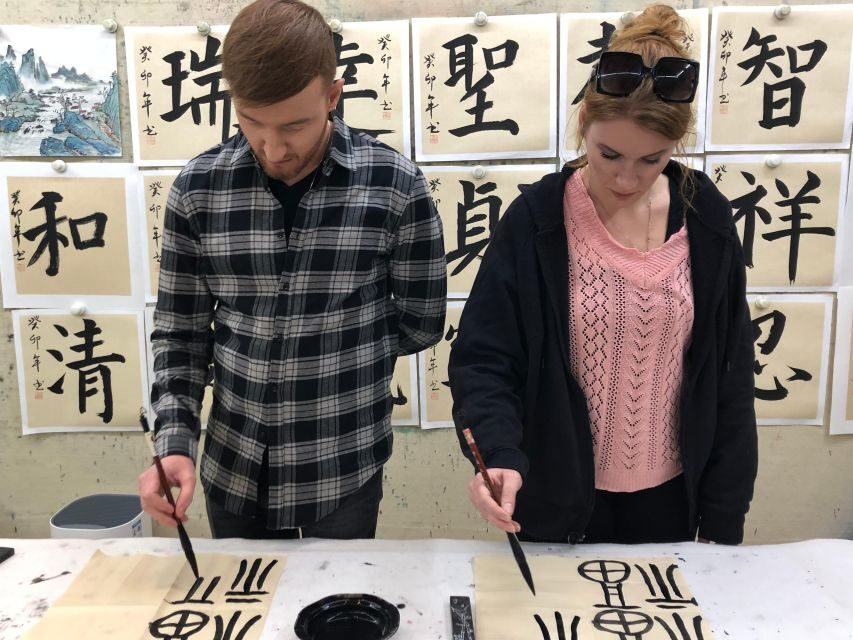
This class gives you two time options: 30 minutes or 1 hour. You choose when booking, and it changes what you can practice and how much feedback you receive.
If you’re short on time, the 30-minute class is still worthwhile. You’ll get the core structure: introduction, tools, stroke practice, and a chance to create a final piece. But the clock is real. In less time, the teacher has less room for extra corrections and extra attempts.
I’d usually steer first-timers toward the 1-hour option. There’s enough time to slow down, repeat strokes, and get your brushwork steadier. One common pattern in the experience is that people feel they learn more when they have time for refinement instead of rushing from basics straight into a finished composition.
This choice also depends on your mood. Want a quick cultural reset between busier sightseeing blocks? Go 30 minutes. Want that more meditative, practice-heavy feel? Go 1 hour.
What happens during class: from warm-up to a finished piece
Most sessions follow a predictable rhythm, and that predictability is comforting when you’re learning something new.
You’ll start with a warm welcome at the studio area and a short talk about why calligraphy matters. Then the teacher introduces the key styles and the tools, so you know what you’re holding and why it matters.
Next comes the real practice: from simple strokes to more structured compositions. You’ll focus on:
- consistent stroke direction
- controlled pressure
- spacing and proportions
- rhythm in the flow between strokes
As you practice, the teacher helps you adjust in the moment so your work improves. The goal isn’t perfection. The goal is learning how to steer the brush so the character starts looking like a character, not a cluster of random lines.
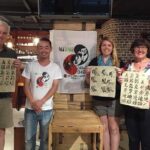
By the end, you create a finished piece. In past sessions, people have left with their artwork and writing, and some have reported extra items like a pencil or packaged materials. You may also write a character used in cultural greetings such as fu, depending on what the class theme is.




The tone: mindful practice, tea breaks, and patience
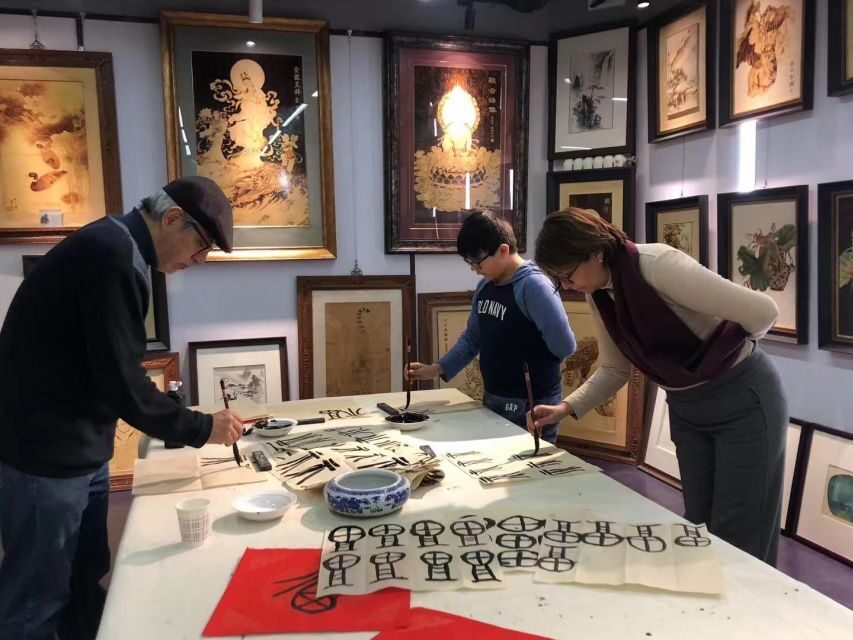
Calligraphy can be technical, but this class leans toward calm. Many participants describe the experience as relaxing and mindful, the kind of activity that feels like a mental pause from fast-moving travel days.
You’ll also see that in the way the teacher teaches. The vibe is patient and encouraging, with practical adjustments instead of vague advice. That matters for kids and adults alike, because calligraphy rewards focus, not talent.
A small but memorable detail: tea. Several participants describe being offered tea and sometimes light snacks as part of the calm atmosphere. You don’t need to expect a full meal, but you can expect the class to feel more like a quiet workshop than a rushed lesson.
Finally, the teacher’s flexibility can help. People have mentioned timing flexibility, which is useful if your Beijing day runs late due to traffic or subway connections.
English instruction that keeps you from feeling lost
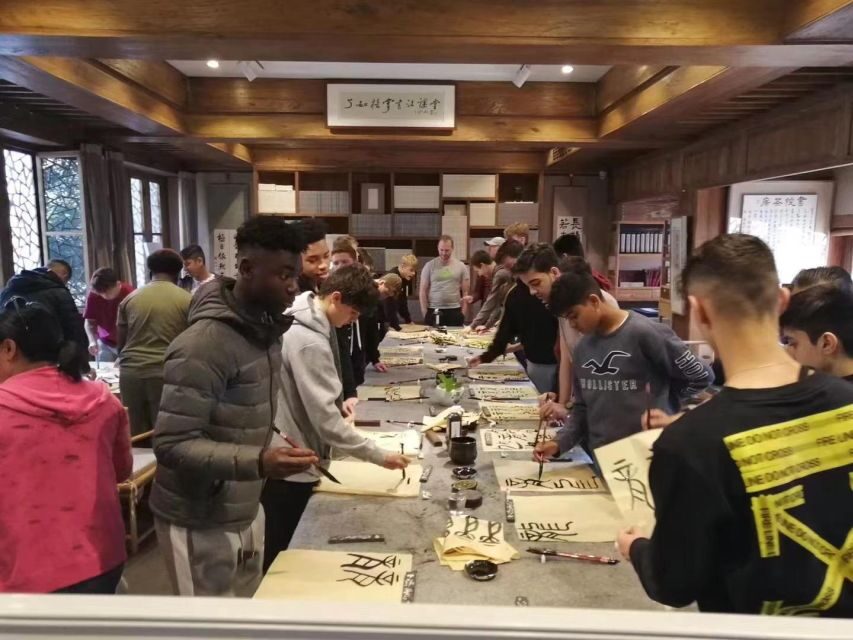
You’re not learning calligraphy in a “figure it out” way. Instruction is English, and the teacher explains characters and techniques clearly.
That clarity helps in two ways. First, you understand what you’re doing while you’re doing it. Second, you don’t get stuck wondering whether your brush angle or spacing is the problem, since you get direct corrections.
In past sessions, teachers have been named as Richard, David, and Li, which suggests the class uses English-speaking instructors with real teaching experience. The exact teacher may vary by date, but the teaching style described is consistent: patient, step-by-step, and focused on what to adjust next.
Price and value: why $20 can be a fair deal in Beijing
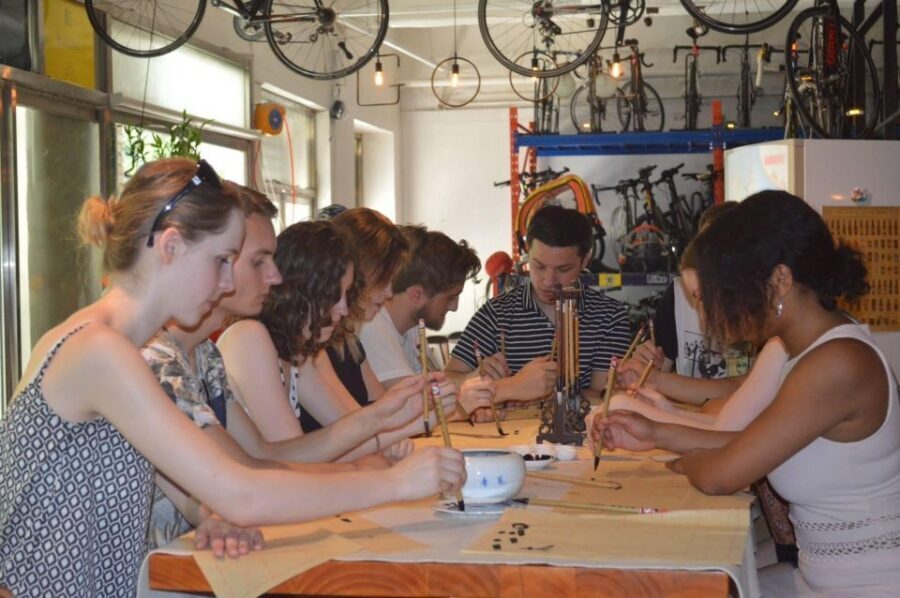
At $20 per person, the value comes from what’s included and what you gain besides a souvenir.
You get:
- an excellent art teacher
- a structured 30-minute or 1-hour session
- calligraphy supplies to use during the class
For a city where handmade experiences can get pricey fast, $20 feels reasonable because you’re paying for instruction, materials, and time. You’re also buying something you’ll use in your memory: a written character you made with guidance, plus the cultural meaning behind it.
The 30-minute option is the budget-friendly pick. The 1-hour option is the “I want more practice and more feedback” pick. Either way, you’re not just watching. You’re doing the strokes yourself.
Also consider what you’d otherwise spend. If you’re already paying for tours and museum tickets, this class can work like a change of pace. It’s calmer, smaller, and more personal.
Who should book this Beijing calligraphy class
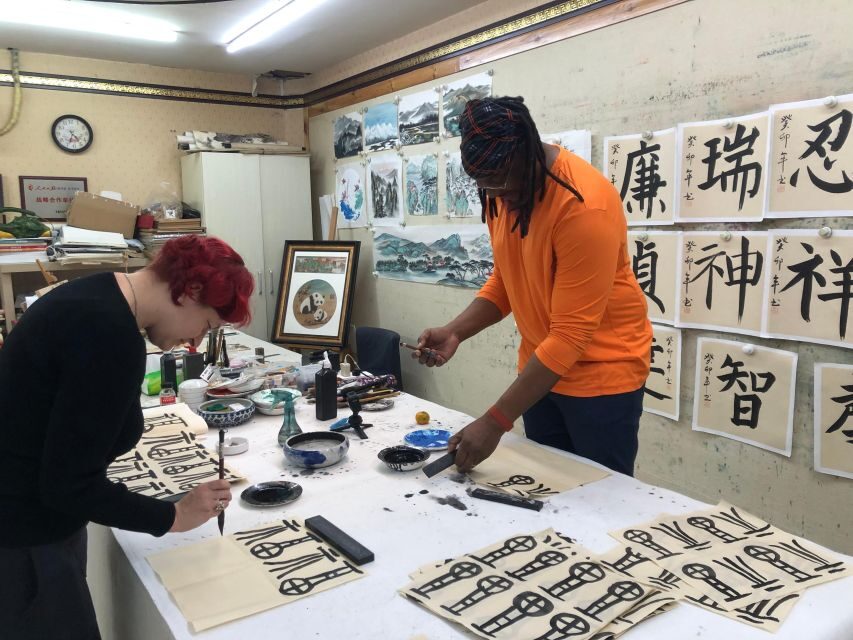
I think this is a great fit if you want a hands-on art moment that also explains culture. It’s especially good if you:
- like quiet activities during travel
- want something interactive beyond photos
- enjoy learning about how everyday symbols work
- travel with kids, since the class is described as fun for both adults and children
It’s also a solid choice for complete beginners. The whole structure is built from basics—strokes and fundamentals—then builds upward.
If you’re an experienced calligrapher, you might still enjoy the cultural context and the chance to practice a few styles, but the short time means you’ll likely treat it as an introduction or cultural workshop rather than an intensive training program.
Should you book? My practical recommendation
Book this class if you want a short, meaningful activity in central Beijing that teaches you more than just how to copy a character. The best reasons to choose it are the patient English instruction, the focus on stroke fundamentals, and the calm, mindful tone.
If you can spare the time, choose the 1-hour class. It gives you more room for practice and adjustments, and you’ll feel less rushed while building your final piece.
One last tip: wear comfortable sleeves. Calligraphy rewards steady wrist and forearm movement, and you’ll want to focus on control without fuss.
If you want a calm cultural break right in the middle of a busy day, this is an easy yes.
FAQ
How long is the Beijing calligraphy class?
You can choose a class length of either 30 minutes or 1 hour when you book.
Where do I meet the teacher?
Meet your teacher at the Sun World Dynasty Hotel Lobby at No.50 Wangfujing Avenue, Dong Cheng District, Beijing, China.
Is the instructor English-speaking?
Yes. The instructor teaches in English.
What calligraphy styles will I learn?
The class covers multiple styles, including regular script, running script, cursive script, and seat script.
Are calligraphy supplies included?
Yes. Calligraphy supplies to use during the class are included.
Is this class good for kids?
Yes. It’s described as a fun activity for both adults and kids.
How do I get there by subway?
Take Subway Line 5 and get off at Deng Shi Kou Station, Exit A (灯市口出口A). Walk about 8 minutes as described in the directions.
What’s the price per person?
The price is $20 per person.
Can I cancel and can I pay later?
Free cancellation is available up to 24 hours in advance for a full refund. You can also reserve and pay later to keep your plans flexible.