REVIEW · BEIJING
Beijing: Dumpling Making Workshop with Meal and Tea
Book on GetYourGuide →Operated by HAPPY PANDA TRAVEL AGENCY CO.,Ltd. · Bookable on GetYourGuide
Flour on your sleeves makes the culture lesson feel real. You’ll knead, fill, shape, and then eat what you make in a cozy, communal setting with tea.
I like two things a lot: the step-by-step instruction in English (hosts such as Leo, Janine, and Julie/Rachel are mentioned for patience), and the food keeps coming—tea pairing, beer, and extra local dishes alongside your dumplings.
One thing to think about: this experience is not suitable for people with food allergies, so don’t book if you need strict ingredient control.
H2 key points
- Hands-on dumpling skills: knead dough, craft fillings, and shape dumplings like locals
- More than folding: you’ll learn dumpling history and symbolism (including Lunar New Year traditions)
- Eat as you learn: dumplings plus other dishes, tea pairing, and sometimes beer
- A communal dinner vibe: you’ll share the table, not just your own plate
- English support: the instructor is English-speaking, and guidance is described as clear and patient
In This Review
- A 16:30 Dumpling Evening That Turns Food Into a Story
- Your 3-Hour Flow: From Dough to Dinner (No Guesswork)
- Step 1: Check in and get to work
- Step 2: Knead dough and prep dumpling components
- Step 3: Shape dumplings the practical way
- Step 4: Cooking the dumplings
- Step 5: Communal dinner with tea (and sometimes beer)
- Dumplings With Meaning: Lunar New Year, Symbols, and Regional Twists
- What You’ll Eat: Dumplings Plus Extra Plates, Tea, and Drinks
- Tea pairing that supports the meal
- Beer and more than dumplings
- Veg-friendly options can work out well
- Learning the Technique: Clear English, Patient Hands, Real Results
- Price and Value: Is $35 Worth It?
- Practical Stuff You’ll Want to Know Before You Go
- What to bring
- Timing and the meeting point
- What’s not allowed
- Who This Fits Best (And Who Should Skip It)
- Should You Book This Dumpling Making Workshop?
- FAQ
- How long is the dumpling making workshop?
- What time does it start?
- Where do I meet the guide?
- Is hotel pickup or drop-off included?
- Is the instructor English-speaking?
- Is the workshop suitable for people with food allergies?
- What’s included with the meal?
- What should I bring?
- Is there a cancellation option?
A 16:30 Dumpling Evening That Turns Food Into a Story
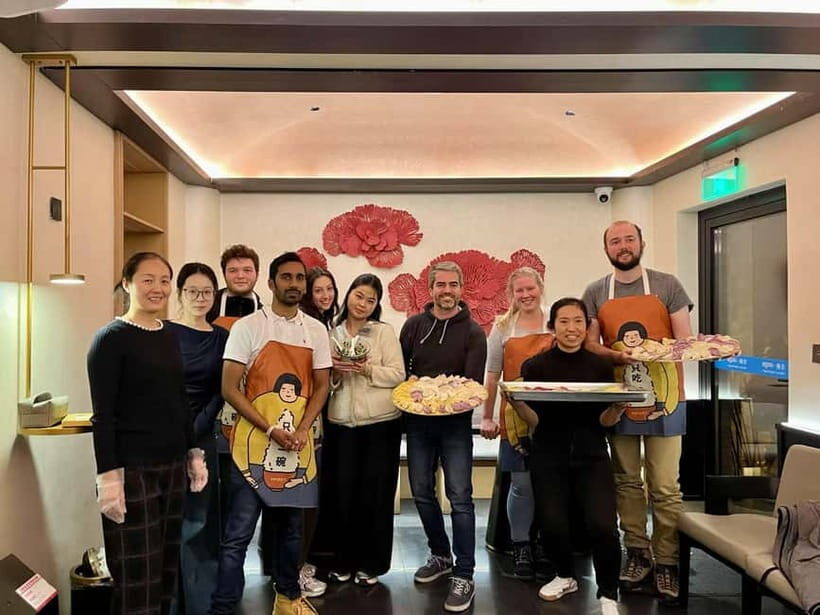
Beijing can feel like a city of landmarks. This class makes it feel like a city of kitchens. The whole experience is built around one simple idea: dumplings aren’t only food, they’re also routine, celebration, and family talk.
It runs for 3 hours, starting at 16:30, and you meet at your hotel lobby. Then you’ll roll up your sleeves and work with a guide and a small group. If you want your Beijing evening to be active (not just photo stops), this fits.
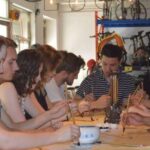
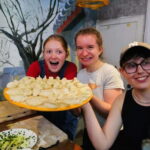
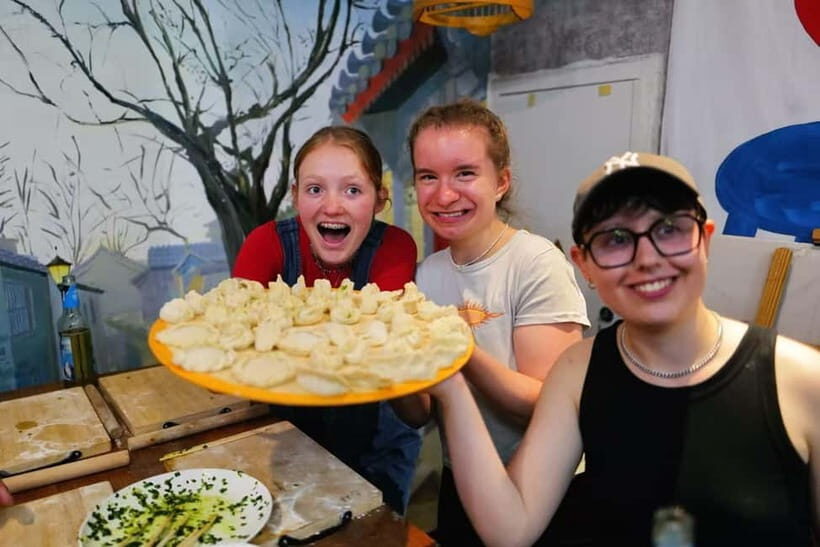
Also, the setting matters. Several group experiences describe the workshop taking place in a hutong-style home vibe—cozy, warm, and communal. That kind of atmosphere makes it easier to ask questions and pick up real technique.
Your 3-Hour Flow: From Dough to Dinner (No Guesswork)
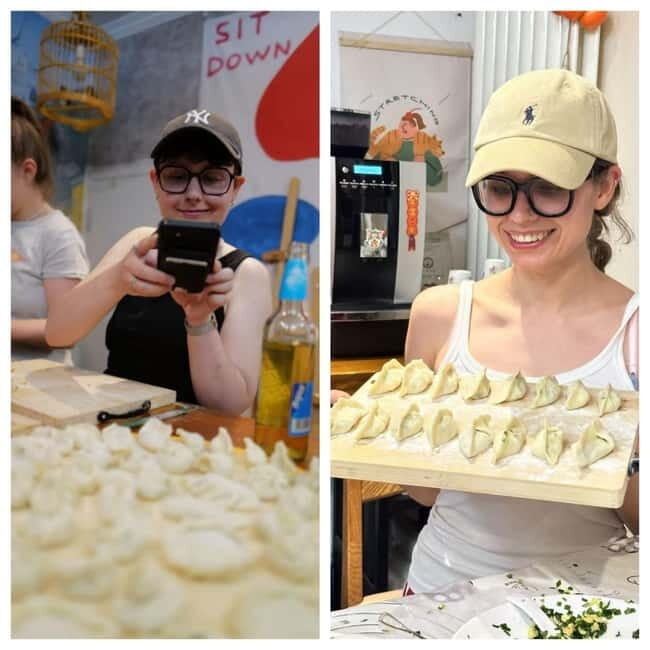
The schedule is simple: you’ll learn the process, then you’ll eat the results. That makes timing feel smooth, even if you’re new to Chinese cooking.
You can also read our reviews of more tours and experiences in Beijing
Step 1: Check in and get to work
After you meet at the lobby, you’ll get grouped up and start right away. Wear something comfortable—this is not the time for stiff clothes or shoes that hate walking on floors.
You’ll be taught what to do first and how to do it, with an English-speaking instructor. Multiple past participants emphasize clear, step-by-step guidance and patience, especially when hands get floury.
Step 2: Knead dough and prep dumpling components
You’ll learn how to knead dough, and you’ll also get the key ingredients for making fillings. The goal is not just to copy a shape. It’s to understand the texture you’re aiming for—dough that’s workable, not sticky, and filling that’s evenly distributed.
A small note from real-world experience: some classes in this format may have certain filling elements prepared for speed. Either way, you should still expect hands-on shaping and learning the look-and-feel of the dough and filling process.
Step 3: Shape dumplings the practical way
This is where the class becomes fun. You’ll learn how to fill and pinch, and you’ll practice until it feels natural.
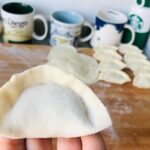
From multiple accounts, shaping includes learning how to hold the wrapper in your hand while adding filling, then pinching to seal—sometimes with more than one pinching style. Even if your first dumplings look like wonky little pouches, that’s part of the process. The instructors focus on getting you past the fear of messing up.
Step 4: Cooking the dumplings
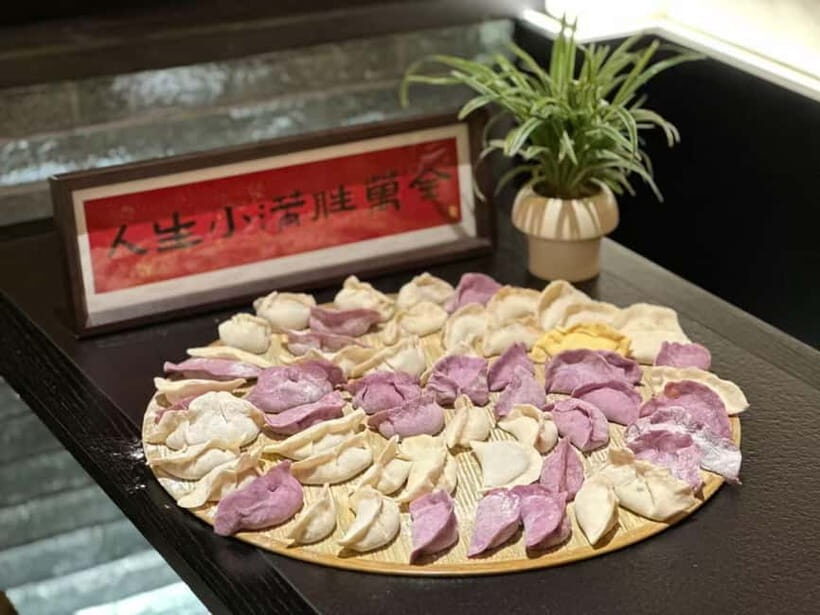
Once you’ve shaped them, the class moves into cooking mode. You can expect dumplings prepared in ways that match different textures—some described as boiled for softness, and some described as pan-fried for crisp edges.
This matters because it shows dumpling versatility. The same base becomes different foods depending on heat and method, which is a big part of how Chinese meals are built.





Step 5: Communal dinner with tea (and sometimes beer)
After cooking, you’ll sit down for a shared meal. Your dumplings are part of the feast, but the plate doesn’t stop there.
You’ll get tea pairing with the meal, plus the inclusion of beer or other beverages. The goal isn’t fancy tasting notes. It’s to let the flavors and the conversation happen at the same time.
Dumplings With Meaning: Lunar New Year, Symbols, and Regional Twists
This class doesn’t treat dumplings as just an eating activity. You’ll also hear why dumplings show up at major moments and why people attach meaning to the shape, the timing, and the act of making them together.
Dumplings connect to big seasonal traditions like Lunar New Year, and the class explains the symbolism behind them. You’ll also get a sense of how different regions do dumplings with small twists—different fillings, different cooking styles, different approaches to texture and seasoning.
That’s the value: when you know the meaning, the food stops being random. You can taste with context.
What You’ll Eat: Dumplings Plus Extra Plates, Tea, and Drinks
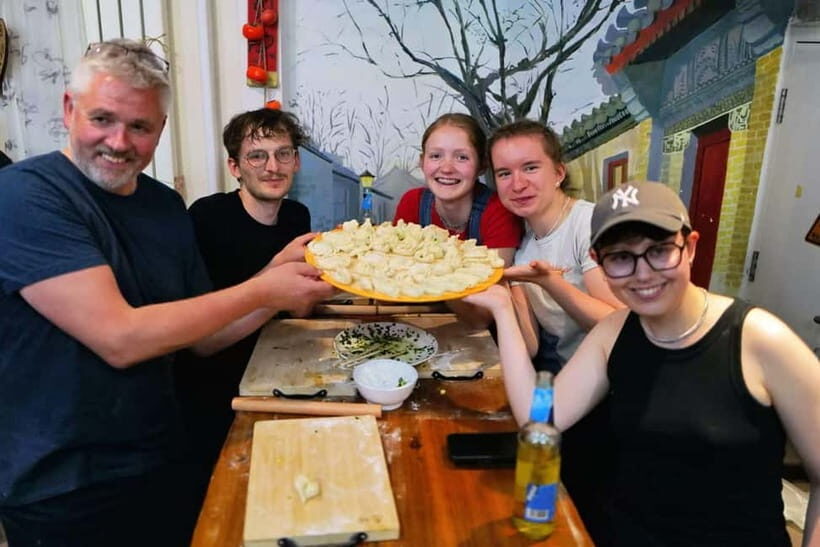
The meal is more generous than you might expect from a “dumpling class.”
Tea pairing that supports the meal
Tea pairing is included, and it’s there for a reason. Tea helps reset your palate between bites, especially when you’re eating several dumplings plus other dishes. It also turns the meal into a slower, more social pace—less rushed than a typical restaurant dinner.
Beer and more than dumplings
The activity includes beer and other beverages. Several accounts also mention that the table included more than just dumplings, with descriptions of dishes like Kung pow chicken, items such as egg and tomato/cabbage-type plates, and even breaded chicken nugget-style food for some groups.
Desserts and drinks like water and juice are also mentioned in past experiences. The point is not that your menu will match someone else’s exactly. The point is that you should expect an actual meal—stuffed, not just sampling.
Veg-friendly options can work out well
Some experiences specifically note that the group menu was veggie friendly. Still, ingredient details aren’t listed for the whole menu, so if you’re strict about ingredients, it’s smart to ask questions beforehand (especially since the class isn’t suitable for food allergies).
Learning the Technique: Clear English, Patient Hands, Real Results
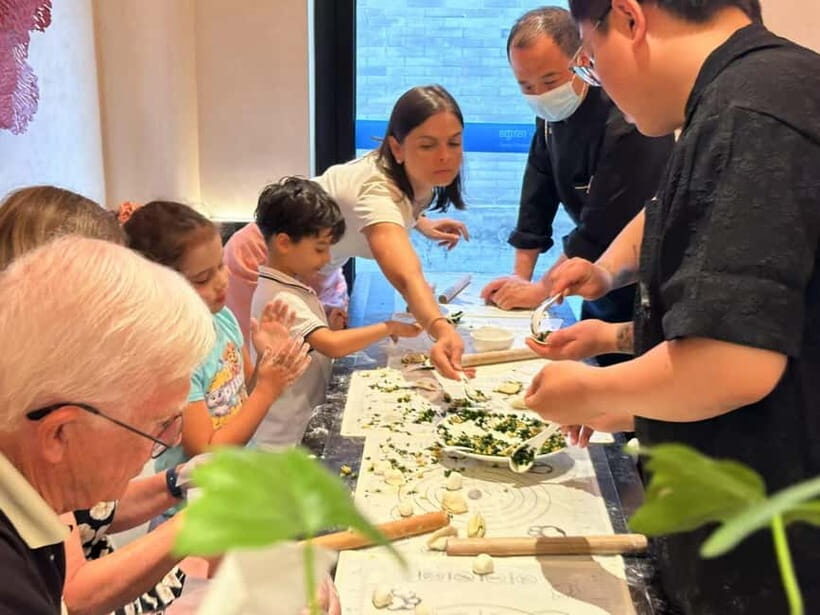
If you worry you’ll be bad at cooking, relax. Multiple people highlight patience and easy-to-follow instruction.
The instructors typically teach you what to do in sequence—mixing, shaping, sealing, and then cooking. Then they help you adjust when your dumplings are too thick, too thin, or not sealed well.
The best part is that you get a skill you can repeat later. Several accounts mention leaving with real folding ability you can use at home—not just a memory of a meal.
Also, the group energy matters. People describe a nice vibe and chatting with others while dumplings are cooking. That social layer is a huge reason this class works well for people who want a Beijing experience that feels human, not scripted.
Price and Value: Is $35 Worth It?
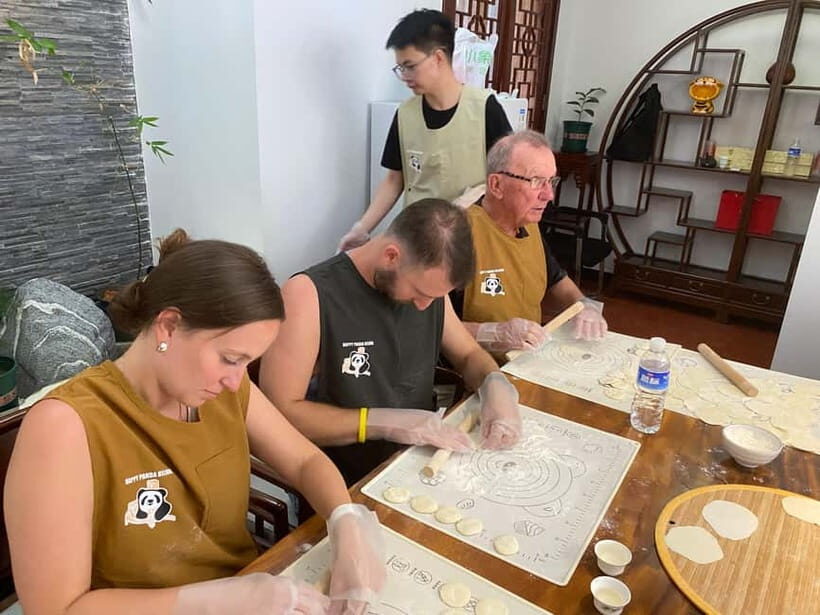
At $35 per person for 3 hours, you’re paying for more than instruction. You’re paying for ingredients, tea pairing, and the meal itself.
Here’s what makes the value feel solid:
- You get a full cooking lesson, not a quick demonstration
- All ingredients for dumpling making are included
- You don’t just eat dumplings you watch; you eat what you make
- Tea pairing is included
- Beer and other beverages are included
- The meal often includes extra local dishes beyond your dumplings
The one “gotcha” is logistics. Hotel pickup and drop-off aren’t included, so you’ll want to budget time to reach the meeting point at the lobby by the start time. If you can handle that, the price starts to make sense quickly.
Practical Stuff You’ll Want to Know Before You Go
This is where a little planning saves stress.
What to bring
- Comfortable clothes (you’ll be handling dough and flour)
That’s it—no special gear is listed.
Timing and the meeting point
- The activity starts at 16:30
- You meet your guide at your hotel lobby
- Booking at least 12 hours in advance is required
If your day runs late, you’ll feel it here. Beijing traffic and walking between spots can add up fast, so plan to be ready early.
What’s not allowed
- No smoking
And if you’re sensitive to ingredients, remember the key limitation: not suitable for people with food allergies.
Who This Fits Best (And Who Should Skip It)
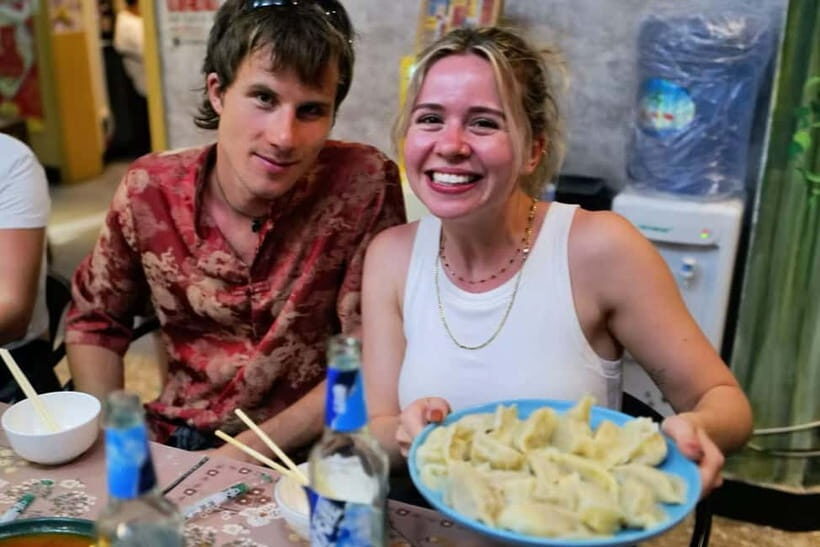
This workshop is a strong match for:
- People who want a hands-on food activity in Beijing, not a museum-style lesson
- Beginners who want step-by-step teaching and patient help
- Anyone who likes communal meals and conversation
- People who enjoy learning the meaning behind food traditions (not only cooking steps)
It’s a weak match if:
- You have food allergies
- You want strict fine-dining control or a quiet, solo experience
If you’re traveling with mobility needs, note that the workshop is wheelchair accessible.
Should You Book This Dumpling Making Workshop?
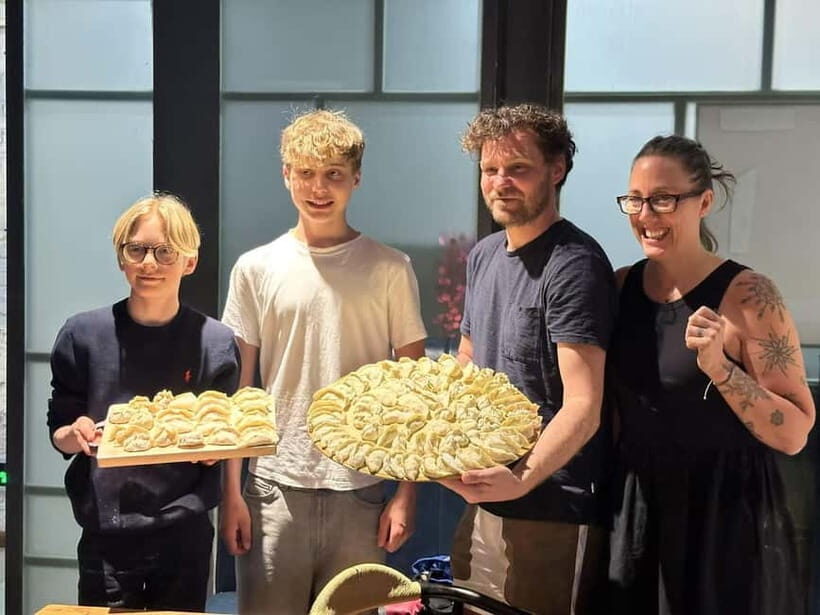
I’d book it if you want your Beijing evening to be interactive and satisfying. For the money, you’re getting cooking instruction plus a real shared meal with tea, and often beer, all wrapped in a cultural explanation you’ll remember while you eat.
Don’t book if allergies are part of your reality. Also, plan to get to the meeting point yourself—no pickup included.
If you’re the type who loves learning by doing, this is the kind of class that turns into a repeatable memory. And yes, you’ll likely leave with dumpling pinching skills that make you feel weirdly proud in your own kitchen later.
FAQ
How long is the dumpling making workshop?
The class lasts 3 hours.
What time does it start?
It starts at 16:30.
Where do I meet the guide?
You meet your guide at your hotel lobby.
Is hotel pickup or drop-off included?
No. Hotel pickup and drop-off are not included.
Is the instructor English-speaking?
Yes. The instructor is listed as English.
Is the workshop suitable for people with food allergies?
No. It is not suitable for people with food allergies.
What’s included with the meal?
You’ll get a dumpling-making class, all ingredients, tea pairing with the meal, and other foods and beverages, including beer.
What should I bring?
Wear comfortable clothes.
Is there a cancellation option?
Yes. There is free cancellation up to 24 hours in advance for a full refund.