REVIEW · BEIJING
Peking Duck & Beyond:Exploring the Best Eats in Beijing’s Hutongs
Book on Viator →Operated by Discover Beijing Tours · Bookable on Viator
Food in alleyways feels like cheating. This 3-hour Dongsi Hutong tour lines up 15+ tastings plus a Peking duck feast, led by a private guide who keeps things moving. I love how you’re not just eating, you’re also learning why these dishes matter in daily Beijing food culture. I also love the pacing: short walks, then you stop for another dish, which makes it easy to fit into a first day or a quick side trip.
One heads-up: this is a lot of food in a short window, so plan to eat with energy and expect some time on your feet. Also, hotel pickup depends on the option you choose, while the default setup has you meeting at the Dongsi area via public transport.
In This Review
- Key highlights you’ll feel right away
- Dongsi Hutongs make the food taste better
- The 15+ tastings: small portions, big variety
- Peking duck feast: the centerpiece of the day
- Dongsi Hutong walking: culture through the streets
- LongFuSi Jie and Mongolian hot pot: the communal power move
- Dongsiliu Alley and cross-bridge rice noodles
- A private guide changes everything in a food tour
- Hotel pickup vs meeting at Dongsi Exit C
- Price and value: what $88 buys you in Beijing
- Who should book this Hutong food tour
- Should you book Peking Duck & Beyond?
- FAQ
- How long is the Beijing Hutong food tour?
- What does the tour cost?
- Is this a private tour?
- What’s included in the tasting portion?
- Do I get hotel pickup and drop-off?
- Where do I meet the guide?
- Is there an admission fee for the hutong stops?
- Can I bring up dietary requirements?
- Is a mobile ticket used?
- What is the cancellation policy?
Key highlights you’ll feel right away
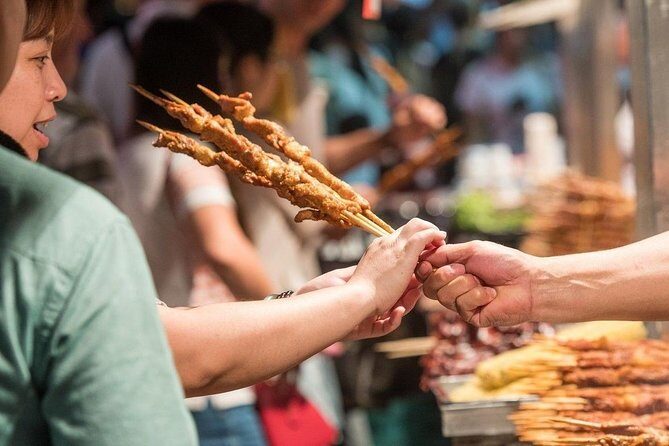
- 15+ separate tastings packed into about 3 hours, including Peking duck and hot pot
- Private, fully personalized guide for Dongsi Hutong instead of a rigid group script
- Hotel pickup option if you select the right transfer choice (otherwise you meet at Dongsi Exit C)
- Real neighborhood route through Dongsi Hutong lanes, not a showroom food court
- Unlimited soft drinks and beer with the meal stops, so you can focus on tasting
Dongsi Hutongs make the food taste better
Beijing food trips work best when you get out of the big-road mindset. Dongsi Hutong is all narrow lanes, old courtyard houses, and the kind of street life you only get when you slow down. That matters because this tour is built around snack-to-snack flow, not museum-time. You walk, you learn, you taste, repeat.
I also like the “local route” logic. You’re not starting with a market full of tourist brochures. You start in a heritage zone where the streets already tell you how people live. The guide’s job is to connect that setting to what you’re eating.
And if you want a quick way to understand Beijing cuisine early in your trip, this style of tour helps. You leave with a mental map: duck here, dumplings there, hot pot and rice noodles in between. That makes the rest of your eating in Beijing much less guesswork.
You can also read our reviews of more tours and experiences in Beijing.
The 15+ tastings: small portions, big variety
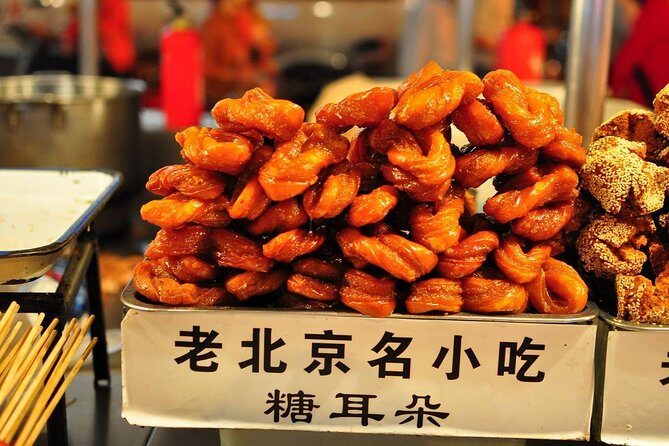
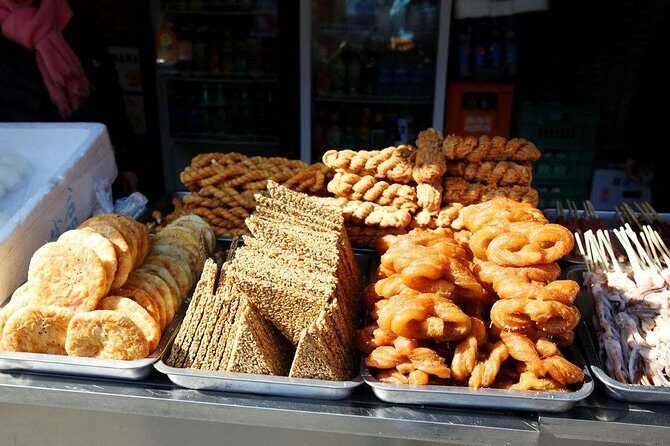
The core promise here is 15+ tastings, including several Beijing and northern-style favorites. That number is important. It’s how you sample breadth without committing to huge plates at one place.
You’ll encounter a mix that feels like a good checklist of northern Chinese food:
- Peking duck as the headline feast
- Hot pot with a Mongolian court-style origin story
- Northern Chinese dumplings as part of the day’s snack rhythm
- Yunnan-style cross-bridge rice noodles in a restaurant set back in the hutongs
- Local liquor as one of the taste moments
- Unlimited soft drinks and beer to keep things easy (and honestly, to keep the day fun)
What I like about this format is that it lowers decision stress. You don’t have to figure out what to order at each stop while also negotiating menus in a second language. Instead, the guide manages the sequence, and you focus on tasting and learning.
Possible drawback: when you pack this much food in, you should come hungry but not reckless. Pace yourself. If you try to “power through” every bite at full speed, you’ll spend the last portion feeling stuffed and less able to taste nuance.
Peking duck feast: the centerpiece of the day
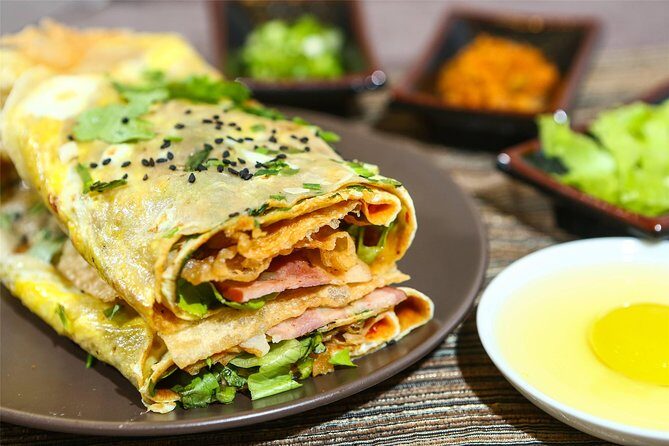
Peking duck needs no introduction, but it does need the right context. Here, duck shows up as part of a full food lineup, not as a stand-alone spectacle. That helps you understand it in relation to the other flavors you’ll hit later: dumplings, broth-based dishes, and hot, communal cooking.
Also, duck is one of those foods where a guide can make the experience better just by framing what to notice. For example, you’ll likely pay attention to how it’s served and how it pairs with other bites on the tour. That kind of direction turns duck from a meal into a learning moment.
For you, the practical win is timing. You get duck included within a short 3-hour walking plan, so you’re not losing half a day hunting down the best-known spot. If you’re in Beijing for a limited stretch, that’s real value.
If you dislike duck or need a special diet, you should flag dietary requirements when booking. The tour says you can advise needs at the time of reservation, but you’ll want to communicate early so the guide can adjust what’s possible.
Dongsi Hutong walking: culture through the streets
The first stop is Dongsi Hutong, and this is more than a backdrop. Hutongs are where the city’s old layout still shapes movement. Narrow lanes mean you experience Beijing’s street scale firsthand. Courtyard-style housing frames what you see, and you get a sense of how food fits into everyday movement.
This is also where “private guide” actually matters. Instead of being dragged along in a line, you can ask questions as you go. One guide name that stands out from prior group experiences is Miko—described as friendly and good at explaining the culture and history around the food. That kind of commentary makes the walking feel useful, not just scenic.
One consideration: hutong lanes can feel busy depending on the time. Since this is a walking-and-snacking format, you’ll want comfortable shoes and a relaxed attitude about crowd flow. You’re there for the food and the street atmosphere, not for quiet strolls.
LongFuSi Jie and Mongolian hot pot: the communal power move
Next comes LongFuSi Jie, where the highlight is a Mongolian hot pot restaurant. The tour emphasizes the hot pot origin story tied to royal courts before it became popular with the general public. Even if you don’t memorize the tale, it gives you a frame: this isn’t random boiling. It’s part of a long food tradition built around shared meals.
Hot pot also naturally fits the walking tour. It’s warm, social, and it slows you down for tasting. You’re not just grabbing bites and moving on. You sit long enough to taste and reset.
The specific detail you’ll hear about here is the copper pot setup with charcoal cooking. That matters because charcoal cooking tends to bring a deeper aroma to broth and ingredients. It’s the kind of detail you can notice when you’re seated and the guide points it out.
Practical note for you: hot pot can be a spicy spectrum depending on what’s served. Since the tour data doesn’t specify spice levels, the safest plan is to tell your guide if you’re sensitive and ask for a gentler approach.
Dongsiliu Alley and cross-bridge rice noodles
Your last dining stop is Dongsiliu Alley, in a Yunnan-style restaurant tucked away in the hutongs. This stop focuses on cross-bridge rice noodles—known for a rich broth and fresh ingredients.
What makes this stop valuable is contrast. Hot pot warms you up and spreads your flavor focus across broth and dipping. Cross-bridge rice noodles can feel more concentrated and broth-forward, with noodles that hold onto flavor.
You’ll also hear about the structure of the dish: rich broth plus fresh ingredients. That’s perfect for a tour end, because it’s satisfying without needing a huge final “big plate” to finish the day. In about an hour, you get a complete meal experience that still fits the tour’s overall pace.
One drawback to keep in mind: because cross-bridge rice noodles are broth-centric, the final stage can be heavy if you’ve already eaten a lot of duck and dumplings. Again, pacing is everything. Take your time and let your stomach catch up.
A private guide changes everything in a food tour
This is a private tour/activity, meaning it’s just your group. That matters because food tours succeed or fail on micro-decisions: what you can handle, how fast you want to go, what you’re curious about, and how much explanation you want.
I also like that the guide doesn’t only point at dishes. The day is framed around Chinese food and culture, so you should get context as you walk. In at least one experience, the guide named Miko was specifically praised for connecting food with cultural and historical notes around it. That style of guiding tends to make the tastings stick with you.
And since the tour is fully personalized (not a one-size-fits-all route), you can ask practical questions as you go. You’ll walk away knowing what you tasted and how to think about it later when you’re ordering on your own.
Hotel pickup vs meeting at Dongsi Exit C
Logistics are where a good tour either feels effortless or becomes work. Here, you have two pathways.
If you choose the option with hotel pick up and drop off, you’ll get transfer support as part of the related option (Option 3). That’s ideal if you’re trying to keep the day simple, especially if you’re not near the Dongsi area.
If you don’t select hotel pickup, you’ll meet at the Beijing Public Bicycle Subway Dongsi Exit C Station area (the tour lists a plus code location near Chao Yang Men Nei Da Jie). The tour then ends back at the meeting point.
Why this matters for you: the default meet point is near public transportation, which is convenient. But it also means you’ll want to plan your metro route and leave a little buffer time so you don’t start the day stressed.
The experience also uses a mobile ticket, which helps you avoid printing and last-minute confusion.
Price and value: what $88 buys you in Beijing
At $88.00 per person, this tour is priced like a food-focused private experience. That can sound steep until you break down what’s included.
Included:
- Professional guide
- Peking duck
- 15+ tastings
- Unlimited soft drinks and beer
- A private transfer option if you choose the pickup/dropoff route
In Beijing, a private guide plus multiple booked restaurant stops usually adds up fast. The value here is that you’re getting the “planning” cost bundled in: the guide handles timing, sequences, and getting you into the right spots for tastings.
Also, you’re paying for variety. Instead of buying one great meal, you get a buffet of smaller experiences across different dish styles—duck, dumplings, hot pot, rice noodles, and drinks.
Who it’s best for:
- You want a strong intro to Beijing eating
- You’re short on time and want fewer restaurant decisions
- You like the idea of tasting breadth rather than repeating one favorite
Who might hesitate:
- If you already know exactly what you want and you plan to eat independently, you might feel the cost more. But for many first-timers, the guide + duck + tastings make the math work.
One timing note: this tour is often booked about 51 days in advance on average. If your dates are fixed, don’t wait too long.
Who should book this Hutong food tour
This fits best if you:
- Want an easy first-day plan that teaches you how to think about Beijing food
- Like walking in a historic neighborhood without navigating the ordering alone
- Prefer a private guide who can explain dishes while you’re eating
- Enjoy a mix of savory foods and at least one “drink” moment (local liquor is included as a tasting)
It may be less ideal if:
- You hate food-heavy schedules and prefer slow, single-restaurant dining
- You have very specific dietary needs but haven’t communicated them at booking
If you’re traveling with kids, the data notes that children 1–4 years old are free. That can make the overall trip feel more manageable for families, assuming the group’s eating style works for the kids.
Should you book Peking Duck & Beyond?
If you want an efficient, flavorful start in Beijing, I’d lean yes. The best part is the combination of 15+ tastings, including Peking duck, with a route through Dongsi Hutong that feels like you’re actually in Beijing, not just passing through. Add in a private guide and the included soft drinks and beer, and it’s a strong “first taste of the city” plan.
Book it if you like food variety and you want context while you eat. Skip it or be cautious if you know you’ll struggle with the packed 3-hour pace or you didn’t plan for the fact that pickup depends on your chosen option.
In short: if your goal is to leave Beijing with a clear idea of what you liked and what to chase next, this tour gives you that fast.
FAQ
How long is the Beijing Hutong food tour?
It runs for about 3 hours.
What does the tour cost?
The price is $88.00 per person.
Is this a private tour?
Yes. It’s private, and only your group participates.
What’s included in the tasting portion?
You get food tasting including 15+ different tastings, plus Peking duck. Unlimited soft drinks and beer are also included.
Do I get hotel pickup and drop-off?
Hotel pickup and drop-off are included only if you choose the related option (Option 3). Otherwise, you’ll meet the guide at the listed meeting point.
Where do I meet the guide?
The meeting point is listed as Beijing Public Bicycle Subway Dongsi Exit C Station, near the plus code WCF9+M5C.
Is there an admission fee for the hutong stops?
The tour lists admission ticket free for the hutong stops.
Can I bring up dietary requirements?
Yes. You should advise any specific dietary requirements at the time of booking.
Is a mobile ticket used?
Yes, the tour includes a mobile ticket.
What is the cancellation policy?
You can cancel for a full refund up to 24 hours before the experience start time (local time).