REVIEW · BEIJING
Boutique Tour: Juyongguan, Sacred Way and Dingling of Ming Tombs
Book on Viator →Bookable on Viator
Few stops feel this focused. This private tour strings together three Ming-era highlights—Juyongguan on the Great Wall, the Sacred Way at the Ming Tombs, and Dingling’s excavated underground palace—so you get big history fast. I especially like the light-crowd feel at Juyongguan and the way a real guide turns statues and stone paths into a clear story. The only real drawback is simple: it’s a long 8-hour day, starting at 8:30 am, so you’ll want comfortable shoes and a patient attitude.
You’ll ride with free hotel pickup and drop-off, skip the usual time-wasting extras (there’s no shopping stop), and keep moving with entrance fees and a traditional lunch handled for you. The tour also uses mobile tickets, which makes the day run smoother. If you want a first-timer-friendly route that still feels personal, this is a strong fit.
In This Review
- Key things to know
- Juyongguan Great Wall: less bus-time, more meaning
- The Sacred Way at Ming Tombs: 7 kilometers of symbols
- Dingling Underground Palace: Wanli’s tomb and the artifacts
- Tour value: private pace, entrance fees, and a traditional lunch
- Getting the most from the 8-hour day (without rushing)
- Who should book this Ming Dynasty day trip?
- Should you book this tour?
- FAQ
- What is the duration of the tour?
- What time does the tour start?
- What does the tour cost?
- Is pickup from my hotel included?
- Are entrance fees included?
- Is lunch included?
- Is this a private tour?
- Is there any shopping stop?
- What’s included for tickets?
- What is the cancellation policy?
- How far in advance is it usually booked?
Key things to know
- Juyongguan Great Wall first, with a quick drive that keeps the morning efficient
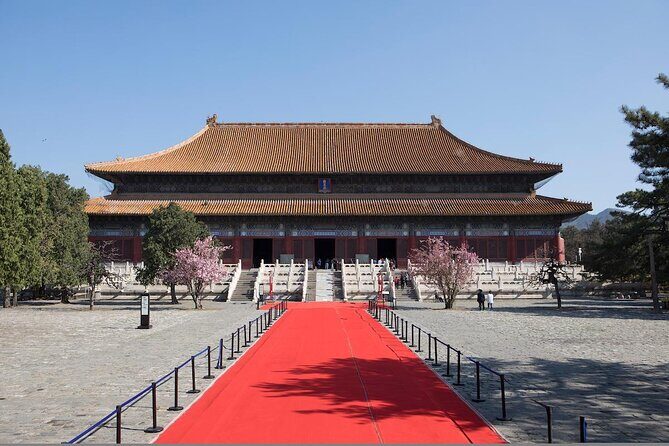
- Sacred Way at the Ming Tombs, a 7-kilometer symbolic processional route with guarding statues
- Dingling Underground Palace, the only excavated imperial tomb in China, featuring Wanli and thousands of artifacts
- Private pacing and no shopping stop, so you spend time where it matters
- All entrance fees + lunch included, which usually means less hassle and better value
Juyongguan Great Wall: less bus-time, more meaning
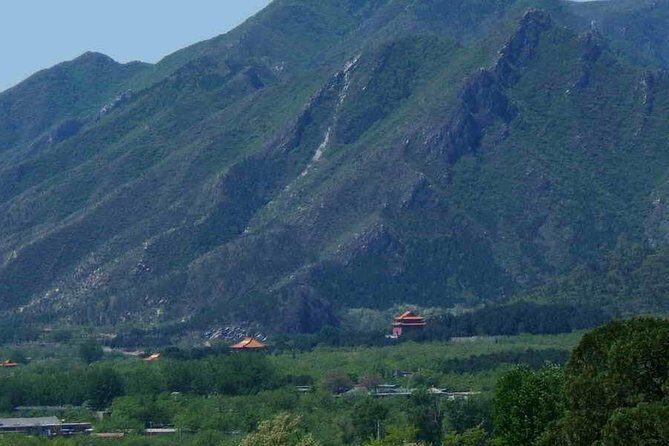
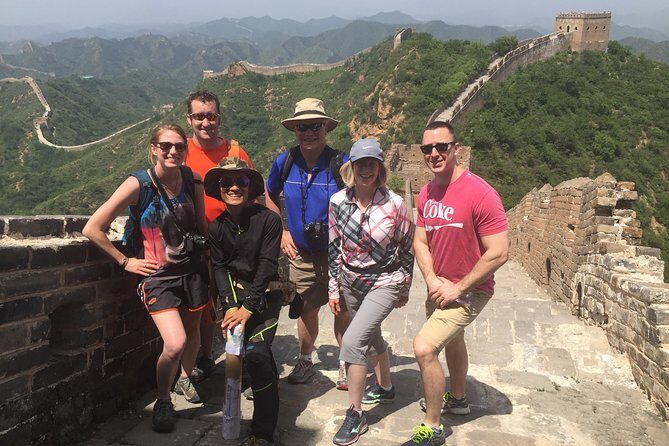
Juyongguan sits in the 18-kilometer Guangou Valley, right where Jundu Mountain and Yan Mountain meet. The pass mattered because it was once the only route between Beijing and Mongolia—so you’re not just visiting a viewpoint. You’re tracing how the wall shaped movement and power.
I like that this section is often described as quieter than the famous Great Wall crowds. Whether it’s the route choice or just the timing, you end up with breathing room. That matters on the Great Wall. When you’re not constantly dodging people, you can actually look up, spot how the fortifications work, and understand why certain angles and ridgelines were worth defending.
Expect more than wall-walk photos. This area also connects to old temple culture around the pass, and a good guide can help you see the relationship between the defenses and the religious sites visitors used over the centuries. It’s one reason the Great Wall feels less like an amusement stop and more like a living historical layer.
One practical note: even if crowds are lighter, the Great Wall still asks for effort. You’ll be out in the open and moving up and down the pass area. Wear shoes with real grip, and don’t plan on doing anything athletic afterward.
You can also read our reviews of more tours and experiences in Beijing.

The Sacred Way at Ming Tombs: 7 kilometers of symbols
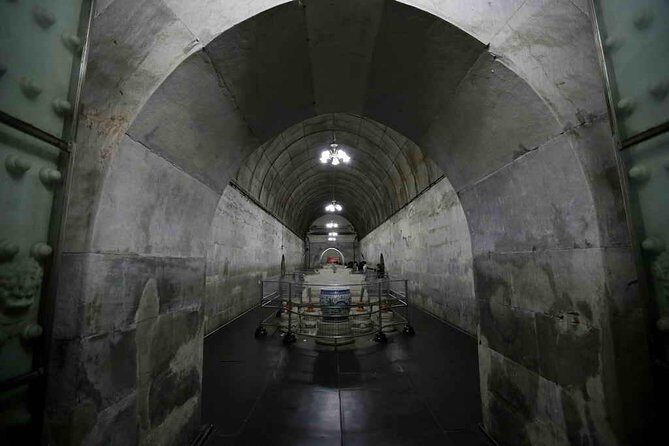
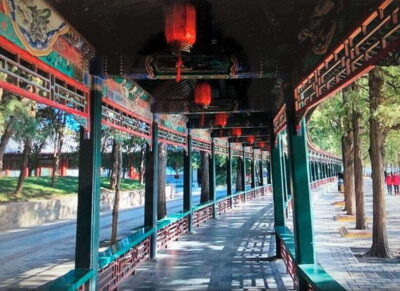
After the Great Wall, you head to the Ming Tombs area and walk the Sacred Way, a 7-kilometer divine path designed as the space between the secular and the celestial worlds. That sounds poetic, but it translates into something you can feel as you walk: the path and the statues create a kind of ceremony, step by step.
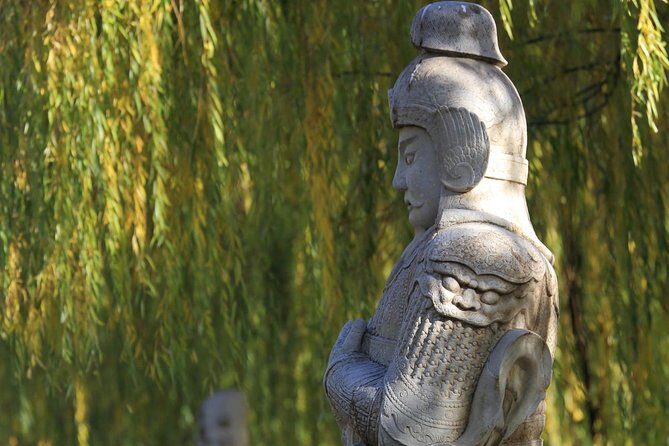
This stop is all about scale and order. You’ll see the magnificent statues that were placed to guard the Ming emperors in the afterlife. In practice, that means you’re not just looking at carvings; you’re seeing a power system turned into stone. Each figure helps communicate status, protection, and the idea that rule continued beyond death.
A guide is especially helpful here. Without context, it’s easy to treat the Sacred Way like a long photo line. With a guide, the route becomes easier to follow and more satisfying: you learn what each monument is meant to represent, and you start noticing how the processional layout reinforces the story.
One thing to consider is time management. This part of the day is shorter than the Great Wall window, so you’ll want to keep your focus. You can’t linger everywhere. The benefit of this tour style is that you know what to prioritize, and you’re not guessing what’s important.
Dingling Underground Palace: Wanli’s tomb and the artifacts
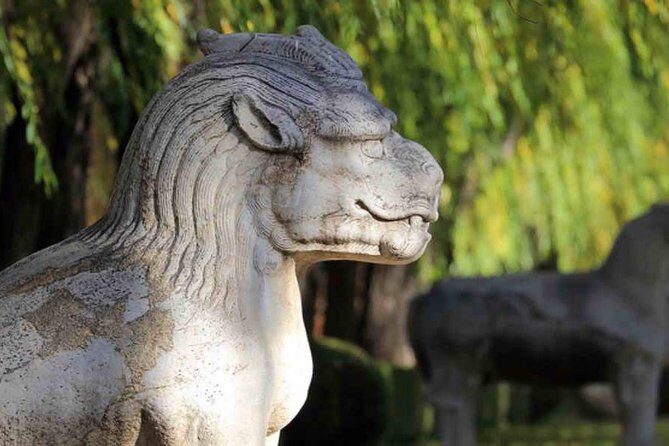
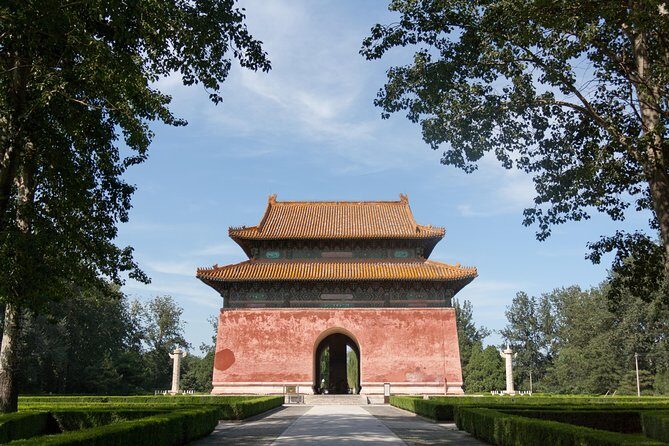
Next is Dingling, the only imperial tomb in China that has been excavated. That detail changes the whole experience. Instead of imagining what might be inside, you’re seeing a tomb that researchers opened and studied. It’s not just a structure; it’s a curated window into how the Ming court stored objects, symbols, and wealth for the afterlife.
You’ll visit the tomb belonging to Wanli, the 13th Ming emperor. He had the longest ruling time out of all 16 Ming emperors, which makes his reign a useful anchor for understanding the period. When you hear that, the statues and chambers start to feel connected to a specific era rather than generic “ancient China.”
Inside the Underground Palace, about 3,000 pieces of artifacts were found. Some are displayed in the Dingling museum. That’s a big deal for value. Even if you’re not an archaeology nerd, artifacts are where history becomes tangible. Stone and corridors give you atmosphere; the objects give you evidence.
The one thing I’d watch is your attention span underground. Tomb visits can feel similar if you keep your mind on autopilot. A guide helps you separate what’s visually impressive from what’s historically meaningful. If you’re the type who likes to ask questions, this stop rewards that energy.
Also, remember that this is the final major “main event” of the day. Save your biggest camera effort for the moments you know you’ll remember, not for every corridor.
Tour value: private pace, entrance fees, and a traditional lunch
Let’s talk money in a real way. At $169.10 per person, this isn’t cheap in the abstract. But it’s not just “a guide and a ride” either. The day includes round-trip transportation from your hotel, a private guide, all entrance fees, and a traditional lunch.
That bundle matters on a day like this. In Beijing, the costs you don’t expect—tickets, transit complexity, waiting time—add up fast. Here, you get a schedule built around three paying sites, and you’re not left hunting for entry logistics once you’re already out in the country.
I also really like the “no shopping stop” approach. Great Wall and tomb tours can get weirdly padded with detours. When the route is streamlined, you spend your time where the stories actually are: stone, statues, and the tomb complex itself. One named advantage in feedback is avoiding the kind of long bus packing-and-unpacking that turns sightseeing into transportation.
Lunch is included too. The included meal has been described as genuinely traditional, not overly westernized. Even if you’re picky, you’ll usually find something you can eat without turning the day into a hunt for food.
Finally, it’s booked as a private day tour, meaning only your group participates. You’re not stuck with a pace set by strangers who move slow or ask every question right as the guide is explaining a key point.
Getting the most from the 8-hour day (without rushing)
This runs about 8 hours, and it starts at 8:30 am. The early start is doing you a favor: you beat the day’s busiest energy and you get better conditions for visibility on the Great Wall. On days like this, “morning focus” is how you avoid coming home disappointed.
Here’s how to think about the rhythm:
- Great Wall first: You’re freshest, and the pass is the strongest photo and orientation anchor.
- Sacred Way after: You shift from defensive architecture to ceremonial symbolism. It helps the story click.
- Dingling last: You finish with the excavated tomb experience and artifact displays, which can feel more meaningful if you let the day build.
Because there’s walking involved across two major sites, bring practical basics:
- Wear comfortable, grippy shoes.
- Bring water (lunch is included, but you’ll still want a steady drink during the Great Wall and the tomb route).
- Plan for photos, but don’t treat it like a race. On a private tour, you can slow down in the places that grab you.
Guides make or break the day, and this tour’s feedback consistently points to guides being easy to work with and friendly. Names that show up include Selina, Angie, and Maria. The common thread is how they connect what you’re seeing to how Chinese history unfolds, so you’re not just reading plaques—you’re understanding the why.
If you have questions, ask early. When you learn how the sites relate, your later stops feel stronger, and you stop feeling like you’re just collecting three separate attractions.

Who should book this Ming Dynasty day trip?
This works well if you’re:
- A first-time Beijing visitor who wants a top set of sights without the trial-and-error
- Someone who prefers private pacing over squeezing in with a large bus group
- History-curious travelers who like explanations tied to real locations
- Travelers who hate shopping-detour tours and want the schedule to stay clean
It’s also a good fit if you’ve already visited other Great Wall sections and you want a different experience. Juyongguan is often valued as a nicer-feeling alternative to more famous wall gates, and it pairs well with Ming Tombs and Dingling in one coherent arc.
If you’re expecting zero effort, lower expectations a bit. This is still a full day with walking at multiple sites. And if you’re someone who gets bored by long explanatory segments, you’ll want to communicate that your guide should keep things moving.
Should you book this tour?
I’d book it if you want a tight, meaningful Ming-era route that’s easier than planning it yourself. The biggest reasons are practical: entrance fees and lunch are included, your pickup and drop-off are handled, and the tour avoids the common detours that steal time from the actual sights.
The only reason not to book is if your schedule can’t handle an 8-hour day starting at 8:30 am, or if you’re not willing to walk at the Great Wall and tomb complex. If that’s you, pick a shorter Great Wall option or a more relaxed day.
Otherwise, this is exactly the kind of private experience that saves you stress and gives you better understanding as you move from pass to tomb to underground palace. If you like your history with stone-and-statues proof, you’ll enjoy this day.
FAQ
What is the duration of the tour?
The tour lasts about 8 hours.
What time does the tour start?
The start time is 8:30 am.
What does the tour cost?
The price is $169.10 per person.
Is pickup from my hotel included?
Yes. Free hotel pickup and drop-off are included.
Are entrance fees included?
Yes. All entrance fees are included.
Is lunch included?
Yes. A traditional lunch is included.
Is this a private tour?
Yes. It’s a private day tour, and only your group will participate.
Is there any shopping stop?
No shopping stop is included.
What’s included for tickets?
You’ll receive a mobile ticket.
What is the cancellation policy?
You can cancel for free up to 24 hours in advance of the experience start time for a full refund.
How far in advance is it usually booked?
On average, it’s booked 21 days in advance.