REVIEW · BEIJING
Beijing Private Tai Chi Class
Book on Viator →Operated by Beijing San Feng Tai Chi Club · Bookable on Viator
Tai chi can change your pace. I like the private class attention and the beginner-ready structure that teaches a 9-step form plus standing meditation. One thing to consider: the session depends on weather, and there’s no hotel pickup, so you’ll need to get yourself to the meeting spot near Tian Tan Dong Lu.
This is a focused 1.5 hours of slow, deliberate movement tied to breath and concentration. You’ll also hear the Taoist side of the story—yin and yang, plus the idea of Qi—then practice self-massage techniques meant to help with daily pain and stress.
In This Review
- Key Highlights You’ll Care About
- What You Actually Learn in a Beginner-Focused Private Class
- Where the Class Starts: Tian Tan Dong Lu and the Flow of the Session
- Why the Private Format Feels Like Real Instruction
- The Philosophy Part: Yin Yang, Taoism, and Qi Without the Hand-Waving
- Morning vs Afternoon: Picking the Right Time in Beijing
- Push Hands and Self-Massage: The Stuff You’ll Actually Use
- Push hands experience
- Self-massage techniques
- Practical Tips Before You Go (So You Don’t Miss the Small Wins)
- Price and Value: Is $58 for a Private Class Worth It?
- Who This Tai Chi Class Suits Best (And Who Might Want Another Option)
- Should You Book This Beijing Private Tai Chi Class?
- FAQ
- How long is the Beijing private Tai Chi class?
- Is this experience private?
- Are the instructors English-speaking?
- What will I learn during the session?
- Does the class include an entrance ticket?
- Do I need hotel pickup?
- What should I wear?
- Is this experience weather dependent, and what if I cancel?
Key Highlights You’ll Care About
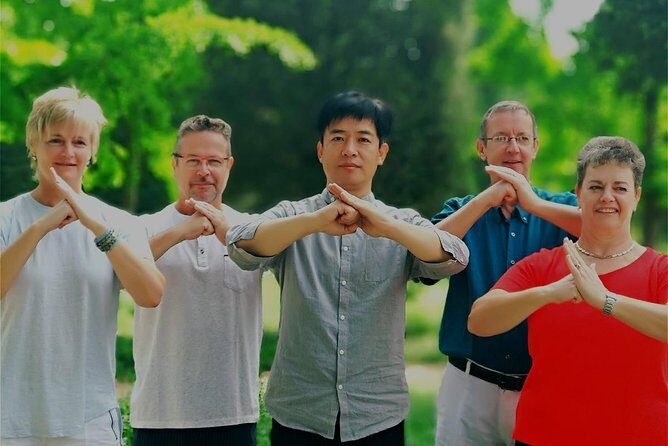
- Private, only your group: you get ongoing correction and guidance, not a one-size-fits-all class.
- Beginner-first teaching: 9 steps of a Tai Chi form broken down in a simple, step-by-step method.
- More than just moves: you also practice meditation and a push hands experience.
- Self-massage techniques: added tools aimed at pain and stress relief in daily life.
- English-speaking instruction: taught by English-speaking Tai Chi masters, making the philosophy easier to understand.
- Location near Tian Tan Dong Lu: convenient if you’re spending time around the Temple of Heaven area.
What You Actually Learn in a Beginner-Focused Private Class
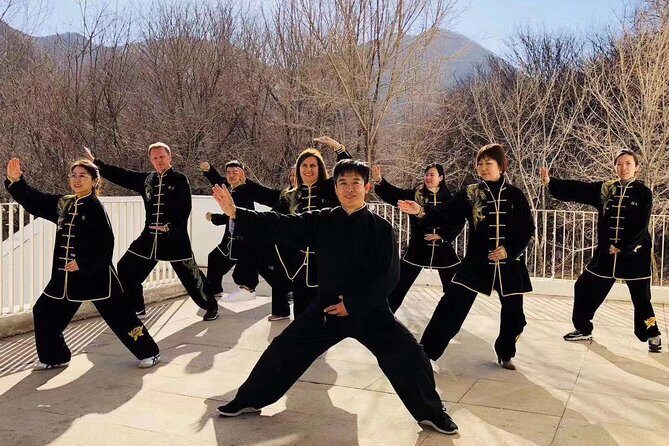
A good Tai Chi class doesn’t just show you shapes. It helps you understand how the shapes connect to your body and your mindset. This private session is built for beginners, so you’re not thrown into advanced patterns or told to copy without context.
You start with Tai Chi and its culture—then it quickly becomes practical. The instructor explains the philosophical background tied to Taoism and yin and yang. That part matters because Tai Chi is often described as an internal martial art. In plain terms, the goal is to coordinate breath, balance, and attention so your movement feels calmer and steadier.
Then you move into forms. The class includes study of a 9-step Tai Chi form. For beginners, this is a big deal: it’s long enough to feel like real practice, but small enough that your instructor can refine your posture, timing, and body alignment. Instead of memorizing a full routine, you learn what each step is trying to do.
From there, you add two other key practice pieces:
- Standing meditation: slow, still control while you focus on breathing and presence.
- Push hands experience: a taste of partner sensitivity and balance (not a full sparring situation). It’s meant to help you feel how Tai Chi principles apply when there’s someone else’s movement to respond to.
Finally, you practice self-massage methods. These are specifically taught as tools to relieve pain and stress in everyday life. That’s the part that often surprises people. Tai Chi gets sold as relaxation, but this lesson treats comfort and body care as part of the practice, not as an afterthought.
You can also read our reviews of more private tours in Beijing



Where the Class Starts: Tian Tan Dong Lu and the Flow of the Session
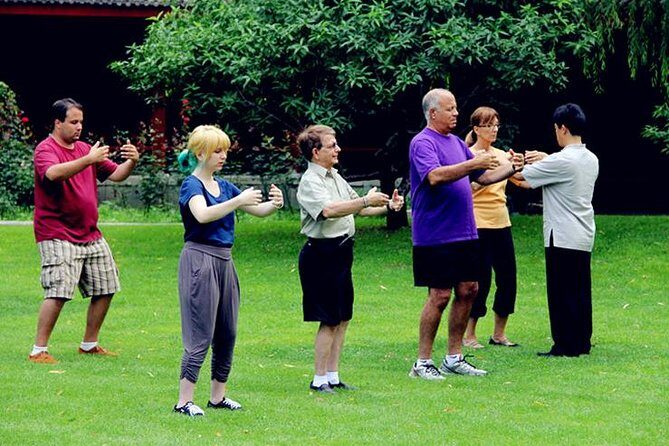
Your meeting point is listed at 旻园1 Tian Tan Dong Lu, Dong Cheng Qu, Beijing, 100061, and the class ends back at the same meeting spot. That “back where you started” format is nice. You don’t need to plan a long walk to a different end point, and you can keep the rest of your day simple.
Because there’s entrance ticket included, you’ll want to arrive with enough time to check in without stress. The ticket likely ties to accessing the grounds where the lesson takes place. In China, that kind of entrance arrangement can change by location, so the operator including it is a small convenience win.
There’s no hotel pickup and drop-off. That’s normal for many Tai Chi experiences, but it’s still worth planning around. If you’re staying far from Dongcheng, budget time to reach Tian Tan Dong Lu and find the exact meeting point.
A realistic way to think about the session flow is:
- Arrive, meet your instructor, and get your bearings.
- Learn the ideas behind what you’re doing (Taoism, yin and yang, and the concept of Qi).
- Drill the 9-step form in a slow, structured way.
- Add meditation and then try a push hands exchange.
- Finish with self-massage techniques you can practice later at home.
You’ll be moving, but it’s the kind of moving that asks for control more than sweat. Comfortable shoes are recommended because you’ll likely stand and step for much of the lesson.
Why the Private Format Feels Like Real Instruction
Most Tai Chi lessons are group affairs. That can work if you’re comfortable watching from a distance and copying without feedback. But the point here is full attention from your instructor—because it’s private.
In a private class, small corrections matter. Tai Chi depends on posture and timing. If your weight shifts too abruptly, your breath gets shallow. If your stance is off, your balance feels shaky. In a group class you might not get fixed until the end. Here, you’re working with someone watching you the whole time.
One instructor name that shows up in the experience is Eric Liu. In the sessions where he teaches, people highlight how friendly and helpful he is—and how he patiently guides beginners. That’s exactly the vibe you want if you’re new. Tai Chi can look simple online, then feel surprisingly hard when you try it for real. Patient correction is what turns confusion into progress.
Private also makes it easier to match the lesson to your needs. If you’ve got tight hips, stiff shoulders, or just feel awkward with coordination, you can ask for guidance in the moment. The class is designed for beginners, but it still adapts to your body.
And if you’re thinking of bringing friends, this private setup can be a smarter value than it looks. The cost is per person, and private means the instructor’s time is yours. If you split the lesson with someone who’s also curious, the overall sense of value tends to feel better.
The Philosophy Part: Yin Yang, Taoism, and Qi Without the Hand-Waving
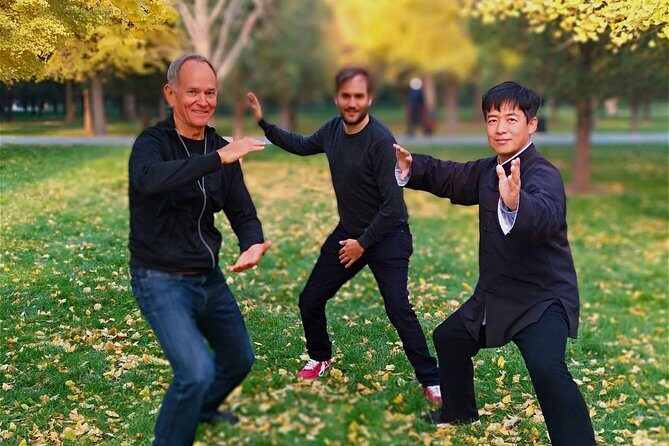
A lot of activities that mention Taoism treat it like set dressing. Here, it’s part of the teaching. The instructor explains the philosophy of Taoism and how yin and yang relate to Tai Chi practice. Then the lesson connects those ideas to actual movements—slow steps, deep breathing, and focused attention.
The operator also mentions obtaining Qi. That’s a tricky phrase because everyone interprets it differently. What you can count on from this class is the practical side: you’ll work on breath coordination and concentration. Even if you don’t treat Qi as a mystical concept, breathing plus focus can still make the movements feel smoother and calmer.
If you want a class that gives meaning to the motions (instead of just repeating counts), you’ll likely enjoy this approach. It also helps you carry the practice beyond the hour-long lesson. When you understand the logic behind the movement, you’re less likely to abandon Tai Chi after trying it once.
Morning vs Afternoon: Picking the Right Time in Beijing
You can choose between a morning or an afternoon class. That flexibility is more useful than it sounds in Beijing.
Here’s why:
- Tai Chi is slow and breath-focused. You’ll feel the difference between starting the day and winding down.
- The experience is described as requiring good weather. So you’re going to want a schedule that gives you a cushion if conditions change.
If you like starting the day with something calming, morning can be perfect. If you’ve got sightseeing planned first, afternoon can help you reset before dinner. Either way, keep your day loosely structured. You’re not just doing an activity—you’re learning techniques that feel best when you’re not rushing right after.
You can also read our reviews of more tours and experiences in Beijing





Push Hands and Self-Massage: The Stuff You’ll Actually Use
Tai Chi’s reputation is big. But many first-timers quickly realize they want more than a photo-friendly pose. This class includes two extras that tend to stick with beginners: push hands and self-massage.
Push hands experience
You get an introduction to push hands. The point isn’t to win a contest. It’s to feel how movement transfers through balance and response. It can also help you understand why Tai Chi emphasizes softness and control rather than force.
If you’re used to more athletic workouts, push hands might feel strange at first. That’s normal. Treat it like guided partner practice, not a fight.
Self-massage techniques
The self-massage part is geared toward relieving pain and stress in daily life. That makes the lesson feel more like a skills workshop. You’re leaving with methods you can try when you’re tight from walking, commuting, or long days sitting.
Even if you only remember a few key actions, that can make the lesson feel more practical than a purely philosophical exercise.
Practical Tips Before You Go (So You Don’t Miss the Small Wins)
A few simple things can make your hour-and-a-half go better:
- Wear comfortable shoes. Tai Chi involves standing and deliberate stepping.
- Arrive a little early to find the meeting point at 旻园1, Tian Tan Dong Lu.
- Bring a calm mindset. You don’t need flexibility like a dancer; you do need patience with slow movement.
- If you have any areas that feel painful or sensitive, mention it early. This is beginner-first instruction, so speaking up helps the instructor guide you safely.
- If the topic of Qi and Taoism feels abstract, ask how the instructor connects it to breathing and movement. That’s where the lesson becomes real.
Also, check what’s included and what isn’t. The class includes entrance ticket and English-speaking Tai Chi masters. Food and drinks aren’t included, so plan a snack or water before or after depending on your schedule.
Price and Value: Is $58 for a Private Class Worth It?
$58 per person for a 90-minute private Tai Chi session can be good value—especially if you’re getting language support and real instruction.
Here’s how I’d think about it:
- You’re not paying for a generic class with limited time. Private instruction means feedback and correction.
- The lesson includes not just forms, but also standing meditation, push hands experience, and self-massage techniques.
- The instructor is English-speaking, which saves you from guessing what you’re doing and why.
It’s also booked about 17 days in advance on average. That doesn’t mean it sells out instantly, but it does suggest people plan ahead for this kind of experience. If you’re traveling in busy weeks, don’t wait until the last minute.
The biggest value factor is who you’re coming with. If you’re doing it solo, you’ll feel the private cost directly. If you’re doing it with a partner or friend who’s also interested, you’ll likely feel the overall cost better because you each get your own time and guidance.
Who This Tai Chi Class Suits Best (And Who Might Want Another Option)
This is a great fit if:
- You’re a beginner and want step-by-step teaching.
- You want to understand the cultural and philosophical side (Taoism, yin and yang) alongside practice.
- You’d enjoy a calm, body-focused session rather than a high-intensity workout.
- You like the idea of learning tools beyond movement, like meditation and self-massage.
You might want to reconsider if:
- You’re expecting a fast, sweat-heavy workout.
- You already know multiple advanced forms and want a deep technical level beyond what a beginner-first class covers.
- You can’t be flexible with weather. Since the experience requires good weather, bad conditions can affect scheduling.
Should You Book This Beijing Private Tai Chi Class?
Book it if you want a calm, beginner-friendly introduction to Tai Chi with actual coaching. The combination of 9-step form study, standing meditation, push hands experience, and self-massage techniques gives you more than a quick taste. Add English-speaking instruction and the private setup, and you get a lesson that’s easier to absorb—and more likely to help you keep practicing after you leave Beijing.
If you’re short on time or hate being outdoors in changing conditions, you’ll want to think twice. But if you’re open to slow movement, breath work, and learning the meaning behind the motions, this is the kind of experience that leaves you feeling steadier than when you started.
FAQ
How long is the Beijing private Tai Chi class?
The class lasts about 1 hour 30 minutes.
Is this experience private?
Yes. It’s described as a private tour/activity, so only your group participates.
Are the instructors English-speaking?
The class is instructed by high qualified English-speaking Tai Chi masters.
What will I learn during the session?
You’ll learn Tai Chi and its culture, 9 steps Tai Chi form study, standing meditation and a push hands experience, plus methods of self massage for relief of pain and stress in daily life.
Does the class include an entrance ticket?
Yes. An entrance ticket is included.
Do I need hotel pickup?
No. Hotel pickup and drop-off are not included.
What should I wear?
Comfortable shoes are recommended.
Is this experience weather dependent, and what if I cancel?
The experience requires good weather. If it’s canceled due to poor weather, you’ll be offered a different date or a full refund. There is also free cancellation up to 24 hours in advance for a full refund.