REVIEW · BEIJING
Imperial Secret-Forbidden City and Jingshan Park Small Group Tour
Book on Viator →Operated by Beijing Tours by Better China Trip · Bookable on Viator
Imperial China feels close when you move through the Forbidden City with a small group and a guide who keeps you from getting lost. I like the prebooked entry that removes one big headache, and I also like the relaxed pace that leaves room for photos at the right moments. One consideration: this is a 4-hour circuit, so if you want to linger for hours in just one hall, you may feel slightly rushed.
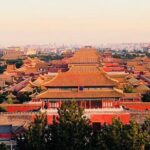
The bonus is finishing at Jingshan Park, where you get that classic high-angle view back toward the Palace Museum area from the summit near Wanchun Pavilion. You’ll get a strong sense of the layout and the why behind the buildings, from the Meridian Gate processional vibe to ceremonial spaces like the Hall of Supreme Harmony. If you’re sensitive to stairs or long outdoor walks, plan your comfort accordingly.
In This Review
- Key points before you go
- Hotel Kapok meeting, fast entry, and a clean plan
- What you’re really paying for: $98 value that adds up
- Forbidden City Highlights: Wumen, Taihe Dian, and Qianqing Palace
- Meridian Gate (Wumen): the processional entrance feeling
- Hall of Supreme Harmony (Taihe Dian): the power-center view
- Qianqing Palace: where emperors lived and ruled
- The Imperial Garden pause: a calmer pocket inside the palace walls
- Jingshan Park summit photos: the classic Beijing angle
- How the guide style makes or breaks the day
- When to choose morning vs afternoon
- Logistics that actually matter on a 4-hour timeline
- Who this tour suits best
- Should you book this Forbidden City and Jingshan Park tour?
- FAQ
- Is this tour inside the Forbidden City only, or does it include Jingshan Park too?
- How long is the tour?
- What’s the group size?
- Are entrance tickets included?
- Do I need to buy tickets separately?
- Where do I meet the guide?
- Where does the tour end?
- Is hotel pickup or drop-off included?
- What should I know about weather or cancellation?
Key points before you go
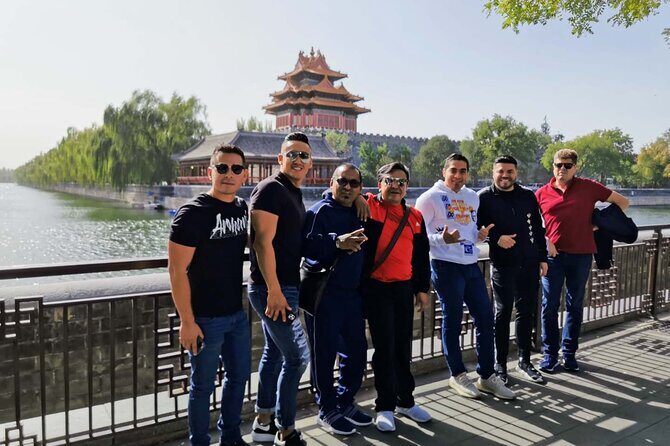
- Guaranteed entry with prebooking for the Forbidden City means fewer timing worries.
- Small group (max 12) helps you keep your pace without being herded.
- Morning or afternoon choice lets you shape the day around your other Beijing plans.
- Photo view from Jingshan Park adds a rare perspective over the palace complex.
- UNESCO-scale sights, guided through key stops like Wumen and Taihe Dian in about 4 hours.
Hotel Kapok meeting, fast entry, and a clean plan
This tour starts at Hotel Kapok Beijing (16 Dong Hua Men Da Jie). The practical win here is that the meeting spot helps you avoid the longest, most annoying queues tied to security checks near Tiananmen Square. You’re not skipping rules, you’re just not spending your visit trapped in lines before you even reach the palace.
You’ll meet your guide and get going right away, with the tour running about 4 hours total. There’s no hotel pick-up or drop-off beyond the set meeting point, so arrive on your own using nearby public transportation. The good news: the plan is simple, and the day has a clear ending point too.
The tour wraps at Jingshan Park (44 Jing Shan Xi Jie). That matters because you don’t have to backtrack to your original starting area. After you climb for the viewpoint, you can continue exploring the park area on your own.
You can also read our reviews of more city tours in Beijing
What you’re really paying for: $98 value that adds up
At $98 per person for an about-4-hour guided experience, the best value isn’t just the guide. It’s the bundle: Forbidden City entry tickets plus Jingshan Park entry, all handled as part of the tour. For a major site like the Palace Museum, that’s the difference between winging it and having a plan that actually works.
The small-group size (up to 12) also changes how you experience the place. Large crowds can force you into a photo-at-whatever-time kind of visit. A smaller group gives the guide room to pause at the right moments—especially helpful for architecture, gate symbolism, and layout so you understand what you’re looking at.
If you’re juggling a tight schedule, this is also a time-saver. The Forbidden City is huge, and trying to do it alone often turns into wandering and backtracking. This format guides you through major highlights in a logical order, so you leave with a coherent sense of the complex rather than a collection of random buildings.
Forbidden City Highlights: Wumen, Taihe Dian, and Qianqing Palace
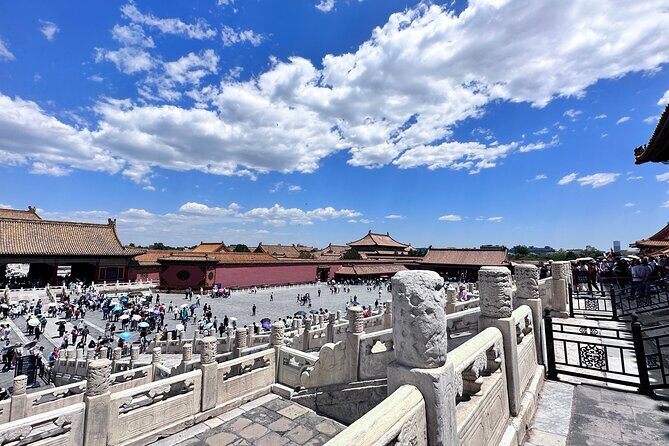
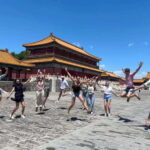
You spend about 3 hours in the Forbidden City itself, which is a solid amount of time for highlights without turning the day into a sprint. You’ll go through several of the “big meaning” spots that visitors usually struggle to connect on their own.
Meridian Gate (Wumen): the processional entrance feeling
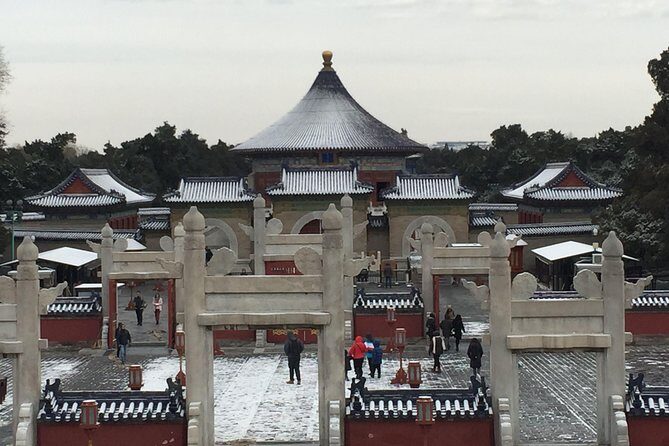
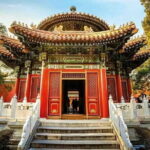
Wumen, the Meridian Gate, is the southern entrance and a major ceremonial gateway. It’s not just decorative. It’s tied to the idea of imperial order and how power was staged—approaching it feels like stepping into a planned route rather than walking into random ruins.
A guided stop here is worth it because the gate’s details make more sense when you understand how the space was meant to work. Even if you only grasp a few key explanations, you’ll look at the carvings and the layout with more meaning afterward.
Drawback to consider: if you’re only focused on photography and don’t want context, you might feel the guide pauses too often. But if you want your photos to match what the buildings represent, this is the kind of stop that helps.
Hall of Supreme Harmony (Taihe Dian): the power-center view
Taihe Dian is the most important building on the ceremonial axis. It’s the sort of place where you can feel the scale without needing a lecture—but the guide’s job is to connect that scale to why it mattered.
You’ll get a sense of the hall’s central role in state rituals. For many first-time visitors, this is where the Forbidden City stops feeling like one big complex and starts feeling like a designed system: where events happened, why certain rooms mattered, and how the layout reinforced hierarchy.
Qianqing Palace: where emperors lived and ruled
Qianqing Palace (Palace of Heavenly Purity) served as a primary residence for Ming and Qing emperors. That shift—from ceremonial center to a major living-and-governing space—helps you understand the Forbidden City wasn’t only for public ritual. It was also daily governance behind the scenes.
This stop tends to be especially useful if you want the place to feel human rather than only grand. Even with a short visit window, the guide can connect the functions of the space to the period of rule and the imperial logic of the complex.
The Imperial Garden pause: a calmer pocket inside the palace walls
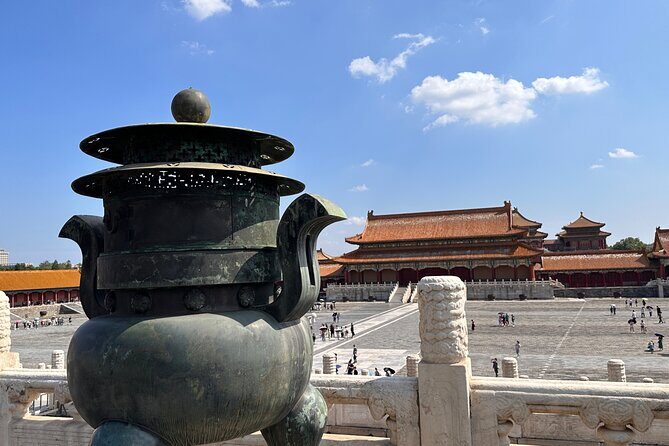
After the key halls, you’ll move to the Imperial Garden of the Palace Museum (Yuhua Yuan), a quieter area within the Forbidden City. You have about 15 minutes here, which is short—but that’s often perfect for what this garden is meant to do: give you a break from constant monumental architecture.
This is where you can reset. You’re dealing with big courtyards and strong sightlines inside the palace; the garden adds ponds, pavilions, and a sense of retreat. If you’re walking for hours, that small tonal change is a real plus.
Consideration: because the garden time is brief, you won’t get a long wandering session. But it’s a good way to balance your day: ceremonial drama first, then a gentler landscape moment before you head out.
Jingshan Park summit photos: the classic Beijing angle
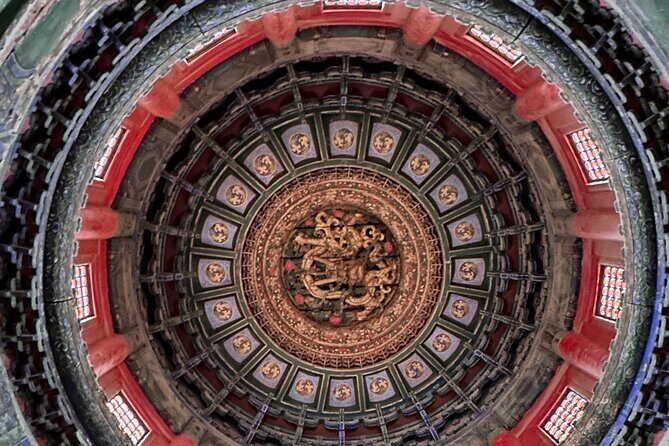
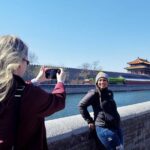
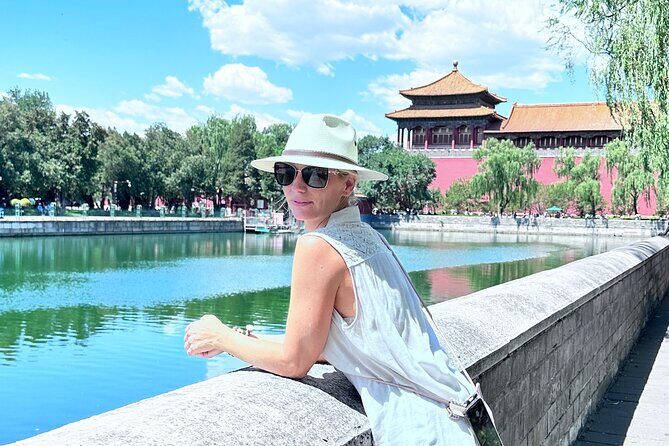
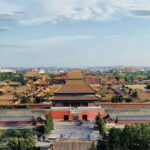
The tour ends at Jingshan Park, located north of the Forbidden City. This is the payoff view. You’ll have about 30 minutes, enough time to reach the summit and get the Wanchun Pavilion viewpoint.
The big reason this stop works is simple: you see the Forbidden City from a higher, more readable angle. From the hill, the rooflines and the overall layout start to click. It’s a different kind of understanding than what you get walking among the halls.
You also get a change of pace. Instead of being surrounded by palace walls, you’re outside with open sky. That can make your photos look more like a complete scene rather than close-up fragments.
How the guide style makes or breaks the day
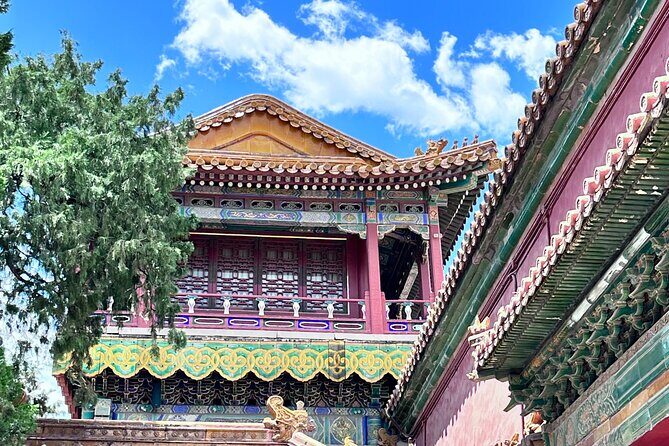
One of the biggest themes from past visitors is that the guides make the site make sense. Names that come up include Susan, Lily, Ren, and Simon, and the common thread is clear English and strong explanations tied to what you’re seeing.
In practice, here’s what that looks like for you:
- You won’t just hear dates. You’ll understand the role of each major building in the imperial layout.
- Stops feel timed so you can photograph key areas without losing the story.
- You get guidance on how to look at details—carvings, architecture cues, and the purpose behind the placement.
If you’re the type who wants a lesson, this tour rewards you. If you mainly want a quick highlights sweep, you’ll still get plenty of photo time, but you may want to pay attention to where the guide is directing you.
When to choose morning vs afternoon
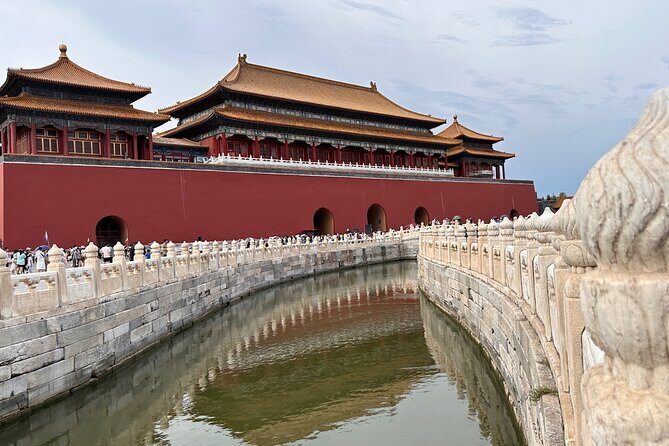
The tour offers a choice of morning or afternoon visits. That flexibility matters in Beijing because lighting, crowds, and your energy level can shift fast.
If you like softer light for photos, morning can be easier to plan around. If you prefer a later start after a slower breakfast, afternoon may fit your schedule better. Either way, the structure stays the same: Forbidden City highlights first, then the climb and viewpoint at Jingshan Park.
One practical tip: if you’re sensitive to heat or sun glare, treat Jingshan’s summit walk as your outdoor workload. Dress for walking, and bring something simple for sun and wind.
Logistics that actually matter on a 4-hour timeline
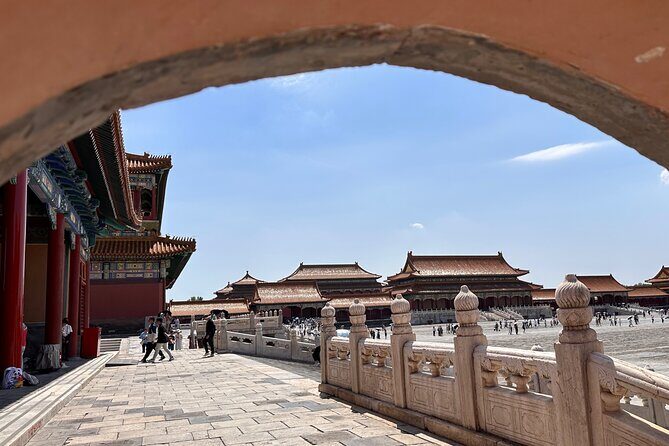
Small-group tours sound nice in theory, but the real difference shows up in movement and decision-making.
This experience keeps the day tight and efficient:
- You start at a specific meeting spot (Hotel Kapok Beijing).
- You spend about 3 hours inside the Forbidden City.
- You get a brief, intentional garden stop.
- You finish at Jingshan Park with a viewpoint focused on photos and perspective.
Because you’re not doing a full-day exploration, you should come with a short list in mind. If you want Wumen, Taihe Dian, and Qianqing Palace, this tour hits those priorities. If your dream is to go deep into less-famous buildings or museums-within-a-museum, you may need a longer independent visit afterward.
Who this tour suits best
This is ideal for:
- First-time visitors who want the biggest highlights in a short window
- People who feel overwhelmed by the Forbidden City’s size and want a clear route
- Travelers who care about context—architecture, symbolism, and how spaces were used
- Photographers who want a structured plan and a proper viewpoint at the end
You might want to look elsewhere if:
- You want unhurried time in many areas rather than a highlights-focused route
- You dislike stairs or longer outdoor walking, since Jingshan’s summit requires effort
Should you book this Forbidden City and Jingshan Park tour?
Yes, I’d book it if you want an efficient, guided highlights circuit that still leaves room for photos and meaning. The price feels fair when you remember what’s included: guided time with a small group plus both major entry tickets (Palace Museum and Jingshan Park). The prebooked entry also removes a common source of wasted time.
If you’re deciding between going alone and taking a tour, the biggest deciding factor for me is whether you want the Forbidden City to feel like a story instead of a maze. With Wumen, Taihe Dian, Qianqing Palace, a quick Imperial Garden reset, and the Jingshan summit viewpoint, this tour gives you a strong “whole picture” in about half a day.
FAQ
Is this tour inside the Forbidden City only, or does it include Jingshan Park too?
It includes both. You spend about 3 hours at the Palace Museum (the Forbidden City) and then finish with a visit to Jingshan Park for about 30 minutes, including the summit viewpoint.
How long is the tour?
The duration is listed as approximately 4 hours.
What’s the group size?
It’s a small group with a maximum of 12 participants.
Are entrance tickets included?
Yes. Entrance tickets to the Forbidden City and Jingshan Park are included.
Do I need to buy tickets separately?
You’re provided a mobile ticket, and the tour includes the entrance tickets to the sites.
Where do I meet the guide?
The meeting point is Hotel Kapok Beijing, 16 Dong Hua Men Da Jie, Dong Cheng Qu, Beijing.
Where does the tour end?
The tour ends at Jingshan Park, 44 Jing Shan Xi Jie, Jing Shan Xi Cheng Qu, Beijing.
Is hotel pickup or drop-off included?
No. Hotel pickup and drop-off are not included; you’ll meet at the listed hotel and the tour ends at Jingshan Park.
What should I know about weather or cancellation?
This experience requires good weather. If it’s canceled due to poor weather, you’ll be offered a different date or a full refund. There is also a free cancellation window up to 24 hours in advance for a full refund.