REVIEW · BEIJING
Beijing: Hutong Private Culinary Walking Tour
Book on GetYourGuide →Operated by Discover Beijing Tours · Bookable on GetYourGuide
Your stomach learns Beijing fast. This private Hutong walk gives you the local rhythm with 20+ tastings across small markets and snack shops. You start with hotel pickup, then head into the alleyways where food culture feels close-up, not staged.
I love the way the tour can be tailored to dietary needs, so you get to taste widely without feeling locked out. I also like the guide’s job as a translator of flavors—clear English, plus food-history talk that makes each bite make sense.
One possible drawback: a few stops include offal-style dishes and strong-smell foods like stinky tofu, so you’ll want to flag your comfort level early.
In This Review
- Key highlights worth planning for
- Why Hutong street food feels real (and not staged)
- Hotel pickup to Hutong alleys: how the 4-hour flow works
- The snack lineup: from jianbing to oddball classics
- Diet tailoring: how the guide keeps your tasting on track
- Optional upgrades: Peking duck or hot pot as the “locals” finish
- The people and the food story: what the guide brings to the table
- Price and value: is $79 worth it?
- Who should book this Hutong culinary walking tour
- Should you book the Beijing Hutong Private Culinary Walking Tour?
- FAQ
- How long is the Beijing Hutong Private Culinary Walking Tour?
- Is hotel pickup and drop-off included?
- Can the tour be tailored for dietary requirements?
- What kinds of tastings are included?
- Does the tour include alcohol?
- How do you get to the Hutong area from your hotel?
Key highlights worth planning for
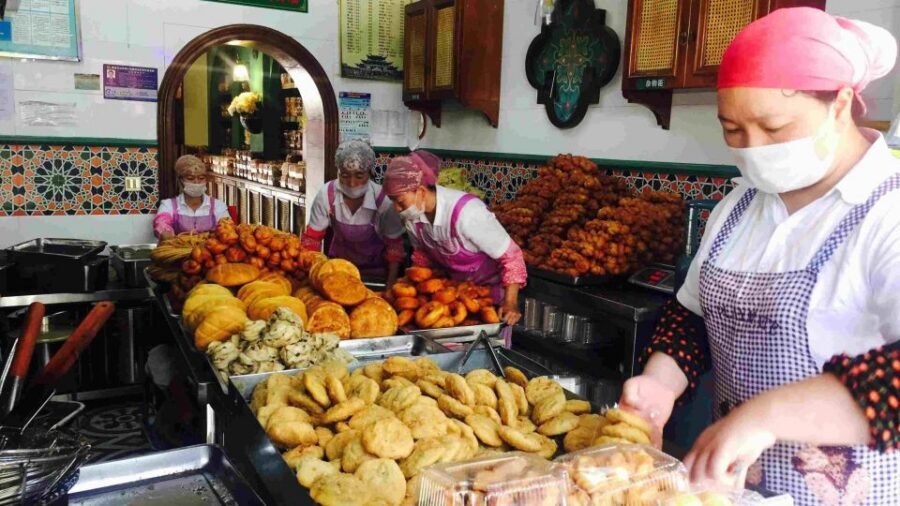
- 20+ tastings across 7+ stops so you’re not just sampling one or two “famous” items
- Diet changes are welcomed, meaning the guide can steer you toward what you can eat
- Hutong alleyway experience without crowds, guided by someone who knows where locals go
- Interactive food history covering Chinese culinary habits and regional specialties
- Optional add-ons: upgrade to a Peking duck or hot pot dinner with the locals
- Choice is built in, including an option to skip or include items like stinky tofu
Why Hutong street food feels real (and not staged)
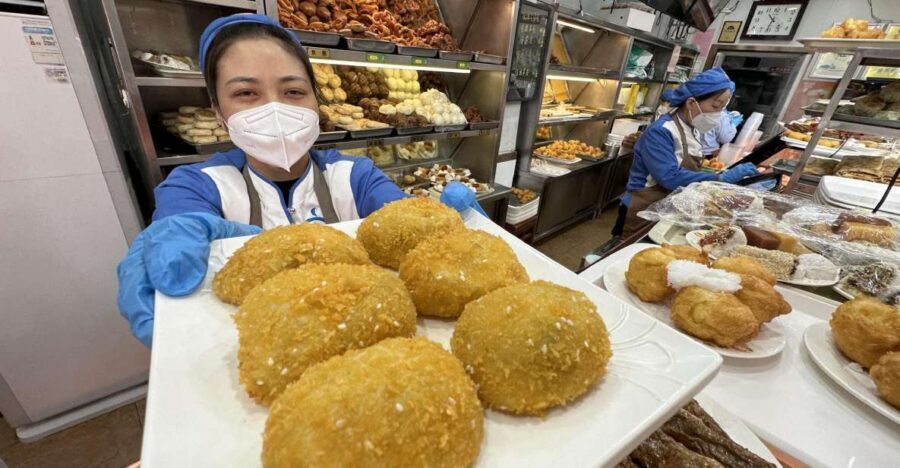
Beijing’s Hutong area is where food works like daily life: quick bites, repeat customers, and stalls where the owner knows what people want. On this private culinary walking tour, that “local first” feel is the point. You’re not sorting through tour groups or competing for attention in a crowded restaurant line.
The tastings matter too. Instead of one big meal where you only sample a handful of flavors, you get a long chain of small plates and snacks. That creates a better picture of how Beijing eats—sweet, salty, fermented, crispy, warm, and spicy—all in the same evening.
A nice extra: the guide doesn’t just point at food. They explain how Chinese eating habits connect to ingredients and region. That turns the tour from snack-hunting into real understanding. If you enjoy learning why something tastes the way it does (rather than just what it is), you’ll feel more confident ordering on your own later.
And because it’s private, you can ask questions and adjust pace. In the real world, that’s the difference between a “food tour” and a food lesson.
You can also read our reviews of more walking tours in Beijing


Hotel pickup to Hutong alleys: how the 4-hour flow works
The day starts at your Beijing hotel. Your guide meets you in the lobby holding a sign with your name. From there, you’ll travel to the Hutong area.
How you get there depends on your option. If you choose the private car/minivan, that’s included. If you don’t, you can head over by subway, at your own expense. Either way, the walk portion is the main event, because that’s where the food stops and local context come together.
This runs for about 4 hours, which is a smart length for a tastings-focused tour. It’s long enough to build momentum and try a lot of items, but short enough that you’re not dragging yourself home mid-supper.
In practice, the guide keeps things moving: short walks between stops, then time to taste and ask questions. Since you’re having food at markets, shops, bakeries, and restaurants, you’ll also get a sense of how different types of places fit into daily snacking.
Comfort tip: you’ll be walking, so wear shoes you can stand in for a while. Also, come hungry in a controlled way—yes, you’ll eat a lot, but you’ll enjoy the range more if you’re not already stuffed before the first stop.
The snack lineup: from jianbing to oddball classics
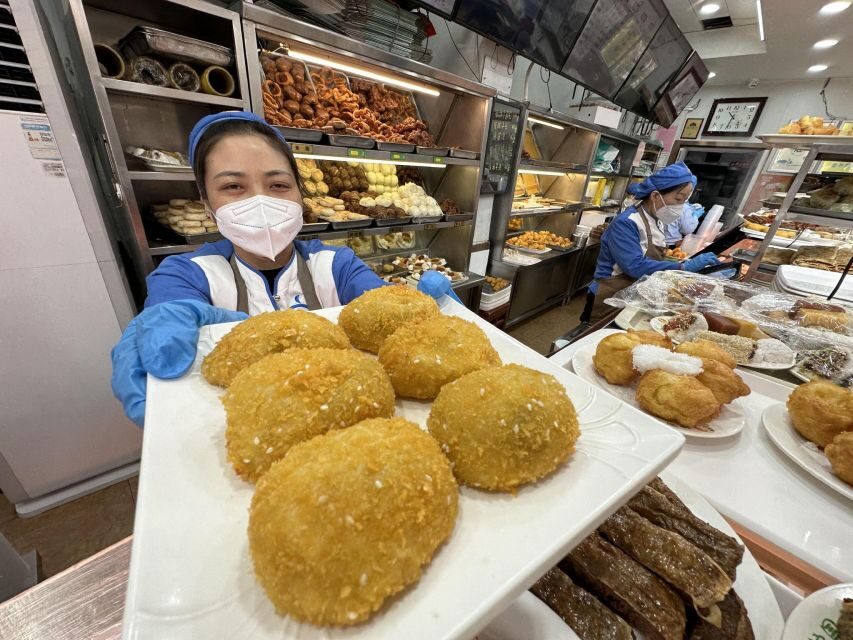
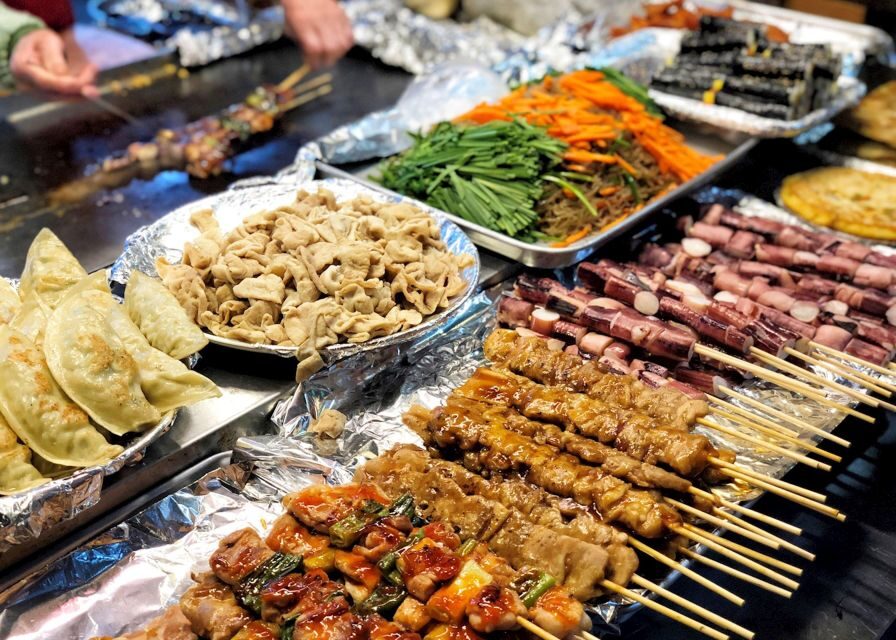
Expect a lineup that hits a wide spread of textures and flavors. You’re looking at 20+ different food tastings across multiple locations, and several of the items are the kind you rarely see unless you’re in the neighborhood.
Here are some of the specific tastes you may encounter:
Jianbing and morning-style staples
- Jianbing: a thin millet flour pancake. Think crispy edges with filling options, the kind of snack you’ll spot all over but rarely taste thoughtfully unless someone explains it.
- Shaobing: baked sesame seed cake. Salty, fragrant, and usually best as a warm, grab-and-go bite.
Fermented, fried, and sweet-snack energy
- Ma dou fu: dried fermented mung bean juice. Funky and memorable—this is the sort of flavor that teaches you something about how Chinese fermentation becomes comfort food.
- Tang Er duo: fried sugar cake. Sweet, crunchy, and very different from the savory items around it.
- Ma Hua: fried flour. Simple ingredients, quick fryer logic, and easy to love once you bite in.
- ZHA GUAN CHANG: fried corn flour cakes. A snack that leans crispy and dense.
Breads, dumplings, and handheld comfort
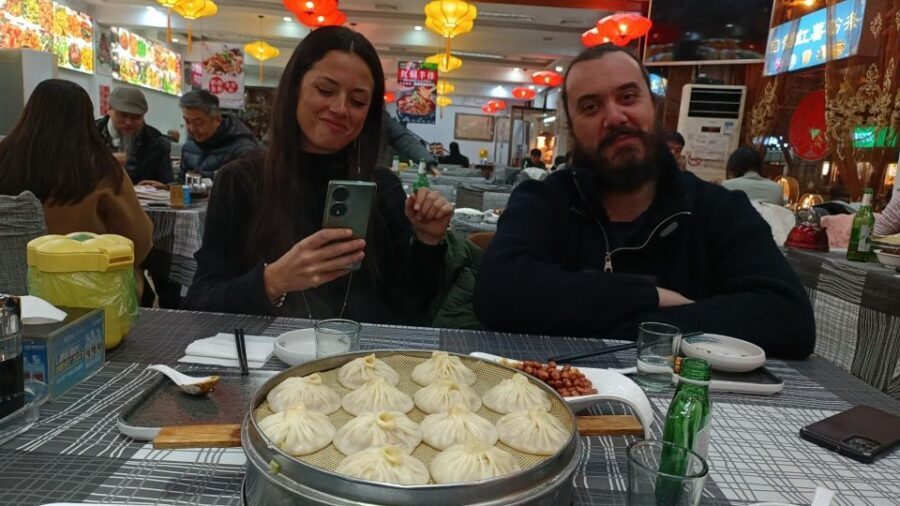
- Baozi: stemmed dumplings, round in shape. It’s the kind of warm, filling bite that makes the tour feel like dinner even before dinner.
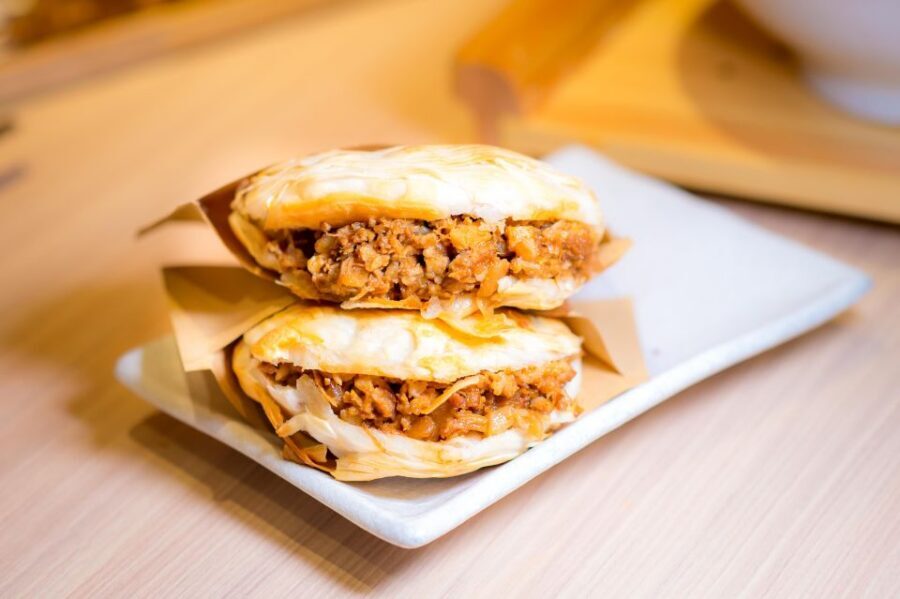
- Roujiamo: beef in the bread. A street-style sandwich feel—meaty, savory, and usually fast to eat between stops.
Specialties with regional fingerprints
- Muslim kebabs: including lamp kebabs, leek, eggplant, and more. This adds a different flavor direction than the sweeter snacks and broadens the story of what Beijing eats.
- Hunan snacks: steamed and fried cakes made of sticky rice. This is where you can taste regional preferences, especially if spice shows up in the mix.
- Beijing Suan Nai: Beijing yogurt. Cool and tangy after fried items, which is exactly how you want your palate to reset.
Offal-style and the strong-smell option
- LUZHU HUOSHAO: wheaten cake boiled in meat (pig’s intestine and liver) broth. This is a “pay attention to what you’re tasting” dish. If you like adventurous eating, it’s a great window into traditional flavors. If you don’t, you’ll want to discuss alternatives in advance.
- Stinky tofu is offered as an option. The name is not subtle. If you’re curious but cautious, you can choose whether to go for it.
Supper-side flavors you might taste along the way
- Spicy hotpot on sticks with either meat or vegetable.
- Moon cake fried bread with red beans.
- Beijing snacks set: around 6–10 different snacks.
- Baijiu (Chinese liqueur) may come up as a tasting item, but the tour notes say alcohol isn’t included—so don’t treat any liquor pour as automatically covered.
The bigger point: this isn’t one-note food. The tastings are arranged to give you contrast. You’ll start noticing patterns in how Beijing balances crispy/fried with warm/brothy and sweet with savory.
Diet tailoring: how the guide keeps your tasting on track
One of the best reasons to book this tour is the flexibility. The itinerary and food items included can be tailored to your dietary requirements. That’s huge when you’re trying street food in a city where ingredients can vary shop to shop.
What you should do is plan to start the conversation early. Tell your guide:
- what you can eat
- what you avoid
- what you’re hesitant about (especially anything like offal or strong-smell foods)
In this format, tailoring doesn’t feel like a compromise. It feels like better navigation. One guide might keep you in the same neighborhood but swap the tasting route; another might adjust what you get at each stop so you still try enough variety to understand the food culture.
Also, the tour offers optional upgrades, so you can steer the evening even further:
- Upgrade to Peking duck
- Upgrade to hot pot
These are positioned as a chance to eat with the locals and get deeper cultural context, not just add another expensive plate.
If you’re traveling with someone who has restrictions, this kind of adjustment can turn a stressful meal planning problem into a smooth evening.
Optional upgrades: Peking duck or hot pot as the “locals” finish
If you want the tour to end with a more full-on Beijing meal, consider the upgrades. Adding Peking duck or hot pot changes the vibe from snack tasting to a proper sit-down dinner feel.
Why that’s valuable: a tasting tour teaches flavors, but dinner teaches how people actually eat them—how they pace the meal, share dishes, and build from one flavor moment to the next. A hot pot upgrade also fits the local logic of communal eating, where ingredients cook at the table and the broth anchors the whole experience.
The key practical angle: if you’re upgrading, you’ll want to manage your pace during the walking tastings. You still want to enjoy everything, but you don’t want to reach dinner already overfull. A good guide will usually help you find that balance.
You can also read our reviews of more private tours in Beijing



The people and the food story: what the guide brings to the table
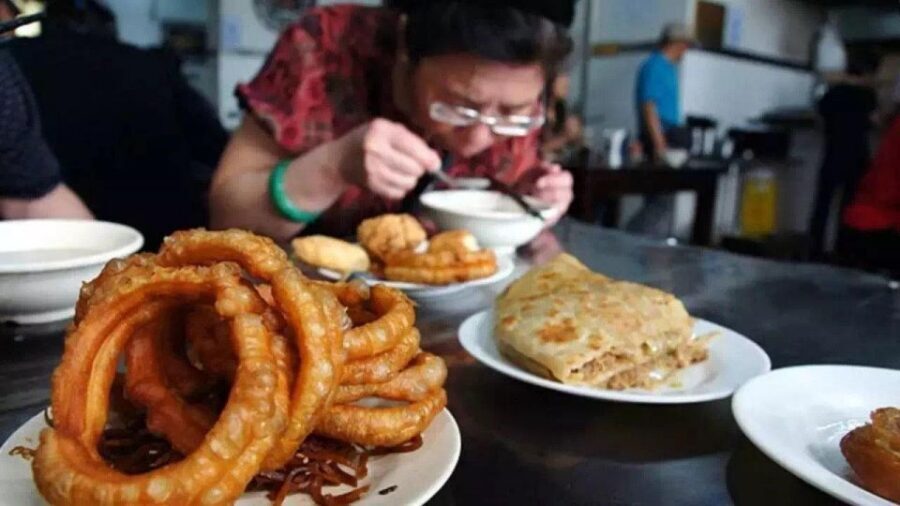
The real value here is the guide translating Hutong food into something you can carry home.
Multiple guides are praised for strong English and the ability to connect food to place. Names you may run into include Anson, Andy, Miko, Jay, Jimmy, Mike, and Lucy, and they’re described as professional, funny, and able to adjust the tour to what you actually like.
That matters because Hutong cooking is partly ingredient knowledge and partly social knowledge:
- how people choose snacks
- why certain textures are favored
- what flavors show up together
- and how local history shapes everyday food
The tour includes an expert foodie guide who offers food facts like:
- an overview of Chinese culinary habits
- context across different regions of Chinese cuisine
- introductions to selected specialties at the shops you stop in
You’ll also have room for interaction. If you like asking why something is fermented, why something is fried, or what locals order for a quick meal, this format fits.
Price and value: is $79 worth it?
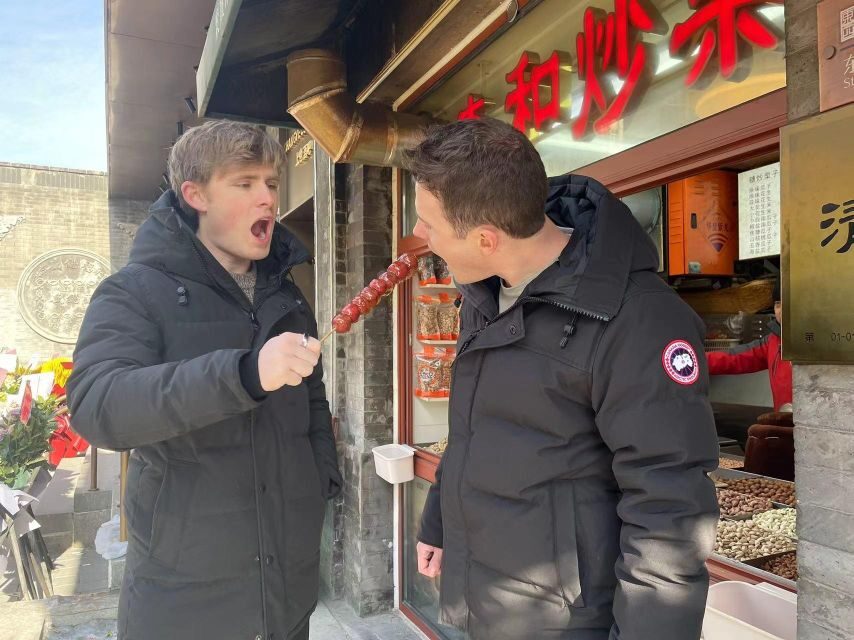
At $79 per person for roughly 4 hours, this is priced like a serious food experience—not a cheap “walk and snack” add-on. The value comes from the combination of:
- Hotel pickup and drop-off
- an English-speaking guide
- a private group format
- 20+ food tastings over 7+ stops
- the ability to tailor what you eat
- optional dinner upgrades (Peking duck or hot pot)
If you tried to recreate this on your own, you’d spend time figuring out where locals go, what’s actually worth eating, and how to order confidently. The guide compresses that learning curve into a single evening.
One more practical point: this tour is best for people who want variety. If you only want one or two foods, the cost may feel heavier. If you love tasting lots of small things and learning as you go, the price makes more sense.
Also note: alcohol is listed as not included, so don’t count on liquor being covered even if it’s mentioned among possible tasting items.
Who should book this Hutong culinary walking tour
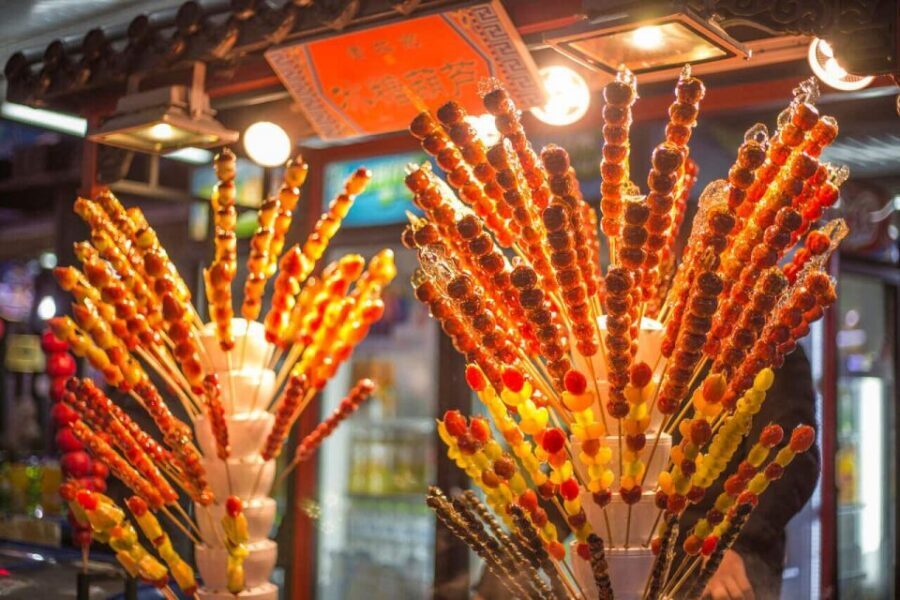
This tour is a great match if you:
- love street food but want help choosing and understanding what you’re eating
- want a private experience in Hutong without large crowds
- have dietary needs and want real adaptation, not awkward “special meal” excuses
- want a guide to connect food history to the snacks you’re tasting
It’s also a strong choice for couples or friends who want a coordinated evening. And if you’re the kind of traveler who enjoys short, frequent stops, this pacing will feel natural.
If you’re extremely picky about strong smells or offal-style foods, you can still book—just be upfront about what you want to avoid. The tour’s customization is there for a reason.
Should you book the Beijing Hutong Private Culinary Walking Tour?
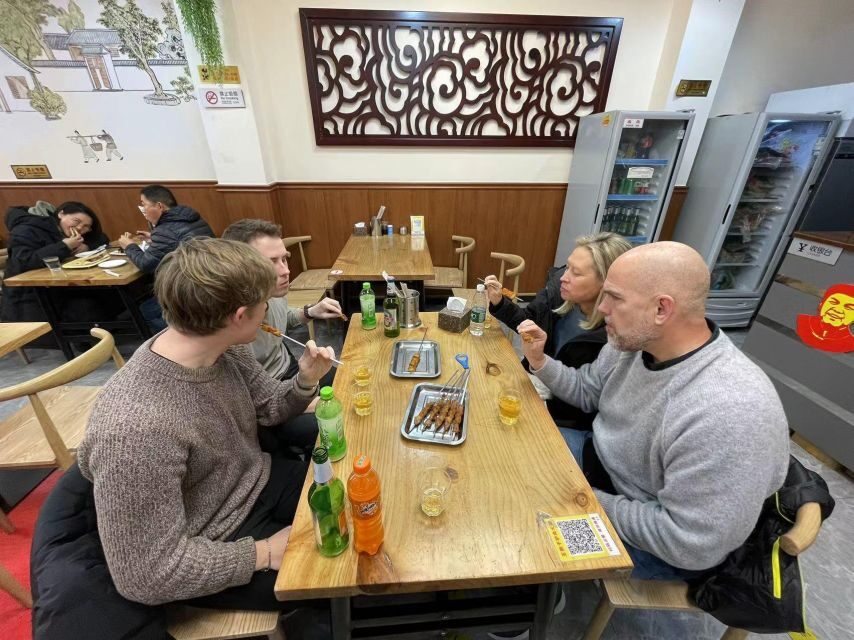
Book it if your idea of a good Beijing night includes walking through Hutong with an English guide and trying a lot of snacks you wouldn’t confidently order alone. The private format, the 20+ tastings, and the ability to tailor your food make it feel like value, not just consumption.
Skip or reconsider if you know you’ll hate fermented or offal dishes and you don’t want any optional strong-smell items. In that case, you might feel pressured if you don’t clearly communicate your boundaries before you start.
If you’re on the fence, think like this: do you want food guidance plus local context in one smooth evening? If yes, this tour fits.
FAQ
How long is the Beijing Hutong Private Culinary Walking Tour?
It lasts about 4 hours.
Is hotel pickup and drop-off included?
Yes. Your guide meets you in your hotel lobby, then you’ll also get drop-off back after the tour.
Can the tour be tailored for dietary requirements?
Yes. The itinerary and food items included can be adapted to match what guests can eat.
What kinds of tastings are included?
You’ll have 20+ different food tastings across multiple stops, including items like jianbing, baozi, roujiamo, Muslim kebabs, and options such as stinky tofu. You can also add tastings like Peking duck or hot pot when booking.
Does the tour include alcohol?
No. Alcohol is listed as not included.
How do you get to the Hutong area from your hotel?
Pickup is included, but if you choose not to use the private transport option, you can travel by subway at your own expense.