REVIEW · BEIJING
Beijing: Hutongs & Food & Culture Walking Tour
Book on GetYourGuide →Operated by Sister tours · Bookable on GetYourGuide
Beijing in walking form can surprise you. This hutong-focused route turns old lanes into a living lesson in how people actually lived, ate, and chatted inside siheyuan courtyard neighborhoods. I love that it combines street-level culture with small stops you can feel in your day. One possible drawback: it is a 3 to 6 hour walking plan, so comfortable shoes matter more than you think.
I also like the street food know-how built into the experience. The guide points you toward everyday classics like jianbing guozi, tanghulu, and douzhi so you know what to order and how locals typically eat it. Finally, you get a calmer cultural break with a traditional teahouse moment and craft-style scenes, which helps the day feel less like a checklist.
In This Review
- Key points to know before you go
- Why hutongs still feel like old Beijing
- Picking your starting point: Drum Tower, Capital Museum, or Shichahai
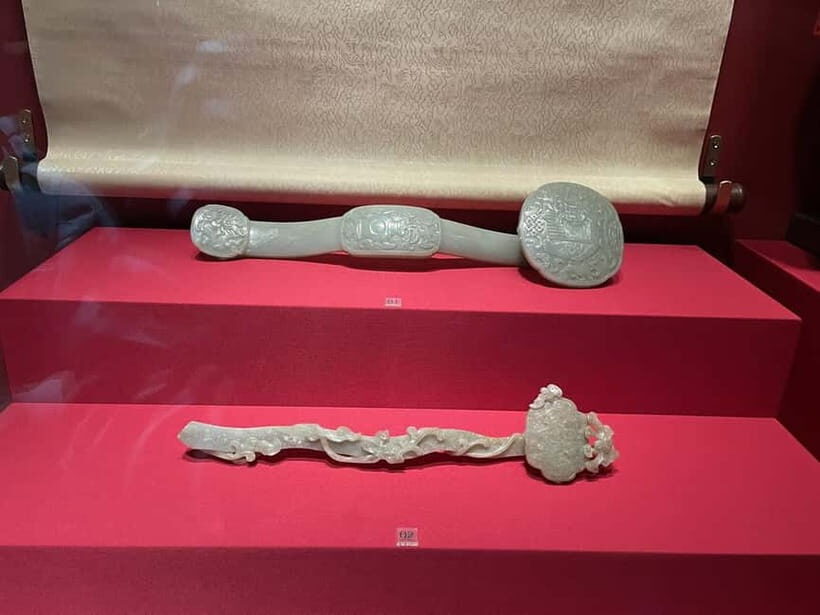
- Beijing Capital Museum: a guided block that sets context
- Hutong strolls through Nanluoguxiang and Shichahai
- Street food stops: jianbing, tanghulu, douzhi, and how to order
- Tea house time and folk craft moments (including calligraphy and paper cutting)
- Optional rickshaw ride and home visit: what you gain
- Logistics that affect your comfort and photos
- Price and value: what you get for about $2.86
- Who this tour is best for
- Should you book this hutongs and food culture tour?
- FAQ
- FAQ
- How long is the Beijing hutongs and food culture walking tour?
- Where can the tour start?
- Is food included in the tour price?
- Are museum tickets included?
- What languages are the live guides available in?
- Are there restrictions on photography or bags?
Key points to know before you go
- Pick a smart start location from Drum Tower, Capital Museum, or Shichahai depending on your schedule
- Learn courtyard life through hutongs and traditional siheyuan you can actually walk past
- Street food classics you’ll know what to look for, including jianbing guozi, tanghulu, and douzhi
- Tea house + folk arts with tea guidance and hands-on-style moments like paper cutting and calligraphy
- Nanluoguxiang and Shichahai route areas for a mix of old streets and scenic calm
- Optional upgrade moments like a rickshaw ride and home visit if that option is selected
Why hutongs still feel like old Beijing
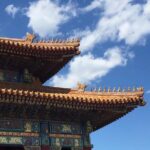
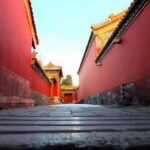
Hutongs are narrow, winding lanes, and that shape matters. When you walk them, your pace slows. You notice front doors, wall textures, and the way everyday life spills out from behind red wood and gray tiled roofs. The siheyuan (courtyard residences) are the visual centerpiece: family life organized around an inward space, not just a street storefront.
This tour is built around that physical reality. Instead of only seeing photos or talking about the past, you’re moving through the neighborhoods that still show the courtyard rhythm—neighbors chatting, small local spaces, and the kind of community feel that only makes sense when you’re on foot.
If you like culture that you can watch and read with your eyes, this is a good fit. If you’re hoping for a single massive monument stop, you may find the pace more subtle than dramatic.
You can also read our reviews of more walking tours in Beijing
Picking your starting point: Drum Tower, Capital Museum, or Shichahai
You can start in one of three places, and your choice affects how the day flows.
Drum Tower (鼓楼)
Great if you want the day to begin in an older central area and let the hutong walk gradually set the tone. It usually works well when you want to ease in rather than jump straight into a museum.
Beijing Capital Museum (首都博物馆)
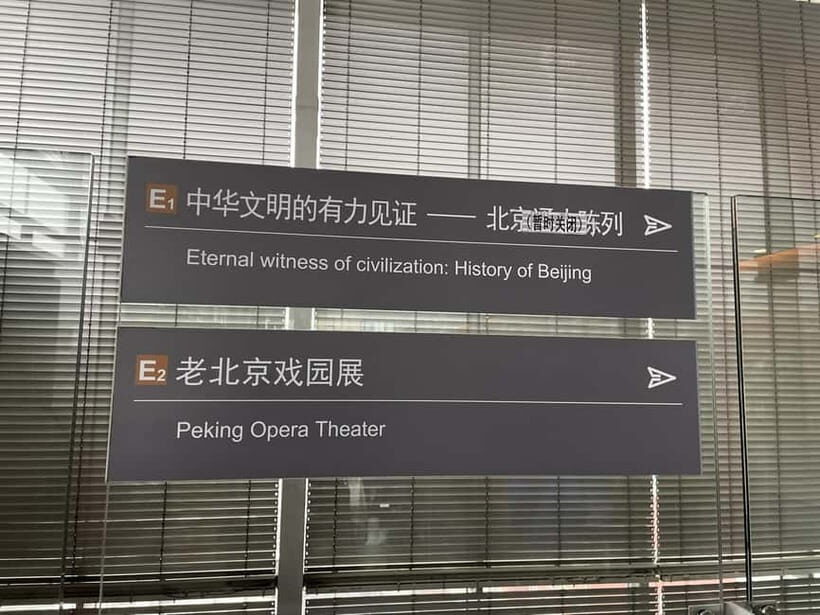
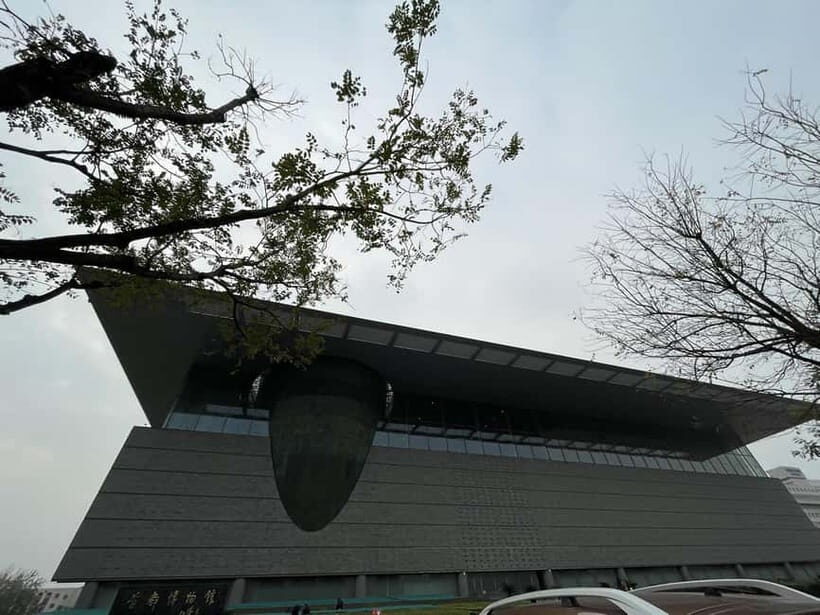
This option makes the museum part feel like the anchor of your morning or afternoon. The guided tour at the Capital Museum is about 3 hours, so you’ll start with a structured cultural foundation before you hit the lanes.
Shichahai (什刹海)
This is a calmer choice. Shichahai sits around scenic lakes, and you’ll likely get that laid-back “look around, watch locals, take a breath” vibe near the start. It also pairs nicely with photography that isn’t just about buildings but about daily life near the water.
No matter where you start, the meeting point can vary by option. You’ll want to double-check the exact location tied to your booking so you’re not arriving to the wrong corner of the city.
Beijing Capital Museum: a guided block that sets context
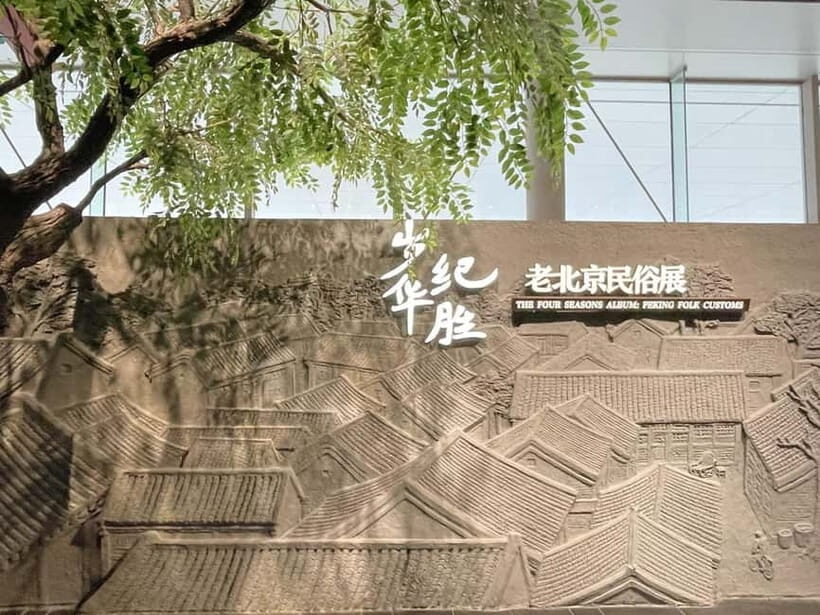
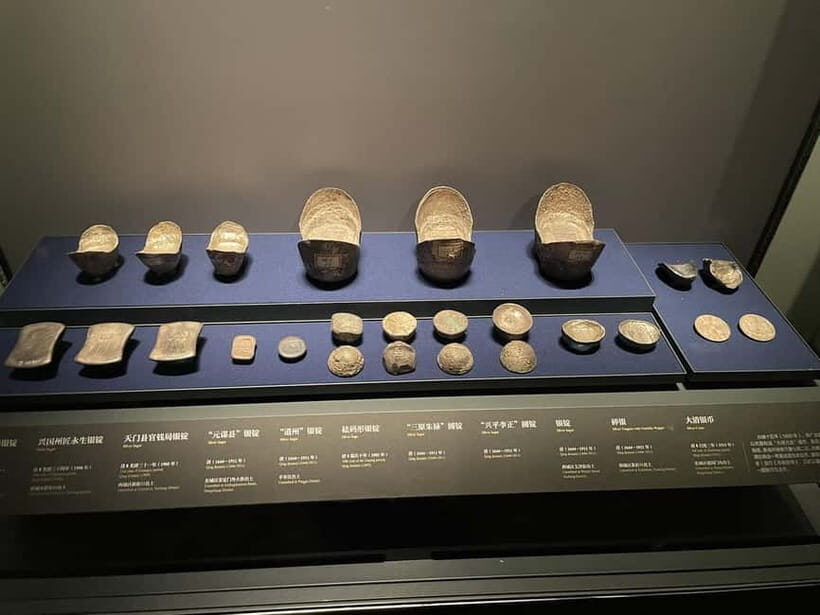
One reason this tour works for first-timers is the built-in museum time. When you choose the Capital Museum option, you get a guided visit lasting around 3 hours.
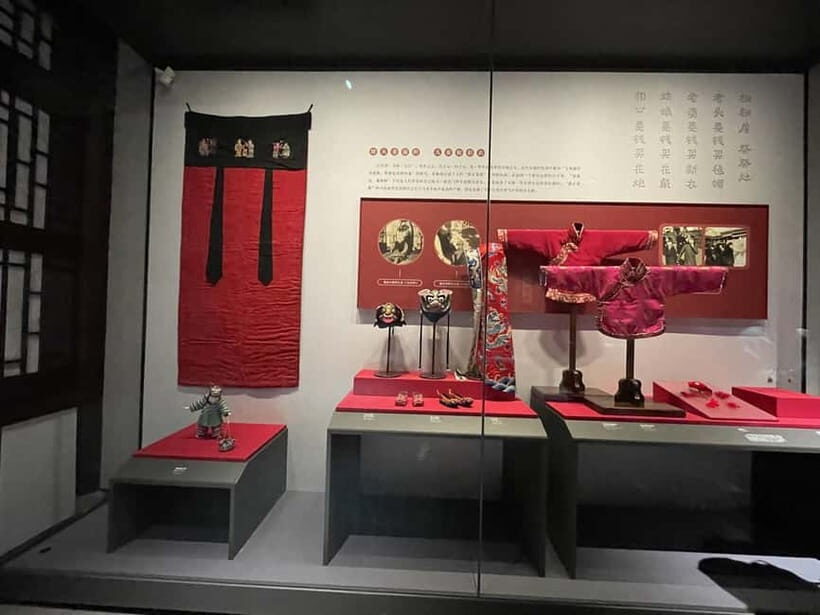
The museum portion is also where you can reset your mental map of Beijing. You’ll have a local guide helping connect what you see later in hutongs to bigger cultural themes. And based on the feedback, people often like the museum itself—especially because it feels large and interactive.
Practical tip: since the hutong part is walking-heavy, don’t plan a late lunch immediately after the museum unless you know you can handle a second rhythm shift. I’d rather you save energy, especially if you’re eating as you go.
Also remember: admission needs to be booked in advance online, and you’ll need to provide passport information for ticket booking. So plan for that early, not at the last second.
Hutong strolls through Nanluoguxiang and Shichahai
The classic route includes well-preserved hutong areas such as Nanluoguxiang and Shichahai. These two places work together because they show different sides of the same city fabric.
Nanluoguxiang
This area balances traditional streets with a more modern edge—ancient residences alongside boutique shops and cozy cafes. That mix can be a little confusing if you only want “pure old Beijing,” but it also makes the experience feel real. Beijing didn’t freeze in time; it kept changing while still keeping physical traces of the past.
Shichahai
Shichahai offers a quieter counterpoint. You’ll be around the lakes, with space to watch locals—like flying kites by the water—and to pause where the noise drops. You may even find a lakeside teahouse moment where the pace slows down without stopping the story.
Throughout the walk, keep an eye out for details that signal siheyuan life: door knockers, courtyards tucked behind walls, the way vines or greenery appears on facades. If you’re the type who enjoys “reading” buildings, you’ll get a lot from this section.
Street food stops: jianbing, tanghulu, douzhi, and how to order
No hutong experience in Beijing feels complete without food. You’re not just tasting here; you’re learning what locals reach for in daily life.
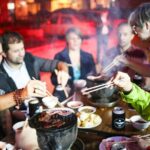
Even though food and drinks aren’t included in the tour price, the guide’s role is valuable: you’ll follow the aromas and end up at the kinds of family-run stalls and small eateries that make Beijing street food what it is.
Here are the items the route highlights, and what they mean for you:
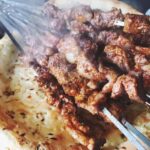
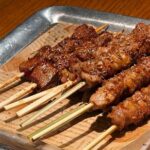
- Jianbing guozi: a crispy fried crepe-style base with egg, scallions, savory sauce, and a crunchy wonton wrapper. It’s often a breakfast staple, so expect it to be filling and fast.
- Tanghulu: candied hawthorns on a stick. Sweet, tangy, and easy to share if you’re tasting other things too.
- Douzhi: fermented mung bean soup. It has a tangy character that’s very Beijing. You might see it paired with youtiao (fried dough sticks) and preserved vegetables, which is a big clue about the local balance of textures.
Practical approach: since you’re likely paying for food yourself, think like a sampler. Get one hot item and one sweet, then stop before you feel stuffed. That leaves energy for the rest of the walk and the teahouse segment.
And one more photo note: flash and tripods are prohibited, so rely on natural light and quick shots.
You can also read our reviews of more food & drink experiences in Beijing


Tea house time and folk craft moments (including calligraphy and paper cutting)
A standout part of this experience is the cultural pause in a traditional teahouse. You’ll step into a calmer interior space where a tea master guides a ceremony focused on tea like jasmine tea or oolong.
Why this matters: after walking narrow lanes, you need a reset. Tea time gives you a break that still connects to the day’s theme—community spaces, daily rituals, and the social side of traditional life.
You might also run into folk craft workshops along the way. The tour highlights two specific styles:
- Paper cutting, with delicate patterns often linked to good luck and prosperity
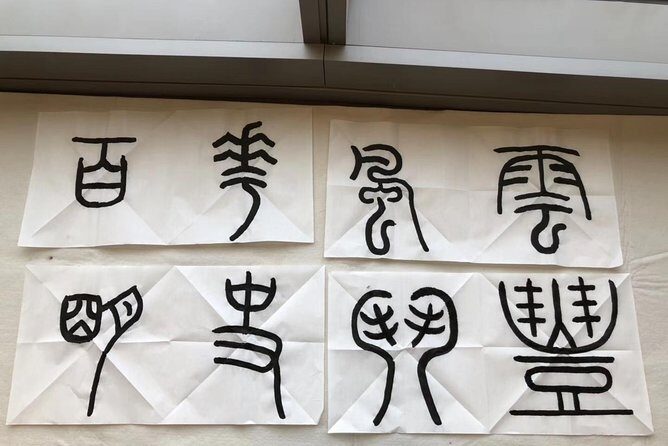
- Calligraphy, using brushes and ink to bring Chinese characters to life
If you’re lucky, you may also catch a snippet of Peking Opera nearby, with its recognizable costumes and singing style. Even a short glimpse can help you connect the dots between performance culture and everyday life you’re seeing in the hutongs.
Optional rickshaw ride and home visit: what you gain
Some bookings include extra experiences: a rickshaw ride and home visit. If your option includes it, I strongly recommend choosing it.
Why? Walking gives you the layout and the feel. A rickshaw ride adds motion and lets you experience the street scale in a different way—especially in lanes where cars simply don’t belong. A home visit (when included) can give you that inside-look perspective on how courtyard life is organized.
If your option does not include these, you’ll still get a strong walking-and-culture experience. But the included add-ons can turn the day from informative to memorable, because you’re seeing more of how the city works beyond storefront view.
Logistics that affect your comfort and photos
This tour is designed for walking, and the listed duration is 3 to 6 hours. That range matters. It suggests different pacing depending on your selected starting point and stops, so don’t plan a tight connection right after.
A few rules can also change how you experience the tour:
- No luggage or large bags, and no bikes
- No flash photography or tripods
- No smoking indoors, no littering, and no making noise or making fire
- Pets aren’t allowed (assistance dogs are allowed)
Also, you’ll want to bring your passport (or an ID card, as specified). Passport information is needed for ticket booking for admission. If you don’t send the details soon after booking, you could stall the process.
Good news: the tour offers live guides in English, Chinese, French, and Dutch, and there’s wheelchair accessibility for the museum. Private groups are available too, which can help if you want a calmer pace or more personal attention.
One note: it’s listed as not suitable for people over 95 years, so if that applies, you’ll want to ask your provider about alternatives.
Price and value: what you get for about $2.86
At a price listed around $2.86 per person, this isn’t about premium comfort or luxury. It’s about spending your money on access: a guided experience through hutongs plus a museum component when selected.
The big value lever here is guidance. Getting context while walking narrow lanes is hard to replicate on your own. You’re trading the stress of figuring out routes and what to look for.
But keep your expectations grounded. Food and beverages aren’t included, so budget extra for snacks and drinks. Also, admission for the museum needs advance booking, and you’ll provide passport information for that.
So the real value equation looks like this:
- If you want a guided understanding of hutong life and don’t want to wrestle with tickets and timing, you’ll likely feel this is good value.
- If you plan to ignore the guide and only snack and wander, you may not get your money’s worth.
Who this tour is best for
This tour is a strong match if you:
- Want to see Beijing through daily-life neighborhoods, not just big sights
- Like food culture enough to learn what to order, like jianbing guozi and douzhi
- Prefer a day that includes a walking segment plus a calm break (tea house)
- Enjoy hands-on cultural details like paper cutting or calligraphy
It may be less ideal if you:
- Want minimal walking or are sensitive to crowd movement
- Expect food to be included in the price
- Want a fully indoors, climate-controlled day
Should you book this hutongs and food culture tour?
Book it if your goal is real city texture: hutong lanes, courtyard glimpses, street food basics, and a tea-and-crafts pause. The combination of hutongs + food guidance + museum context gives you more than a simple walk.
Skip it (or think twice) if you hate walking for hours, or if you plan to arrive without arranging passport details for admission booking. Also, if you only care about one kind of Beijing experience—either food only or museum only—you might feel this is more balanced than focused.
If you do book, do yourself a favor: wear comfortable shoes, travel light (no large bags), and be ready to pay for what you eat on the street.
FAQ
FAQ
How long is the Beijing hutongs and food culture walking tour?
It’s listed as 3 to 6 hours, depending on the starting option and timing available.
Where can the tour start?
You can start from one of three options: Drum Tower, Capital Museum, or Shichahai. The exact meeting point can vary by the option you book.
Is food included in the tour price?
No. Food and beverages are not included, though the tour includes street-food culture stops and guidance on what to try.
Are museum tickets included?
The tour includes a guided tour of the Beijing Capital Museum (about 3 hours if that option is selected), and it notes skip the ticket line, but admission booking requires advance passport information.
What languages are the live guides available in?
The guide is available in English, Chinese, French, and Dutch.
Are there restrictions on photography or bags?
Yes. Flash photography and tripods are prohibited, and luggage or large bags are not allowed.