REVIEW · BEIJING
Beijing Hutong Breakfast Food Tour
Book on Viator →Operated by Lost Plate · Bookable on Viator
This 3-hour small-group breakfast walk turns Beijing lanes into a food tour you can actually follow. I love the 10+ tastings across several spots, and I love that the route feels like a local breakfast morning, not a choreographed circuit. The pace is easy enough to enjoy, but you should be ready for a bit of walking and for at least one dish that some people find intense.
A big part of the appeal is how the food connects to the place. You’ll sample classics and oddballs—think zongzi, fermented douzhi, and Mr. Yu-style comfort foods—while your English-speaking guide explains how people live in the hutong area. Guides like Lynn and Winnie have gotten strong praise for mixing food with Beijing context, and in one case even led someone to a great Peking duck recommendation. One consideration: some tastings are fermented or savory, so if your stomach is picky, you may need to pace yourself and skip what you truly dislike.
In This Review
- What makes this tour a smart morning plan
- Quick highlights to expect
- Why a Beijing hutong breakfast tour beats a regular food crawl
- The 3-hour walking loop: market stops and classic hutong comfort
- Stop 1: A market inside the National Art Museum area
- Stops 2 and 3: Longfusi Street, fermented tang and cured-beef comfort
- Stop 4: Dongsi North Street hutong secrets in stone and signs
- What you’ll eat: 10+ delicacies, plus unlimited drinks
- How to handle fermented and unfamiliar flavors
- The guide experience: friendly, food-first, and story-driven
- Meeting point and getting oriented around 美术馆东街
- Who this tour is for (and who should think twice)
- Value check: is $45 worth it for Beijing breakfast?
- Should you book the Beijing Hutong Breakfast Food Tour?
- FAQ
- How long is the Beijing Hutong Breakfast Food Tour?
- How much does the tour cost?
- How many people are in the group?
- What time does the tour start, and where do I meet?
- Is there a vegetarian option?
- Does the tour run in bad weather?
What makes this tour a smart morning plan
You’re looking at a hutong breakfast experience designed to keep your hands busy and your questions answered. The tour is unlimited food and drinks, and it runs in all weather, which matters in Beijing. My only real warning is timing: it starts at 9:00 am, so set an alarm and plan a calm morning rather than squeezing it between late-night plans.
Quick highlights to expect
- Up to 10 people means you get more time with the guide, not a hurry-up-and-go crowd shuffle.
- 10+ delicacies spread across 4–5 eateries so you don’t just repeat the same bite.
- Market time shows what’s in season, not just what’s popular for tourists.
- Fermented douzhi is a signature stop—love it or hate it, you’ll remember it.
- Hutong “how it works” storytelling includes doorway details and street-sign clues.
You can also read our reviews of more food & drink experiences in Beijing
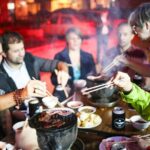
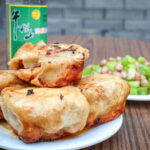
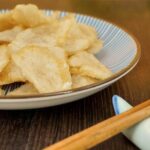
Why a Beijing hutong breakfast tour beats a regular food crawl
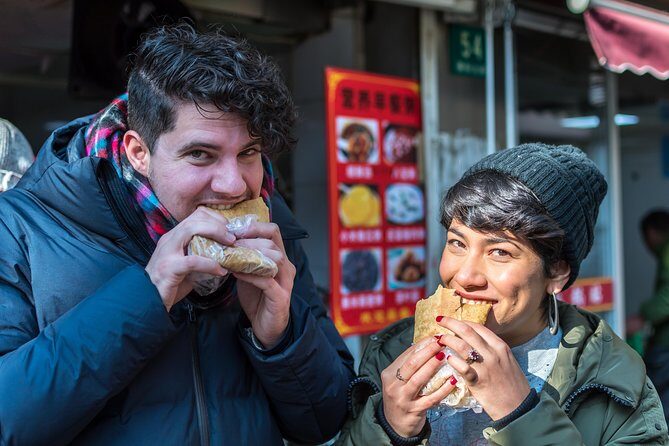
Beijing is full of food tours, but the best ones do two things at once: they feed you and they explain the everyday logic behind what you eat. This tour is built around a classic morning rhythm—snack, sip, and walk—while you move through a traditional hutong setting that feels more lived-in than staged.
I like that you’re not stuck in one restaurant pretending it’s a neighborhood. Instead, you bounce between several eateries and add market sightlines, so the breakfast becomes a map of local choices. Your guide also keeps the story tied to daily life, from how lanes are arranged to why certain places matter beyond the food.
And yes, the food matters. This isn’t just a few samples. You’re set up for a real breakfast feast: more than 10 different delicacies, plus drinks, with unlimited sampling along the way. At $45 per person, that can be a good value if you normally pay for multiple meals and drinks separately during a city morning.
The 3-hour walking loop: market stops and classic hutong comfort
The tour is about 3 hours, starts at 9:00 am, and ends back at the meeting point. That makes it an easy slot for your day: you finish with full energy and still have time for museums or old-city sightseeing.
Here’s how the flow feels, stop by stop.
Stop 1: A market inside the National Art Museum area
You begin near the National Art Museum of China, then step into a market housed in a former factory-like space. The setup matters: it’s not just a random stall cluster. You’re looking at practical food ingredients—fresh veggies, spices, and neatly prepared meat—laid out for everyday use.
This is also where you’ll try zongzi from a stall associated with Aunt Jie. Zongzi are glutinous rice dumplings, and they’re the kind of food that carries seasonal and cultural meaning. Even if you’ve had them before, the point here is context: you see them as part of a working market routine rather than a packaged novelty.
Why this stop is worth your attention: you’ll get a quick crash course in how breakfast food connects to what’s available right now.
Possible drawback: markets can be busy and slightly hectic in the morning. If you’re sensitive to crowds, use the guide as your buffer—follow their lead and don’t wander off.
Stops 2 and 3: Longfusi Street, fermented tang and cured-beef comfort
Longfusi Street is where the tour shifts from ingredients to “this is what people eat before work.” Two key tastings anchor this part.
First up: douzhi. This is fermented mung bean soup that’s tangy—definitely a signature Beijing-flavor moment. Expect an experience that’s memorable, not subtle. It’s also the kind of food that instantly tells you whether you’ll enjoy the rest of the route.
Then you move to another spot on Longfusi where you’ll meet Mr. Yu, serving childhood-memory comfort through food that’s both warm and satisfying. One highlight is crispy sesame flatbread stuffed with cured beef. Another is tofu pudding, the kind of dish that feels like a soft landing after anything bold and tangy.
Why this matters to you: these aren’t theoretical “culture snacks.” They’re real Beijing staples—salty, savory, and designed for morning comfort.
Pacing tip: if douzhi is intense for you, use it as a signal to slow down. Take a sip between bites and alternate with other tastings so you don’t stack strong flavors back-to-back.
You can also read our reviews of more tours and experiences in Beijing
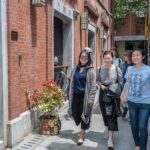
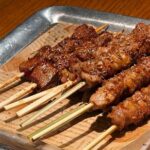
Stop 4: Dongsi North Street hutong secrets in stone and signs
After the food, you get the “how to read the neighborhood” part at Dongsi North Street. This is where hutong life becomes visible through details you’d otherwise walk past.
You’ll learn about doorway pillars made of stone, how color-coded street signs work, and how you can tell how many families live inside each area. It’s the kind of information that turns a maze of lanes into something you can understand.
Why this stop is valuable: it helps you slow down and see the structure of hutong living. Food is the hook, but the real payoff is learning how people organize daily life in these lanes.
Practical note: this portion is walking and looking. Wear comfortable shoes you trust.
What you’ll eat: 10+ delicacies, plus unlimited drinks
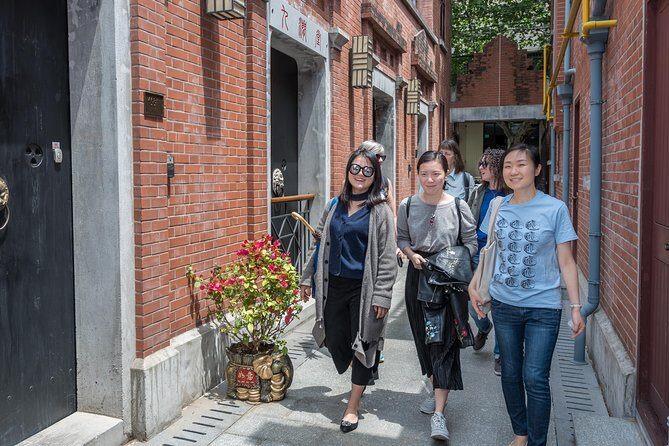
The tour is designed as a breakfast feast, not a token tasting. You’ll be sampling more than 10 different delicacies and drinks from four or five separate eateries, which is exactly what you want if your goal is variety.
Some items are specifically called out:
- Zongzi (glutinous rice dumplings stuffed with filling)
- Douzhi (fermented mung bean soup)
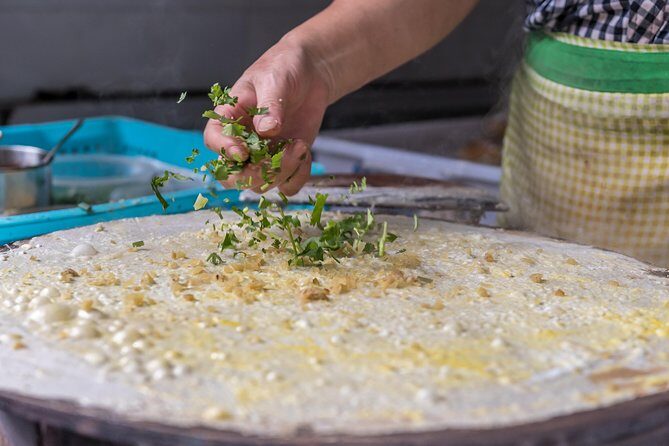
- Crispy sesame flatbread stuffed with cured beef
- Tofu pudding
And the overall tour description also points to other breakfast-style treats you should expect along the way:
- Yogurt and pancakes
- Coffee with a view
- A market look at what’s in season
Because unlimited food and drinks are included, you’re not just checking boxes. You can taste, compare, and decide what you’d want again later. That’s a big difference from short tastings that feel like a checklist.
How to handle fermented and unfamiliar flavors
Let’s be real: Beijing breakfast can include flavors that aren’t on many people’s comfort list. Douzhi is the big one mentioned. Here’s how I’d handle it in practice:
- Take a small taste first. You’re not required to finish anything you dislike.
- Use the guide as your translator. If you ask what a dish pairs with, you’ll get better results from your next bite.
- Plan for salty and tangy flavors to show up together. That’s part of the morning profile.
The guide experience: friendly, food-first, and story-driven
This tour leans on your guide to connect the dots between lanes and bites. That’s where small groups matter. With a maximum of 10 travelers, you’re more likely to get personal attention—questions answered on the spot, not saved for the end.
The reviews highlight guides such as Lynn and Winnie for being friendly and for delivering strong Beijing food-and-history context. One review even singled out a Peking duck recommendation, which is useful because you’ll likely want a dinner plan later.
What you can do to get more from the guide: ask one practical question during the walk, like what dish you should try later that you’re most likely to miss. Guides often know what’s worth your next meal.
Meeting point and getting oriented around 美术馆东街
Your start point is at 银燕航空服务公司售票处 in Beijing (Dongcheng District), on 美术馆东街, postal code 100006. The activity starts at 9:00 am and returns you to the meeting point when you’re done.
The good news: it’s near public transportation, so you’re not locked into expensive taxis just to get to breakfast. Still, Beijing mornings can be tricky if you’re already running late, so give yourself a little buffer time.
Also, you’ll get a mobile ticket, and confirmation comes at booking. That means you shouldn’t need complicated paperwork.
Who this tour is for (and who should think twice)
This is a great fit if you want:
- A morning food experience that also explains hutong life
- A small group with guide interaction
- A route that mixes markets, street snacks, and comfort foods
- Unlimited sampling so you can actually compare flavors
It’s also a good choice for families and teens in particular because the pace is walking-based and the day starts early enough to avoid the worst heat later.
It might be less ideal if:
- You hate fermented flavors and don’t want to taste douzhi
- You’re uncomfortable walking for about three hours
- You want a fully Western-style breakfast only (the tour is built around Chinese morning foods)
Value check: is $45 worth it for Beijing breakfast?
At $45 per person, you’re paying for more than just food. You’re buying:
- Unlimited food and drinks
- More than 10 tastings across multiple eateries
- An English-speaking guide
- A small group size (maximum 10)
- Bottled water
If you try to replicate this on your own, you’ll spend time figuring out where to go and what to order, then pay for each spot separately. The tour reduces that friction. You get a guided route and a structured morning plan.
The only value risk is your own palate. If you’re not interested in trying tangy fermented foods, you might feel like some of the tastings don’t land. But if you’re curious and willing to sample thoughtfully, this can be a very efficient way to eat and learn.
Also note: the tour runs in all weather, so it’s a reliable morning option even when plans elsewhere get cancelled or delayed.
Should you book the Beijing Hutong Breakfast Food Tour?
I’d book it if your goal is simple: eat a real Beijing breakfast in a hutong setting, with a guide who can tell you why these foods and lanes matter, and with enough variety that you won’t feel bored by stop three.
I’d skip it (or ask for guidance first) if you know you strongly dislike fermented flavors like douzhi, or if you’re not ready for a walking-focused morning.
One practical call: arrive hungry. You’ll get more from the tour if you start with an empty stomach and a curious mindset. And if you want flexibility, the tour offers free cancellation up to 24 hours in advance, which makes planning easier when you’re building a tight Beijing itinerary.
If you’re the type who likes to learn through small, specific experiences—food plus lane-level details—this is the kind of morning activity that pays off for the rest of your trip.
FAQ
How long is the Beijing Hutong Breakfast Food Tour?
It’s about 3 hours.
How much does the tour cost?
The price is $45.00 per person.
How many people are in the group?
The tour has a maximum of 10 travelers, so it stays small-group.
What time does the tour start, and where do I meet?
It starts at 9:00 am. Meeting is at 银燕航空服务公司售票处, 美术馆东街, Dongcheng District, Beijing, postal code 100006.
Is there a vegetarian option?
Yes. A vegetarian option is available, and you should advise it at the time of booking.
Does the tour run in bad weather?
Yes, it operates in all weather conditions, so dress appropriately.