REVIEW · BEIJING
Beijing: Hutong Breakfast Food Tour
Book on GetYourGuide →Operated by Lost Plate Food Tours · Bookable on GetYourGuide
Breakfast in hutongs feels like a secret handshake. This 3-hour Beijing tour turns a morning walk into a food story, with Aunt Jie’s handmade pork zongzi and the famously bold douzhi explained in plain English as you move through historic hutongs. I love how it gives you more than a snack run; you actually learn why each dish fits Old Beijing. One thing to consider: you’ll be on your feet on uneven lanes, and there’s no hotel pickup—so plan an easy subway arrival and wear comfy shoes.
You’ll start at Zhongguo Meishuguan (National Art Museum) Subway Station, Exit B, street level, and look for your guide’s bright yellow Lost Plate tote bag. With an English-speaking guide and unlimited food and drinks across 6+ eateries and street stalls, this is one of the better ways I know to “taste first” instead of trying to guess what’s worth your time.
I also like that the tour leans into the characters behind the food, not just the dishes. When guides like Kelly, Lynn, or Yoyo talk you through what you’re eating, the whole hutong experience clicks into place—stone doorways, courtyard nooks, and those little clues locals still use to live day to day.
In This Review
- Key Things You’ll Remember
- Why a Hutong Breakfast Tour Makes Beijing Make Sense
- Finding Lost Plate: Zhongguo Meishuguan Exit B and the Yellow Tote
- The 3-Hour Food Run: From Market Zongzi to Jianbing
- Stop One: Local Market Energy and Aunt Jie’s Zongzi
- The Bold Turn: Douzhi, Beijing’s Signature Challenge
- Mr. Yu’s Comfort Plates: Beef Flatbread and Tofu Pudding
- Hutong Exploration: Stone Doorways, Signs, and Courtyards
- Jianbing with a Cheesy Twist: The Hole-in-the-Wall Stop
- Sweet Moments and Imperial-Era Sweets
- What Makes the Guide Matter: Kelly, Lynn, and Yoyo
- Price and Value: Is $45 Worth It for 6+ Stops?
- Vegetarian-Friendly, but Read This Carefully
- Logistics, Comfort, and What to Bring (So You Don’t Feel Rushed)
- Who Should Book This Hutong Breakfast Food Tour
- Should You Book This Hutong Breakfast Food Tour?
- FAQ
- How long is the Beijing Hutong Breakfast Food Tour?
- How much does it cost?
- Where do I meet the tour guide?
- Is the tour conducted in English?
- What food and drinks are included?
- Is the tour vegetarian-friendly?
- Does it run in bad weather?
- Are there any restrictions on what I can bring?
- Is the tour suitable for people with mobility impairments?
Key Things You’ll Remember
- Aunt Jie’s handmade pork zongzi from a local market setting, not a random souvenir stall
- Douzhi, Beijing’s bold, Michelin-recognized tradition, with helpful context so it doesn’t feel like a dare
- Mr. Yu’s beef flatbread and tofu pudding—comfort food that tastes like a childhood memory
- Hutong secrets in stone doorways, signs, and courtyards, the kind you only notice with a guide
- Cheesy-twist jianbing at a hole-in-the-wall spot that’s popular for a reason
- Imperial-era sweets and other snack surprises, with a note that sweet red bean paste can show up more than once
Why a Hutong Breakfast Tour Makes Beijing Make Sense
Beijing can feel big and complicated at breakfast time. The streets are busy, the menus are big, and your choices can go wrong fast if you’re guessing. This tour solves that problem by putting you in motion through hutongs—those older alley neighborhoods—while your guide keeps the food choices grounded and realistic.
The value here is not only the eating. It’s the pattern: you taste, you hear why it matters, then you look around and start noticing the design of daily life—stone doorways, courtyard layouts, and the small signage details that don’t show up on a typical sightseeing route. That pairing is what makes the morning feel like you’re getting a key to how people actually lived.
If you’re the type who likes to understand the logic behind street food, you’ll appreciate that this isn’t just “try this, move on.” It’s explanation plus bite-sized history, delivered in a way that keeps your hands busy and your questions welcome.
You can also read our reviews of more food & drink experiences in Beijing
Finding Lost Plate: Zhongguo Meishuguan Exit B and the Yellow Tote
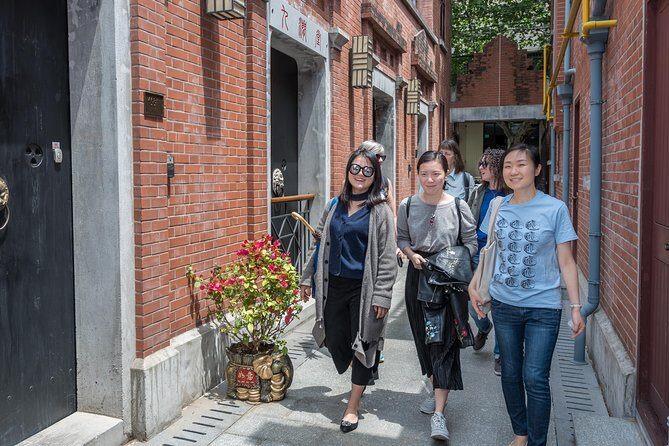
Getting to the meeting point is straightforward, but it can be a little tricky if you’re not used to subway exits.
You’ll meet at Zhongguo Meishuguan (National Art Museum) Subway Station, Exit B, street level. Your guide will be outside the exit, carrying a bright yellow Lost Plate tote bag. The simplest plan is to use the subway: get off Line 8, follow signs to Exit B, and look for the tote.
Practical tip: traffic can be heavy around this area during rush hour, so don’t rely on a late taxi stop. Build in extra time and arrive a few minutes early so you’re not rushing when everyone is hungry.
Also, there’s a luggage rule: no luggage or large bags. If you’re touring right after check-in, keep your pack light. Comfortable shoes matter because hutong walking is real walking, not museum-floor pacing.
The 3-Hour Food Run: From Market Zongzi to Jianbing
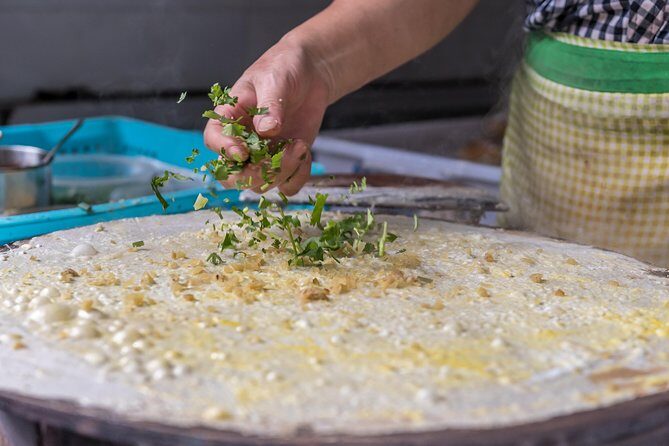
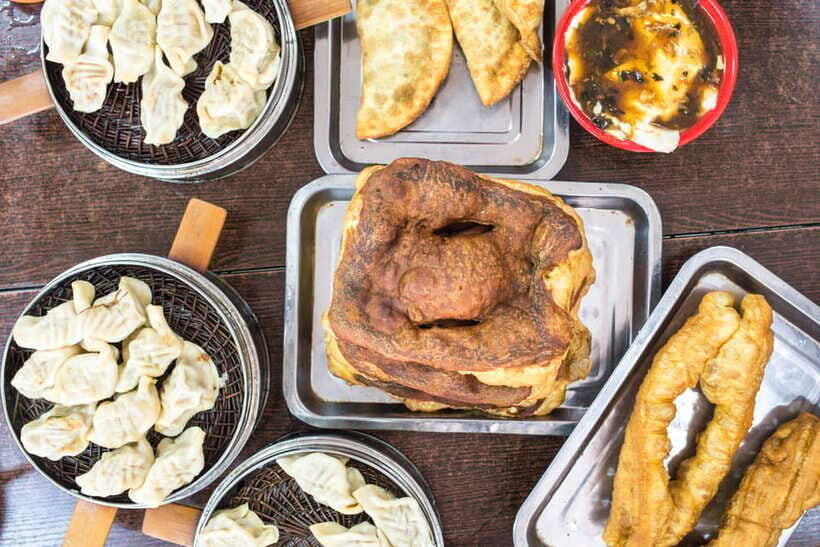
This tour is built around a simple rhythm: start local, hit the famous bold thing, then fill the rest of the morning with comfort food and hutong snacks. You’ll eat 12+ dishes across 5+ hidden spots, plus unlimited water and soft drinks.
Here’s how the flow tends to feel, stop by stop.
Stop One: Local Market Energy and Aunt Jie’s Zongzi
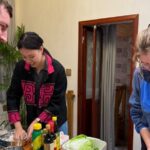
The tour starts with the kind of location you can’t easily replicate on your own: a local market stop where the food connects to daily routines. The headliner is Aunt Jie’s handmade pork zongzi—dumplings made with care, not factory speed.
This matters because zongzi is one of those foods where you taste the difference between quick and thoughtful preparation. Even if you’ve had zongzi before, the handmade angle usually changes the texture and the way the filling feels. It’s also a calmer entry point compared to the more intense flavors later.
The Bold Turn: Douzhi, Beijing’s Signature Challenge
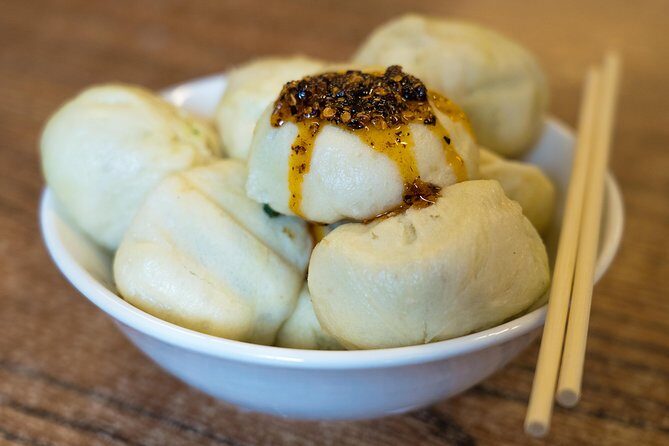
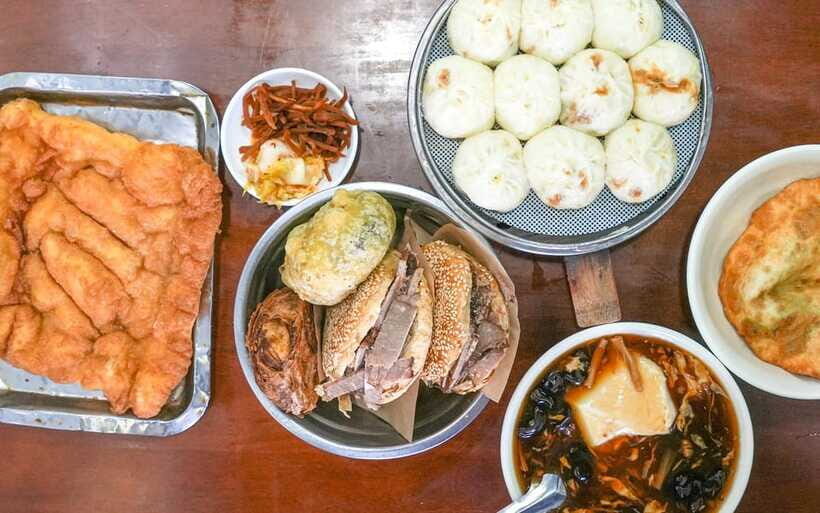
Next comes douzhi—Beijing’s boldest, Michelin-recognized tradition. If you’ve never tried fermented tofu, it can sound intimidating. The best part of a guided format is that you get context before you bite.
This isn’t “good luck.” Your guide explains what you’re looking for and how locals see it. That way, you can decide whether you love it, hate it, or simply understand why it’s a point of pride.
If you’re curious but cautious, this is a good time to slow down and sip water alongside your bite. The tour provides unlimited water and soft drinks, and that simple availability helps you stay comfortable during the stronger flavors.
You can also read our reviews of more tours and experiences in Beijing
Mr. Yu’s Comfort Plates: Beef Flatbread and Tofu Pudding
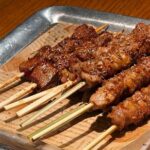
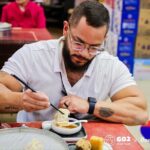
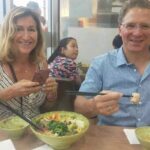
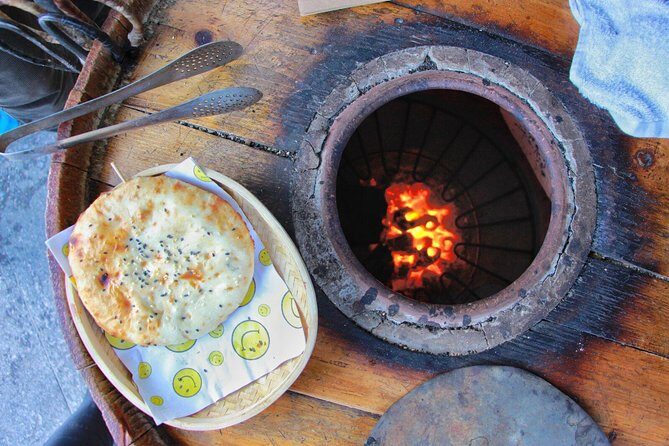
After the bold stop, the tour shifts gears into comfort food: Mr. Yu’s beef flatbread and tofu pudding. This is where you get the “Old Beijing comfort” feeling—the kind of food people reach for when they want warmth and familiarity.
The beef flatbread is satisfying and savory, and the tofu pudding adds a smoother texture contrast. Together, they help balance the earlier intensity. It also gives you a clearer sense of Beijing breakfast culture beyond the famous must-tries.
Hutong Exploration: Stone Doorways, Signs, and Courtyards
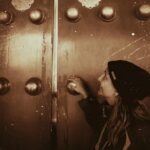
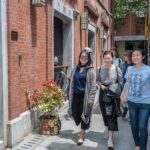
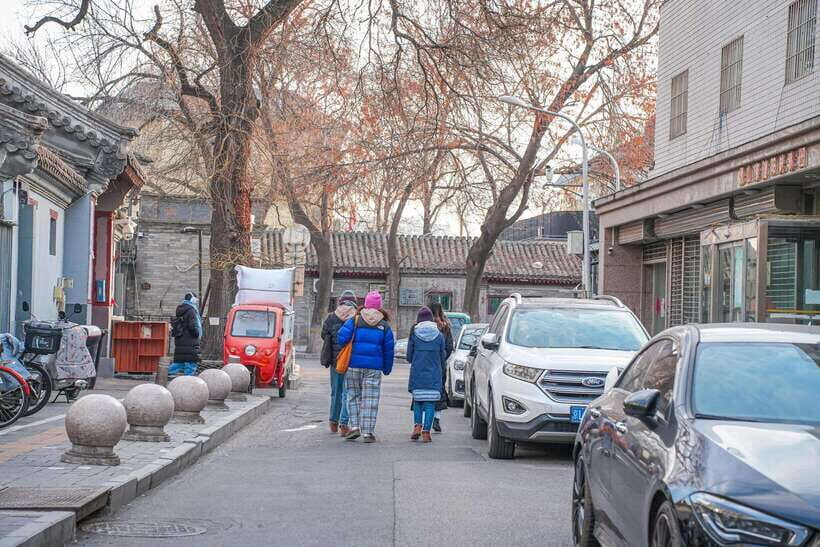
Half the magic happens while you’re walking between stops. The tour points out hutong secrets in stone doorways, signs, and courtyards—visual details that you’d likely miss without someone steering your attention.
Why this is worth it: hutongs aren’t just a scenic backdrop. They’re a way of organizing space. When you learn to spot the little features—how doorways frame entrances, how courtyards connect rooms and daily flow—you start understanding what you’re seeing instead of just taking photos.
It’s also a practical benefit. The guide keeps you moving efficiently between hidden spots, which is hard to do on your own without local knowledge.
Jianbing with a Cheesy Twist: The Hole-in-the-Wall Stop
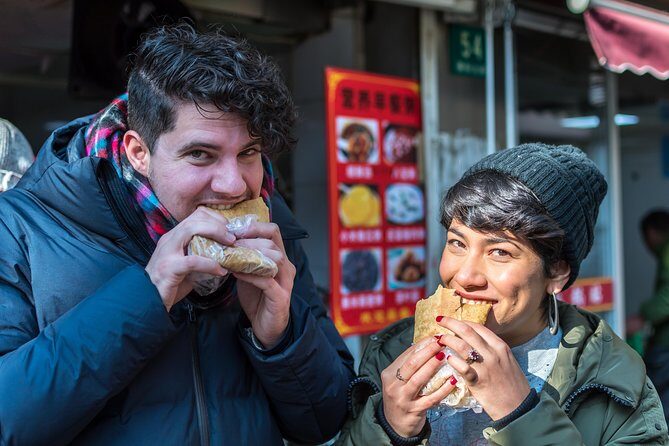
Near the end of your morning, you’ll hit jianbing at a hole-in-the-wall favorite where the recipe includes a cheesy twist. Jianbing is already a favorite in Beijing, but the added cheese pushes it toward a more indulgent, crispy-yet-satisfying version.
This is where the tour can feel like a finish line for flavor. You’ve sampled fermented and comfort dishes already; now you’re closing with street-food energy and crunch.
If you’ve got a soft spot for savory breakfast snacks, this is often the kind of dish that sticks with people long after the trip.
Sweet Moments and Imperial-Era Sweets
You might also run into sweets that connect back to imperial-era traditions—plus the tour includes other snack surprises. One review note you should keep in mind: you may see a lot of red bean paste sweet desserts at one time.
That doesn’t mean it’s bad. It just means if you’re not a big red bean paste person, plan to pace yourself. The unlimited soft drinks help, and you can always take smaller bites if you need to reset your palate.
What Makes the Guide Matter: Kelly, Lynn, and Yoyo
A food tour guide isn’t just a translator. A strong guide helps you decide what to try and how to experience it without stress.
This tour is run by Lost Plate Food Tours with professional English-speaking guides, and names that come up often include Kelly, Lynn, and Yoyo. Across guides, the common thread is storytelling: they tie food to local life and explain what you’re eating in a way that feels helpful, not academic.
In practice, that kind of guidance saves you time. You’re not standing there staring at unfamiliar dishes, wondering if you’re about to get something you won’t like. You’re eating with a sense of readiness.
Also, you’ll get a much easier start because your guide is easy to spot with the yellow tote bag. If you’ve ever struggled with meeting points in a subway area, this is a small but real quality-of-life win.
Price and Value: Is $45 Worth It for 6+ Stops?
At $45 per person for 3 hours, this tour is priced like a mid-range food experience—but it leans hard into value because the cost includes:
- A professional English-speaking guide
- Unlimited water and soft drinks
- Unlimited food and drinks across over 6 eateries and street stalls
Most importantly, you’re not just paying for quantity. You’re paying for access: market context, hutong routing, and food variety that’s difficult to assemble yourself without local guidance. When you get 12+ dishes and multiple hidden spots in only 3 hours, the math starts to work in your favor—especially if your Beijing schedule is tight.
If you’re traveling solo or with one friend, the format can still be a good deal because the guide handles sequencing and keeps you moving. Just remember the tour requires a minimum number of people to operate, so there’s always a chance of a change in plans if availability is low.
Vegetarian-Friendly, but Read This Carefully
The tour is vegetarian-friendly, which is great news if you eat plant-based. But it’s also important to know that substitutions are not available for every dish.
So if your goal is strict vegetarian eating, your best move is to set your expectations up front. Some dishes in a Beijing breakfast crawl will naturally lean meat-forward, and you’ll want the guide’s help navigating what you can safely enjoy.
The good part: the tour still aims to keep the experience enjoyable for vegetarians, so it’s not an all-or-nothing situation. Just don’t assume every single dish can be swapped.
Logistics, Comfort, and What to Bring (So You Don’t Feel Rushed)
This is a walking-heavy morning. You’ll want comfortable shoes, and the tour runs rain or shine, so dress for weather.
Here’s how to avoid a “hungry and cold” morning:
- Wear layers you can adjust
- Bring a light rain layer if the forecast looks questionable
- Keep your bag minimal, since luggage or large bags aren’t allowed
Timing note: there’s no hotel pickup and drop-off, so you’ll be responsible for getting to the subway meeting point. If you’re already near Line 8, it’s easy. If not, do yourself a favor and plan your arrival the same way you’d plan an important timed ticket.
Who Should Book This Hutong Breakfast Food Tour
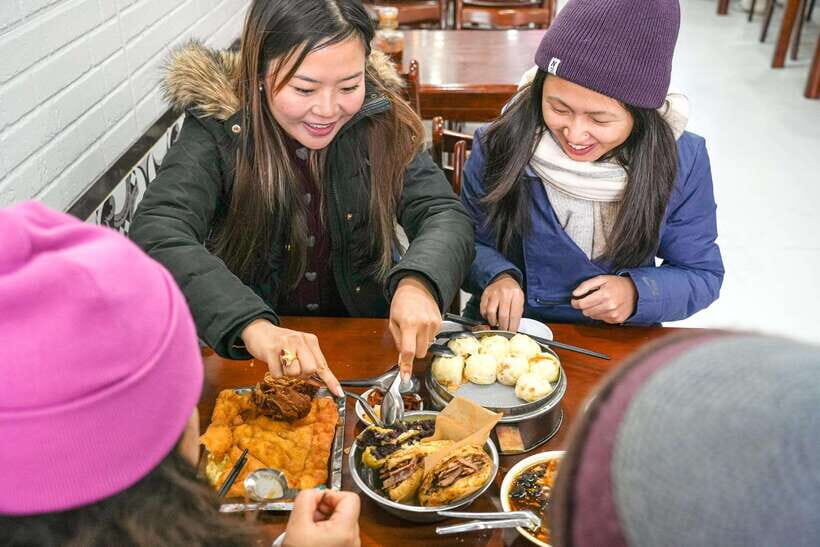
I think this tour is especially good for:
- First-timers who want Beijing food without guessing
- People who like street food with explanations, not just samples
- Travelers who want hutong atmosphere paired with meaningful stops
- Anyone who’s curious about douzhi but needs context before trying it
It might not be the best fit if you:
- Have mobility impairments, because the tour isn’t suitable
- Want a super relaxed sit-down meal only (this is more walking plus eating)
- Hate the idea of repeating flavors, since you might see multiple sweet items with red bean paste
Should You Book This Hutong Breakfast Food Tour?
If you’re trying to choose between a general sightseeing morning and a hands-on food route, I’d book this. The reason is simple: you get both food and place. The guide helps you taste foods like zongzi, douzhi, beef flatbread, tofu pudding, and cheesy jianbing in the context of hutong life—so your breakfast feels like a real window into Old Beijing, not a checklist.
Book it if you want:
- A guided way to find hidden spots
- Plenty of food for the price
- English explanations that make bold dishes feel less scary
Skip it if you want a quiet, low-walking experience or you need strict substitutions for vegetarian eating at every stop. Otherwise, this is a strong, practical choice for a memorable Beijing morning.
FAQ
How long is the Beijing Hutong Breakfast Food Tour?
The tour lasts 3 hours.
How much does it cost?
It costs $45 per person.
Where do I meet the tour guide?
Meet at Zhongguo Meishuguan (National Art Museum) Subway Station, Exit B, street level. Your guide carries a bright yellow Lost Plate tote bag.
Is the tour conducted in English?
Yes, the tour includes a professional English-speaking guide.
What food and drinks are included?
You get unlimited food and drinks in over 6 eateries and street stalls, plus unlimited water and soft drinks.
Is the tour vegetarian-friendly?
Yes, it is vegetarian-friendly, but substitutions are not available for every dish.
Does it run in bad weather?
Yes. The tour operates rain or shine, so wear weather-appropriate clothing.
Are there any restrictions on what I can bring?
Yes. Luggage or large bags are not allowed, and you should wear comfortable shoes.
Is the tour suitable for people with mobility impairments?
No. The tour is not suitable for people with mobility impairments.