REVIEW · BEIJING
3-Hour Private Night Tour: Beijing Foodie Experience
Book on Viator →Operated by Unique Beijing Tours · Bookable on Viator
Some nights in Beijing taste better. This 3-hour private foodie tour sends you into Dongsi Hutong after dark for real local bites instead of a generic buffet line. I especially like the hotel-lobby pickup and the way the guide helps you order confidently, even with dietary needs. The main thing to consider is that extra transportation fees may apply depending on where your hotel is, and a few stops can be time-sensitive at night.
If you want classic comfort food plus a few “you either love it or don’t” surprises, this tour fits. The tasting pacing feels designed for variety—kabobs, fried pancakes, sweets, noodles, and drinks—so you can end up genuinely full without guessing what to order. One possible drawback: if someone in your group suddenly can’t finish part of the walk, there may not be a slick backup plan, so it’s smart to be clear about pace and limits early.
In This Review
- Key highlights you’ll feel fast
- Dongsi Hutong after dark: food first, facts second
- Hotel pickup and the ride to the hutong zone
- Stop 1: Dongsi Hutong intro walk (and why it matters)
- Stop 2 at Xinjiang Taste Restaurant: lamb kabobs and Erguotou
- Tanjianbing and sweet snack street flavors on Zhangzizhong
- Yunnan Province comfort food: Cross Bridge noodles and plum liquor
- The optional “bamboo worm” moment (only if you want it)
- The Beijing snack set: a finishing move that can make you pause
- Private tour experience: personalization that changes the whole night
- Price and value: what you’re paying for
- Who should book this night food tasting
- Should you book it?
- FAQ
- How long is the Beijing Foodie Experience tour?
- Is this a private tour?
- Where do we meet the guide?
- Is hotel pickup included in the price?
- What kinds of food will we try?
- Are dietary restrictions accommodated?
- Is there a vegetarian option?
- Is dish-fired bamboo worm included?
- What is the cancellation policy?
Key highlights you’ll feel fast
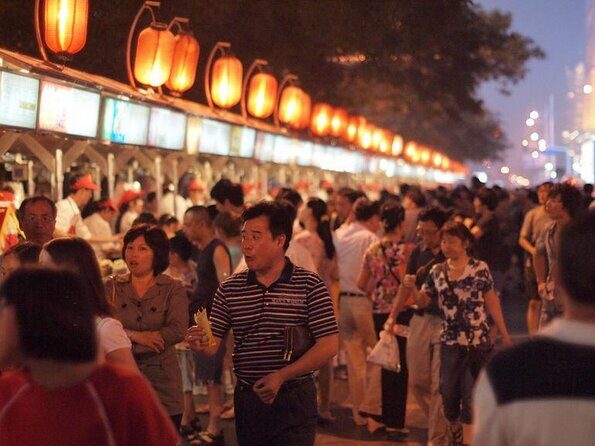
- Dongsi Hutong at night: you get the alleyway atmosphere while you eat, not just sightseeing.
- Private guide ordering help: guides can steer you through dishes and ingredients, including dietary restrictions.
- Signature tastings that mix flavors: lamb kabobs, tanjianbing, sesame cakes, sweet dough, and cold noodles.
- Two regional flavor stops: Xinjiang-style kabobs first, then Yunnan Province dishes with plum liquor and Cross Bridge noodles.
- Optional adventurous bite: dish-fired bamboo worm is available for those who want it (own expense).
- Very food-heavy ending: a Beijing snack set and plenty of sampling can leave you stuffed.
Dongsi Hutong after dark: food first, facts second
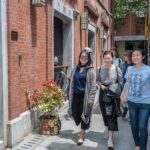
Beijing’s hutongs can feel like a maze in daylight. At night, they feel more human—narrow lanes, small restaurants, and that low-key street energy that makes you slow down. This tour is built around Dongsi Hutong, so your evening doesn’t split into “walk around” time versus “eat somewhere else” time.
I like the way the guide turns your meal into a mini lesson without turning it into a lecture. You get explanations about what you’re eating and why it matters, and guides can guide ordering so you’re not standing there pointing at menu photos. You might have a guide like Lucy, Kevin, Miko, Roy, Jimmy, or Bella, and the best versions of this experience tend to be the ones where the guide keeps the group moving at a comfortable pace.
One practical note: the tour is about 3 hours. That’s long enough to hit several stops and multiple tastings, but short enough that you won’t feel like you need to plan the rest of your evening around it.
You can also read our reviews of more tours and experiences in Beijing
Hotel pickup and the ride to the hutong zone
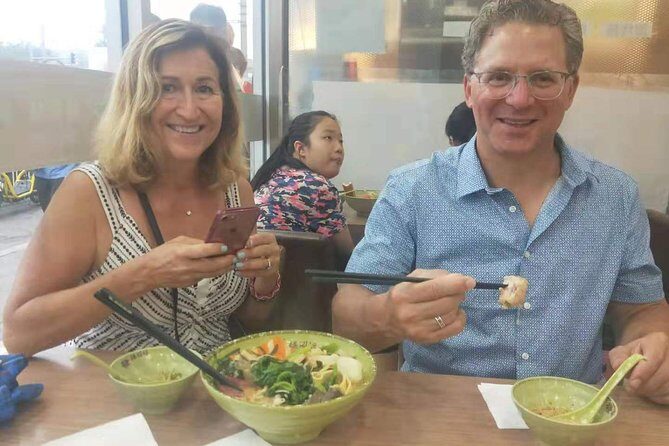
You meet your guide in your hotel lobby. If your hotel is inside the city area, pickup is free, and you’ll head toward Dongsi Hutong by taxi or other transport. There’s also an option to include a private vehicle if you want a smoother, less stop-and-start ride.
Here’s the value question: the tour price is $79.20 per person, but transportation details can affect the final cost. Transportation from your hotel to attractions may be $5 per person, and the transport fee from your hotel to Hutong area may also be $5 per person. If you’re booking this from central locations, it’s often easier to predict your total outlay.
If you’re traveling with someone who moves slowly or gets tired on short walks, tell the guide up front. One review highlighted how a guide helped an elderly mother keep pace. That kind of attention can make the difference between a fun night and a stressful one.
Stop 1: Dongsi Hutong intro walk (and why it matters)
The first stop is Dongsi Hutong. You’ll greet your guide in your hotel lobby and then travel together to the hutong area, where the evening starts to feel like Beijing. This isn’t a “standing at a viewpoint” kind of stop. It’s the neighborhood setting where people actually go for snacks and meals.
You’ll get a bit of context as you move—how this neighborhood fits into daily life. The point is simple: by the time you reach the first restaurant, you’re not just tasting food. You’re understanding why these places exist where they do.
If you hate walking at night, don’t panic. This is still a small-route food crawl. But you should expect some movement between small eateries and vendors.
Stop 2 at Xinjiang Taste Restaurant: lamb kabobs and Erguotou
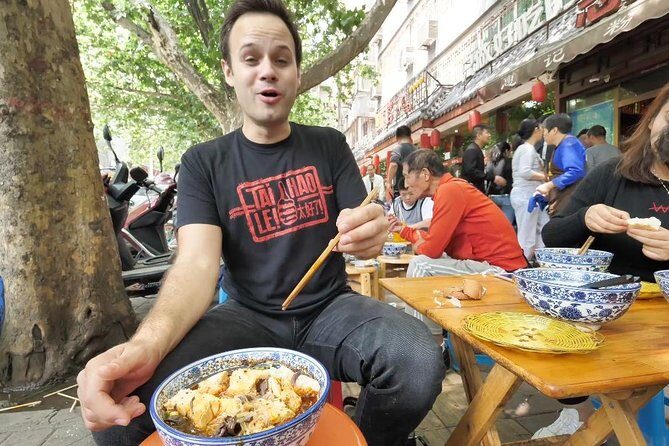
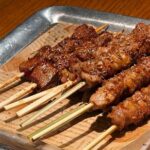
The first real big flavor hit comes at Xinjiang Taste Restaurant. This is where you sample 3 to 5 types of kabobs, with side dishes like eggplant, beans, garlic, leeks, and Nang. It’s a smart start because kabobs are easy to share, and each variation gives you a different texture and seasoning style.
This is also where the tour leans into drinks. You’ll try Erguotou, a traditional Chinese white liquor. Even if you don’t love strong spirits, consider trying a small taste. It helps you connect the flavors on the table with the local drinking culture that comes with certain meals.
What makes this stop valuable for you: it gives you a base taste of Beijing street-meets-regional-cuisine. If you’re new to northern flavors, lamb is a great anchor. If you’re more adventurous, the side dishes and different kabob styles keep you from getting bored.
Tanjianbing and sweet snack street flavors on Zhangzizhong
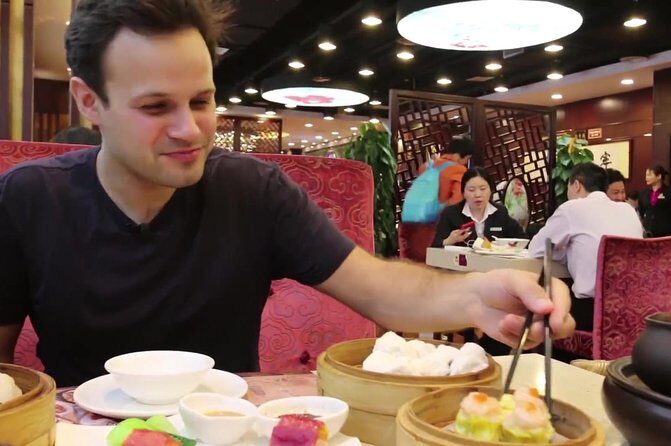
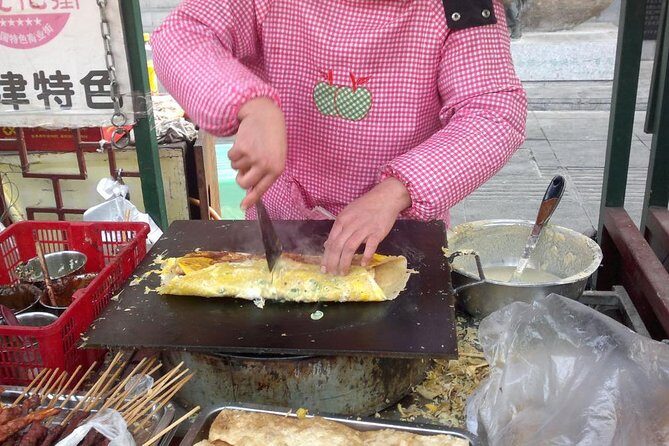
Next comes tanjianbing, a pan-fried pancake that locals love. It’s not just “fried dough.” The texture and savory finish make it a satisfying break between heavier items. This kind of dish also works well at night because it’s quick to serve and easy to portion for sampling.
On the same street area, you’ll find more classic snacks like sweet dough, sesame cakes, ma hua, and zongzi. You may also try baozi (steamed buns), Beijing jar yogurt, and tanghulu made with crabapple. Tanghulu is one of those foods that instantly signals snack culture: glossy fruit on a stick, crunchy sugar shell, and a sweet-tart hit.
Then the tour keeps moving to a place where you can try Sichuan kabobs, often in the 5 to 12 range, plus a drink like peanut beverage or orange soda. If you’re someone who likes spice, Sichuan stops can be the highlight. If spice isn’t your thing, you can still enjoy the kabobs and pick beverages that feel more gentle.
One caution: a few reviews suggest some places may miss due to closing times. Since this is a night walk, don’t count on every single street snack lasting the same hours every day.
You can also read our reviews of more private tours in Beijing
Yunnan Province comfort food: Cross Bridge noodles and plum liquor
After the street-snack phase, you shift to Yunnan cuisine at a local restaurant. This is where the tour changes pace. You’re no longer chasing quick vendor bites—you’re settling in for flavors that feel more layered and aromatic.
You’ll try things like flower cakes, cold pea-based cakes, grilled bread covered with rice flower, rice wine, plum liquor, and Cross Bridge rice noodles. Cross Bridge noodles are famous for how the dish is built, and tasting it on this tour is a great way to understand why Yunnan food has fans beyond China.
This stop is also a win for you if you’re tired of only savory items. Plum liquor and the cold components help break up the salt-and-sweet cycle. And since the guide is there, you can ask what to pay attention to—texture, aroma, and how the ingredients work together.
The optional “bamboo worm” moment (only if you want it)
If you’re the type who likes to test your food courage, you may be able to try dish-fired bamboo worm. It’s listed as own expense, which matters for budgeting. If you’re curious, it’s worth asking the guide what to expect in terms of flavor and how it’s served.
I treat this as a personal choice, not a requirement. The rest of the meal is already substantial, and you’ll still get a very complete picture of Beijing night food without taking that specific leap.
The Beijing snack set: a finishing move that can make you pause
The evening doesn’t end right after noodles and sweets. You also get a local Beijing snack set, including glutinous rice roll with sweet bean flour, yellow pea cake, steamed rice cakes with sweet stuffing, seasoned millet porridge, and more.
This is a smart ending because it pulls together multiple categories: chewy, sticky, and warm. It also helps you finish with a sense of “oh, this is what people actually eat for snacks,” not just restaurant meals.
One thing to plan for: many people end up very full. If you want room for dessert later, you’ll need to go easy during earlier stops. I’d also keep water handy, because you’ll be tasting salty, sweet, and sometimes spicy items back-to-back.
Private tour experience: personalization that changes the whole night
This is a private tour, meaning only your group participates. That matters for two reasons. First, you can move at a pace that suits you. Second, the guide can tailor what you eat based on dietary restrictions.
Vegetarian options are available if you tell the operator at booking time. That’s important, because food markets and small eateries don’t always have a tidy “vegetarian” category. Having a guide who can adjust what you order is the difference between a safe meal and an awkward one.
If you’re traveling with friends with mixed preferences—some adventurous, some cautious—this format tends to work well. The guide can steer everyone toward bites they’re likely to enjoy, while still letting the adventurous eaters try the unusual stuff.
Price and value: what you’re paying for
At $79.20 per person, you’re paying for a guided tasting route plus hotel pickup (when your hotel is inside the city area). You’re also paying for logistics: knowing where to go, how to order, and how to sequence the night so you get variety.
The best value usually shows up when you’re new to Beijing or you don’t want the hassle of figuring out hutong food stops on your own. Trying five different kabob styles plus tanjianbing plus multiple street snacks plus Yunnan dishes is hard to replicate solo without already knowing the places.
Your cost can rise slightly if transport fees apply from your hotel to attractions and to the hutong area. So if you’re budgeting tightly, check where you’re staying and estimate those added $5-per-person charges.
The time investment is reasonable. Three hours is enough to feel like you had an experience, not just a meal.
Who should book this night food tasting
This is a great fit if you:
- Want a guided way to explore Dongsi Hutong food at night.
- Like tasting multiple dishes rather than committing to one heavy dinner.
- Appreciate someone helping with ordering and ingredient explanations.
- Want vegetarian-friendly guidance, if that’s relevant for your group.
It’s also a decent fit for first-time mainland China visitors. It gives you classic foods plus regional specialties in a route you probably wouldn’t find by yourself.
Think twice if:
- Your group needs very flexible pacing due to health or mobility limits.
- You’re hoping for a mostly quiet, seated meal. Some of the experience happens along streets and between small eateries.
Should you book it?
Book it if you want a night where the hutong neighborhood feels like part of the meal. The mix of kabobs, tanjianbing, Sichuan snacks, and Yunnan dishes makes it more than a “try a few random street foods” tour. And the private guide support—often with friendly personalities like Lucy, Kevin, Miko, Roy, Jimmy, or Bella—can turn the evening into something you actually talk about later.
Skip or adjust your expectations if you’re sensitive to strong flavors like liquor, or if you know your group might struggle with walking at night. In that case, message the operator with your needs before you go.
If you do book, come hungry. Then plan a light next day. This tour doesn’t end with a snack. It ends with you probably needing a little room to breathe.
FAQ
How long is the Beijing Foodie Experience tour?
The tour is about 3 hours.
Is this a private tour?
Yes. It’s a private tour, and only your group will participate.
Where do we meet the guide?
Your guide meets you in your hotel lobby.
Is hotel pickup included in the price?
Pickup is free if your hotel is inside the city. Otherwise, transportation fees may apply.
What kinds of food will we try?
You’ll sample foods such as lamb kabobs, tanjianbing, sesame cakes, sweet dough, ma hua, zongzi, baozi, Beijing jar yogurt, tanghulu (crabapple), Sichuan kabobs, and Yunnan dishes like flower cakes, cold pea-based cakes, grilled bread covered by rice flower, plum liquor, and Cross Bridge rice noodles. You’ll also get a Beijing snack set.
Are dietary restrictions accommodated?
Yes. You should advise any dietary requirements at the time of booking, and the private guide will cater to them.
Is there a vegetarian option?
Yes. A vegetarian option is available if you request it when booking.
Is dish-fired bamboo worm included?
It’s an optional item and is listed as own expense.
What is the cancellation policy?
You can cancel for a full refund up to 24 hours before the experience starts. If you cancel within 24 hours, the amount you paid will not be refunded.