REVIEW · BEIJING
Red Theatre Beijing Acrobatic Show Tickets
Book on GetYourGuide →Operated by TicketBeijing · Bookable on GetYourGuide
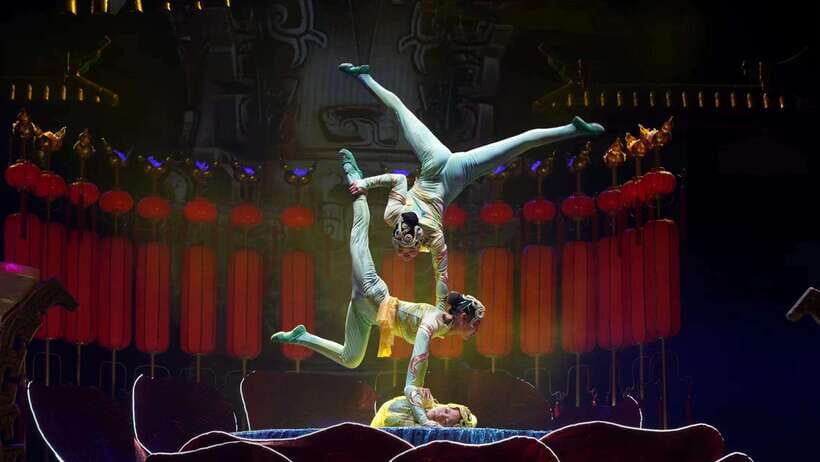
An hour of pure jaw-drop skill. The Red Theatre Beijing acrobatics show mixes high-risk stunts with clean, colorful staging, and it moves fast enough to keep you leaning forward.
I especially love how straightforward the whole experience feels: you get clear instructions, the ticket desk can match your name, and entry is quick. I also like that the show stays family-friendly while still delivering those heart-thumping, hands-on-your-mouth moments.
One drawback to plan for: the show runs about 60 minutes, and you need to be on time because late arrivals or no-shows don’t get refunds.
In This Review
- Key takeaways before you go
- Red Theatre Beijing Acrobatic Show: the one-hour magic
- What you’re really paying for at $39
- How the tickets work (and how people get confused)
- Getting there by subway: the Temple of Heaven side quest
- Before the show: Temple of Heaven and Hongqiao Market
- What the show feels like: acrobatics with modern punch
- Seating and sightlines: use the chart, not luck
- Watch your timing: no late-arrival forgiveness
- Who should book this show (and who should skip it)
- Should you book Red Theatre Beijing tickets?
- FAQ
- How do I get my tickets if the QR code isn’t valid?
- Where is the Red Theatre Beijing?
- How long is the show?
- Is hotel pickup or drop-off included?
- What’s the recommended way to get to the theatre?
- Are children or infants allowed?
Key takeaways before you go
- Ticket delivery is not the QR code. Your real e-ticket arrives by WhatsApp, WeChat, or iMessage the morning of your visit.
- The show is one hour. It’s not a long evening event, so build your schedule around that.
- You’re near the Temple of Heaven. Combine the show with a smart pre-show outing.
- Seating matters. Check the seating-chart photo and aim to pick the best view you can.
- Expect modern presentation of traditional acrobatics. The energy is big, even when the performers are young.
Red Theatre Beijing Acrobatic Show: the one-hour magic
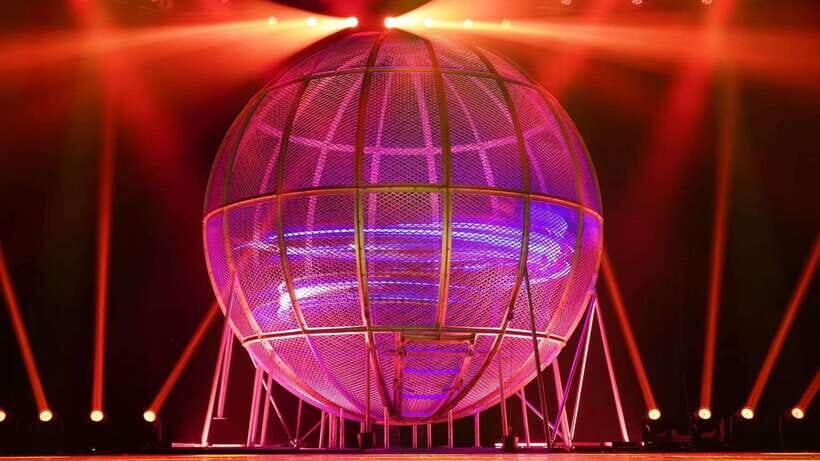
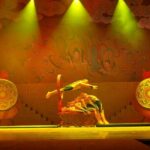
If you like skill that makes you squint, cover your mouth, and then laugh at yourself for doing it, this show is built for you. The Beijing Red Theatre performance is a tightly paced program of Chinese acrobatics—think precision, strength, balance, and choreography that looks like it was made for your camera roll, but feels more intense in person.
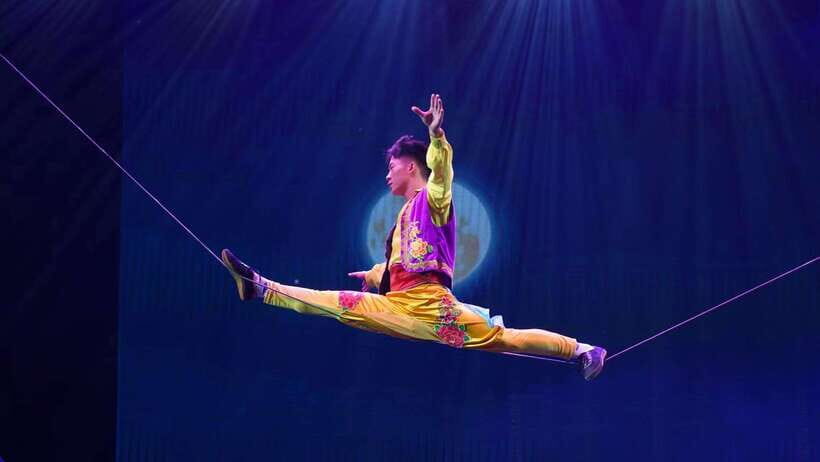
You sit down, the lights set the mood, and then the show starts pulling you forward. Acts come in sequence, with moments that feel graceful right up until the moment you realize someone’s doing something that looks physically impossible. The best part is the mix: it’s not only flips and throws. There’s also musical timing and staging that keeps the whole hour feeling like one continuous piece, not random tricks stitched together.
This is also the kind of show where you can feel the performer training behind everything. Stunts land clean. Movements look controlled. Even when the action is fast, it doesn’t feel chaotic. It feels rehearsed, disciplined, and confident. And after watching it, you’ll understand why this is a common “must-do” in Beijing for people who want a show that’s genuinely watchable from any age group.
You can also read our reviews of more tours and experiences in Beijing

What you’re really paying for at $39
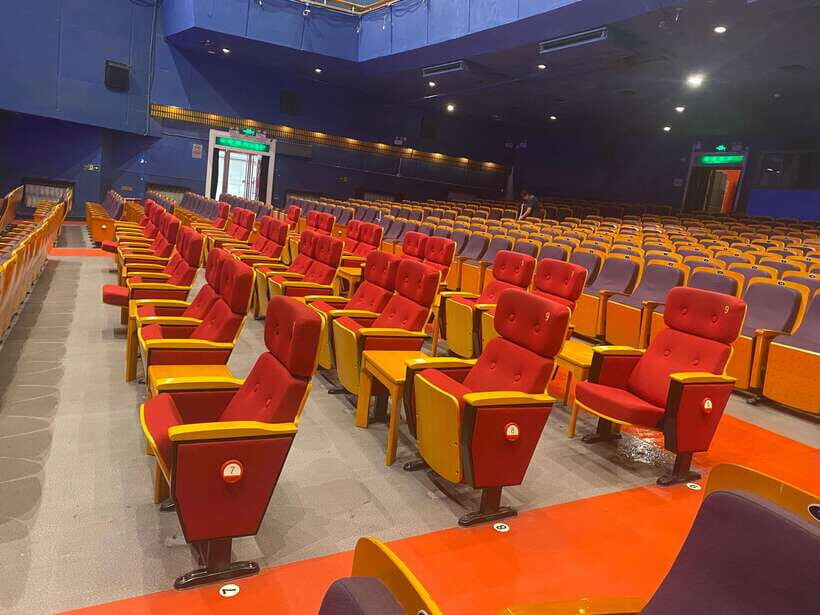
At about $39 per person for a one-hour show, the value is pretty solid—mainly because you’re not buying a long “tourist experience.” You’re buying a concentrated performance. That matters in Beijing, where many evenings can turn into logistics and dinner lines. Here, the show is the product, and it’s what you’ll remember.
Also, the ticketing experience is designed to reduce hassle. You don’t have to spend your evening wrestling with a mystery QR code at the door. You get a real e-ticket sent to you by message, and entry is handled at the theatre. A few details in the instructions can save you from awkward delays, and that’s where the value really shows. When entry is smooth, you start enjoying earlier.
Is it perfect value? If you hate sitting in a theatre for just one hour, you might feel you could have spent that time on dinner, a walk, or another short stop. If you like high-skill performances, though, it’s a pretty efficient spend.
How the tickets work (and how people get confused)
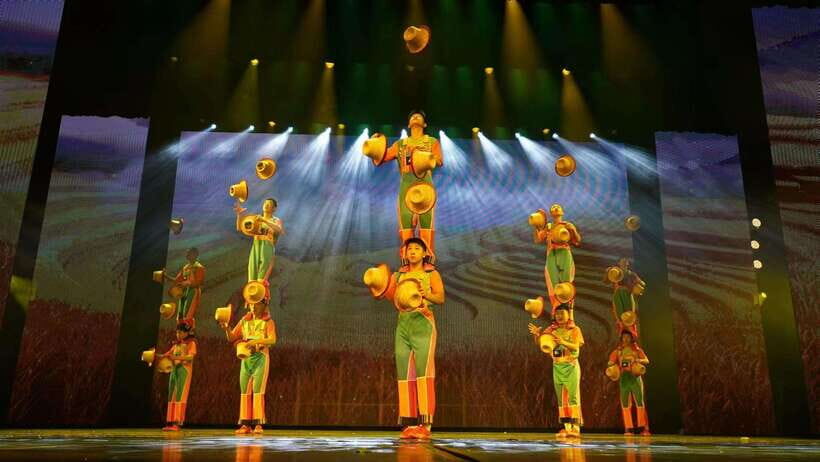
Here’s the biggest practical point: the QR code from GetYourGuide is not your ticket.
Your actual e-ticket is delivered via WhatsApp, WeChat, or iMessage on the morning of your travel date. The voucher you see before then is also not your ticket. So if you’re the type who likes to screenshot everything immediately, do it—but don’t assume that screenshot is what gets you in.
What you should do:
- Save the message thread once your provider sends your e-ticket.
- Expect the e-ticket to arrive the morning of your visit.
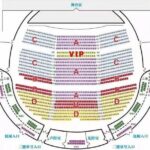
- Check the seating-chart photo shared with your materials and confirm where you’ll be sitting.
If you’re thinking, Great, but what about the seat itself? You’re not just guessing. A seating chart is included in the photos, and that gives you a chance to know your view before you arrive.
One extra detail worth noting: a lot of communication is handled through text-style guidance rather than meeting someone in person. In a few cases, guides were named in messages—for example, one contact is called Dragon, and the tone is practical: quick instructions, check-ins before things start, and follow-up after the show to make sure you’re set.
Getting there by subway: the Temple of Heaven side quest
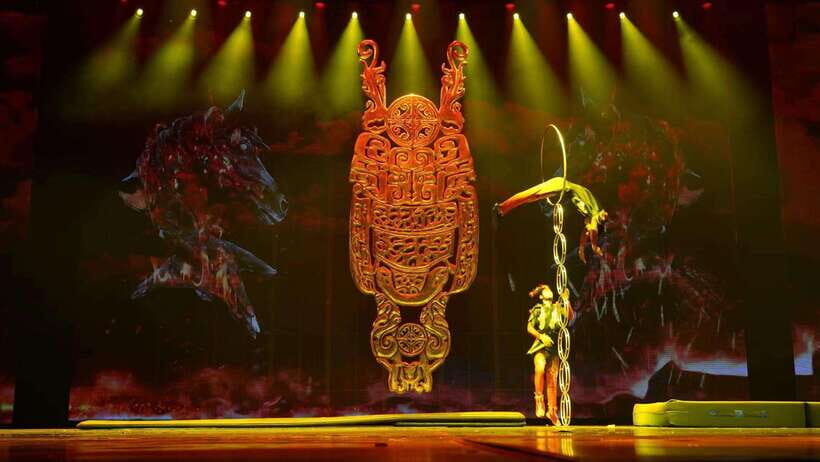
You’ll do yourself a favor by taking the subway. The theatre is in central Beijing (Dongcheng District), and traffic can be heavy. The instructions recommend Subway Line 5 and getting off at Tiantandongmen Station (Temple of Heaven Stop), then exiting Exit B. From there it’s about a 15-minute walk to the theatre.
That walk isn’t terrible, but plan it like part of your schedule. Since late arrivals can mean no refund, you want buffer time rather than a sprint at show start.
The theatre address is:
No. 44 Xingfu Street, Dongcheng District, Beijing (北京东城区幸福大街44号红剧场).
Before the show: Temple of Heaven and Hongqiao Market
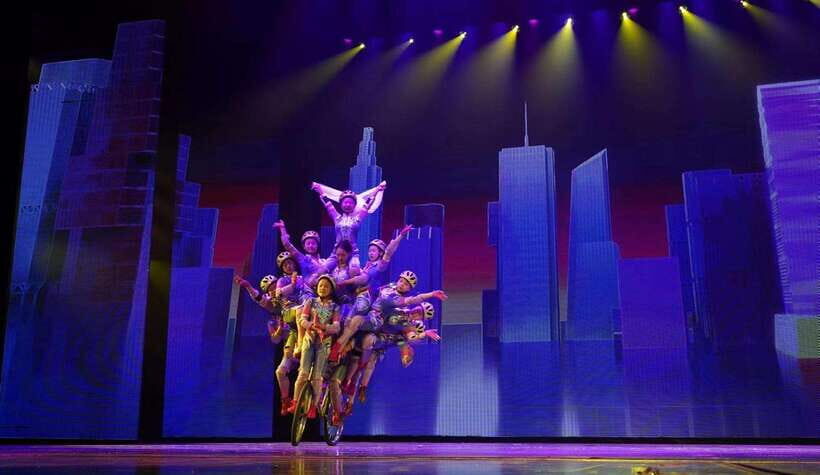
This is one of those evenings where you can make the most of the location. The Temple of Heaven is nearby, and so is Hongqiao Market, described as one of Beijing’s largest markets.
A good approach:
- Go to the Temple of Heaven earlier for a calm, scenic break before you sit in a dark theatre.
- If you want shopping and energy, swing by Hongqiao Market before you head to the show.
You’ll appreciate this combo because it keeps your evening from feeling like only one activity. It also helps with pacing. The show is intense, and having an earlier activity makes the hour feel like a satisfying payoff rather than something you squeezed in at the last minute.
You can also read our reviews of more tours and experiences in Beijing
What the show feels like: acrobatics with modern punch
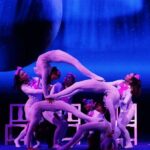
This isn’t a dusty old circus performance. The show is often described as elegant, intense, and a modern take on Chinese acrobatic tradition. That usually translates to cleaner transitions, strong musical beats, and choreography that feels more like a designed performance than a set of separate stunts.
You should expect:
- Mind-blowing acts that trigger that no way they’re about to do that moment.
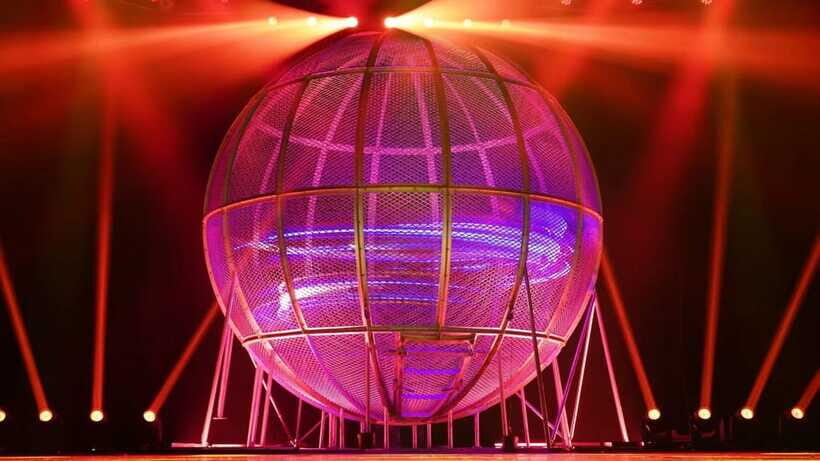
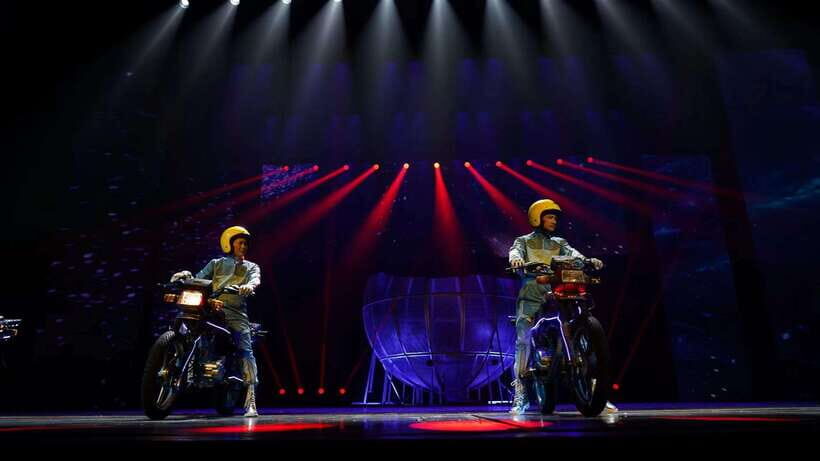
- Death-defying setups that look controlled enough to make you trust the performers.
- Graceful choreography between the risky parts, so it doesn’t feel like only adrenaline.
One of the most repeated themes in the feedback is surprise. You don’t always know what type of act is next, and that keeps you watching instead of scanning the audience for reactions.
A few other details that help set expectations:
- The show lasts 60 minutes.
- Showtimes can vary, so confirm details with the activity provider the morning of your performance.
- It’s designed as a family outing, so the pacing and staging tend to work for kids and adults.
Also, don’t be surprised if you notice young performers. Multiple notes highlight that the cast includes children and young people. That can add an extra layer of awe, because the skills are clearly trained and professional.
Seating and sightlines: use the chart, not luck
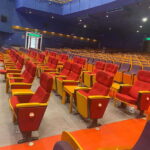
Because the programme is all physical action, you’ll care about where you sit. The good news is that you get a seating chart among the photos. Use it.
A few tips that are practical even without knowing your exact section:
- Choose seats that give you a clear line to the center stage area.
- If you’re deciding between a wide side view and a more central view, aim for the option that helps you see the full height of the acts.
One specific note that stands out: sitting on the side can still provide a good view, and people mentioned this positively. So if your seat selection options feel limited, don’t panic—just confirm what your chart indicates and show up with time to settle in.
Watch your timing: no late-arrival forgiveness
This show starts on time. There’s a clear warning that because of traffic, you should take the subway and arrive on time. Late arrivals or no-shows don’t get refunds.
So what’s the smart plan?
- Don’t make dinner your pre-show countdown.
- Build in the walk from Tiantandongmen Station to the theatre.
- Give yourself extra buffer if you’re changing phones or dealing with message delivery.
If your e-ticket arrives that morning, you might be tempted to wait until you’re close to the theatre to check it. I’d still check it earlier. It reduces stress, and less stress means you can actually enjoy the show.
Who should book this show (and who should skip it)
This is a strong pick if:
- You want a high-impact performance in a short time.
- You like Chinese culture expressed through movement and skill.
- You’re traveling with kids or mixing ages in your group, since it’s family-friendly.
- You care more about “watchable art” than a long educational lecture.
You might rethink booking if:
- You dislike theatre seating for anything longer than a quick detour.
- You’re likely to run late on a busy night.
- You prefer fully guided, in-person group tours. This one is more about clear messaging and theatre check-in than a walking tour vibe.
Also, solo travelers do well here. The show is the main event, and the entry process is designed to get you seated without turning your evening into a complicated meetup.
Should you book Red Theatre Beijing tickets?
Yes, I’d book it if you want a one-hour evening that’s mostly performance and minimal hassle. The strongest reasons are simple: the acts are described as mind-blowing, the experience is easy once you follow the messaging instructions, and the hour is the right length for an efficient Beijing night.
Book it when:
- You want something family-friendly that still feels intense.
- You’d rather spend your energy watching acrobatics than managing extra stops.
- You can arrive on time after taking the subway.
One last nudge: treat the e-ticket message like a travel document. Don’t rely on the QR code. Save the morning message, check your seating chart, and then let the performers do what they do best—turn your assumptions into applause.
FAQ
How do I get my tickets if the QR code isn’t valid?
The QR code from GetYourGuide is not your ticket. You’ll receive your actual e-ticket via WhatsApp, WeChat, or iMessage on the morning of your travel date.
Where is the Red Theatre Beijing?
It’s at No. 44 Xingfu Street, Dongcheng District, Beijing (北京东城区幸福大街44号红剧场).
How long is the show?
The show lasts 60 minutes. Showtimes may vary, so confirm details with the activity provider the morning of your performance.
Is hotel pickup or drop-off included?
No. Hotel pickup and drop-off are not included.
What’s the recommended way to get to the theatre?
Because of traffic, taking the subway is recommended. Use Subway Line 5 to Tiantandongmen (Temple of Heaven Stop), exit B, then walk about 15 minutes to the theatre.
Are children or infants allowed?
Infants under one year old are free of charge, but they do not occupy a seat.