REVIEW · BEIJING
Chinese Tea ceremony in Beijing Hutong courtyard
Book on GetYourGuide →Operated by Bayi Teahouse · Bookable on GetYourGuide
One hour in a hutong teaches faster than a museum. I love how this Chinese tea ceremony slows your day down, and I love meeting local hosts in a traditional courtyard setting. The trade-off: the experience cost you see may not be the whole total, since there’s an additional 100 RMB per person charge.
What makes it especially interesting is the setting. You’re basically in central Beijing, a short walk from the Forbidden City and surrounded by historic sites, yet you’re spending your time with tea routines and everyday courtyard life rather than ticket lines. With a max group size of 4, the pace stays human, and English explanations actually get time to land.
In This Review
- Key highlights worth your attention
- Why this Beijing Hutong tea ceremony feels different than a tourist teahouse
- Where it sits: Forbidden City convenience without the claustrophobia
- What happens during the one-hour ceremony
- Tea choices you can actually compare: black, green, oolong, Pu’er
- The courtyard experience: family-hosted, not staged
- Snacks, etiquette, and that max-4 advantage
- Price and the 100 RMB add-on: figuring out the real value
- How to plan your timing and get there smoothly
- Who this Beijing tea workshop suits best
- Should you book the Chinese tea ceremony in a Beijing Hutong courtyard?
- FAQ
- How long is the tea ceremony?
- Where is it located in relation to the Forbidden City?
- What tea is included, and can I choose?
- Are snacks included?
- Is there an extra cost besides the listed price?
- Is pickup included, and when do I need to be ready?
- Is the tour offered in English?
- Can I cancel, and is there a refund?
Key highlights worth your attention
- 150 meters from the Forbidden City east gate (and very close overall), so it’s easy to pair with sightseeing
- Small group of 4 for real conversation, not a crowd-style lecture
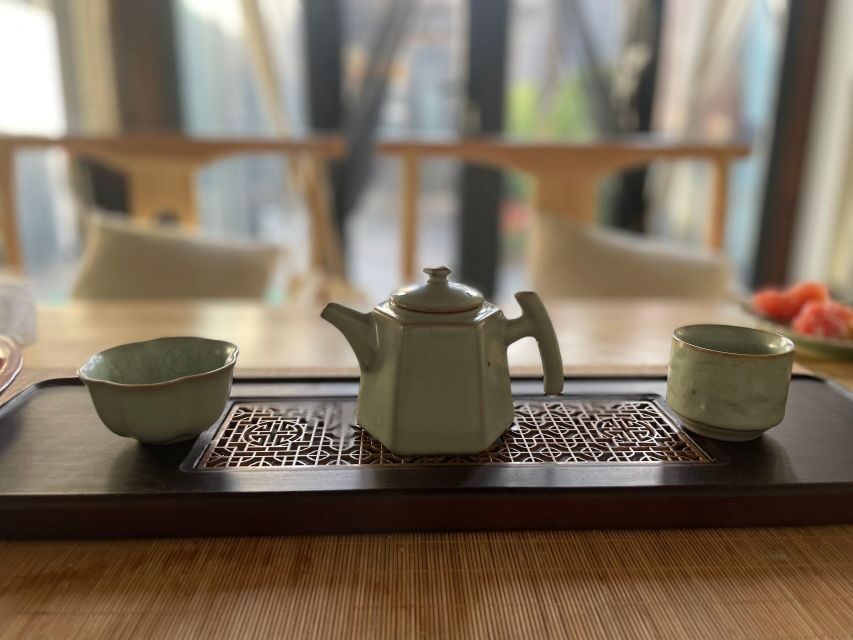
- One pot of tea you choose from black, green, oolong, and Pu’er, plus complimentary snacks
- Tea-brewing know-how, including why good tea isn’t just boiling water and waiting
- Hosts from a family courtyard setting, with at least one guide named Limeng showing the tea and the place
- Wheelchair accessible, so fewer people get left out of this kind of cultural stop
Why this Beijing Hutong tea ceremony feels different than a tourist teahouse
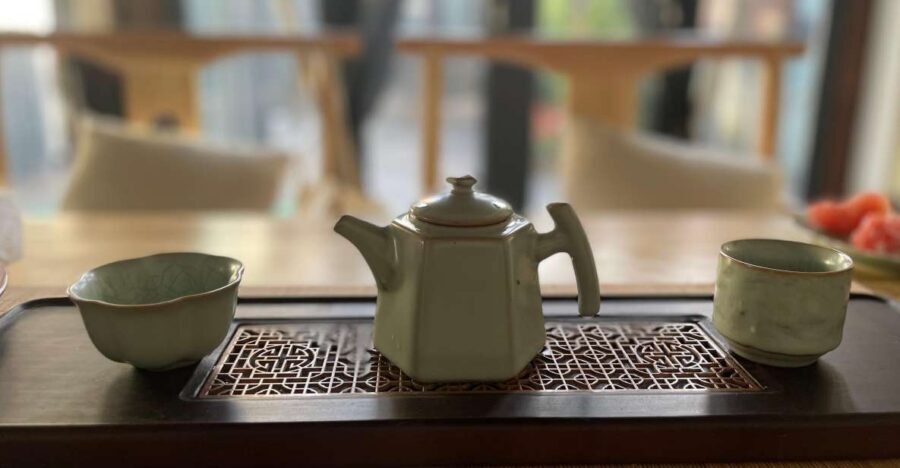
Beijing has plenty of tea stops. But this one is built around a living courtyard in the Hutong style, not a showroom. You’re learning a ritual that locals actually understand, and you’re doing it in the middle of the city’s historic layers.
I like that the lesson isn’t only about tasting. You get explanation of tea culture and practical guidance on how tea is prepared and served. It’s the kind of “small skill” you can carry home, like how to handle the cup and how different teas respond to brewing choices.
The second thing I like is the conversation side. The hosts are part of the place, and you’re invited to talk about tea and daily life rather than just watch from the sidelines. If you enjoy chats—short ones or long ones—this format fits you.
You can also read our reviews of more tours and experiences in Beijing.

Where it sits: Forbidden City convenience without the claustrophobia
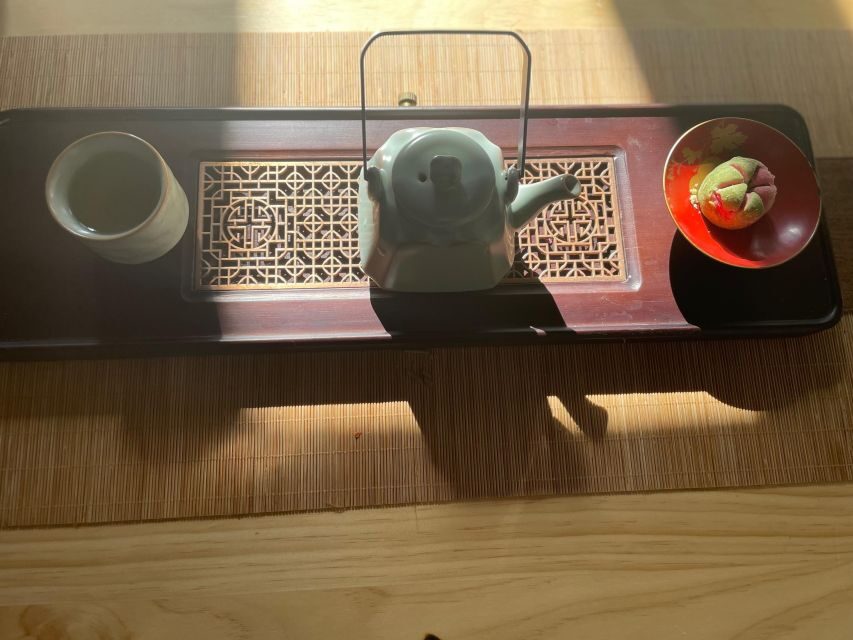
This tea workshop is located extremely close to the Forbidden City. The details you’ll see point to about 150 meters from the east gate, and the area is also described as roughly 800 meters west of the exit gate. Either way, you’re in the core of Beijing and can walk or combine it with nearby sights.
That matters because you can avoid the classic trap: doing a big-aim sight day until you’re fried, then forcing a culture stop when your attention is gone. Here, the ceremony is only one hour, so you can schedule it as a reset in the middle of your day.
The surroundings also help. You’re in an area near major historic spots like the Pudusi inheritance and the Imperial Ancestral Temple. Even if you don’t leave your seat much during the ceremony, you feel like you’re in the real center of old Beijing.
What happens during the one-hour ceremony
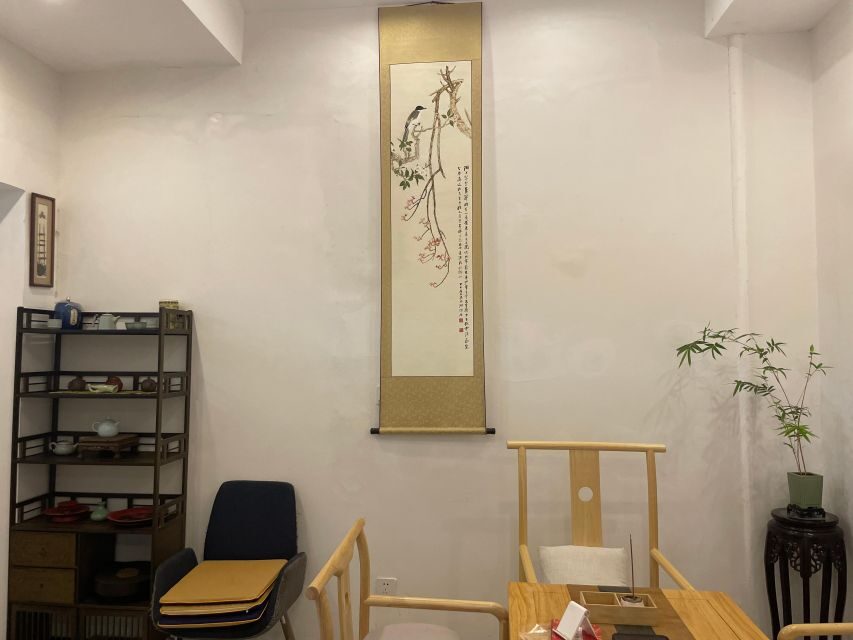
Think of this as a guided tea session with hands-on participation. The core promise is simple: you’ll receive one pot of Chinese tea, plus complimentary snacks. While you sip, you get an explanation of Chinese tea culture and the knowledge behind the ritual.
The flow is practical:
- You choose among tea types (black, green, wulong/oolong, Pu’er).
- Your host guides you through brewing and serving in the way Chinese tea traditions expect.
- You taste the tea alongside snack pairings.
- You learn what the ceremony is trying to communicate, not just how it looks.
It’s not a long performance. It’s more like a focused lesson you can actually remember afterward, which is exactly what you want in Beijing. In a city full of grand things, this kind of small, calm hour can be a relief.
Tea choices you can actually compare: black, green, oolong, Pu’er
One pot, but multiple ways to taste Chinese tea. You get to choose from black tea, green tea, wulong (oolong), and Pu’er tea. That’s a good setup because the differences aren’t subtle when you pay attention.
Here’s what I’d tell you to do as you choose:
- If you want a straightforward flavor direction, start with black tea or green tea.
- If you like aromas and complexity, oolong is often a satisfying middle ground.
- If you enjoy earthy depth and age-related character, Pu’er is the move.
During the session, you’ll also hear about seasonal tea ideas and how tea is discussed in relation to the body. One clear theme is that proper brewing is everything. It’s not just pouring boiling water and waiting a generic few minutes. Your host will explain that water temperature, timing, and technique affect taste and what you experience in the cup.
That practical angle is a real advantage for non-experts. You don’t need tea jargon to get value. You just need to pay attention for one hour, then try your new approach at home.
The courtyard experience: family-hosted, not staged
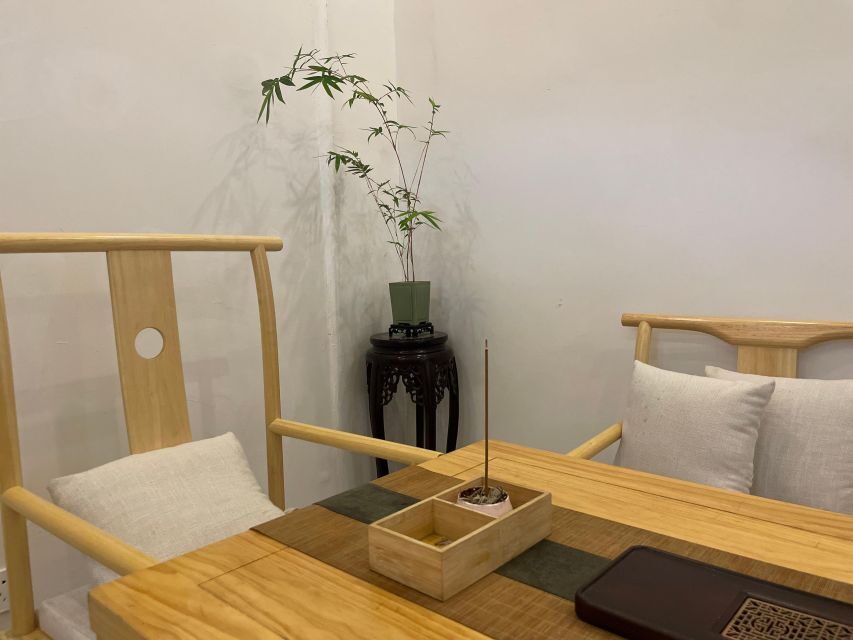
This is where the experience earns its “authentic” reputation. You’re in a Hutong courtyard setting, and you’re not just attending a ceremony behind glass. You’re sitting in a real courtyard atmosphere, and the host experience can feel like stepping into someone’s everyday world.
One guide name you may meet is Limeng. Multiple people singled out her friendly vibe and strong English communication while sharing tea culture and Hutong context. That’s important. Language can make or break cultural tours, and here English is part of the design.
You’ll likely talk about more than tea: how the Hutong lifestyle works, how tea traditions connect with daily rhythms, and what certain tea choices mean. I especially like when hosts connect small rituals to place. In this case, tea becomes a lens for understanding Beijing’s courtyard life.
And yes, there may be a short follow-on walk after the ceremony to a nearby quieter Hutong area close to the Forbidden City. That small extra time can help you shift from “learning mode” to “wandering mode” with your senses warmed up.
Snacks, etiquette, and that max-4 advantage
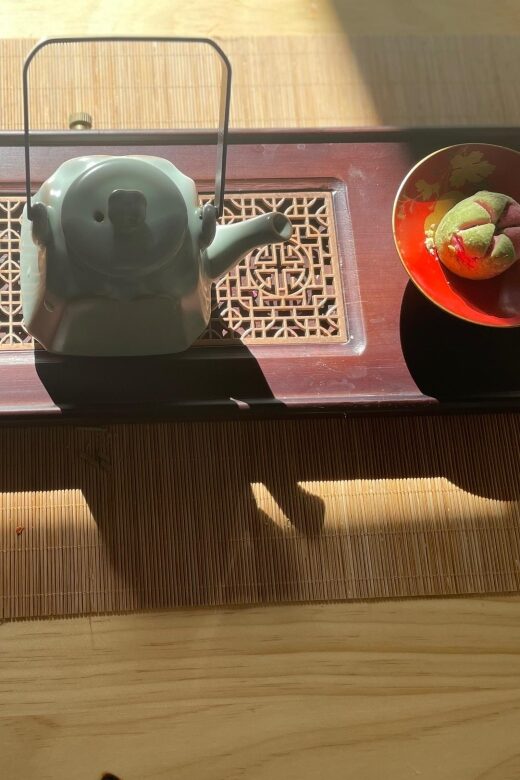
The ceremony includes complimentary snacks with the tea. The exact snack details aren’t described in the core info, but the idea is clear: you’re tasting tea alongside food meant to complement it, not eating dry biscuits in silence.
Etiquette is part of the teaching. You might learn how to hold your teacup with care, and you’ll likely be shown how the tea service is done in a traditional, respectful way. It’s simple stuff, but it changes how you experience the whole ritual.
The max group size—limited to 4 participants—is the practical reason this feels personal. With a small group, your questions don’t evaporate. Your host can correct you and keep the pace comfortable. If you’ve ever done a cultural activity where you’re stuck as background noise, this is the opposite.
Price and the 100 RMB add-on: figuring out the real value
On paper, it’s listed around $31 per person for a one-hour ceremony. But the important detail is that there’s an additional 100 RMB per person charge that’s not included in the base price. So your actual out-of-pocket total will be higher than the starting figure.
Is it worth it? For me, the value comes down to two things you can’t fake:
- The setting and host access in a Hutong courtyard, rather than a generic tea show.
- The hands-on explanation in English, with enough time to learn brewing technique and ask questions.
If you’re a tea person, or you simply want one memorable cultural hour that doesn’t feel like a lecture, the cost can pencil out. If you’re cost-sensitive and you want multiple hands-on tastings, compare this against other Beijing food-and-culture options.
Also, consider that the ceremony includes a selected pot of tea plus snacks. You’re not paying just for the act of watching. You’re paying for a guided experience designed to teach you how to taste and prepare.
How to plan your timing and get there smoothly
This is a city-center experience, and that’s good news for your schedule. Plan to build it into a day that already has Forbidden City-area sights, because you’ll lose less time moving around.
Pickup is included. You’ll be asked to wait in your hotel lobby about 10 minutes before the scheduled pickup time. That means you should confirm your pickup window and don’t arrive late and hope for the best.
What to wear? Keep it practical. Courtyard experiences in Beijing can involve a bit of walking and standing for brief moments, even if the main ceremony is seated. Comfortable shoes go a long way.
If you’re using mobility support, the experience is listed as wheelchair accessible, which is not always true for Hutong spaces. Still, it’s smart to contact the provider if you have specific needs, since courtyard layouts can vary.
Who this Beijing tea workshop suits best
This is a great fit if you:
- Want a cultural experience that’s short, calm, and easy to slot into a sightseeing day
- Like small-group learning where you can ask questions
- Enjoy tea, or you’re curious enough to learn how different teas are brewed and served
- Prefer local conversation in a courtyard setting over a performance-style show
You might not love it as much if:
- You’re only interested in big sights and want zero “sit and listen” time
- You dislike paying add-on charges and would rather keep your budget strictly to the headline price
- You’re expecting a long, multi-stop tour. This stays focused and stays to one hour
Should you book the Chinese tea ceremony in a Beijing Hutong courtyard?
If you’re in Beijing and you want one authentic, practical cultural hour that feels connected to real courtyard life, I’d book it. The combination of central location, small group size, English guidance, and a hands-on tea-brewing lesson makes it the kind of activity you’ll actually remember.
Just budget for the additional 100 RMB per person. And if you’re bringing friends who aren’t tea people, don’t panic: the session includes explanation plus snacks, and the conversational tone seems to work even for non-experts.
If you want a “Beijing flavor” that isn’t another queue, this Hutong courtyard tea ceremony is a smart choice.
FAQ
How long is the tea ceremony?
It lasts 1 hour.
Where is it located in relation to the Forbidden City?
It’s about 150 meters from the east gate of the Forbidden City. It’s also described as around 800 meters west of the exit gate.
What tea is included, and can I choose?
You get one pot of Chinese tea, and you can choose among black tea, green tea, wulong (oolong) tea, and Pu’er tea.
Are snacks included?
Yes. You receive complimentary snacks with the tea.
Is there an extra cost besides the listed price?
Yes. There is an additional 100 RMB per person charge that is not included in the listed price.
Is pickup included, and when do I need to be ready?
Pickup is included. Wait in your hotel lobby 10 minutes before the scheduled pickup time.
Is the tour offered in English?
Yes. The instructor/guide is listed as English.
Can I cancel, and is there a refund?
Yes. It offers free cancellation up to 24 hours in advance for a full refund.