REVIEW · BEIJING
Boutique Tour: 2-Day Beijing Sightseeing Custom-Made Combo
Book on Viator →Operated by Wikibeijing · Bookable on Viator
Two days in Beijing, neatly handled. This custom-made combo lets you pick six sights from a set menu, then a private guide turns them into a timed 2-day plan with door-to-door transfers. I like that the fixed price covers guiding and entrance tickets, so you spend less time budgeting on the fly. I also like the flexibility: you control the mix, whether you want classic icons or a calmer old-town feel. One consideration: hotel and meals are not included, so you’ll want to plan lunches and what part of the day you can realistically snack between stops.
In the reviews, guides such as Dana Yue and Maria are praised for being warm and clear, with explanations that make the landmarks easier to understand (not just see). Your driver also matters a lot in Beijing traffic, and Lu is specifically mentioned as superb. If you’re short on time, this setup helps you get to the right places without playing scheduling Tetris.
This is a strong fit if you want private planning without giving up control, and you’re okay building your own priorities from a prepared list. It’s not the best match if you want an unstructured stroll with zero guidance or if you’re looking for a low-cost group tour deal.
In This Review
- Key points that make this Beijing combo work
- How the pick-six custom plan keeps Beijing from swallowing your time
- Great Wall day: choosing the right section for your energy level
- Juyongguan Great Wall: easy access, classic pass energy
- Badaling Great Wall: the famous, crowded postcard
- Mutianyu Great Wall: more scenic calm, with lift and ride options
- Huanghuacheng Great Wall: built through water, calmer views in season
- A smart tip for any Great Wall choice
- Tiananmen Square and the Forbidden City: iconic, but plan your patience
- The one consideration: one too-many “big icons”
- Hou Hai, Drum and Bell Towers, and Jingshan Park: classic Beijing views without the museum fatigue
- Hou Hai (Back Lakes): old neighborhoods near the water
- Drum and Bell Towers: a view that helps you understand the city
- Jingshan Park: the Forbidden City from above
- Hutong shopping and Temple of Heaven: culture through streets and ritual space
- Liulichang Street: antiques and glazed-tile history
- Nanluoguxiang: a Hutong that’s still a Hutong
- Temple of Heaven: ritual space with Ming and Qing roots
- Summer Palace and Olympic Park: gardens and modern symbols in one arc
- Lama Temple (Yonghegong): Qing-era connections and a calmer side
- Price and what you actually get for $368 per person
- Timing, pace, and what to pack for an early start
- Best for whom: matching this combo to your travel style
- Should you book this 2-day Beijing custom combo?
- FAQ
- What time does the tour start, and is pickup included?
- Is this a private tour?
- What attractions can I choose from?
- How many sights will I see in total?
- Does the price include entrance fees?
- Are meals and hotel included?
- Do I need to provide passport details?
Key points that make this Beijing combo work
- Pick six sights from 15 options, so your trip matches your interests rather than a fixed route
- Private guide and private vehicle, which is the difference between stressed and smooth in Beijing
- Entrance fees are included, so the biggest ticket items are handled for you
- Door-to-door transfers mean less time coordinating and more time at attractions
- Great Wall choices vary by crowd and vibe, from easy-to-reach passes to quieter lake-adjacent sections
- Day 2 can mix imperial sites and neighborhoods, from Tian’anmen and the Forbidden City to Lama Temple and Hutongs
How the pick-six custom plan keeps Beijing from swallowing your time
Beijing can be overwhelming fast. The streets are big, the distances are real, and the most famous sights don’t like to share space nicely with each other. This tour solves that by asking you to choose one Great Wall option and five other sights from the provided list, then building a 2-day schedule around those picks.
I like that approach because it forces a smart decision: you can’t see everything, so you decide what matters most. You get structure—start early, move efficiently, hit the right sites—without feeling trapped in someone else’s priorities. Your guide then acts like a local translator for the route: where you should spend more time, where you should keep moving, and what to notice while you’re there.
One practical benefit: entrance tickets are included for the sights that require them. That reduces a lot of last-minute “where do we stand in line” friction, especially on the days that include the big-name heavy hitters.
You can also read our reviews of more tours and experiences in Beijing

Great Wall day: choosing the right section for your energy level
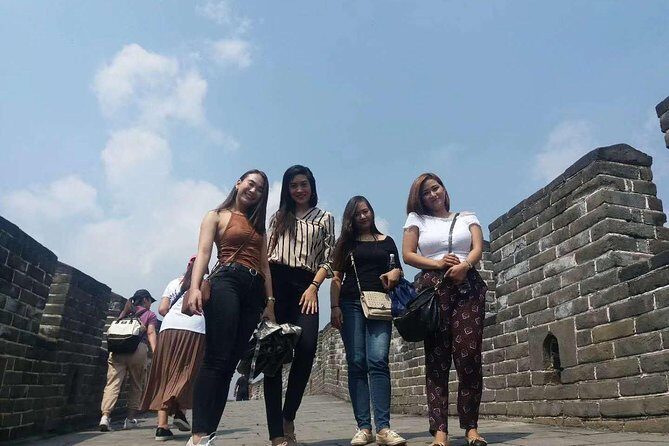
You’ll see the Great Wall on Day 1, and you get a choice among four named sections. All of them include admission, and each one has a slightly different feel. The big differences are crowd patterns, access, and available ride options.
Juyongguan Great Wall: easy access, classic pass energy
Juyongguan is described as number one in China and considered easier to access than some other passes, with an actual Wall experience that feels straightforward to reach. If you’re short on stamina, this is usually the most “straight shot” option.
What you’ll like: it’s designed for visitors who want the Wall without a complicated logistics headache.
What to consider: because it’s popular and accessible, you may still run into crowds at peak times.
Badaling Great Wall: the famous, crowded postcard
Badaling is one of the first sections opened to the public and is the most popular option. That’s great if you want the classic visual impact right away, but it’s also the one most likely to feel crowded, especially weekends and holidays.
What you’ll like: instant recognition—this is the Great Wall many people dream about.
What to consider: if you dislike crowds, build in a slower pace and don’t expect quiet photo time.
Mutianyu Great Wall: more scenic calm, with lift and ride options
Mutianyu is known for beauty and is slightly less touristy than Badaling. You also get ride services such as cable car, toboggan, and chairlift options, which can help you manage steep sections without doing every step the hard way.
What you’ll like: a more scenic feel with options to adjust effort.
What to consider: the attractions around the Wall can still take time, so wear shoes you trust.
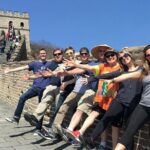
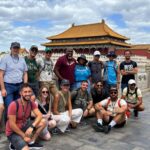
Huanghuacheng Great Wall: built through water, calmer views in season
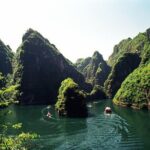
Huanghuacheng is built through a lake, which makes it feel different from the dry, rocky Wall stretches. It’s especially mentioned as peaceful between April and October, and boats can be rented.
What you’ll like: that water-meets-Wall atmosphere, plus a calmer vibe during the best months.
What to consider: season matters here, so pick this section if your travel dates line up.
A smart tip for any Great Wall choice
Because your Wall time is budgeted at about 2 hours per stop, don’t plan on doing everything. Choose a route that matches your goal: walking for views, using rides to save energy, or going for the iconic scenery where the crowds thin out a bit.
Tiananmen Square and the Forbidden City: iconic, but plan your patience
Day 2 can include the biggest ceremonial sites in the city center. When Tian’anmen Square is included, you get a 40-minute window there, with major surrounding landmarks like the Great Hall of the People and Chairman Mao’s Mausoleum referenced as key sights in the area.
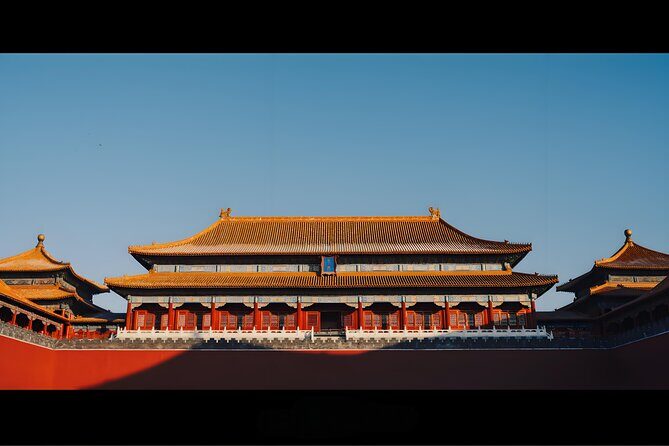
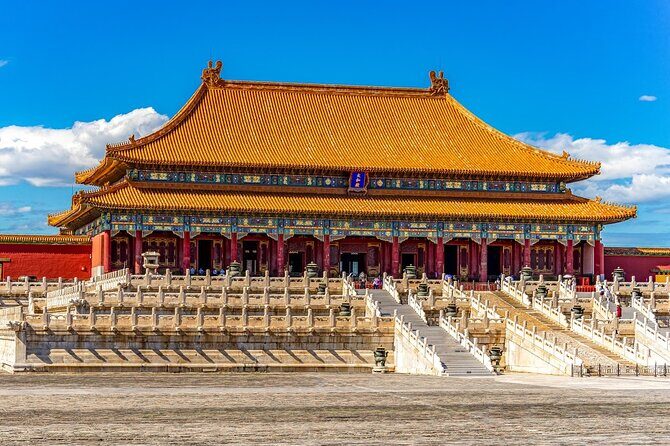
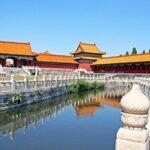
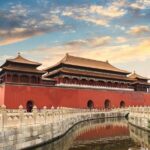
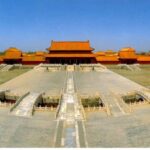
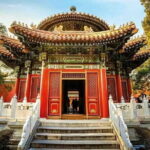
Then comes the Forbidden City (the Palace Museum) with about 1 hour 30 minutes and admission included. This is the place where Ming and Qing emperors lived for over 500 years, and it’s huge. In practical terms, that means your time can evaporate if you don’t know what you want to prioritize.
What I recommend: if you’re choosing the Forbidden City, decide ahead of time what kind of visitor you are.
- If you love architecture and scale, focus on the main ceremonial spaces and key halls.
- If you love story and symbolism, follow your guide’s explanation of how the palace functioned.
The one consideration: one too-many “big icons”
When you stack Tian’anmen and the Forbidden City together (common on this sort of combo), the day can feel intense. That’s not a deal-breaker, but it’s why the custom pick-six design matters. If you’re choosing both, consider balancing the rest of Day 2 with calmer neighborhoods or parks instead of adding another high-intensity site.
Hou Hai, Drum and Bell Towers, and Jingshan Park: classic Beijing views without the museum fatigue
One of the best things about this tour is that it can shift gears from empire-size monuments to older Beijing’s human scale.
Hou Hai (Back Lakes): old neighborhoods near the water
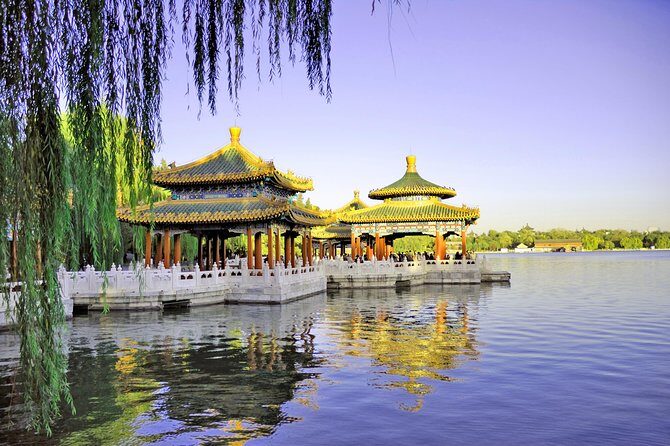
Hou Hai is described as one of the few old and original parts of Beijing with hundreds of years of history. It used to be a living quarter for high-ranking officials, including princes in the Ming and Qing dynasties. If you want a break from heavy crowds and long indoor lines, this is a good reset.
Admission for Hou Hai is listed as free, and the visit is about 1 hour.
Drum and Bell Towers: a view that helps you understand the city
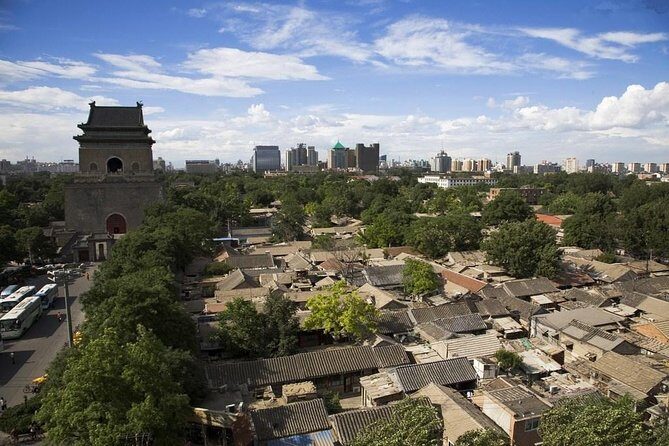
The Drum and Bell Towers are iconic in the old part of Beijing. The key value here is the plan: you can go up the Drum Tower for a panoramic view over the Hutong neighborhood.
Time is listed at about 40 minutes, with admission included. I like this stop because it turns the city layout into something you can actually picture.
Jingshan Park: the Forbidden City from above
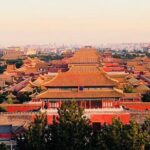
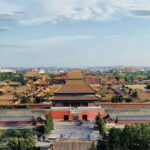
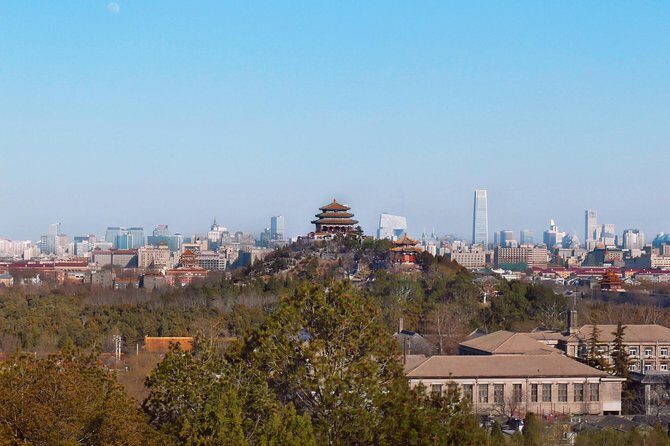
Jingshan Park is described as the best place for a panoramic view of the Forbidden City, downtown Beijing, and the old part of Beijing. That makes it a natural companion to the palace. You see it from the outside, then back inside, then back outside again if your plan includes both.
Time is about 40 minutes, admission included.
What to consider: these viewpoints are great, but you still need to pace yourself. If your legs feel cooked after the Forbidden City, you may enjoy the views more if you treat each viewpoint like a short mission, not a long linger.
Hutong shopping and Temple of Heaven: culture through streets and ritual space
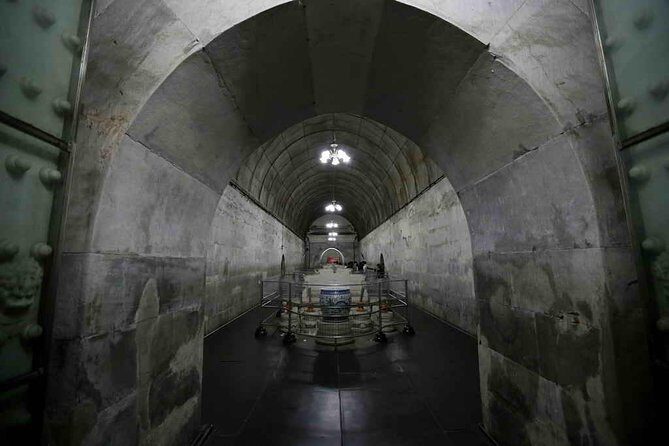
Beijing isn’t only about major monuments. Some of the most memorable parts of the city are the lanes, shopfronts, and ceremonial sites that show how people lived and believed.
Liulichang Street: antiques and glazed-tile history
Liulichang is a street of shops selling antiques and curios in traditional stone houses. It’s connected to old work linked to glazed tiles of the Forbidden City. It’s listed as about 1 hour and free to enter.
I like this stop for two reasons: it’s easy to browse without strict scheduling, and it feels like Beijing’s craft and collector culture in a walkable format.
Nanluoguxiang: a Hutong that’s still a Hutong
Nanluoguxiang is described as one of the oldest Hutongs in Beijing, with over 740 years of history. It’s now a popular shopping and snack street.
Time is listed at about 1 hour, free entry. If you want a leg-stretch between bigger sights, this works well.
Temple of Heaven: ritual space with Ming and Qing roots
Temple of Heaven is included as about 1 hour, admission included. The core idea here is simple: it’s where Ming and Qing emperors performed ritual ceremonies.
Practical upside: this is a different kind of awe. Instead of a royal palace scale, you get a spiritual landscape built for ceremony.
Summer Palace and Olympic Park: gardens and modern symbols in one arc
If you include Summer Palace, you’re adding a major imperial garden element. It’s listed as about 1 hour 30 minutes and admission included. One detail worth knowing: there’s mention of a dragon boat ride between April and October.
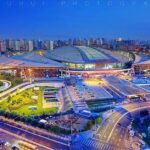
Olympic Park adds another contrast. After the 2008 Olympic Games, the park structures are described as representative of Beijing. It’s listed at about 40 minutes, and entry is free.
What I like about mixing these two: it gives your Beijing story range. You see traditional power and ceremony, then you see how the modern city projects itself. Done right, it prevents Day 2 from turning into a single-theme march.
What to consider: if you choose Summer Palace and also stack multiple old-city viewpoints, you might feel like you’re rushing. The custom plan helps, but you still need to think about your own pace.
Lama Temple (Yonghegong): Qing-era connections and a calmer side
If your Day 2 includes Lama Temple, you’ll visit Yonghegong, described as the largest lamasery in Beijing. It’s also tied to two famous Qing emperors who came from there. Time is about 1 hour, admission included.
I find this stop valuable because it adds religious and cultural context that doesn’t overlap with the palace and city square. It’s also the kind of place where a guide’s explanations really matter; without that, you might just see structures and details.
Price and what you actually get for $368 per person
At $368 per person for about 2 days, this isn’t a budget “see everything” deal. It’s closer to what you pay when you want your time protected: private transfers, private guide, entrance fees handled, and a route that’s built around your picks.
Here’s what’s included in the price set-up:
- Hotel pickup and drop-off
- Transport in a comfort vehicle (business van for 1–5 people)
- Experienced English-speaking guide
- Entrance fees (for the listed included sites)
- Bottled water
- A plan that uses your chosen sights to create an organized 2-day itinerary
- A mobile ticket (which can make access smoother)
What’s not included:
- Hotel accommodation
- Meals are at your own expense
One additional note: lunches and Great Wall cable car are mentioned as included only if you select an all-inclusive package option. So if you hate negotiating food plans, check that package choice early.
Is it good value? For short stays, I’d say yes—especially if you’re trying to cover the Great Wall plus core imperial Beijing in two days without wasting hours on transit wrangling. If you’re traveling as a small group or a couple and would otherwise pay for separate taxis and individual ticket lines, the private structure starts to look more reasonable.
Timing, pace, and what to pack for an early start
The tour starts at 8:00 am. That matters in Beijing. You’ll want to be ready before traffic and crowds set the tone.
This combo is also built around several time-boxed visits:
- Great Wall stops are listed around 2 hours
- City-center landmarks range from 40 minutes to 1 hour 30 minutes
- Day 2 has multiple stops that can feel like a relay
So pack for stamina: comfortable shoes, a light layer, and sun protection if your dates are warm. You’ll have bottled water, but you’ll still feel better if you can manage your own snack and hydration rhythm.
Also, decide early whether you’re the kind of traveler who wants lots of photos or lots of explanation. With a private guide, you can usually find a balance, but your own preference will shape the day.
Best for whom: matching this combo to your travel style
This tour is a great fit if:
- You have limited time and want Six UNESCO-type icons and big sights style coverage in two days
- You prefer private guiding over group pacing
- You like to steer your own priorities but still want someone local to handle the sequence
- You want your Great Wall choice matched to your comfort level (easy access, fewer crowds, ride options, or lake scenery)
It may not be ideal if:
- You want a long, slow wandering vacation with no fixed itinerary pressure
- You’re traveling on a tight budget where private vehicle and guiding are a stretch
- You don’t want to choose from the provided list of attractions
Should you book this 2-day Beijing custom combo?
Yes, if you want Beijing done in a smart, guided way. Booking makes sense when you’re trying to balance the Great Wall with major imperial sights and still keep the day from turning into transit stress. The biggest selling point is control: you pick the six sights, and you get the comfort of private transport and entrance fees handled.
Before you book, do two things:
- Choose your Great Wall section based on your crowd tolerance and effort level (Badaling for classic fame, Mutianyu for ride options and slightly less crowd, Huanghuacheng for lake atmosphere, Juyongguan for easy access).
- Pick Day 2 stops that match your energy. If you go big on Tian’anmen and the Forbidden City, balance with one or two viewpoints or a neighborhood walk rather than stacking too many major sites back-to-back.
If that sounds like your style, this is a very practical way to see Beijing without wasting your trip in logistics.
FAQ
What time does the tour start, and is pickup included?
The tour starts at 8:00 am, and hotel pickup and drop-off are included.
Is this a private tour?
Yes. It’s private, and only your group participates.
What attractions can I choose from?
You choose 1 option from category A (Great Wall choices) and 5 different options from category B (the city sights list like Tian’anmen Square, Forbidden City, Temple of Heaven, Summer Palace, Lama Temple, and others).
How many sights will I see in total?
You’ll see six of the listed sights across the two days based on your selections.
Does the price include entrance fees?
Yes. Entrance fees are included for the listed attractions that have admission.
Are meals and hotel included?
No. Meals are at your own expense, and hotel accommodation is not included.
Do I need to provide passport details?
Yes. You’ll need to provide the passport name and number at booking for all participants.