REVIEW · BEIJING
Noon Calligraphy Class
Book on Viator →Operated by Hutong Calligraphy Class · Bookable on Viator
Brushstrokes beat souvenir shopping. This class is a hands-on way to understand Chinese characters through real tools—ink, brushes, rice paper, and even seal carving—with time to practice until your final piece is ready. In the small setting, I love how the instructor explains not just technique, but the meaning behind what you’re writing.
I also like that the lesson rhythm stays calm and focused. You get plenty of practice before finishing, and you leave with something you can keep, not just photos. The main drawback to note: it’s a short workshop, so you should pick the right class length for what you want out of the day.
In This Review
- Key Takeaways Before You Go
- Noon Calligraphy in Beijing: A Calm Plan Between Sights
- Meeting at Hilton Wangfujing: Getting There Without Drama
- What You Actually Learn: Ink Strokes and the Tools Behind Them
- The Class Flow: Practice, Then a Take-Home Finish
- The Instructor Experience: When Kind Guidance Becomes the Real Highlight
- Price and Value: Is $20 a Good Deal for Beijing?
- Timing, Timing, Timing: How to Pick Your Class Length
- Who Should Book This Calligraphy Class (and Who Might Not)
- Tips to Get Better Results in Less Time
- Should You Book This Noon Calligraphy Class?
- FAQ
- Where does the calligraphy class start?
- How long is the class?
- What’s included in the price?
- Can kids join the class?
- How big is the group?
- How much does it cost?
- Is there free cancellation?
Key Takeaways Before You Go
- Downtown meeting point near Wangfujing makes this easy to slot into a Beijing day.
- Small group size (up to 15) means you’re not lost in the crowd.
- You choose the class length (30, 60, or 90 minutes when booking).
- Supplies are provided so you can focus on learning instead of hunting materials.
- You’ll learn more than writing: ink strokes, brush control, rice paper, ink stones, and seal-related details.
Noon Calligraphy in Beijing: A Calm Plan Between Sights
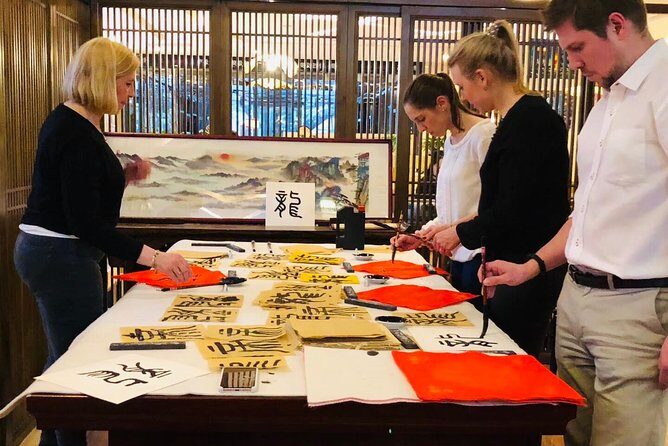
A calligraphy class in Beijing is one of those rare activities that feels both cultural and practical. You’re not just watching someone create art—you’re using your own hands to make brush lines that look simple, but take real control. If your schedule has you bouncing between markets and monuments, this gives you a different pace. Think steady, quiet focus rather than nonstop walking.
What makes the experience especially appealing is the flexibility. The class offers multiple daily times, so a noon slot is just one option. This matters in Beijing because plans change fast: weather shifts, crowds surge, and transport can take longer than you expect. Being able to choose a time helps you keep your day from turning into a stress test.
The vibe also comes through in what people describe afterward. Many say the session feels light at first, then settles into something closer to a morning calm. If you like activities that slow your brain down for a bit, you’ll likely enjoy that rhythm.
You can also read our reviews of more tours and experiences in Beijing


Meeting at Hilton Wangfujing: Getting There Without Drama
The meeting point is Hilton Beijing Wangfujing at No. 8 Wangfujing Dongjie, Dongcheng District, Beijing (100006). The activity also ends back at the same place, which makes planning simpler. You don’t have to figure out how to get back after the class while your day is still running.
This location is useful even if you’re not staying at the hotel. Wangfujing is a central area, and the class notes say it’s near public transportation. Practically, that means you can drop in on a day when you want to see the major sights nearby, then step away for a focused workshop without adding extra travel time.
Also, you’ll get a mobile ticket. That’s one less thing to manage when you’re already carrying a phone, passport, and whatever else Beijing throws at you.
What You Actually Learn: Ink Strokes and the Tools Behind Them
Calligraphy is more than learning a set of character shapes. The point here is understanding the building blocks: how ink behaves, how the brush marks the page, and how the tools shape the final result.
In this class, you’ll work with essentials like:
- Brush technique and ink strokes
- Rice paper
- Ink stones (part of the traditional process)
- Seal-related details (including seal carving concepts)
You’re also encouraged to ask questions. That might sound basic, but it changes the whole experience. If you ever wondered why Chinese characters look the way they do, it helps to be able to ask directly while you’re still holding the brush. It’s one thing to admire calligraphy as art; it’s another to understand why pressure, angle, and timing matter.
And here’s the cultural angle that makes it feel authentic: calligraphy is treated as a physical way to experience language. In plain terms, you’re tracing meaning with motion. That idea shows up in how instructors describe the form—lines aren’t just outlines, they carry rhythm and energy.
The Class Flow: Practice, Then a Take-Home Finish
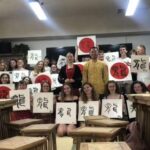
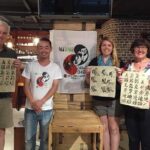
The workshop is built around doing. You’re guided through the basics, then you practice before moving on to a final piece. This is one of the most praised parts. People specifically mention getting lots of practice before finishing something they can take home.
That practice step matters. If you’re used to modern handwriting, calligraphy can feel stubborn at first. The brush won’t behave like a pen. It gives thicker and thinner lines based on how you move. The teacher’s job, in this kind of class, is to help you translate instructions into muscle memory.
Most sessions run about 1 hour (approx.), but the booking lets you choose among lengths. So if you’re the type who likes a quick taste, go short. If you want more room to ask questions and redo strokes until they improve, choose longer.
The mental tone also tends to be a draw. Several participants describe it as relaxing—almost like a form of seated focus. One theme you’ll notice is that the teacher’s approach can switch the room from excited to calm, which makes it easier to learn without feeling rushed.
The Instructor Experience: When Kind Guidance Becomes the Real Highlight
The teacher is an art instructor, and the name Richard comes up in multiple accounts. People describe him as kind, informative, and passionate about the craft. Another instructor name that appears is Li, with comments praising practiced instruction.
Here’s why that’s worth caring about: calligraphy has a learning curve. If the teaching is clear, you pick up control faster. If the teaching is supportive, you don’t get discouraged when your first strokes look nothing like the finished sample.
From what’s shared, the best lessons have two parts:
1) Technique explanations you can actually use while your hand is in motion.
2) Cultural context, so your work feels connected to meaning, not just decoration.
If you’re the kind of person who loves to understand what you’re doing—why the line matters, what the character represents, how seals fit into the tradition—you’ll probably leave feeling like you learned something real.





Price and Value: Is $20 a Good Deal for Beijing?
At $20 per person, this workshop is priced like a solid cultural add-on rather than a premium art retreat. The value comes from what’s included:
- Instruction by an excellent art teacher
- Calligraphy supplies to use during the class
- A guided session at your chosen length (30, 60, or 90 minutes)
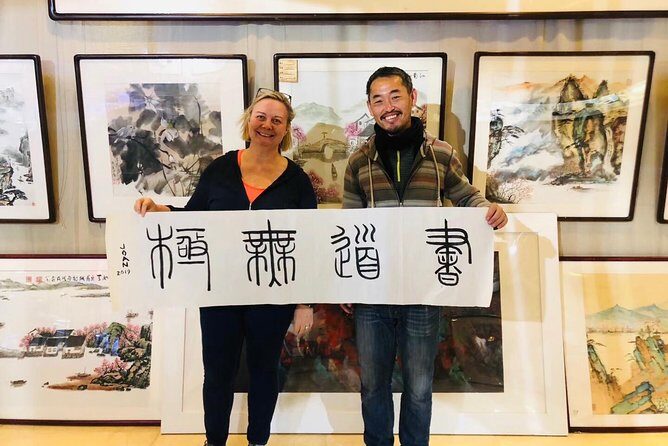
- A structure that leads to a finished piece you can keep (commonly mentioned)
If you break it down, you’re paying for teacher time plus materials plus guided practice time. That’s the key. A lot of cheap activities in major cities charge for basic entry, but you still end up doing half the work yourself. Here, the supplies and teaching remove the guesswork.
There’s also mention of group discounts, which can be a nice bonus if you’re traveling with a small group and want a shared activity that isn’t just a selfie stop.
Bottom line: if you want a hands-on skill with cultural context, $20 feels fair. If you only want a quick photo and zero effort, it might feel too hands-on for your style.
Timing, Timing, Timing: How to Pick Your Class Length
The class is offered in multiple time slots, and you choose the length when booking. Even though the standard experience is listed around 1 hour, the included options include 30-minute, 1-hour, and 1.5-hour formats.
So how should you decide?
- Pick the shorter option if your goal is a sampler: learn the basics, do a few strokes, and leave satisfied without eating your whole morning or afternoon.
- Pick the longer option if you want the teacher’s step-by-step guidance to sink in. More time means more practice attempts and more chances to correct your technique.
A practical tip: if you’ve got a busy sightseeing day, the ability to choose time becomes your secret weapon. This is the kind of activity where arriving calm helps you learn faster. If you start it right after a long ride or a big meal, you might feel sluggish. Give yourself a little breathing room.
Who Should Book This Calligraphy Class (and Who Might Not)
This is a great fit if you:
- Enjoy hands-on activities where you make something tangible
- Want an authentic cultural skill that doesn’t require prior experience
- Prefer smaller-group instruction over big-group tours
- Like quiet, focused activities, including on rainy days
It also works for families. The class notes say children must be accompanied by an adult, and it’s described as an experience that can work for both adults and children.
You might want to skip it (or choose a shorter option) if:
- You only want major sightseeing with no quiet time
- You’re traveling with a very impatient crowd and nobody likes sitting and practicing
- You’re expecting a long, guided walking tour of sights (this is primarily a workshop)
Tips to Get Better Results in Less Time
Calligraphy is one of those skills where tiny adjustments change everything. You’ll get the most out of the session by keeping your focus on the basics your instructor emphasizes.
A few practical reminders:
- Wear something comfortable. Your hand and wrist will move more than you expect.
- Don’t judge your first strokes too harshly. The lesson is built on practice leading to a final piece.
- Ask questions while you still remember what felt difficult. Waiting until the end makes it harder to fix specific problems.
- If you’re choosing a class length, pick based on how much you want to repeat strokes, not just how much time you want to spend sitting.
And yes, it can feel meditative. That’s not a marketing line—it’s what happens when you concentrate on pressure, motion, and rhythm instead of screens.
Should You Book This Noon Calligraphy Class?
Yes, if you want a calm, meaningful Beijing experience that ends with something you created. The combination of small group size, instruction from an art teacher (with names like Richard and Li showing up in strong feedback), and provided supplies at a low price makes it a smart use of time. You’re not paying for empty spectacle—you’re paying to learn control and leave with a finished piece.
Book it especially if you’re near Wangfujing anyway, want an indoor option for bad weather, or want a break from constant walking.
If you hate hands-on activities, or you’re determined to pack your day with only big-ticket sights, you might feel like it’s too much “quiet work.” In that case, choose the shortest time slot so you still get the cultural taste without sacrificing your schedule.
FAQ
Where does the calligraphy class start?
The activity starts at Hilton Beijing Wangfujing, located at No. 8 Wangfujing Dongjie, Dongcheng District, Beijing (100006), and it ends back at the meeting point.
How long is the class?
The experience is listed at about 1 hour, and you can also choose other lengths when booking: 30 minutes, 1 hour, or 1.5 hours.
What’s included in the price?
The class includes calligraphy supplies to use during the lesson and instruction from an art teacher, with the chosen calligraphy class time included. Any other expenses are not listed as included.
Can kids join the class?
Yes, children are allowed, but children must be accompanied by an adult.
How big is the group?
The class has a maximum of 15 travelers.
How much does it cost?
The price is $20.00 per person.
Is there free cancellation?
Yes. Free cancellation is available up to 24 hours in advance for a full refund. If you cancel less than 24 hours before the start time, the amount paid is not refunded.