REVIEW · BEIJING
Hutong Walking Tour: Discover Real Beijing without Crowds
Book on GetYourGuide →Operated by NEXTCITY · Bookable on GetYourGuide
Hutongs, minus the crowds. This small-group walk (max 8) from Xisi Station threads through temples, a church, and real courtyard lanes, while still showing how the modern city presses in. What I like: the off-track hutong pace with clear stories that make the architecture make sense, and the included traditional drink stop (often iced tea or sour plum). One drawback: about half the time isn’t in the hutongs, so if you want 100% alley-walking, book with caution.
Guides like Dee or Tracy keep the tempo friendly and answer questions in English or Chinese. You start at 西四站 (Exit D) and finish at 阜内大街410号 after a mix of guided walks, photo pauses, and a short café break.
Bring comfy shoes, since the route covers around 3km. And remember: hutongs are neighborhoods first, so you’ll want to give residents privacy and not treat the courtyards like a stage.
In This Review
- Key highlights at a glance
- Entering Hutong Beijing Without Turning It Into a Theme Park
- Where You Start: Xisi Station to a Backstreets Morning
- Guangji Temple: A Quiet Start With Big Cultural Meaning
- Church of the Saviour: The Surprise Stop That Makes Beijing Feel Real
- 正阳书局: A Bookshop Stop With Real-World Shopping Time
- Zhuanta Hu Tong: Courtyard Life You Can Actually Feel
- Emperors Temple of Past Dynasties: Photo Stop Worth Slowing Down For
- Local Café Break: The Pause That Makes the Walk Comfortable
- Miaoying Temple: Another Calm Moment Before the Finish
- The Included Traditional Drink: Taste the Season of Beijing
- What This Tour Costs, and Why It’s Good Value
- How Much Walking Is It, Really?
- Respect Hutongs Like a Neighborhood, Not a Mall
- Who Should Book This Hutong Walking Tour
- Should You Book? My Straight Answer
- FAQ
- Where does the tour start?
- How long is the tour and how much walking is involved?
- What stops and sights are included?
- Is the entire tour spent in hutongs?
- What’s included in the price?
- Is the tour suitable for wheelchair users or people with mobility impairments?
Key highlights at a glance
- Small group of up to 8 for a calmer, more personal pace
- Half hutong time, half local sites so you see old and new together
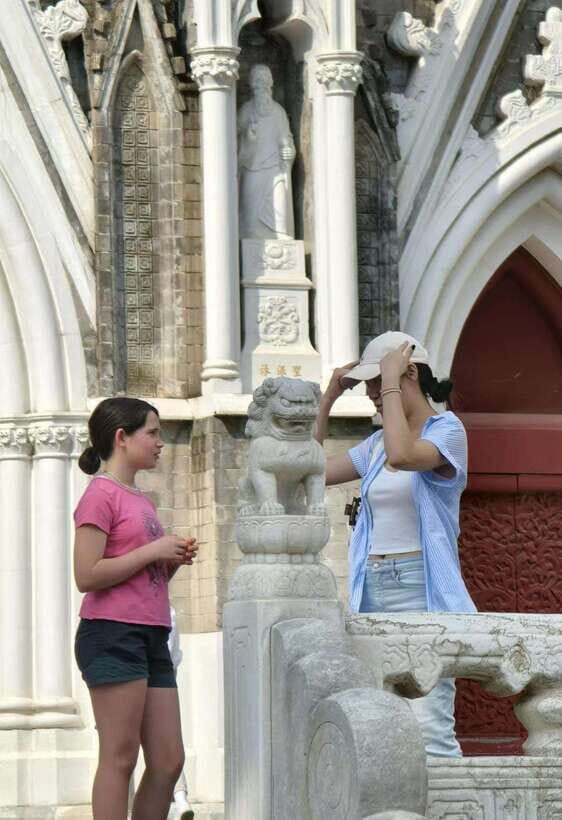
- Temple and church mix for a fuller look at Beijing’s spiritual side
- Included traditional drink that tastes like a specific season of Beijing
- Courtyard-house and urban-design context that turns streets into a lesson
Entering Hutong Beijing Without Turning It Into a Theme Park
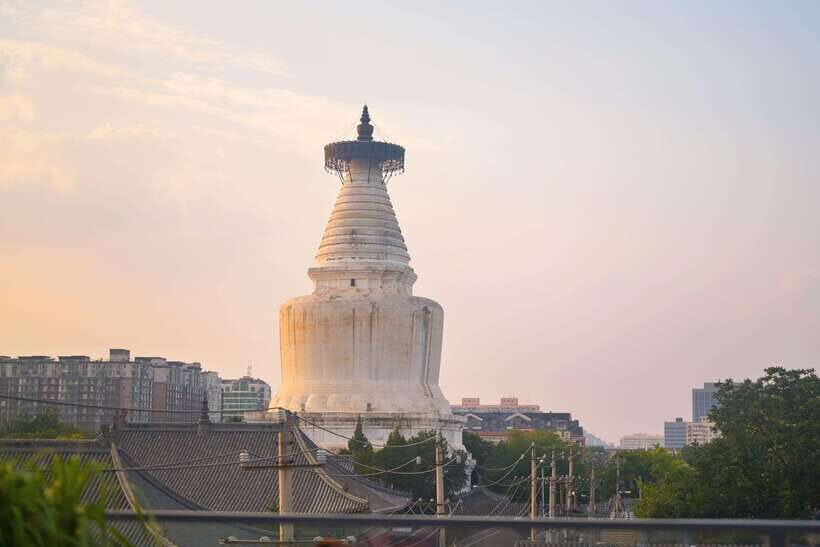
This tour is built for people who want Beijing as a living city, not a postcard loop. The group size stays small, and the route is designed to move at walking speed—so you notice details you’d miss from a bus window or a high-speed checklist.
What I appreciate most is the balance between story and street-level observation. You don’t just pass by doorways and alleys. You get context for why the lanes are laid out the way they are, how courtyard life works, and what changed when Beijing grew fast.
And yes, you do still get the modern side of Beijing in the mix. That contrast is the point. The tour helps you understand why hutongs feel so intimate—and why that intimacy is under pressure from new development.
You can also read our reviews of more walking tours in Beijing
Where You Start: Xisi Station to a Backstreets Morning
Your morning begins at Metro Line 4, Xisi Station (西四站), Exit D. It’s an easy meeting point that lets you arrive on your own schedule, without stress or complicated transfers.
From there, the route walks you toward Beijing’s traditional fabric first, then expands outward. You’ll see how hutongs connect to temples and older ceremonial buildings, and how newer city planning pushes up against that older layout.
The whole walk is about 2.5 hours with an estimated 3km of walking. That distance is very doable if you wear comfortable shoes and keep an eye on the weather. The tour also includes a short break at a local café, which helps if you’re touring early in the day or want a moment to reset your legs.
Guangji Temple: A Quiet Start With Big Cultural Meaning
One of the earliest stops is Guangji Temple, where you get a guided visit. Temples like this matter in Beijing because they’re not just tourist stops. They’re part of the way people mark seasons, health, and daily routine.
On this kind of tour, the guide’s job is to help you read what you’re seeing. You’ll learn what certain parts of temple architecture were meant to represent and how religious spaces fit into the wider neighborhood.
Even if you’re not a hardcore architecture fan, temple visits work well on a walking tour. They slow you down. You get space to look at carvings, courtyards, and the rhythm of worship life—then you step back into the streets with a better sense of context.
Church of the Saviour: The Surprise Stop That Makes Beijing Feel Real
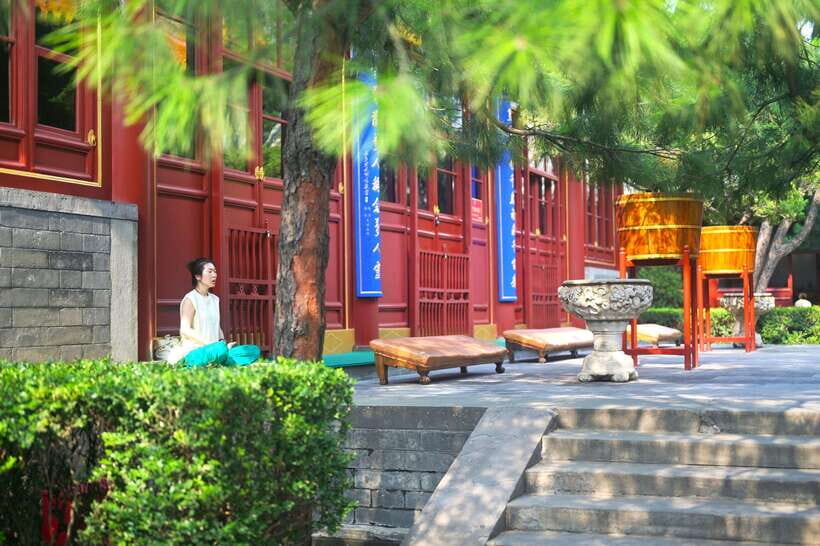
Next comes Church of the Saviour, Beijing, a guided visit with an atmosphere that’s different from the hutongs and temples around it. This is one of the stops that helps the tour feel genuinely about Beijing life, not only one tradition.
You’ll get guidance that explains how these buildings ended up here, and what they mean in the city’s broader history. That matters because Beijing isn’t one storyline. It’s a set of layers that changed over time.
If you like when a tour makes you look at familiar things in a new way, this church stop does that. It also provides a helpful contrast: spiritual architecture, but with different design language and a different sense of space.
正阳书局: A Bookshop Stop With Real-World Shopping Time
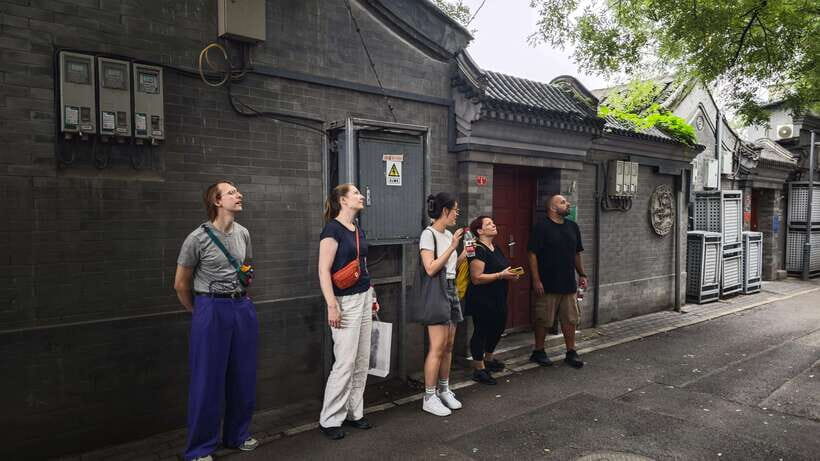
You’ll also visit 正阳书局, which includes time to shop. Bookshops in Beijing aren’t just retail. They’re where people browse, chat, and linger—especially when you’re in a neighborhood that still feels local.
This stop is useful for practical reasons too. If you want a small souvenir that isn’t generic, a guidebook-style book or local writing can feel more personal. It’s also a good reset point before you head deeper into the residential lanes again.
The key is that the tour doesn’t rush you through. You get guided context, then a little freedom to browse.


Zhuanta Hu Tong: Courtyard Life You Can Actually Feel
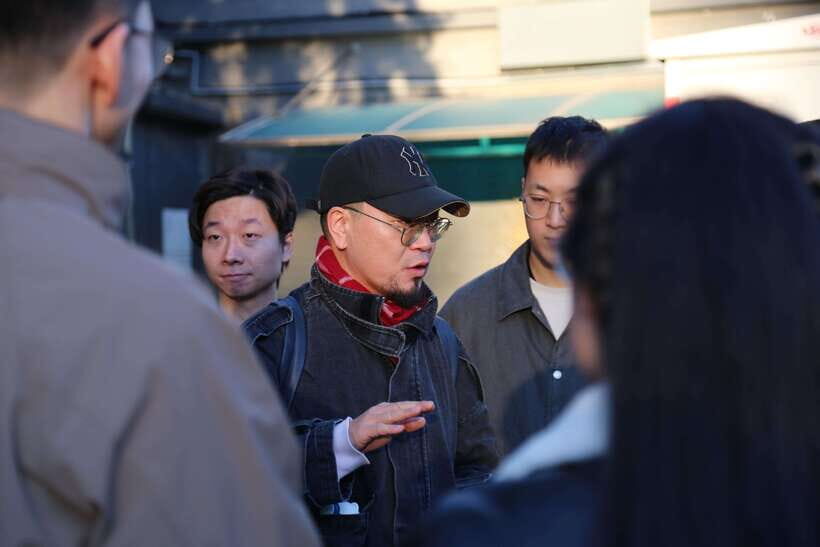
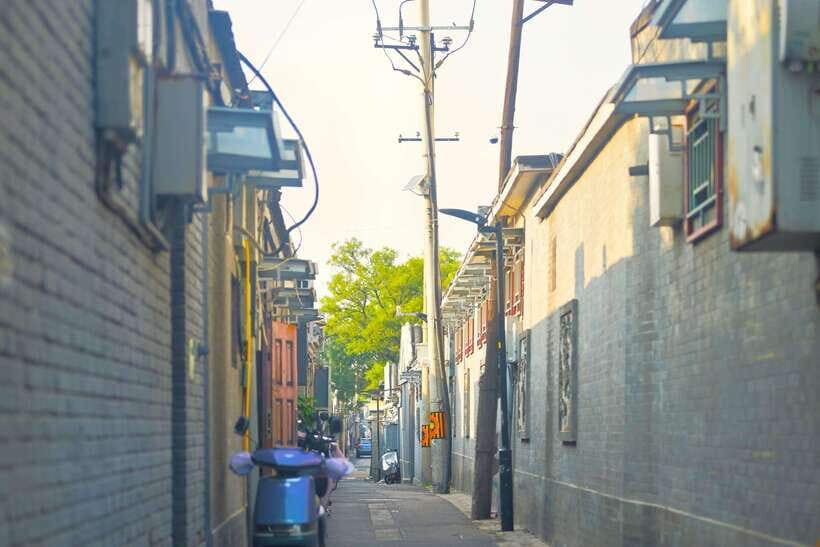
Now you get into the lane system with Zhuanta Hu Tong. This is where the tour earns its title. Hutongs aren’t wide, and they don’t behave like museum corridors. They’re human-scale streets shaped by courtyards, family life, and local routines.
You’ll learn about siheyuan and how courtyard homes work as a unit—where people lived, how spaces were organized, and why those design choices mattered. The guide also helps connect what you see to what Beijing was before so many areas modernized.
One thing I like about this part is that it doesn’t treat residents’ homes as sets. The tour focuses on observation and respect—so the experience feels more like learning from a neighborhood than taking it over.
Emperors Temple of Past Dynasties: Photo Stop Worth Slowing Down For
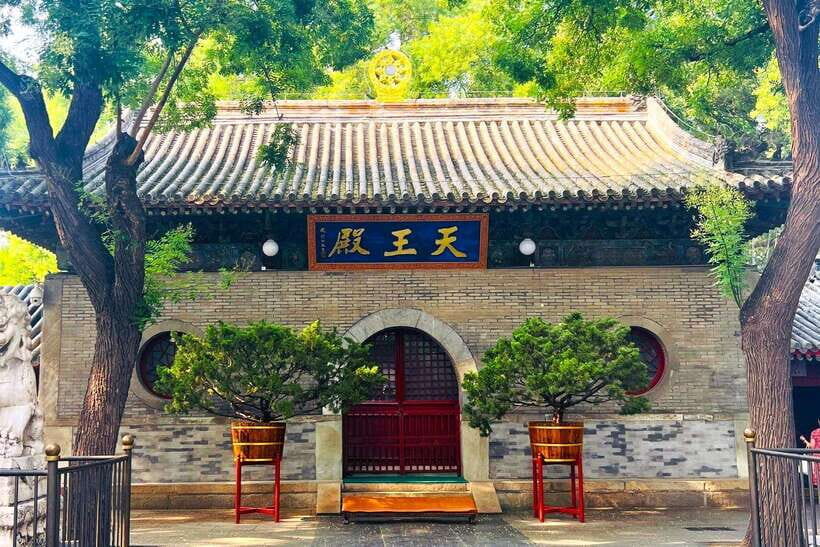
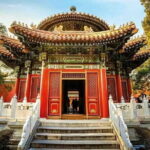
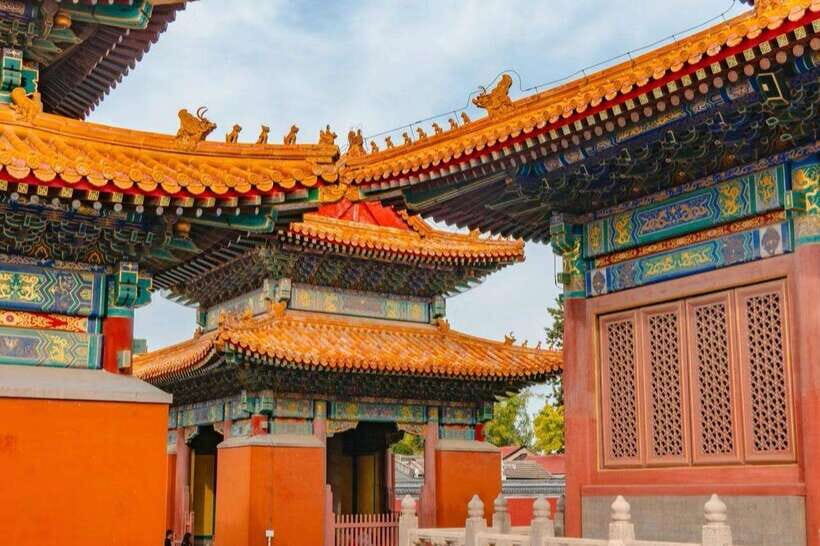
You’ll make a photo stop and guided visit at the Emperors Temple of Past Dynasties. Even if you’re only photographing, you’ll get more from it with the guide’s context.
This stop highlights how ceremonial spaces and historical symbolism shaped Beijing’s spiritual and cultural identity. You’ll see architectural details that you might otherwise miss, and you’ll learn what those details were meant to communicate.
It’s also a good moment to look back at the tour’s theme. So far you’ve seen faith spaces, residential lanes, and a neighborhood bookshop. Here you see how older dynastic remembrance functions in real built form.
Local Café Break: The Pause That Makes the Walk Comfortable
There’s a break time at a local café, built in after several stops. This matters on a walking tour, especially in Beijing when weather and sun can change fast.
Use the pause to drink water and regroup. You’re not just covering distance; you’re absorbing stories and moving between different kinds of buildings. A short break keeps the tour enjoyable instead of exhausting.
It’s also a natural point to ask questions. If there’s something you want to revisit—architecture, daily life, or how to get around on your own—this is a good time to get answers while things are fresh.
Miaoying Temple: Another Calm Moment Before the Finish
You’ll have another photo stop and guided visit at Miaoying Temple. Temples like this often feel like a world apart from the streets outside the gate. That difference is exactly what you want on this tour.
The guide will help you understand the temple’s role and significance, plus how religious spaces connect back to neighborhood life. Even if you’ve seen temples before, this one can feel different because of the surrounding hutong environment.
This part of the route also gives you a sense of pacing. You’re not only walking through narrow lanes. You’re alternating between spiritual calm and street-level everyday life, which is why the whole morning feels balanced.
The Included Traditional Drink: Taste the Season of Beijing
The tour includes a traditional Beijing drink, and it’s not just a token sip. In practice, it often shows up as something refreshing—like iced tea—or a more seasonal pick like sour plum served with Chinese herbs.
That kind of drink stop matters because it’s tied to local routines and local ingredients. It’s also an easy way to mark the tour in your memory. You’ll know exactly what you’re tasting because it’s included and explained as part of the experience.
If you’re trying to understand Beijing beyond major sights, this is a nice shortcut. Food and drink are language you can taste on the spot.
What This Tour Costs, and Why It’s Good Value
At $49 per person for 2.5 hours, this is priced in the sensible range for a guided walking experience with entrance fees included. The tour covers:
- a local guide
- a traditional Beijing drink
- an entrance fee for the Palace of Ancient Monarchs (note it’s closed on Mondays)
So you’re not paying extra on the day for core access. Add the guided explanations, the small group size, and the fact that you walk through multiple types of buildings—temple, church, and courtyard lanes—and the price starts to feel fair.
Also, you’re not spending your whole day on one single neighborhood. You’re seeing hutongs plus key adjacent sites, which helps you build a more complete mental map for the rest of your Beijing trip.
How Much Walking Is It, Really?
Expect around 3km of walking over the full tour. That doesn’t sound dramatic, but hutongs mean frequent turns and stop-start pacing. You’ll walk enough to feel it in your legs, especially if you’re visiting in hot or rainy conditions.
So my practical advice is simple:
- wear comfortable shoes
- bring water
- if it’s sunny, bring a hat and sunscreen
- if it’s rainy, plan for weather variation and keep your essentials dry
If you have mobility impairments or use a wheelchair, this tour isn’t designed for that. The experience assumes walking along uneven, narrow neighborhood routes.
Respect Hutongs Like a Neighborhood, Not a Mall
This is a big part of making the experience work. Hutongs are where people live. The tour encourages you to keep a quiet, respectful attitude and protect residents’ privacy.
What that looks like on the street:
- don’t block doorways or narrow lanes
- don’t get too close to people’s homes for photos
- follow the guide’s cues on where to stand and move
When you do this, the tour feels smoother and more authentic. When you don’t, it becomes awkward fast for everyone.
Who Should Book This Hutong Walking Tour
This tour is a great fit if you:
- want real Beijing life without large crowds
- like architecture explanations tied to everyday spaces like courtyards
- enjoy a balanced route that includes temples and a church, not just alleys
- want restaurant and travel tips after the tour
It’s also a strong choice early in your trip. The guide’s context helps you compare what you’re about to see later in major historic areas. When you have that baseline, big sights make more sense.
A small group also helps if you’re traveling solo. You can ask questions without feeling like a voice in a crowd.
Should You Book? My Straight Answer
Book this hutong walking tour if you want a calm, guided morning where hutongs are the centerpiece, but you also get the bigger picture of Beijing’s layers. The small group, the mix of spiritual and neighborhood stops, and the included traditional drink make it a solid value at $49.
Skip it (or book with caution) if your top priority is 100% time inside hutongs. Since about half the tour includes other local attractions and unique buildings, you’ll want to be okay with that mix.
If you’re the type who likes to understand how cities work—through streets, buildings, and daily rhythms—this is the kind of tour that pays off fast.
FAQ
Where does the tour start?
It starts at Metro Line 4, Xisi Station, Exit D (西四站D西南口).
How long is the tour and how much walking is involved?
The tour lasts 2.5 hours and involves significant walking, about 3km.
What stops and sights are included?
You’ll visit Guangji Temple, the Church of the Saviour, 正阳书局, Zhuanta Hu Tong, Emperors Temple of Past Dynasties (photo stop), a local café break, and Miaoying Temple (photo stop). The Palace of Ancient Monarchs entrance fee is also included when open.
Is the entire tour spent in hutongs?
No. About half of the tour is in the hutongs, and the rest includes visits to other local attractions and unique buildings.
What’s included in the price?
The price includes a local guide, the entrance fee for the Palace of Ancient Monarchs (closed on Monday), and a traditional Beijing drink.
Is the tour suitable for wheelchair users or people with mobility impairments?
No. It is not suitable for people with mobility impairments or wheelchair users.