REVIEW · BEIJING
Chinese Kungfu class in old temple beside Forbidden Ci
Book on GetYourGuide →Operated by Bayi Teahouse · Bookable on GetYourGuide
Kung fu in an old Beijing courtyard changes your whole day. You train in a traditional hutong area at the Pudusi inheritance site, described as nearly 700 years old, right beside the Forbidden City East Gate. I like that the class focuses on basics you can actually use, and I especially like the patient, structured way the master teaches. One possible drawback: it’s a short practice session, so you won’t leave knowing a full routine or feeling like you joined a gym.
This experience also has a strong cultural angle, not just moves. You’re learning the spirit behind traditional Chinese kung fu—and you’ll hear it explained in clear English by the host/translator team (not just waved off with hand gestures). If you’re expecting a huge, multi-stop tour day, plan for a compact lesson that centers on hands-on training.
In This Review
- Key Takeaways Before You Go
- Why This Kungfu Class Works Right in the Hutongs
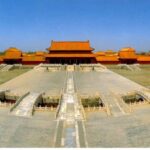
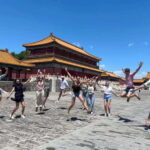
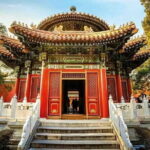
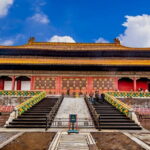
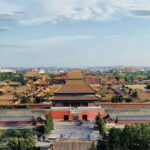
- The Setting: Pudusi Inheritance Beside the Forbidden City East Gate
- What the 1-Hour Kungfu Session Actually Covers
- The Instructor and the English Help (Including Limeng)
- Shaolin Principles and Practical Self-Defense Moves
- Tea Ceremony Add-On: A Calm Start Before the Training
- Uniforms, Comfort, and What to Wear
- Price and Value: $45 for a Real Lesson, Not a Performance
- How to Plan Your Day Around This Class
- Who Should Book This (and Who Might Skip It)
- Should You Book This Kungfu Class by the Forbidden City?
- FAQ
- Where does the kungfu class take place?
- How long is the kungfu instruction?
- What language support is available?
- What is the price and what is included?
- Is there an option that includes tea ceremony?
- Do I get a uniform to practice in?
- Can I cancel for a refund?
- What flexibility do I have with dates?
Key Takeaways Before You Go
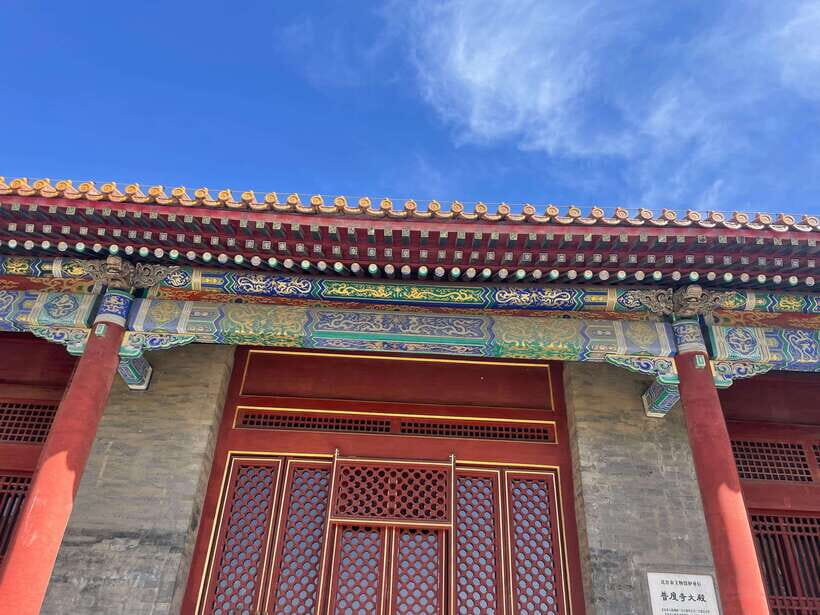
- Pudusi inheritance setting near the Forbidden City East Gate makes the lesson feel grounded in place.
- One-hour practice is built for beginners and for people who want practical self-defense concepts.
- Shaolin experience from early training age matters here; the instructor can teach the why, not only the show.
- English support helps you understand fundamentals and correction.
- Traditional uniform set (outer/inner pieces plus pants) is provided for practicing.
- Optional tea ceremony pairing can turn the morning into more than just movement.
Why This Kungfu Class Works Right in the Hutongs
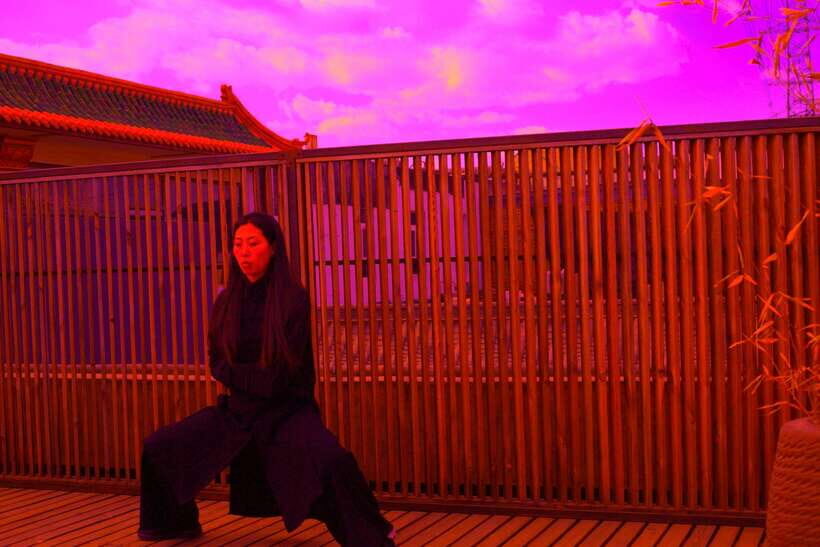
Kung fu lessons are common in big cities. Good ones are not. What makes this one different is the setting: a local hutong area tied to a royal-temple inheritance concept, described as almost 700 years old, and placed right by the Forbidden City’s East Gate. That means you aren’t learning martial arts in a random studio room. You’re learning them in a living-feeling neighborhood space where tradition is part of daily memory.
I like that the class doesn’t sell you mysticism. You practice the basics, then you’re shown practical use—how techniques connect to real-life situations. And you’re not stuck guessing what the words mean, since the session runs with English translation by the host (often with the guide helping interpret the master’s explanations).
Here’s the tradeoff: since the core kungfu portion is about one hour, it’s not a full-day intensive. You’ll go home with a starter toolkit, not a lifelong black-belt plan. If you want long training blocks, you’ll need a longer course after this.
You can also read our reviews of more tours and experiences in Beijing

The Setting: Pudusi Inheritance Beside the Forbidden City East Gate
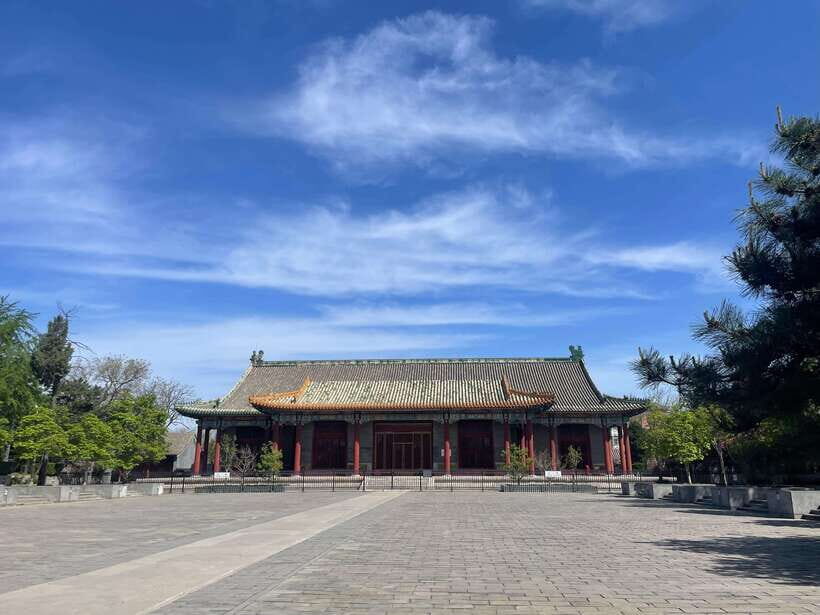
This class takes place in a hutong location, inside the Pudusi inheritance space. The description frames it as a traditional “inheritance” tied to a royal temple lineage, located right by the Forbidden City’s East Gate. Even if you only know Beijing’s landmarks from photos, you’ll feel the difference the moment you step into this kind of neighborhood setting: narrower lanes, traditional courtyard-style spaces, and daily life mixed with cultural heritage.
In terms of logistics, the big win is simplicity. You’re already in the Forbidden City zone, so you can plan this lesson as a natural add-on to a landmark day. If you’re doing the Forbidden City early, this is the kind of follow-up that gives your legs and your mind a different kind of workout.
One practical note: because it’s an old hutong setting, don’t expect the “every wall is new and padded” feeling of a modern gym. You’ll be moving in a traditional space, so wear shoes or clothing that lets you move comfortably and safely.
What the 1-Hour Kungfu Session Actually Covers
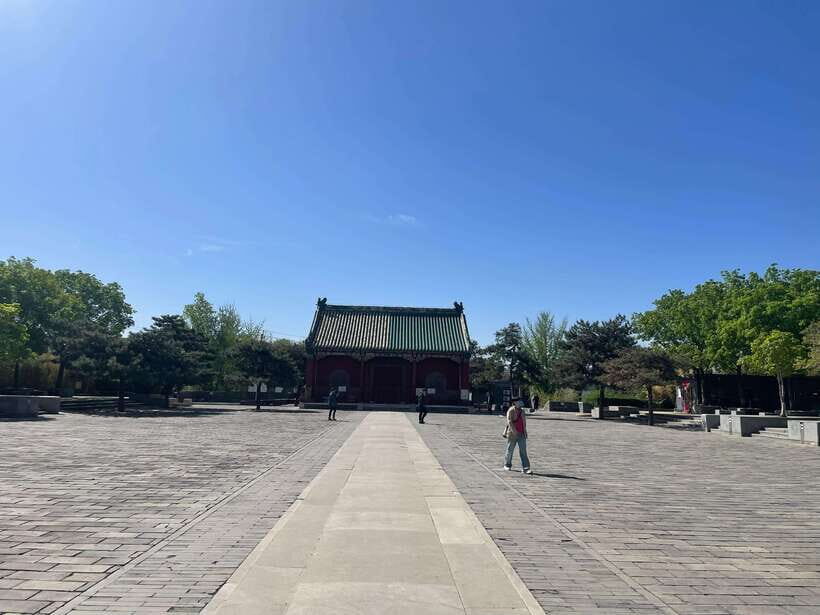
The core lesson is about one hour. During that time, you’ll learn basic training and get a chance to apply techniques. The aim isn’t just how to pose; it’s how to understand movement, balance, and coordination—and then how those ideas translate into practical self-defense.
You’ll get instruction from a master who is trained in kung fu starting from childhood, including Shaolin training. The description says he mastered Shaolin kung fu and multiple traditional styles, and that the teaching isn’t performance-only. The emphasis is on correction and on helping you use the movements in everyday self-defense situations.
If you’re totally new, you’ll likely appreciate that the class is structured for beginners. You’ll be guided through core principles and then shown how the motion connects to meaning. If you already train, you’ll still benefit from the basics—because even experienced people often need correction on stance and angles.
Also, this isn’t the kind of class where you stand at the back and watch for most of the time. The included format is hands-on: demonstrations, then your turn to practice what you’re shown.
The Instructor and the English Help (Including Limeng)
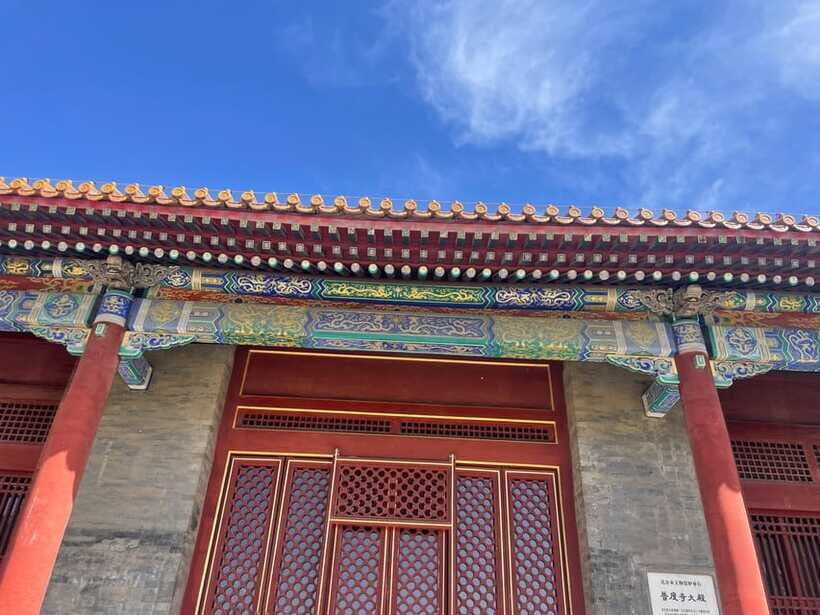
A big reason people rate this so highly is how teaching plus translation work together. Many participants mention the teacher’s patience and the role of the guide/translator. One repeated name in the experience is Limeng, who’s described as kind, helpful, and good at explaining fundamentals while translating what the master says.
That matters more than it sounds. In martial arts, one small misunderstanding—like which part of your body should lead, or where your weight should go—can turn the movement into a clumsy version of itself. Having clear English explanations helps you correct faster and feel safer practicing.
What I like about this setup is that translation isn’t an afterthought. The host supports understanding during principles, demonstrations, and the self-defense portion. If you’re going to spend money on a martial arts lesson while traveling, you want the instruction to land in your brain, not just your ears.
Shaolin Principles and Practical Self-Defense Moves
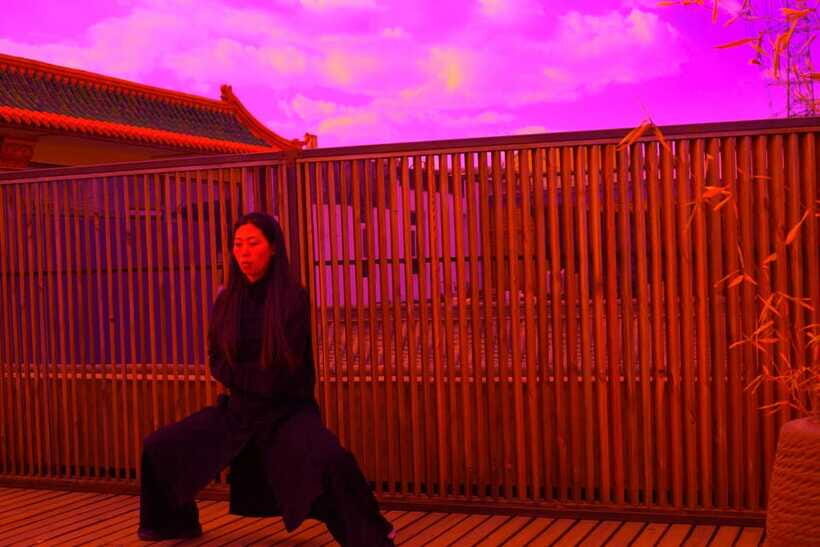
The lesson is described as including practical use of kungfu techniques, not only forms. The teacher introduces and demonstrates the real spirit of traditional kung fu—meaning the focus is on intention, not just aesthetics. You’ll also practice defense and attack movements, with adjustments for who you are and how you move.
If you’re wondering whether this is “real self-defense,” keep your expectations grounded. You’re learning basics in a short session. But it’s still valuable because the class aims to give you workable ideas: how to position your body, how to guard, and how to think through movement rather than freezing when something feels off.
One of the most useful parts of a beginner-friendly self-defense lesson is simple correction. Reviews describe the instructor correcting movements carefully and making sure participants do the basics correctly. That’s what turns a fun souvenir into a skill you can keep using with future practice.
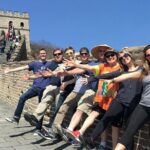

Tea Ceremony Add-On: A Calm Start Before the Training
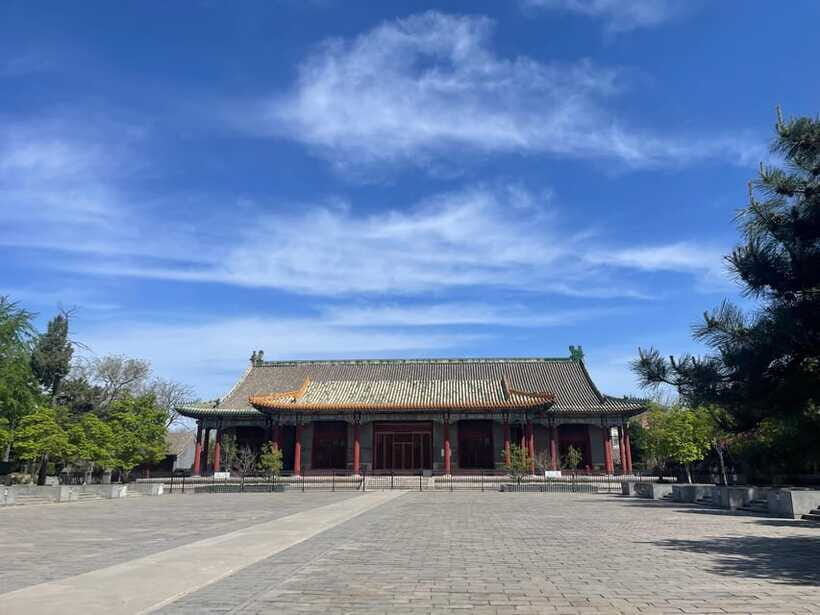
In at least some bookings, the experience starts with a tea ceremony session. If you choose that option, you’ll meet the host in the hutong area and get help understanding the tea experience in English. One described format includes tasting two types of tea plus a small snack, lasting around an hour.
Even if you don’t drink tea, this part is useful. It slows your brain down before you start moving. It also gives context—how people live with tradition in a place that isn’t staged for tourists as hard as some other attractions.
Then, after the tea, you head to the park and temple area where the master begins the kungfu instruction. In other words, the day has a rhythm: calm first, then physical training, then practical application.
Uniforms, Comfort, and What to Wear
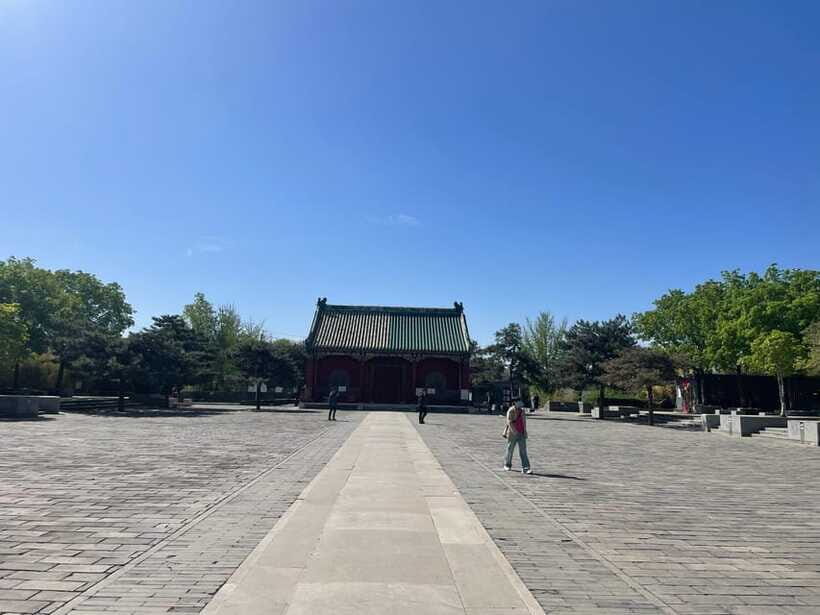
You’ll be provided with traditional kungfu practicing suits, including two suits (outer and inner) and pants. That’s great value for a couple reasons. First, you don’t have to hunt for “kung fu clothes” before your trip. Second, you’ll practice in clothing designed for movement rather than in stiff streetwear.
Still, bring your own extra layer. One review specifically suggested bringing an extra t-shirt to change afterward. Even if you’re not doing intense sparring, you’ll likely sweat a bit while learning and repeating basics.
For footwear, the data doesn’t specify a dress code. Use your judgment: choose something you can move safely in, and consider socks if the environment calls for it. If you’re unsure, ask the host ahead of time.
Price and Value: $45 for a Real Lesson, Not a Performance
At $45 per person for a short, guided, hands-on class, the value depends on what you want from it. If your goal is photos-only sightseeing, this is too “practical.” If your goal is a meaningful cultural activity with actual instruction, it’s fair pricing, especially given the location near the Forbidden City and the inclusion of a professional master plus translation.
What you’re paying for:
- Professional teaching from a master with Shaolin training background
- Hands-on practice (not just watching)
- English support through the host/greeter
- Provided training outfit
This is also a better deal than some “martial arts show” alternatives, because you’re not just consuming. You’re learning basics and getting correction. A good rule: if you can’t imagine yourself repeating what you learn tomorrow in your hotel room, you didn’t get enough instruction. This class is built to give you enough structure for that.
How to Plan Your Day Around This Class
The experience is listed as valid for 3 days, with available starting times. That usually means you choose a time window based on what works with your schedule, and you have flexibility within the booking period.
Because the kungfu portion is about one hour, treat it like a focused add-on rather than a replacement for a long sightseeing day. I’d plan it:
- Before or after a Forbidden City visit (easy location)
- In the morning if you like a calm start (tea ceremony option can fit nicely)
- On a day when you want one “hands-on culture” activity instead of another museum
Also, the experience includes a host/greeter in English, which makes it easier to move through the sequence without getting lost in translation.
If you’re traveling with kids, reviews mention accommodation for children. Still, use common sense with age and physical comfort. Ask the host what’s suitable if you have young participants.
Who Should Book This (and Who Might Skip It)
Book this if you want:
- Real training with a master, not a performance
- A cultural experience in a living hutong area
- English support so instruction makes sense
- Practical self-defense concepts in a beginner-friendly format
Skip it if you want:
- A full multi-hour training program
- A gym-like facility with modern equipment
- A large group tour with lots of stops and stories
This is also a strong pick for first-timers. If you’ve never tried martial arts, you’ll still benefit from the basics and from being corrected. And if you already train, you may enjoy the chance to compare your own fundamentals with the teacher’s method.
Should You Book This Kungfu Class by the Forbidden City?
Yes, if you want a short activity that feels authentic and taught, not staged. The combination of Pudusi hutong heritage near the Forbidden City East Gate, a Shaolin-trained master, and English translation makes it a high-value experience for a visitor who wants more than sightseeing.
Book it especially if you like learning by doing. You’ll practice, get feedback, and take home a real sense of movement principles. If your schedule is tight or you’re only in Beijing briefly, that one-hour format is actually a plus.
One last practical suggestion: plan for the fact that you’ll change clothes for practice and then likely need a quick rinse-off afterward. Bring an extra t-shirt and wear comfortable layers.
FAQ
Where does the kungfu class take place?
The class is held in a local hutong area inside the Pudusi inheritance site, located right beside the east gate of the Forbidden City.
How long is the kungfu instruction?
The kungfu class is described as about 1 hour.
What language support is available?
The host/greeter and instruction are provided in English.
What is the price and what is included?
The price is $45 per person. Included items are a professional kungfu master, Shaolin and different styles of Chinese kungfu, and practical use of kungfu techniques.
Is there an option that includes tea ceremony?
In some bookings, participants start with a tea ceremony in the hutong area before the kungfu instruction.
Do I get a uniform to practice in?
Yes. Traditional kungfu practicing suits are provided, including two suits (outer and inner each) plus pants. If you want to buy the uniform, you can contact the provider for size and color help.
Can I cancel for a refund?
Yes. You can cancel up to 24 hours in advance for a full refund.
What flexibility do I have with dates?
The booking is listed as valid for 3 days, with availability to see starting times.