REVIEW · BEIJING
A Beijing Tour of Essentials Along the Central Axis
Book on GetYourGuide →Operated by Wander with Jacob · Bookable on GetYourGuide
Beijing’s story runs along one main line. This essentials-style tour strings together Tian’anmen Square and the Forbidden City with a practical walking rhythm, so you see where modern China flexes its image and where imperial power played out. One drawback: crowds can get intense, especially around big national days, so you’ll want patience and comfy shoes.
What makes it work is the human side. With an in-person guide named Jacob (Chinese and English available), the day has structure, clear explanations, and a little humor when the route gets busy. A second consideration: the total time can vary a lot (2.5 to 8 hours), so you should keep your schedule loose enough for a longer finish at Jingshan Park if the day runs full.
In This Review
- Key Points Worth Your Time
- Walking the Central Axis Like You Mean It
- Tian’anmen Square: The World’s Big Plaza and the Buildings Around It
- The Walk Through the Underpass Toward Tian’anmen Gate
- Forbidden City (Palace Museum): Seeing Power in Layers
- Qianmen Street and Hutong Time: Old Beijing Without the Full Maze
- Wangfujing Street: Shopping and Future Beijing Energy
- Jingshan Park Finish: A Climb That Pays Off
- Price and Value: What $42 Buys You Here
- Pickup, Transportation, and the Real-World Logistics
- Security and What to Bring (So You Don’t Lose Time)
- Who This Tour Suits Best
- Should You Book This Central-Axis Essentials Tour?
- FAQ
- How long is the Beijing Central Axis essentials tour?
- What’s included in the $42 per person price?
- Do I get pickup from my hotel?
- What languages will the tour guide speak?
- What do I need to bring?
- What is the cancellation policy?
Key Points Worth Your Time
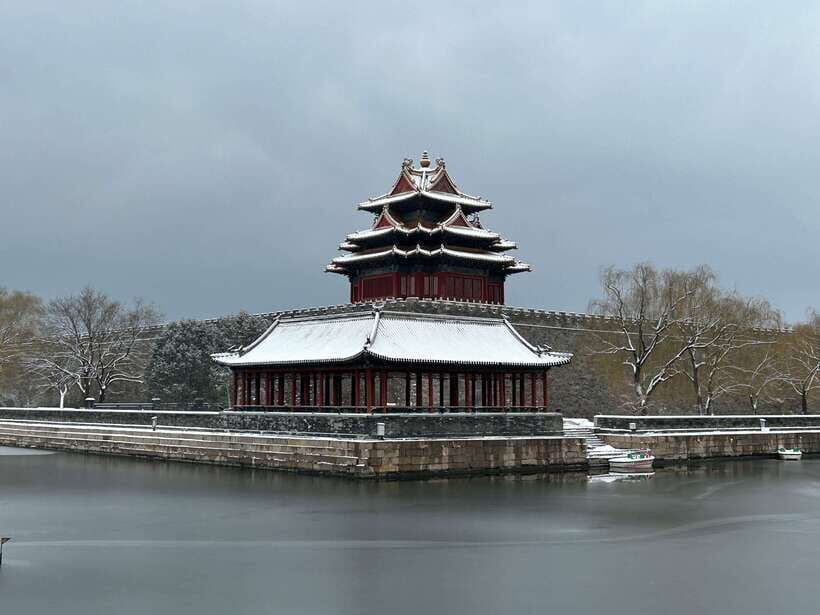
- Central Axis route connecting Tian’anmen Square, Tian’anmen Gate approach, and the Palace Museum area
- Reserved entry and tickets for the main sights, so you spend less time stuck in lines
- Qianmen Street hutongs for a preserved old-Beijing feel without turning the day into only museums
- Wangfujing Street for future Beijing vibes plus shopping time on your own
- Jingshan Park viewpoint to wrap it up with a city-overview moment
Walking the Central Axis Like You Mean It
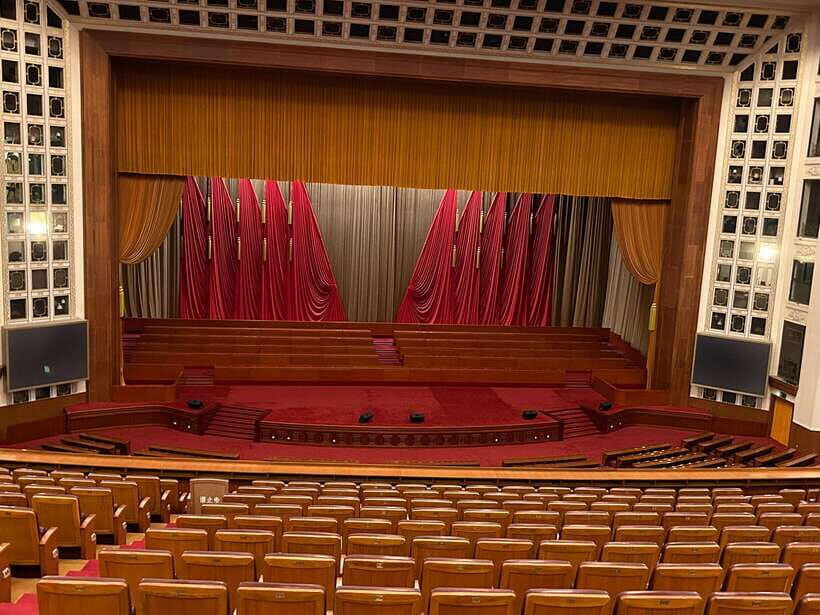
This tour is built for one big idea: Beijing becomes easier when you follow its spine. You start in the political heart (Tian’anmen Square), then shift into royal power (the Forbidden City), and finally end in neighborhoods and streets where daily life and modern momentum take over.
I like that it’s not just a checklist. It’s a loop that helps you connect the dots: the plaza where you understand national symbolism, the palace complex where you feel the scale of imperial design, and the later streets where the city shifts from state theater to street-level Beijing.
The pacing matters. Expect a mix of guided time and breaks, including a short local café stop and some free time that you can spend shopping or just soaking up the street atmosphere.
You can also read our reviews of more tours and experiences in Beijing.
Tian’anmen Square: The World’s Big Plaza and the Buildings Around It
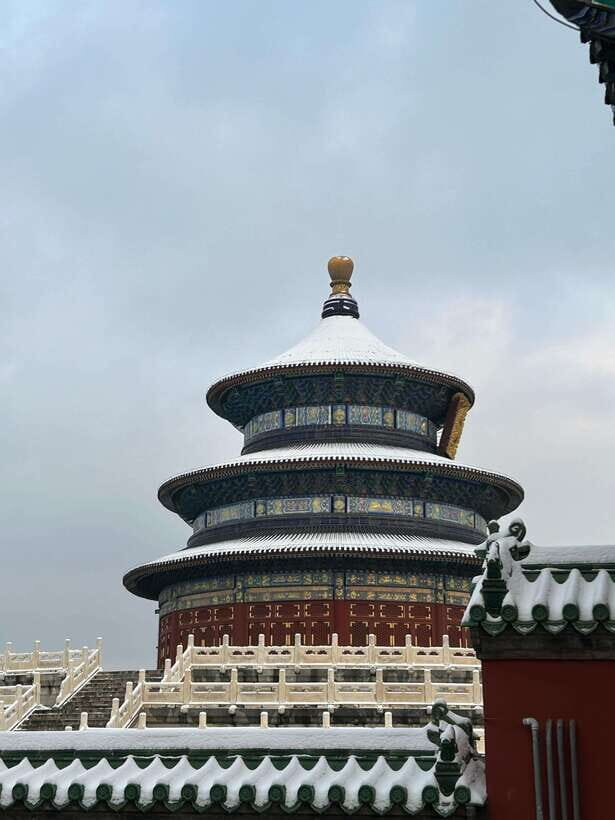
You begin at Tian’anmen Square, which is famous for a reason. It’s the kind of place that makes you notice geometry—wide sightlines, big building silhouettes, and the sense that the space is meant for crowds.
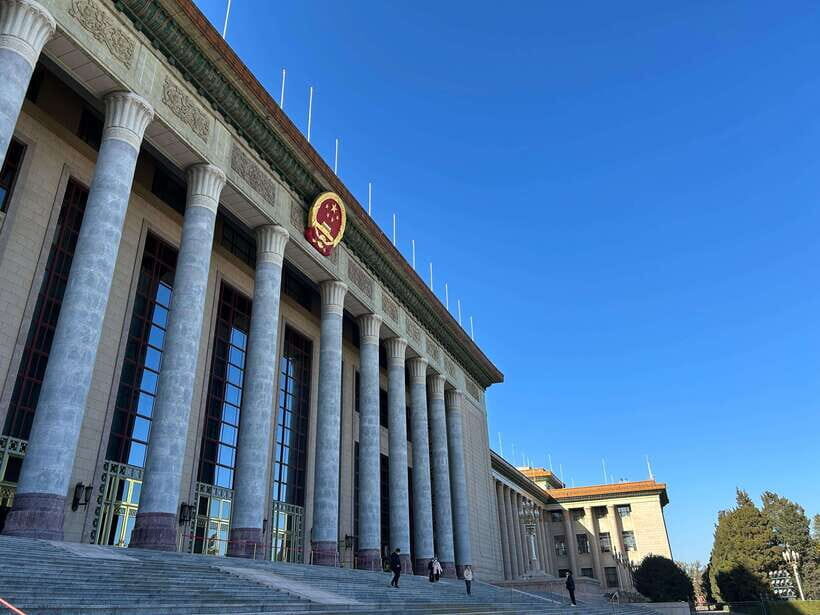
Along the way, you’ll see major landmarks within the square area, including the National Museum of China, the Chairman Mao Memorial Hall, the Great Hall of the People, and Zhengyangmen Gate. Even if you don’t know every term going in, the guide’s job here is to help you place each building in the story of modern China.
What you’ll like most: the square isn’t just a photo stop. It’s a context stop. Once you understand what these buildings represent, the rest of the day clicks into focus.
What to watch: this is also a high-attention zone. If your visit lands on a national public day, you can expect massive crowds. The upside is that this kind of route is typically managed well by the surrounding systems, and a good guide like Jacob helps you keep your footing and your timing.
The Walk Through the Underpass Toward Tian’anmen Gate
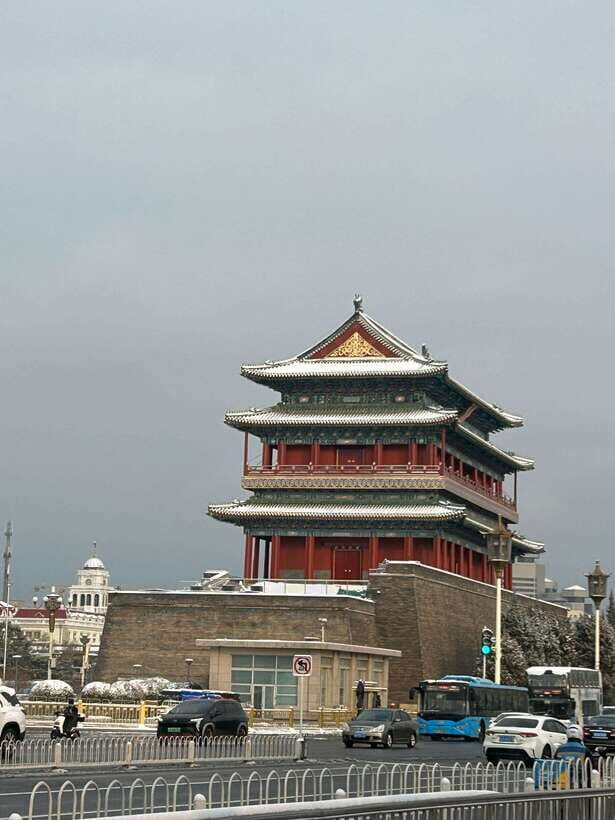
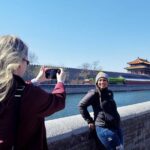
After the square, you head toward the Tian’anmen Gate itself. You’ll go down an underpass and approach the gate area on foot, which changes the feel of the day in a subtle but important way.
That short shift is where you start switching from open civic space to controlled, monumental architecture. You’ll be walking in a direction that matches the storyline: from modern national presence back into the imperial core.
Practical tip: plan to keep your camera ready, but don’t treat every step as a sprint. Your best shots often come when you pause for one clean sightline rather than snapping constantly while moving.
Forbidden City (Palace Museum): Seeing Power in Layers
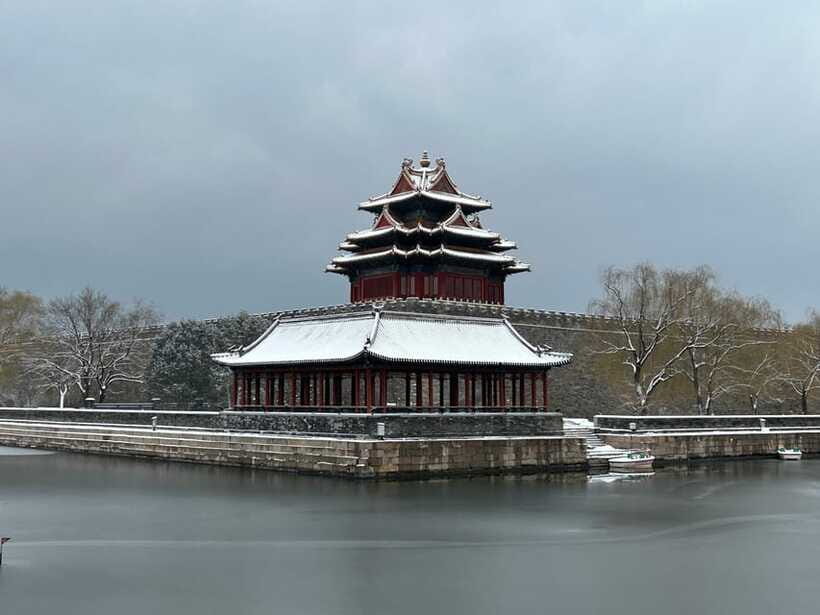
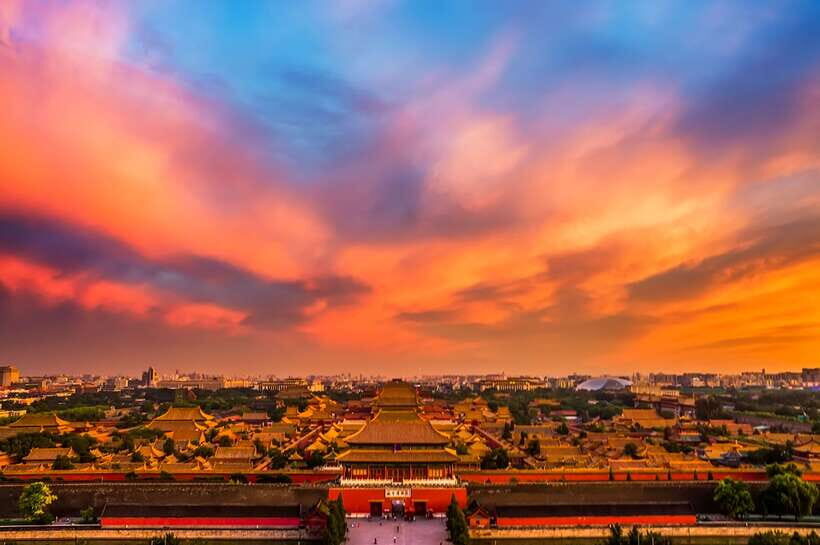
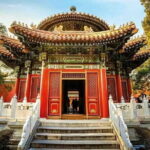
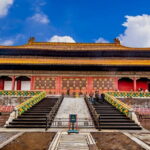
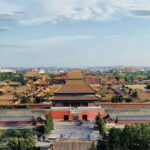
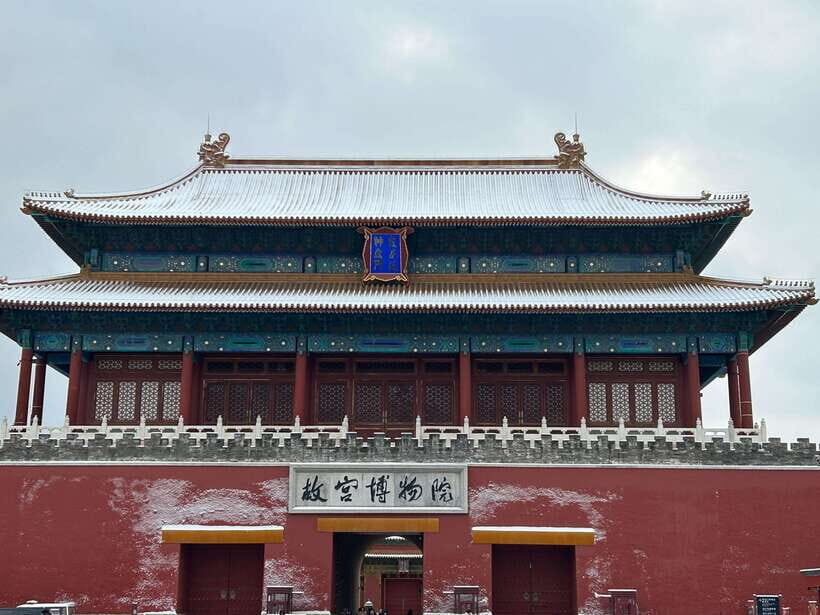
Then comes the Forbidden City—the Palace Museum. This is the part most people imagine before they arrive, and for good reason. It’s massive, it’s detailed, and it can overwhelm you if you try to go at it alone.
Your guided time here is built to help you understand the layout and what the palace complex means in the rise and fall of modern China’s surrounding world. You’re not walking randomly across a crowd of buildings; you’re following a route that keeps the themes moving: where authority sat, how space was organized for ceremony, and how the imperial environment translated into long-term cultural memory.
For many people, the biggest win is how quickly you start recognizing patterns. A guide who can explain what you’re looking at changes the visit from sightseeing to comprehension.
One caution from real-world experience: if anything goes off-script—like a misunderstanding about when group guidance ends or how you transition through the largest sites—you can wind up spending more time alone than you planned. Your best move is simple: ask at the start how the handoffs work inside the palace area, and confirm you’ll stay together for the full guided portion you paid for.
Qianmen Street and Hutong Time: Old Beijing Without the Full Maze
After the palace, the tour heads toward Qianmen Street, which is one of the more approachable ways to feel hutong culture. This is where you get the sense of preserved old Beijing, with streets that still carry that neighborhood texture.
You’ll have visit time plus about an hour of free time and shopping. That mix is smart. The guided part helps you understand what you’re seeing. The free time lets you slow down, check small shops, and pick your own snack rhythm.
Qianmen also sits in a useful middle zone. You’re not deep in a residential labyrinth that can feel stressful with crowds and narrow streets, and you’re not only in souvenir retail. It’s a compromise that still lets you feel the “hutong culture” angle without exhausting yourself.
What to watch: wear shoes you can handle for walking and quick turns. The streets feel lively, and you’ll be moving often even during the free portion.
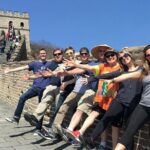
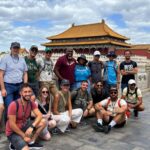
Wangfujing Street: Shopping and Future Beijing Energy
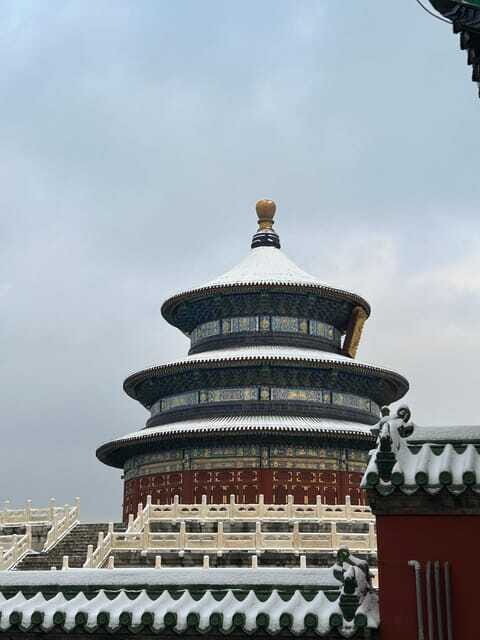
Next up is Wangfujing Street, framed as future Beijing. That description is more than marketing. Wangfujing gives you the contrast you need after the solemn scale of the palace complex.
You’ll have about an hour here—enough for window shopping, checking what locals and visitors are doing, and getting a sense of modern commercial Beijing. It’s also a good mental reset. The architecture shifts. The vibe shifts. You stop thinking in imperial timelines and start reading the city as a live marketplace.
This is also where you can spend your energy on smaller choices: a snack, a quick souvenir, maybe a stop to people-watch. The tour guide can point you toward what’s worth your time, but the hour is intentionally yours.
If you want the day to feel balanced, this is the right place to let it.
Jingshan Park Finish: A Climb That Pays Off
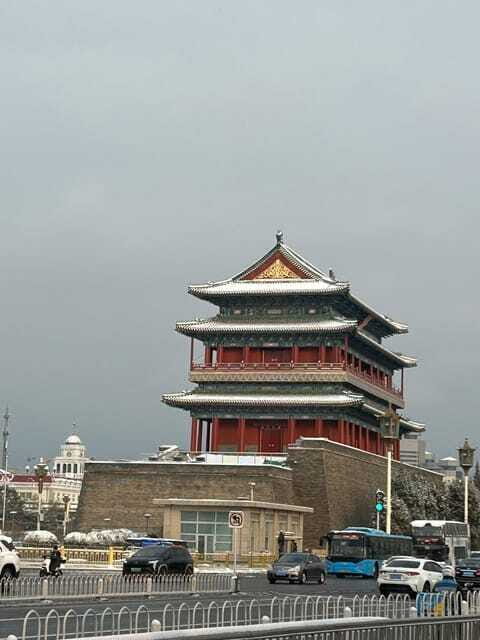
To close the day, you climb Jingshan Park for a full view of Beijing City. It’s a classic ending for a reason: after walking through major complexes and streets, you need an overlook to connect the pieces.
Even if the climb feels short on paper, it helps to think of it as a transition into wrap-up mode. You’re not rushing to another site. You’re stepping back to see the city as a whole—where you were, how the blocks relate, and how the central axis planning influenced what surrounds it.
This part can also be your best chance for a calm moment, because the energy often changes once you’re higher up and the palace-and-street crowds spread out below.
Price and Value: What $42 Buys You Here
The price is listed as $42 per person. In Beijing, that’s less about luxury and more about saving you friction.
You’re paying for:
- Tickets and reserved entering for all the attractions on the core route
- In-person guidance (not just a generic audio plan)
- A guidance briefing before entering China
- Transportation that’s included, with the note that airport express is not included
That combination matters because Beijing’s biggest sights come with tight timing, long lines, and security checks. Reserved entry and a real guide cut down wasted time and confusion.
A fair way to think about value: if you’re the type who wants a first-day foundation—where you can say I get what I’m looking at and why—this kind of guided essentials tour is a good deal. If you already have a very confident plan and you love self-guided wandering, you might choose differently. But for many first-timers, the $42 is mostly paying for coordination and clarity.
Also consider your day length. The duration can be as short as 2.5 hours or stretch to 8 hours depending on starting times and how the day flows. That variability is normal for a walking-and-entry-heavy route.
Pickup, Transportation, and the Real-World Logistics
Pickup is optional, and most parts inside Beijing City (like Dongcheng, Xicheng, Haidian, Chaoyang, Fengtai, Daxing, Shijingshan, Shunyi District) are free. Suburban areas cost you extra.
You should also know that transportation fees from your meeting point to the attractions aren’t included. In plain terms: the day is organized around the route, but you’ll still need to get to the starting point in a way that works for your budget.
One more note: airport express is not included. So if you’re flying or coming in via airport transit, plan on handling that separately.
The payoff is that once you’re moving, the tour keeps the momentum going along the central axis rather than bouncing randomly across the city.
Security and What to Bring (So You Don’t Lose Time)
Beijing’s big sites include serious security rules, and this tour is explicit about that. You’ll want to bring a passport or ID card for children.
There’s also a strong recommendation to book about 7 days before arrival, and to email key details (passport numbers for you and your group, phone numbers if available, and your arrival airport/train station or the hotel where you want pickup). That pre-work helps the day run without annoying hiccups.
Also: don’t bring dangerous items. If diplomatic issues arise, the tour can be canceled or parts may not be visited. That’s one of those realities of visiting major government-linked areas.
If you want the day to go smoothly, treat the paperwork and packing like it’s part of sightseeing. It is.
Who This Tour Suits Best
This is a strong fit if you:
- Want a first-day foundation across Tian’anmen Square, the Forbidden City, and the nearby street areas
- Prefer a real guide to explain what you’re seeing (especially in complex sites)
- Like your sightseeing with some free time for walking and shopping
It may not be ideal if you:
- Hate crowds with a passion (this route often lands you in high-traffic zones)
- Want a full free-and-flex day with no structure
- Need a super predictable duration and you can’t adjust if the day runs long
Private or small groups are available, which can help if you want more pacing control or you’re traveling with people who need breaks.
Should You Book This Central-Axis Essentials Tour?
I’d book it if your goal is to understand Beijing’s storyline quickly: national symbol first, imperial core next, then old streets and modern shopping, finished by a viewpoint that ties it all together. The combination of reserved entry, in-person guidance, and a route that keeps moving along the central axis is the core reason this is good value.
Skip it or choose a different style if you know you’ll struggle with crowds or if you want lots of time to roam alone. In that case, you might prefer a slower, self-guided plan.
If you do book, do one thing that pays off immediately: ask how the guide transitions you through the biggest sites so you stay together for the guided portions you expect.
FAQ
How long is the Beijing Central Axis essentials tour?
The duration is listed as 2.5 to 8 hours, depending on the selected option and check availability for starting times.
What’s included in the $42 per person price?
Tickets and reserved entering for the attractions on the route are included, along with in-person guidance and a guidance briefing before entering China. Transportation is included, but airport express is not included.
Do I get pickup from my hotel?
Pickup is optional. Most areas within Beijing City are free, while suburban areas cost extra. The meeting point can vary by option.
What languages will the tour guide speak?
The tour includes live guidance in Chinese and English.
What do I need to bring?
Bring a passport, or an ID card for children.
What is the cancellation policy?
You can cancel up to 24 hours in advance for a full refund.