REVIEW · BEIJING
Beijing: Vegan Home Cooking & Local Market Tour with Sanxia
Book on GetYourGuide →Operated by Sanxia/Rabbit · Bookable on GetYourGuide
Beijing can be food-forward without being touristy. This is a vegan home-cooking experience that pairs a market walk with real everyday kitchen time. You’ll learn how seasonal plant-based Chinese dishes come together, from choosing ingredients to sitting down to eat and talk.
I like the hands-on focus: you make dumplings and noodles, not just watch. And I really value the cultural pacing—tea, stories, and dinner feel like a normal evening in Tongzhou, not a rushed class.
One possible drawback: transport isn’t included, so you’ll want to plan how you’ll get yourself to Tu Qiao and back to the Linhe Li area.
In This Review
- Key Things I’d Bet on (Before You Book)
- Beijing Vegan Cooking With Sanxia: A Day That Feels Local, Not Staged
- Meeting Near Tu Qiao, Ending Near Linhe Li: The Practical Flow
- The Organic Market Walk: Choosing Ingredients Like a Local Cook
- Cooking in Sanxia’s Cozy Beijing Home: Where the Real Learning Happens
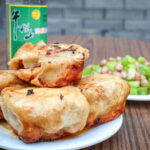
- Handmade Dumplings, Steamed Buns, Noodles, and Seasonal Dishes
- Tea Ceremony and Vegan Dim Sum: The Table Culture Part
- What You Eat Together: A Full Plate, Not a Snack
- The Fragrant Hills Bookmark and Free Photos: Your Take-Home Souvenir
- Who This Tour Suits Best (And Who Should Skip It)
- Price and Value: Is $47 Worth It?
- Quick Things to Know Before You Go
- Should You Book Sanxia’s Vegan Home Cooking Tour?
- FAQ
- Where do I meet for the tour?
- How long does the experience last?
- Is transportation included?
- Is this a group tour or private?
- What language is the class taught in?
- What food do we cook?
- Do we taste tea during the tour?
- What souvenirs and photo services are included?
- What should I bring and what’s not allowed?
Key Things I’d Bet on (Before You Book)
- A private 1–8 person setup means you get more cooking time and less waiting around.
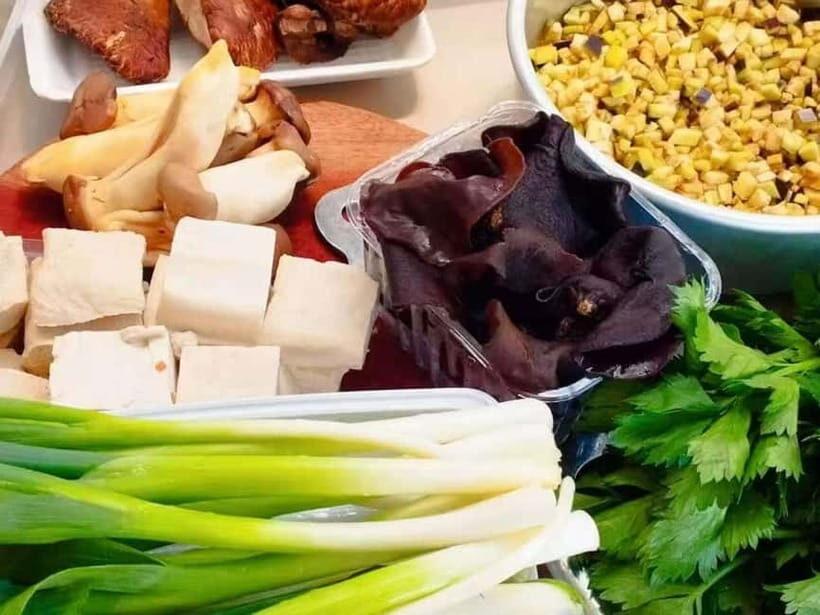
- Market picking first: you handpick vegetables, tofu, grains, mushrooms, and herbs before the stove.
- Sanxia’s home kitchen vibe makes it feel like daily life, not a demo.
- Seasonal menu flexibility based on what you want to eat and what’s good that day.
- Tea ceremony + vegan dim sum keeps the meal anchored in Chinese food culture.
- A Fragrant Hills handmade bookmark plus free professional photos and videos gives you something real to take home.
Beijing Vegan Cooking With Sanxia: A Day That Feels Local, Not Staged
You’re coming to Beijing for big sights, sure. But if you also want a slice of daily life, this tour is a smart detour. You start by meeting your host near Tu Qiao subway station in Tongzhou District, then you go straight to a local market to pick ingredients you’ll actually cook with later.
What makes it genuinely different is the order of things. Instead of getting a list of “authentic foods” after the fact, you see how plant-based Chinese cooking begins: choosing seasonal produce, tofu types, grains, mushrooms, and herbs that match what’s available. That single choice makes the cooking class feel grounded.
Then you move to Sanxia’s cozy Beijing home and shift gears to hands-on work. You’re not just learning recipes; you’re learning how a household builds flavor with simple tools, good timing, and technique. And you’ll end up eating what you made—plus tea—while trading stories about Chinese life and vegan living.
You can also read our reviews of more tours and experiences in Beijing
Meeting Near Tu Qiao, Ending Near Linhe Li: The Practical Flow
Logistics matter on half-day tours, especially in a city like Beijing where metro stations are your best friend. You meet your host near Tu Qiao subway station in Tongzhou District. The day runs about 4 hours, though it can stretch to 4–6 hours depending on group size and how much you chat and cook.
The experience concludes back at the starting area near Linhe Li subway station. That matters because you’re not left figuring out a random endpoint. You can plan your next metro connection without hunting for a cab after you’ve already been busy in the kitchen.
If you’re a solo traveler, you may find the pacing feels even more relaxed. With smaller groups, it’s easier to ask questions, get help during shaping dough, and linger at the market. Just know that the schedule is designed around group flow, so don’t assume every day runs at the exact same minute-by-minute pace.
The Organic Market Walk: Choosing Ingredients Like a Local Cook
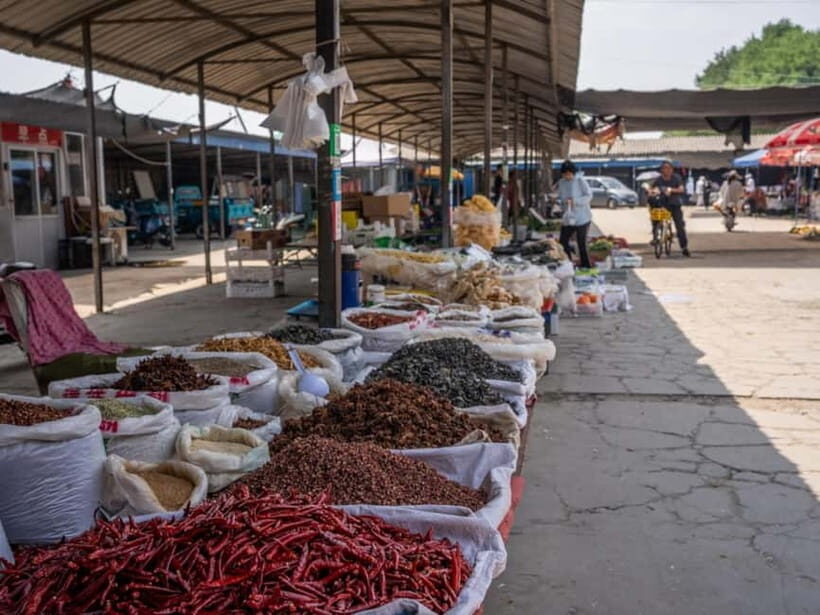
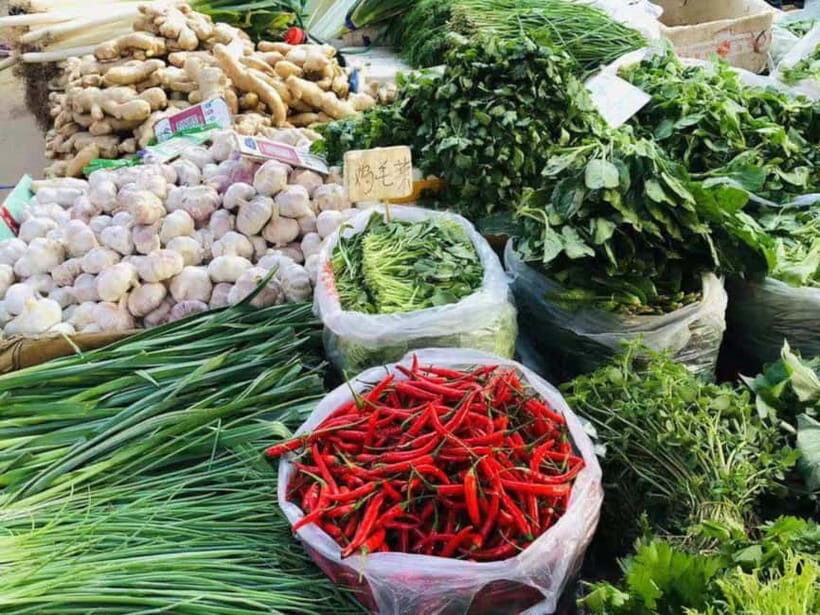
This is where the day turns from “class” into “food literacy.” At the market, you and Sanxia walk through stalls and handpick fresh items—things like seasonal vegetables, tofu, grains, mushrooms, and herbs. You can ask questions while you shop, and you’ll talk with local farmers and learn how these plant-based ingredients fit into Chinese tradition.
Even if your Chinese is basic, you’ll get a lot out of this part. Ingredient names, how to pick what’s freshest, and why certain produce works better in certain styles of cooking—those lessons stick because you’re holding the ingredients in your hands.
Two practical tips for you:
- Wear shoes you don’t mind getting a little market-worn. You’ll be walking and moving around stalls.
- Go in hungry—but not so hungry that you can’t focus. You’ll be thinking about flavors while you pick ingredients.
And a quick reality check: the market selection can vary by season. That’s a feature, not a bug. Your cooking will reflect what’s actually good right now.
Cooking in Sanxia’s Cozy Beijing Home: Where the Real Learning Happens
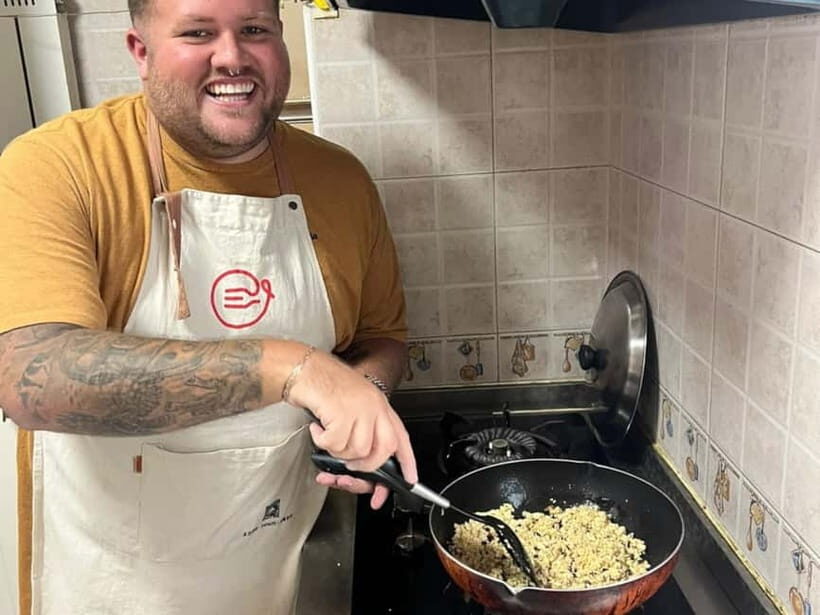
Once the shopping bag is full, you head to Sanxia’s apartment in Tongzhou. This part is a big deal if you’re tired of “see it, then leave” travel. You’re stepping into daily life in a real home kitchen.
The vibe is relaxed and informal, which helps if you’re nervous about cooking. You’ll get guidance as you work—especially when tasks get hands-on, like shaping dumplings or portioning dough for noodles.
You’ll also learn how the menu adapts. Dishes vary by season and also by guest preference, so it’s not a one-size-fits-all script. If you’re a fan of dumplings, expect more dumpling time. If you want noodles and porridges, those may show up prominently.
And because it’s a small private group (up to 8), you can move at a comfortable pace. You’re not rushed through steps while someone counts down the clock.
Handmade Dumplings, Steamed Buns, Noodles, and Seasonal Dishes
This is the core of the experience: a true hands-on vegan Chinese cooking session. The exact menu can shift, but you can expect a mix of classic techniques and comfort foods, including:
- Handmade dumplings (and likely the filling and shaping work that comes with them)
- Steamed buns (so you get exposure to steam-based cooking, not only pan-frying)
- Stir-fried vegetables
- Sesame noodles
- Millet porridge
- And other colorful seasonal dishes based on what you picked at the market
What I appreciate is that you don’t just learn one style. Chinese home cooking is about variety: texture, heat control, and balancing savory with fragrant aromatics. Making dumplings teaches folding and portioning. Noodles bring in timing and sauce balance. Porridge gives you a totally different kind of comfort—soft, filling, and practical.
Also, dumplings and noodles teach you something you can use later, even after you leave Beijing: small differences in dough consistency and cooking time can change the whole outcome. That’s why a hands-on class is worth paying for. You’re building real “I can do this again” skills.
If you’re someone who likes to cook but wants a cultural framework for it, you’ll get that here.
You can also read our reviews of more shopping tours in Beijing




Tea Ceremony and Vegan Dim Sum: The Table Culture Part
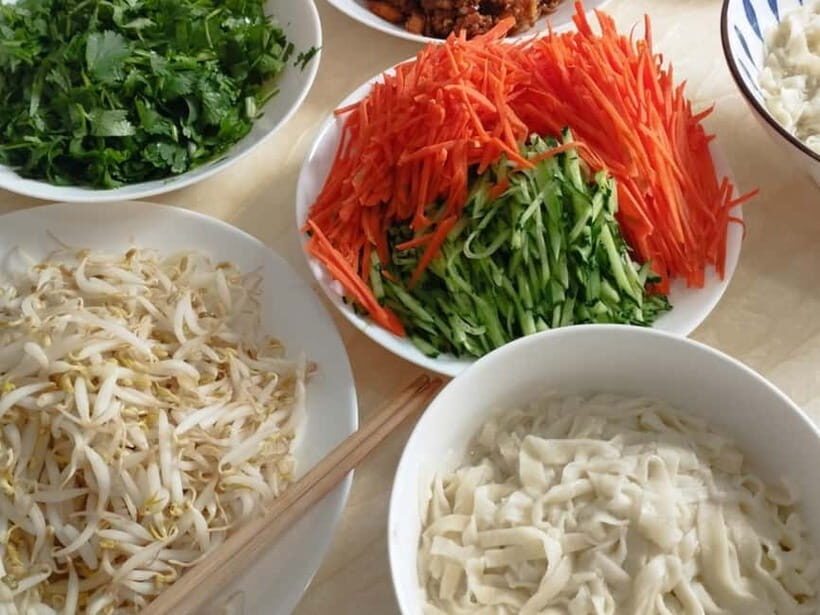
After the cooking work, you get the part that makes the experience feel like a real meal, not just a series of cooking tasks. Sanxia shares a traditional Chinese tea ceremony experience and serves teas like red, green, and white.
Tea isn’t treated like an afterthought. You’re tasting while the food comes together, and you’ll likely have homemade vegan dim sum as part of the tea-time bites. That timing matters. It breaks the day into segments and keeps things relaxed while you wait for the last dishes.
This tea segment also helps you understand the logic of Chinese dining. Tea often pairs with different textures and flavors—helpful with dumplings, noodles, and savory dishes. It’s also a social moment: you’re seated, talking, and letting the meal “land.”
And yes, there’s conversation. Sanxia shares travel stories from journeying across 30+ countries, so you’ll get more than cooking tips. It’s easy to trade perspectives about daily life, vegan living, and how people actually eat at home in China.
What You Eat Together: A Full Plate, Not a Snack
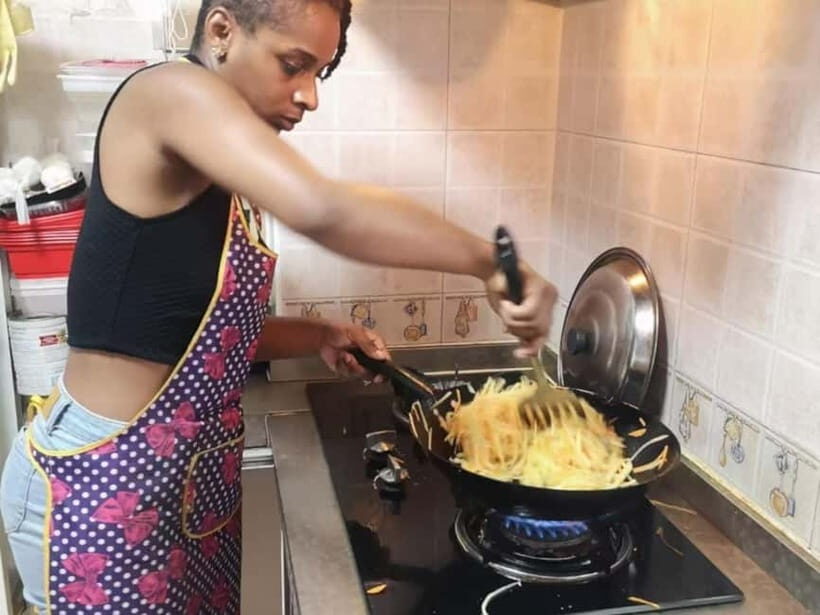
When it’s time to dine, you sit down together and eat what you prepared. This is important because many cooking classes give you a small taste and send you on your way. Here, the meal is the reward.
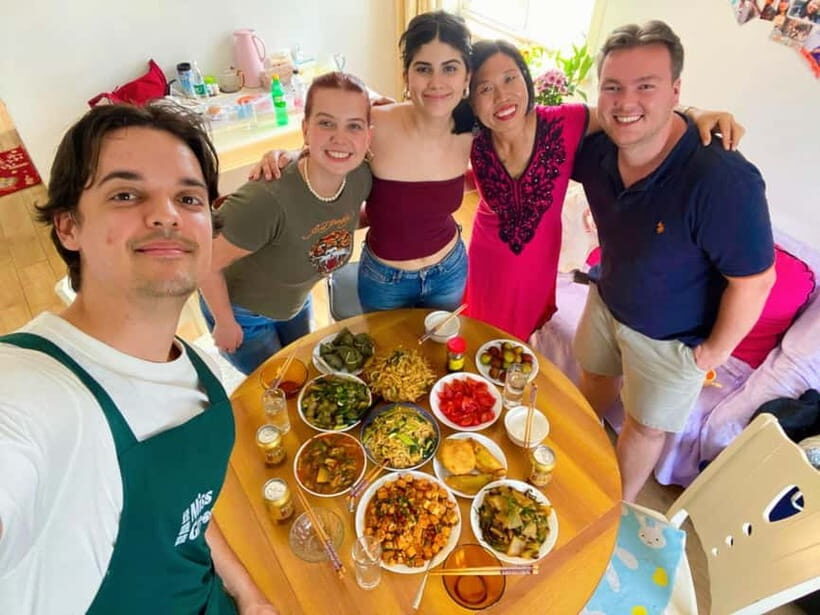
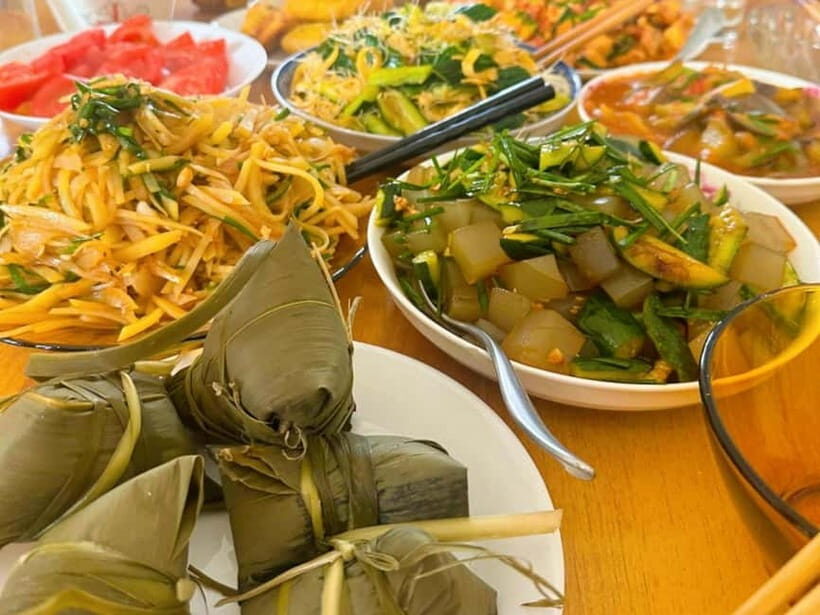
Since the menu can vary by season and preference, don’t expect the exact same dish lineup every day. But you can count on a satisfying spread: dumplings, steamed items, noodles or porridge, stir-fried vegetables, and other seasonal plates. It’s designed so you taste multiple textures—chewy, steamed, saucy, and soft.
I also like that the meal is part of the cultural exchange. You’re not only eating; you’re learning how your host thinks about food in everyday terms: what ingredients matter, what flavors are “normal” in Chinese plant-based cooking, and how people balance comfort and nutrition at home.
The Fragrant Hills Bookmark and Free Photos: Your Take-Home Souvenir
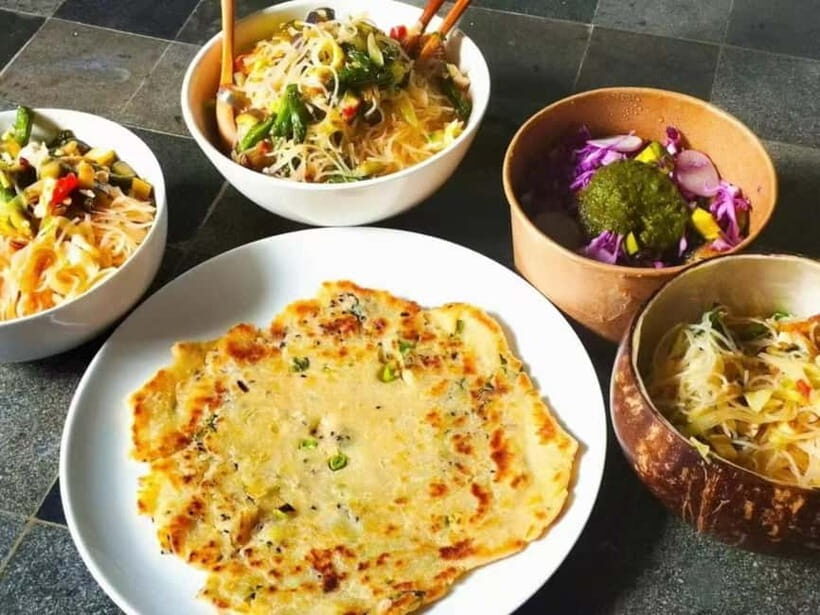
At the end, you get a small but thoughtful souvenir: a handmade bookmark from Fragrant Hills (Xiangshan). It’s a nice touch because it connects the day to a real place in Beijing rather than a generic “tour gift.”
You also get free professional photos and videos of your experience. That’s useful if you want visual proof of the market-to-table day (and it saves you from worrying about your phone battery while you’re cooking).
One subtle benefit: the bookmark and photos help you remember the details later—who taught what, how the dumplings looked, which dish you liked most. For a short day, that kind of memory anchor is surprisingly valuable.
Who This Tour Suits Best (And Who Should Skip It)
This tour is for you if you:
- Want hands-on cooking skills, especially Chinese vegan classics like dumplings and noodles
- Prefer a home setting over a restaurant meal
- Like markets and ingredient selection, not just cooking
- Enjoy conversation and tea culture along with food
It might not be your best match if:
- You hate public transit and don’t want to manage metro timing, since transport isn’t included
- You expect a major sightseeing program. This is about food and home life, not temples or skyline views
- You’re looking for a fast, no-chat class. The social part is part of the design
Also consider your tolerance for cooking steps. Even with guidance, shaping, steaming, and cooking takes a bit of active attention. The good news: the pace is small-group and relaxed.
Price and Value: Is $47 Worth It?
For $47 per person in a roughly 4-hour window, this can feel like a bargain—mainly because of what’s included, not because the price is low.
You’re getting:
- A guided visit to a local market
- A hands-on vegan cooking class
- A full homemade meal
- Tea tasting
- A handmade souvenir bookmark
- Professional photos and videos
- Cultural explanations about ingredients and daily lifestyle
That mix is the value. Many experiences split these into separate paid pieces: market tour elsewhere, cooking class elsewhere, dinner elsewhere. Here, it’s one flow. Plus, the skills you learn (especially dumpling and noodle work) can be reused at home.
The only cost pressure point is transportation on your own. If you’re already comfortable with Beijing metro, that’s manageable. If you’re planning to rely on taxis every time, your overall day cost will rise.
Quick Things to Know Before You Go
- Bring comfortable clothes. You’ll be standing, walking in the market, and working in a kitchen.
- Smoking isn’t allowed during the experience.
- Sessions run daily and can be for lunch or dinner, so you can match it to your sightseeing rhythm.
- Languages are English or Chinese, and instruction is provided in either language depending on the session.
- It’s listed as wheelchair accessible, which is good to know if you need that detail for planning.
Bottom line: plan your day around food, not around another major activity right before or right after the class.
Should You Book Sanxia’s Vegan Home Cooking Tour?
I’d book it if you want a Beijing experience that actually teaches you something. You’ll shop for ingredients, cook classic vegan Chinese dishes at home, and end with tea and a full meal in a small private group. The hands-on dumpling and noodle time is the big draw, and the tea ceremony + conversation makes it feel human, not mechanical.
Skip it if your travel style is strictly “big sights only,” or if you don’t want to handle transit to Tongzhou. Also, if you’re expecting a standardized restaurant menu every time, know that the dishes can change with the season and your preferences.
If you’re open to a cozy home day and you like real food culture, this is an easy yes.
FAQ
Where do I meet for the tour?
You meet your host near Tu Qiao subway station in Tongzhou District. The experience ends back near the starting area in the Linhe Li area.
How long does the experience last?
It’s about 4 hours, with a possible range of 4–6 hours depending on group size and pacing.
Is transportation included?
No. Transportation to the location is not included.
Is this a group tour or private?
It’s a private group experience with 1–8 participants.
What language is the class taught in?
The tour is available in English or Chinese.
What food do we cook?
You can expect a hands-on vegan menu that may include handmade dumplings, steamed buns, stir-fried vegetables, sesame noodles, and millet porridge, plus seasonal dishes. Menus vary by season and guest preference.
Do we taste tea during the tour?
Yes. You’ll have a traditional Chinese tea ceremony and tea tasting, including red, green, and white teas.
What souvenirs and photo services are included?
You receive a handmade bookmark from Fragrant Hills (Xiangshan). You also get free professional photos and videos.
What should I bring and what’s not allowed?
Wear comfortable clothes. Smoking is not allowed.