REVIEW · BEIJING
Beijing: Bell and Drum Towers Entry Ticket—Historic Landmark
Book on GetYourGuide →Operated by PANDA HAPPY JOURNEY IN CHINA · Bookable on GetYourGuide
That’s Beijing’s original clock system. The Bell and Drum Towers are how the city kept time for centuries, and the ticket makes it easy to explore both towers at your own pace.
I really like the way the towers translate history into something you can walk through: the Drum Tower’s 25 drums and the famous Yongle-era bell (the King of Ancient Bells, reportedly 63 tons) make the past feel physical. I also like having an English PDF guidebook, so you’re not stuck guessing what you’re seeing as you move between the two sites.
One consideration: the best moment for many people is a short drumming performance from the Drum Tower top, but it’s not guaranteed since onsite timing can vary.
In This Review
- Key highlights you’ll feel right away
- Bell and Drum Towers: Beijing’s old timekeeping system in plain sight
- What your ticket covers in a 4-hour self-guided plan
- Entering the Drum Tower: 25 drums, the climb, and a drumming chance
- The Bell Tower: the King of Ancient Bells and what scale teaches you
- Why the north-south layout matters more than you think
- Using the English PDF guidebook without turning it into homework
- Photos and timing: getting the most out of your 4 hours
- Is $13 good value for the Bell and Drum Towers?
- Who this ticket fits best (and who might not love it)
- Booking and on-the-ground support that makes entry easier
- My call: should you book this Bell and Drum Towers ticket?
- FAQ
- How long does the Bell and Drum Towers visit take?
- Does this ticket include entry to both the Bell Tower and Drum Tower?
- Is there a live tour guide included?
- Is the drumming performance guaranteed if I climb to the top?
- What language is the guidebook?
- What ID do I need to bring?
Key highlights you’ll feel right away

- U-shaped timekeeping story: dusk drum and morning bell, explained as you tour both towers
- 25 drums + a massive bell: you get scale, weight, and craftsmanship in real form
- North-south layout on the central axis: a layout choice you can actually notice in person
- Drum Tower top chance to see drumming: sometimes a quick performance happens during your visit
- English PDF guidebook: helpful context while you explore without a live guide
Bell and Drum Towers: Beijing’s old timekeeping system in plain sight
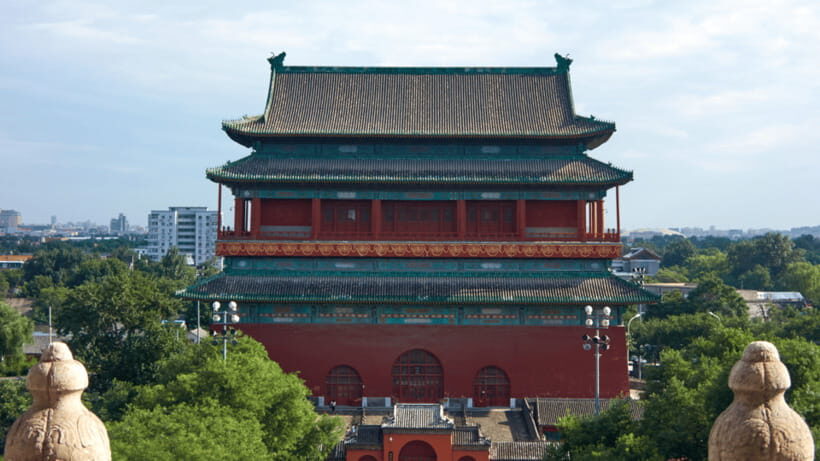
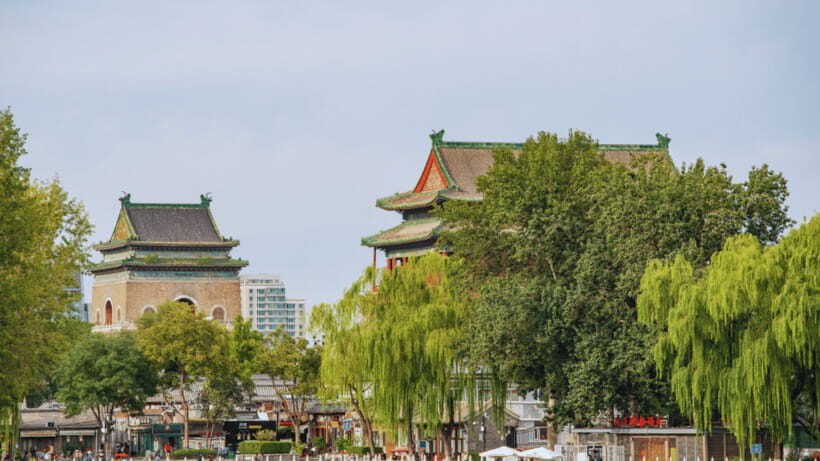
Beijing’s Bell and Drum Towers are famous because they were built for a job: telling the city when to wake up and when to slow down. Long before phones and TV schedules, the rhythm of daily life was marked by signals—a dusk drum and a morning bell. When you stand near these towers, it’s easier to understand why they mattered. These weren’t decorative monuments. They were city tools.
I like that the story is built into the architecture. The complex sits at the northern end of Beijing’s central axis, and the design reflects how the city thought about time and order. The Drum Tower and Bell Tower weren’t placed randomly; their north-south relationship is part of the message. You’ll feel that more than you’d expect from photos.
If you’re the type who likes seeing how power and culture show up in everyday routines, this is a strong stop. The site was developed in the Yuan Dynasty and later shaped further in the Ming era, including the well-known Yongle-era bell. It’s one of the larger and better-preserved timekeeping complexes you can visit in Beijing.
You can also read our reviews of more tours and experiences in Beijing



What your ticket covers in a 4-hour self-guided plan

This ticket is straightforward: you get entry to both towers plus an English PDF guidebook. There’s no live tour guide included, so you control the pace. That’s a big deal here, because the best experience comes from time spent looking—at inscriptions, tower details, and the sheer size of the bell and drums.
The total time is listed at about 4 hours, which is realistic if you move at a normal sightseeing pace and want breaks for photos. If you’re a slow photographer or you read signage carefully, you might run long. If you’re speed-walking through, you can do it faster, but you’ll miss the way details connect between towers.
Also, you can skip the ticket line. That matters in busy China attractions, because time spent queueing is time you could spend climbing and looking up. Bring a passport or ID card—you’ll need it for entry.
One more practical note: the experience provider for this ticket is Panda Happy Journey in China. In practice, it’s helpful when a company sends clear instructions for using tickets. Many people appreciate quick support via WhatsApp if anything is unclear.
Entering the Drum Tower: 25 drums, the climb, and a drumming chance
The Drum Tower is where the experience starts to feel dramatic. This tower historically housed 25 drums, and that number isn’t just trivia. It helps you understand the range of signals the city used—music and rhythm as infrastructure. When you’re inside, look for how the display and layout highlight the drums as instruments rather than museum props.
Then comes the climb. Going up toward the top is the part most people remember, not because it’s extreme, but because it changes what you can see and hear. The ticket includes access to the Drum Tower top area, and you may catch a short drumming performance—reported as about five minutes—during your visit.
Here’s the honest expectation: it’s a chance, not a promise. The onsite schedule can shift, and performance timing may depend on the day. Still, even if you don’t catch it, the Drum Tower remains worthwhile because you’re learning the city’s timing system in the most literal way possible: drums, drum space, and the idea of calling a city to action.
I like that this tower feels less about passive looking and more about experiencing “how sound used to work.” If you enjoy cultural demonstrations, this is the main reason to pick this ticket.
The Bell Tower: the King of Ancient Bells and what scale teaches you

After the Drum Tower, the Bell Tower becomes a reality check in scale. This is where the story turns from rhythm to gravity. The famed Yongle-era bell is often described as the King of Ancient Bells, with a reported weight of 63 tons.
Even if you don’t memorize every number, you’ll get the point fast: this wasn’t a small ceremonial item. It was built to carry sound and authority across a city. When you look at the bell and related tower elements, it’s easier to appreciate why imperial craftsmanship got poured into timekeeping. In a pre-modern city, being off by even a little could matter.
A detail I find useful for your visit: imagine how the bell tower and drum tower worked together. The Drum Tower’s dusk signal and the Bell Tower’s morning announcement were meant to coordinate the city’s daily flow. When you switch from one tower to the other, the meaning clicks: sound wasn’t just for ceremonies; it was for scheduling life.
And because the ticket gives you access to both towers, you don’t end up with a half story. You’re not just seeing one object—you’re seeing the pair.
Why the north-south layout matters more than you think
Lots of historic sights are impressive because of their age. The Bell and Drum Towers are impressive because of their planning. The complex is known for its unique north-south layout and architectural design connected to Beijing’s central axis. That’s not abstract. It affects your sense of orientation while you visit.
If you pay attention to how the towers relate to each other and where you stand, you’ll start to feel the “system” behind them—how a city organizes itself around power, geometry, and routine. It’s part of why this place is so often recommended for people who like history that isn’t stuck inside a single room.
Another helpful fact to keep in mind: the complex covers 12,597 square meters and is described as state-protected architecture. Translation: it’s built to be preserved, not just decorated for tourists. That means you’ll likely spend your visit walking through spaces that still feel like they belong to the original structure rather than a modern stage.
You can also read our reviews of more historical tours in Beijing






Using the English PDF guidebook without turning it into homework

Since this is self-guided, the English PDF guidebook is where the “context value” comes from. You’re handed a way to connect what you see to why it mattered: Yuan Dynasty origins, Ming Dynasty developments, and the meaning behind the timekeeping system.
Here’s how to use it so it doesn’t slow you down:
- Open it once you’re in each tower, not before you arrive.
- Scan for the specific section that matches what’s in front of you (drums in the Drum Tower, bell in the Bell Tower).
- Treat it like a set of signposts. If you find something interesting, read it. If not, move on.
I like self-guided experiences when they’re supported like this. You’re not stuck listening to a script, and you can move at your pace—especially helpful if you want time for photos or you’re sensitive to group pacing.
Also, because this visit includes skip-the-line access, you don’t lose the first hour to delays. That leaves more time for reading and looking where it counts.
Photos and timing: getting the most out of your 4 hours

For most people, the photo highlights happen in two phases: first when you take in the towers and their scale, and second when you’re up on the higher areas (especially near the top areas tied to drumming).
Plan for a visit that feels active. Climbing within the Drum Tower is part of the value. Even if the performance timing doesn’t line up, climbing helps you appreciate the space and gives better views of the tower environment.
In terms of timing, the ticket duration is about 4 hours, and that’s a good planning baseline. Try not to stack another major attraction immediately after, unless it’s close by. You’ll likely want a little buffer for lingering, taking photos, and reading signage with the PDF open.
If drumming is your priority, aim to give yourself extra flexibility once you’re already at the Drum Tower top area. You might need to wait a bit if a show is about to start. If you’re on a strict schedule, that uncertainty is worth factoring in.
Is $13 good value for the Bell and Drum Towers?

Let’s talk price like a smart shopper. At around $13 per person, this ticket is usually good value because you get a package, not just one building. You receive entry to both towers plus the English PDF guidebook. You also get the practical perk of skipping the ticket line, which saves time during a busy day.
The only reason the price might feel questionable is if you’re expecting a full guided narrative with a live interpreter. This ticket doesn’t include a live tour guide or a separate guide. If you love guided storytelling and Q&A, you might want another format. But if you’re comfortable exploring on your own with a guidebook, this is a cost-effective way to cover a major historic site.
In other words: you’re paying for access and a useful self-guided tool, not a theatre-like tour with a person leading you every step.
Who this ticket fits best (and who might not love it)
This experience fits best if you’re:
- a history or architecture fan who likes understanding how cities worked day to day
- a photographer who wants to spend time moving through both towers
- someone who enjoys cultural demonstrations, with a clear-eyed expectation that timing can vary
- a traveler who likes self-guided options supported by an English PDF
It may feel less perfect if:
- you only want one quick photo stop and you’re short on time
- you want a live guide to explain everything in real time
- you strongly dislike climbing or waiting for possible performances
One balanced takeaway from my perspective: it’s a great stop, but it’s not a theme park. The value is in the objects, the scale, and the idea of timekeeping made visible.
Booking and on-the-ground support that makes entry easier
This ticket is built for smooth entry. It includes skip-the-line entry and digital/organized support from the provider (Panda Happy Journey in China). People also report receiving clear communication through WhatsApp, which can reduce that common pre-visit stress of figuring out exactly what to show and where to go.
For you, the main thing is simple: keep your passport or ID ready. Then treat the PDF guidebook as your companion. You don’t need internet magic inside the tower complex if you can access the guidebook beforehand.
If you like flexibility, the ticket format also supports “reserve now, pay later” behavior and free cancellation up to 24 hours in advance. That can help if your Beijing schedule is still shifting.
My call: should you book this Bell and Drum Towers ticket?
Book it if you want a well-priced way to see a key Beijing landmark with the full two-tower story and an English guidebook. The chance to catch drumming from the Drum Tower top is icing on the cake, and even without it, the scale of the drums and the famous bell makes the visit feel worth the time.
Consider booking something else if you need a live guide for explanations or you want an itinerary that guarantees a scheduled performance time. Otherwise, this is one of those Beijing experiences where the history feels practical: sound used to run the city, and now you can stand where it happened.
FAQ
How long does the Bell and Drum Towers visit take?
The duration is listed as about 4 hours, which works well for entering both towers, reading the included guide, and allowing time for photos and climbing.
Does this ticket include entry to both the Bell Tower and Drum Tower?
Yes. Your ticket includes entry tickets for both the Bell Towers and the Drum Towers.
Is there a live tour guide included?
No. This experience includes tickets and an English PDF guidebook, but it does not include a live tour guide or an audio guide.
Is the drumming performance guaranteed if I climb to the top?
No. If you climb to the top of the Drum Tower, you may be able to see a short drumming performance, but the exact time can vary based on the onsite schedule.
What language is the guidebook?
The guidebook included with this ticket is an English PDF guidebook.
What ID do I need to bring?
You should bring a passport or an ID card for entry.