REVIEW · BEIJING
Beijing: Top Michelin Vegetarian Restaurant Reservation
Book on GetYourGuide →Operated by PANDA HAPPY JOURNEY IN CHINA · Bookable on GetYourGuide
Jing Zhaoyin Vegetarian Restaurant is a rare Beijing dinner plan where the focus is vegetables first, and the cooking still lands at top-star level. What makes this reservation worth your time is the combination of Michelin recognition, a health-forward kitchen philosophy, and a location that’s easy to build around Tiananmen Square and the Forbidden City.
I especially love how the menu is built around recognizable comfort foods, like mushrooms and soy products, while still aiming for balance and restraint in oil, fat, sugar, and salt. I also like the story behind the cooking: Chef Gary has a serious mix of food background and nutrition training, so the food feels intentional, not gimmicky.
One possible drawback: this is not a cheap meal in the way people often mean cheap. The service reservation is low-cost, but your actual restaurant spending needs planning, with an average dining cost listed around 1200 RMB per person.
In This Review
- Key things to know before you reserve
- Jing Zhaoyin: a Michelin Green Star vegetarian stop near Tiananmen
- The two-hour experience: a calm reservation-based meal
- What you’re really paying for: reservation value vs your restaurant bill
- Chef Gary’s approach: nutrition science meets high-end cooking
- The menu essentials: mushrooms, soy, vegetables, and whole grains
- The flavor philosophy: joy and harmony with precious vegetables
- Where this fits in your Beijing day plan
- Service style and what to watch for
- Sustainability and recognition: why the Michelin Green Star matters
- The real verdict: should you book Jing Zhaoyin?
- FAQ
- How long is the meal reservation at Jing Zhaoyin?
- Is the cost of the food included in the reservation price?
- Where is Jing Zhaoyin located in Beijing?
- What kinds of dishes can I expect at this vegetarian restaurant?
- Does the restaurant claim to cook with less oil, sugar, and salt?
- What time is the restaurant open for reservations?
- Is the experience wheelchair accessible and are there any rules about smoking?
Key things to know before you reserve
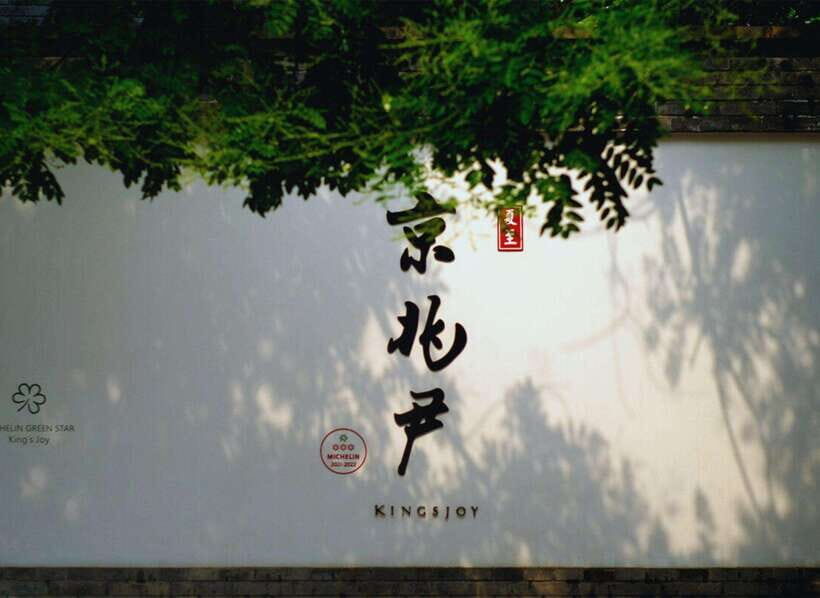
- Michelin Three Stars plus a Michelin Green Star streak for sustainable, health-minded dining
- Low-oil, low-fat, low-sugar, low-salt cooking with high fiber and no artificial additives
- Chef Gary’s unusual training path spanning management, sommelier work, and nutrition science
- A “slow food” philosophy centered on precious vegetables and natural ingredients
- Near major landmarks like Tiananmen Square, the Forbidden City, and Yonghe Temple
- Your reservation is the value, not the meal price: dining is extra
Jing Zhaoyin: a Michelin Green Star vegetarian stop near Tiananmen
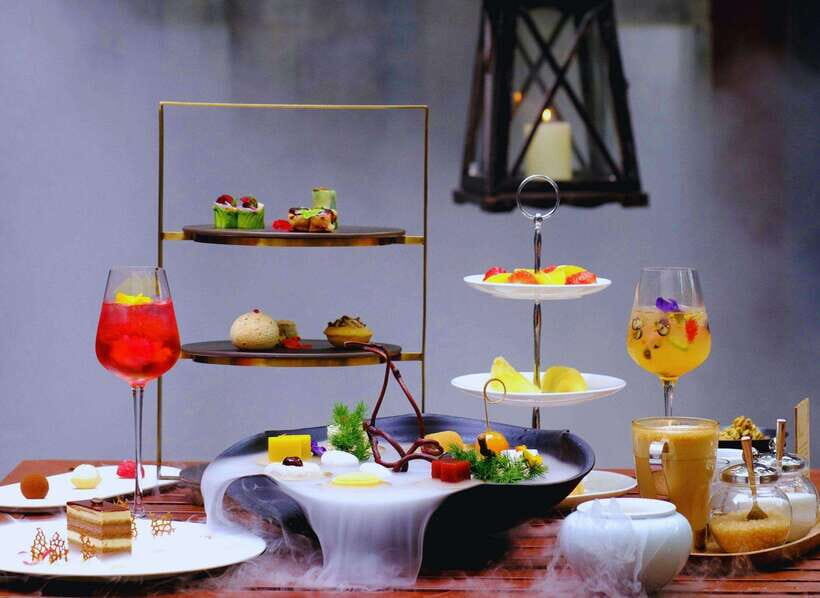
Jing Zhaoyin Vegetarian Restaurant is set up for a specific kind of visit: you want a Beijing meal that feels calm, thoughtful, and world-class, not just busy and loud. The restaurant follows a philosophy built around Joy, Harmony, and Slow Food with Precious Vegetables, and it shows in how the food is presented and how the kitchen talks about ingredients.
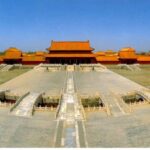
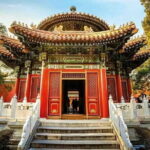
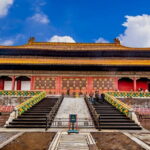
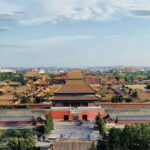
Location helps a lot. You’re very close to Tiananmen Square and the Forbidden City, plus Yonghe Temple isn’t far. That matters because you can plan an easy day of classic sights, then come back for a sit-down meal without crossing half the city twice.
Michelin recognition is the headline, but the deeper reason to care is what Michelin is rewarding here. In the 2024 Beijing Michelin Guide (released October 12, 2023), Jing Zhaoyin was awarded Michelin Three Stars and maintained a Michelin Green Star win for the fourth consecutive year. That signals a consistent approach, not a one-season trend.
You can also read our reviews of more tours and experiences in Beijing

The two-hour experience: a calm reservation-based meal
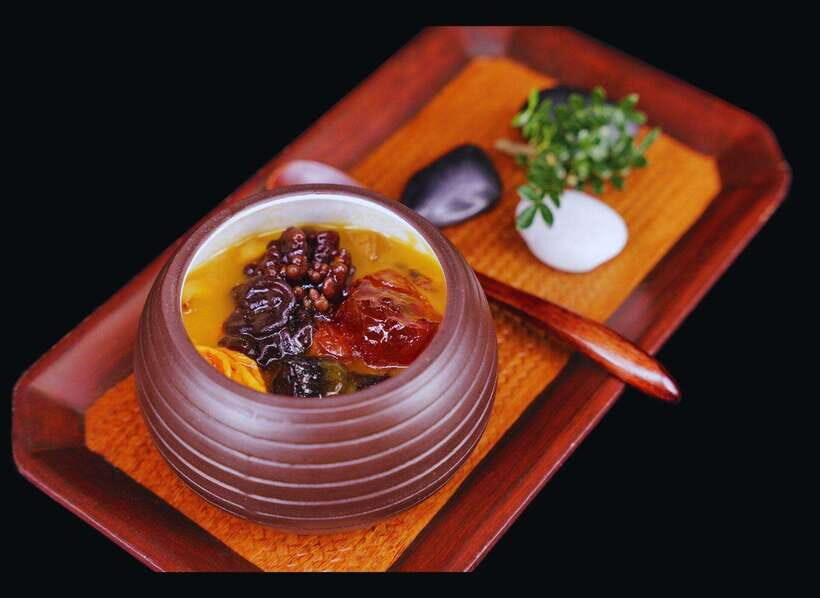
This is built as a 2-hour dining slot. You’ll reserve for lunch, dinner, or afternoon tea, then arrive at your reserved time. The setup is designed so you don’t spend your evening waiting around in restaurant limbo, which is a small thing that can seriously affect your mood after sightseeing.
The group size is limited to 10 participants. Small groups usually mean fewer moving parts and a smoother check-in rhythm. You also get wheelchair accessibility, which is a practical plus if mobility is part of your planning.
No guide is included, and there’s no audio guide either. That’s fine because the restaurant itself does the heavy lifting through its menu concept and service. You just need to show up hungry and ready to eat plant-based, Michelin-style.
What you’re really paying for: reservation value vs your restaurant bill
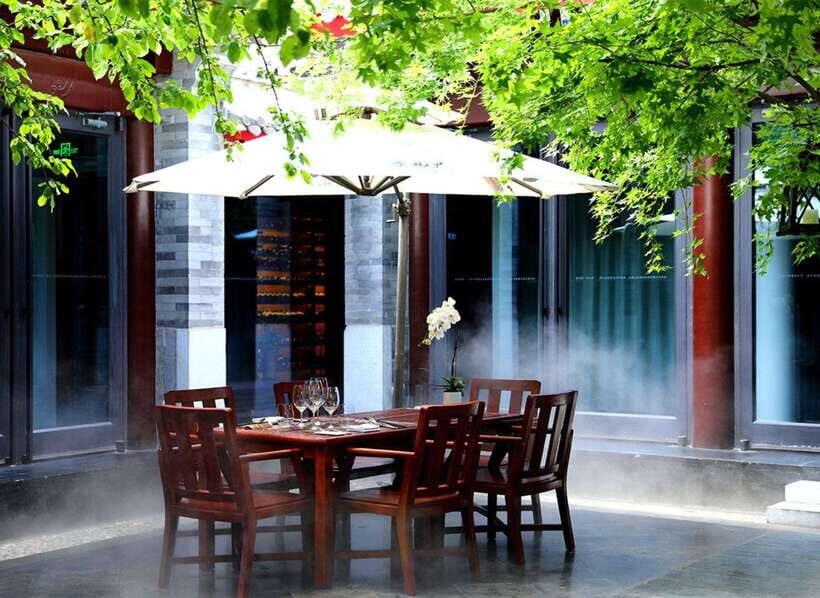
The activity price shown is very low on paper, but you should treat it as a reservation service fee, not the full meal cost. The important figure to plan around is the restaurant spending estimate: an average cost around 1200 RMB per person.
Here’s why this works out as good value anyway: top-tier vegetarian restaurants that use high-quality ingredients, careful low-seasoning cooking methods, and Michelin-grade standards usually cost more than a casual dinner. If you’re paying that kind of bill, you want it to feel special. This reservation is about maximizing your odds of getting the experience without wasting time.
Also, remember the included value: the reservation service covers lunch, dinner, or afternoon tea. Dining expenses are on you, so if you have a strict food budget, check that 1200 RMB planning number and decide what level you want to spend.
Chef Gary’s approach: nutrition science meets high-end cooking
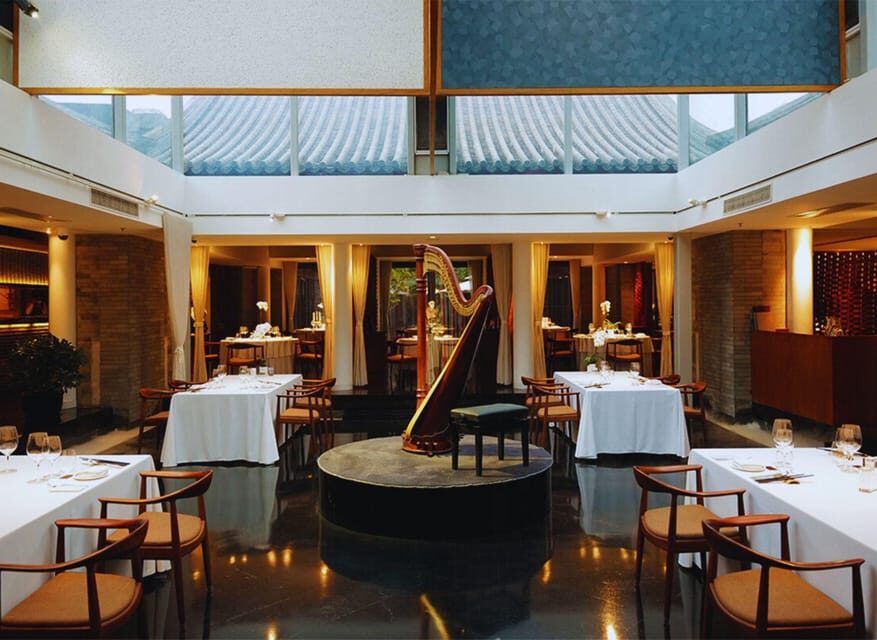
The restaurant’s leadership story is unusual in a good way. The head chef, Gary, comes from a family with a rich culinary heritage and has roots in Beijing. That kind of background matters because it usually means the food isn’t built only for trendiness. It’s built for taste and technique.
What I find especially interesting is his training mix. He holds a bachelor’s degree from the Rotman School of Management at the University of Toronto and an MBA from Glion Institute of Higher Education in Switzerland. He’s also a WSET Level 2 certified sommelier, plus he has credentials in nutritional science from the Department of Plant Sciences at Cornell University.
Why should you care as a diner? Because it lines up with the kitchen’s claims. The restaurant uses cooking methods that are low in oil, fat, sugar, and salt, with high fiber. It also operates without artificial additives. That combo suggests the food is designed for flavor and structure, even while keeping ingredients and seasoning restrained.
The menu essentials: mushrooms, soy, vegetables, and whole grains
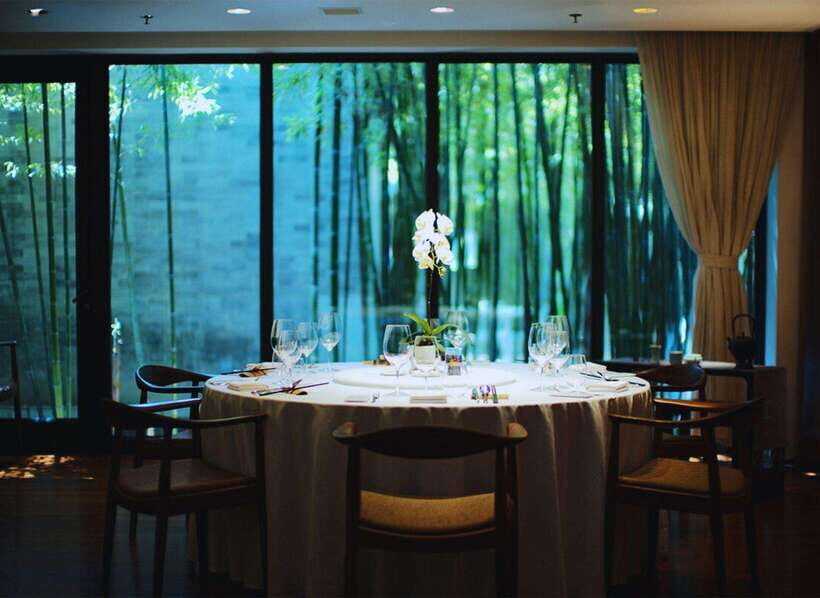
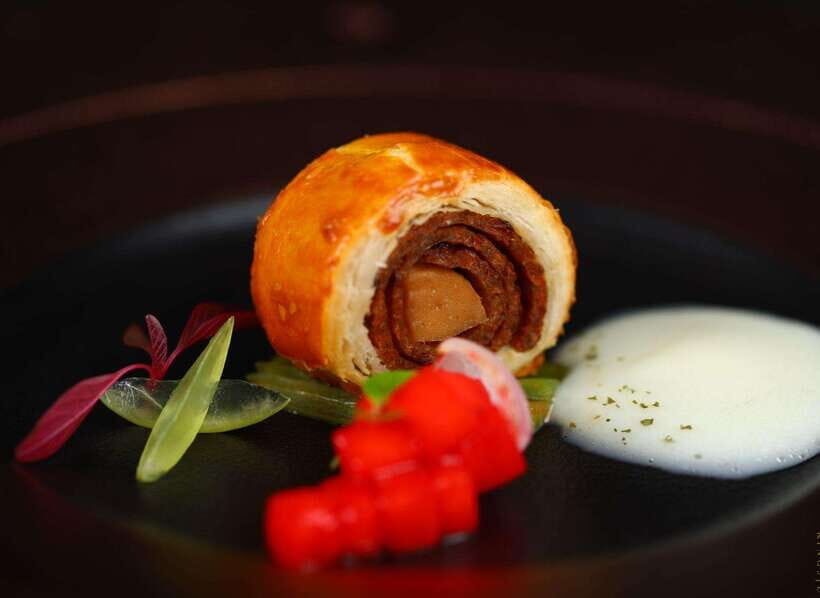
If you worry that vegetarian food means missing out, this is where Jing Zhaoyin aims to change your mind. The menu centers on multiple mushrooms, soy products, vegetables, and whole grains. These aren’t treated like side items. They’re the main characters.
You can expect variety in texture as much as taste. Mushrooms can bring meaty depth without using meat. Soy products can create richness and body. Vegetables and whole grains then round things out so you feel full in a satisfying, steady way rather than a heavy way.
The restaurant also emphasizes careful ingredient sourcing: wild, organic, and green natural foods are highlighted. That matters most when you’re at a Michelin level, because the whole experience relies on ingredient quality doing part of the work that seasoning usually does.



The flavor philosophy: joy and harmony with precious vegetables
Jing Zhaoyin doesn’t pitch itself as a “health food” compromise. It’s framed as slow food with precious vegetables, which changes the vibe. Instead of rushing through a quick meal, you’re settling in for flavors that feel measured and balanced.
The restaurant’s cooking style is described as low in oil, fat, sugar, and salt, and free of artificial additives. In practical terms, that means you’re more likely to notice the real taste of ingredients: earthiness, natural sweetness from vegetables, and the deeper savor notes from mushrooms and soy.
This also supports a more comfortable long meal. After a day around Tiananmen Square and the Forbidden City, the last thing you want is a heavy dinner that makes you feel weighed down for the evening walk back. Low-oil cooking can help you stay comfortable and keep enjoying your surroundings.
Where this fits in your Beijing day plan
Because the restaurant is so close to major sights, it works in multiple schedules.
If you’re doing Tiananmen Square and the Forbidden City early, this makes sense as a midday or early dinner reset. You get a clean break from crowds, and a plant-based meal gives you a different energy pattern for the afternoon.
If you’re starting with Yonghe Temple, you can time your reservation for late lunch or dinner and keep your evening intact. The restaurant’s hours run from 11:00 AM to 9:00 PM, which gives you flexibility for how your sightseeing actually goes.
One practical tip: plan your photo and walking time first, then pick your reservation window so you’re not sprinting across the city with a stomach full of sightseeing impatience.
Service style and what to watch for
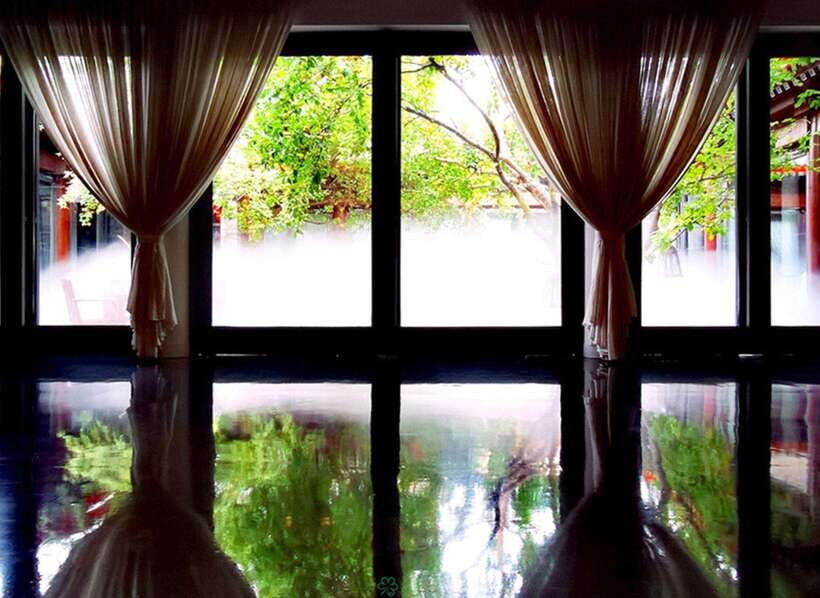
There’s no tour guide included. That means you won’t have someone pacing your group with scripted explanations. You’ll be relying on the restaurant’s own service and the menu concept.
The experience is still managed for you in one key way: you’ve got a reserved table, and you arrive at the reserved time. That’s what “skip the ticket line” effectively means in this context. You’re skipping the chaos of hoping a table appears when you show up.
Small groups also help. With up to 10 people, you’re less likely to feel like you’re part of a marching band. It should feel more like you’re joining a limited seating dining rhythm.
And quick heads-up: smoking isn’t allowed. Beijing travel already has plenty of air-quality considerations, so it’s better that the restaurant enforces a no-smoking rule.
Sustainability and recognition: why the Michelin Green Star matters
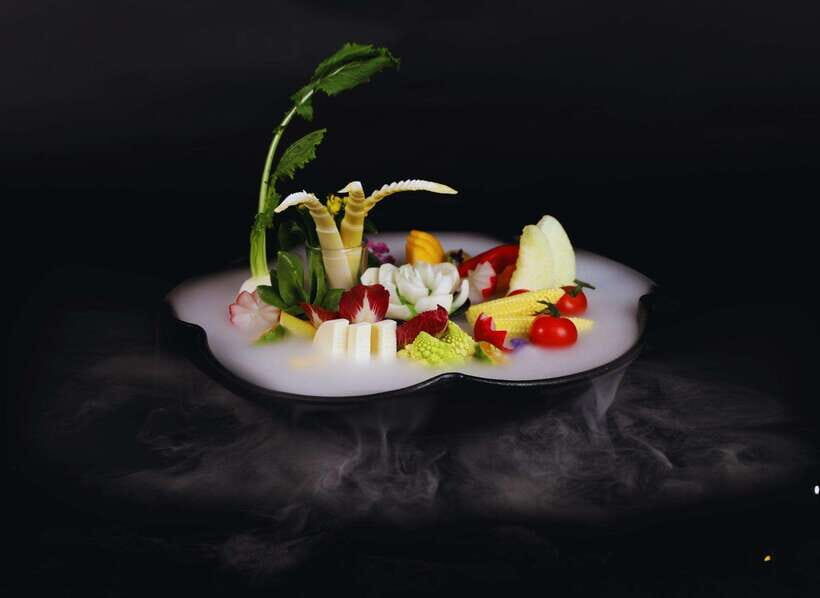
Michelin Green Star recognition isn’t just a badge. Here it connects directly to what you eat and how it’s prepared. The restaurant has maintained its Michelin Green Star win for the fourth consecutive year, which points to repeatable practices rather than a one-off push.
The sustainability angle pairs with the health-focused cooking style described: low oil and salt, high fiber, and no artificial additives. That combination is a big reason vegetarian dining can feel genuinely different at a high level. You’re not just swapping ingredients. You’re changing the cooking approach.
There’s also a business angle to consider. The restaurant has been featured in a Harvard Business School case study, published in the Harvard Business Review. That doesn’t directly affect your plate, but it’s a clue that the restaurant has a system: sourcing choices, operational discipline, and brand consistency that survive beyond a hype cycle.
The real verdict: should you book Jing Zhaoyin?
Book this reservation if you want a top-tier vegetarian meal that’s serious about ingredient quality, balanced cooking, and Michelin-grade consistency. It’s a strong pick for couples, small groups, and anyone who’s tired of restaurant experiences that feel chaotic or overpriced for what they deliver.
Skip it or rethink if your budget is tight. The reservation service price is low, but the dining cost is likely substantial, with an average around 1200 RMB per person. Also consider skipping if you prefer casual street food over a sit-down, slow-food style meal.
I’d especially recommend it if your Beijing trip includes Tiananmen Square and the Forbidden City. You’ll get a comfortable break in the middle of the sightseeing circuit, and the food matches the mood of the day: thoughtful, calm, and a little different from the usual roast-meat parade.
FAQ
How long is the meal reservation at Jing Zhaoyin?
The experience is set for 2 hours, based on the reservation time you choose.
Is the cost of the food included in the reservation price?
No. Dining expenses are not included. You should plan for restaurant spending, with an average cost listed around 1200 RMB per person.
Where is Jing Zhaoyin located in Beijing?
It’s very close to Tiananmen Square, the Forbidden City, and Yonghe Temple.
What kinds of dishes can I expect at this vegetarian restaurant?
The menu focuses on mushrooms, soy products, vegetables, and whole grains.
Does the restaurant claim to cook with less oil, sugar, and salt?
Yes. The restaurant describes cooking methods as low in oil, fat, sugar, and salt, with high fiber, and free from artificial additives.
What time is the restaurant open for reservations?
The opening hours are 11:00 AM to 9:00 PM.
Is the experience wheelchair accessible and are there any rules about smoking?
Yes, it’s wheelchair accessible. Smoking is not allowed.