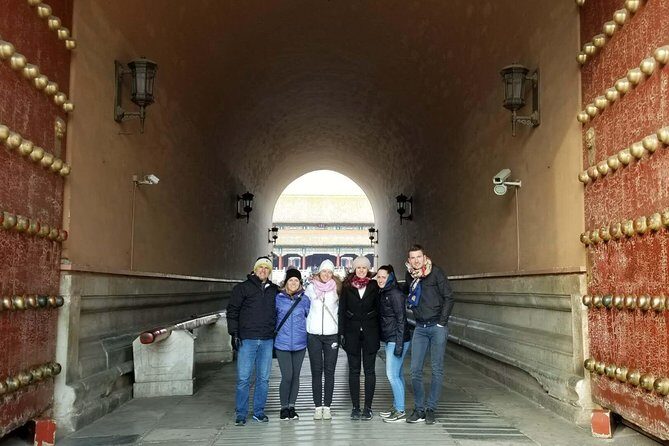
REVIEW · BEIJING
Beijing Tai Chi and Tea Ceremony Experience
Book on Viator →Operated by Beijing San Feng Tai Chi Club · Bookable on Viator
Slow down. Learn Tai Chi the Taoist way. This 3-hour experience pairs Tai Chi basics with a hands-on tea ceremony in a proper tea house setting, taught by an English-speaking master and a tea specialist. I like that it is not just exercise or just drinking tea, but a connected morning ritual focused on relaxation, calm attention, and how both practices fit into Taoist ideas.
I also like how beginner-friendly it feels: Eric (the Tai Chi instructor) adjusts the lesson to your experience level, and the class includes practical things like basic forms, relaxation work, and self-massage methods. One thing to consider is logistics for your stomach: food is not included, so you may want to eat beforehand or plan to snack later, even though tea includes 3–5 small snacks.
In This Review
- Key highlights at a glance
- Why Beijing Tai Chi and Tea Fit Together So Well
- Starting at Jixiaolan Former Residence: A Good Morning Launch Point
- The First Hour with Eric: Taoist Tai Chi Basics That Actually Make Sense
- What You Learn About Qi (Without Getting Lost in Mysticism)
- Transitioning to the Tea House: Time to Slow Down Again
- Kungfu Tea Ceremony with Alice: Tasting 4–5 Teas the Right Way
- What’s Included (and What You’ll Need to Plan Around)
- Price and Value: Is $95 Worth It in Beijing?
- Who This Morning Experience Is Best For
- Practical Tips So You Get More Out of It
- Should You Book It? My Take
- FAQ
- How long is the Beijing Tai Chi and Tea Ceremony Experience?
- What time does it start?
- Where does the experience begin?
- Does it end at the same place?
- Is this experience suitable for beginners?
- Who teaches the Tai Chi and who teaches the tea ceremony?
- What is included in the price?
- What is not included?
- What should I wear and bring?
- How does free cancellation work?
Key highlights at a glance
- English-speaking Tai Chi instruction that starts with relaxation and basic movements
- Beginner-friendly pacing with your experience level checked early
- Taoist context for Qi and harmony explained in plain language
- Kungfu tea ceremony + tasting 4–5 teas with snacks (3–5)
- Tea master guidance from “how to taste” to tea culture while you sip
- Good value for a 3-hour guided morning at $95 with fees and taxes included
Why Beijing Tai Chi and Tea Fit Together So Well
Tai Chi is often marketed as a stress-relief workout. That is true. But the deeper reason people keep doing it is the mindset: slow movement that trains your attention, softens tension, and helps you feel more connected in your body. This class leans into the Taoist explanation behind the practice, where the goal is to support Qi flow through relaxation rather than forcing big muscles or complicated choreography.
Then you switch gears to tea—because in Taoist tradition, tea is not just a beverage. It is tied to internal cultivation and calm temperament. In practice, that means your tea tasting is guided like a mini lesson, not a free-for-all tasting flight. You learn how to pay attention—aroma, color, and the way tea feels after you sip—so the morning theme stays consistent: slow down, notice, and breathe.
And yes, you’ll still move. This is not a sit-only seminar. You’ll do basic forms and relaxation work during the Tai Chi portion, then settle into the tea house for the tasting and ceremony.
You can also read our reviews of more tours and experiences in Beijing.


Starting at Jixiaolan Former Residence: A Good Morning Launch Point
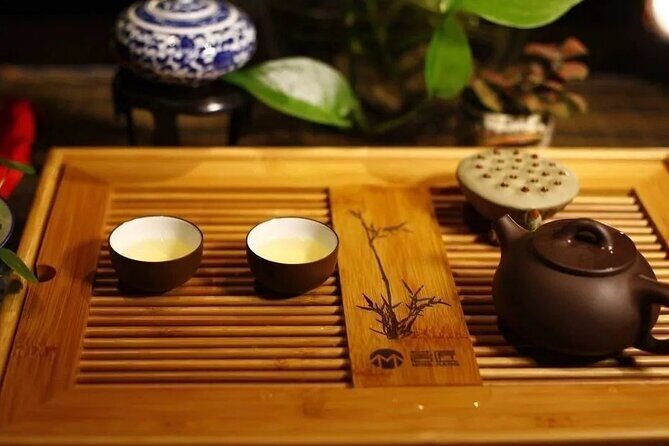
The morning starts at Ji Xiao Lan Former Residence (Ji Xiao Lan Gu Ju) at 9:00 am. The address is: Ji Xiao Lan Gu Ju, 前门 Xi Cheng Qu, Bei Jing Shi, China, 100052. The experience ends back at the same meeting point.
This matters more than it sounds. When an activity has a fixed start and end point, you avoid the last-minute scavenger hunt that can turn a relaxing morning into a sprint. It is also near public transportation, so you can plug it into the rest of your day without needing a private car.
Wear comfortable walking shoes. Tai Chi itself is gentle, but you’ll still be standing, moving, and likely walking a bit around the start area and then during the transition to the tea house.
The First Hour with Eric: Taoist Tai Chi Basics That Actually Make Sense

Your Tai Chi session runs about 1 hour, and it is led by Eric, an English-speaking master who is patient and adjusts to your level. That beginner-friendly approach shows up in how the lesson is structured: you are not thrown into a long, complicated sequence. Instead, you start with relaxation and foundations.
Here is what you can expect during the Tai Chi portion:
- Taoism knowledge explained alongside the movement
- Basic relaxation forms to learn how to soften and settle
- Typical Tai Chi movements taught in a way that feels doable
- Self-massage methods to support comfort and circulation
The practical payoff is that you leave with skills you can repeat. Relaxation forms and simple self-massage are especially useful because they translate into everyday practice. You do not need a park, special equipment, or a perfect setting. You can do short routines at home, in a quiet corner, or even before a workday if your body tends to feel tight.
One more smart detail: Eric checks your experience level and organizes the lesson based on it. That is exactly what you want in a class like this. Tai Chi rewards consistency, and beginners benefit most when the instructor is clear about what matters first: posture, calm focus, and smooth movement.
What You Learn About Qi (Without Getting Lost in Mysticism)
This experience frames Tai Chi and tea through Taoism, including ideas like improving the body’s Qi and supporting a harmony between people and nature. That can sound mystical if you’ve never heard it before.
The good news: the way it is taught is practical. The instruction emphasizes relaxation work and attention—things you can feel immediately. When your shoulders drop, your breathing settles, and your movements become smoother, it stops being abstract.
You also get tea’s role in the same mindset. Chinese tea is described as important in Taoist practice because it supports mental calm and internal cultivation. Rather than just reciting beliefs, the class ties those ideas to the tea ceremony experience, where you learn to observe quality and drink tea in a more mindful way.
If you’re the type of traveler who wants meaning, not just motion, this pairing works. If you’re mostly here for a low-stress activity, the explanation still helps you understand why the movements are slow and grounded.
Transitioning to the Tea House: Time to Slow Down Again
After your Tai Chi practice, you move to the tea house portion where the pace becomes quieter. This transition is a big part of why the experience feels cohesive.
You go from learning to control your body gently to learning to control your attention gently. That change is not just a break—it’s part of the lesson. Your mind has a moment to catch up, and the body settles so tea tasting feels more focused rather than rushed.
Also, you will get guided support during the tea ceremony. That is important because tea can be intimidating. When you’re shown how to taste and what to pay attention to, the experience becomes more than drinking something warm. It becomes a skill you can keep using after you leave.





Kungfu Tea Ceremony with Alice: Tasting 4–5 Teas the Right Way
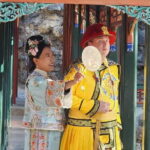
The tea house segment is led by Alice, who provides an overview of tea history and culture while guiding the ceremony. You get to taste 4–5 types of Chinese tea, plus 3–5 snacks.
You also get a “learn by doing” style lesson. Instead of only explaining tea in theory, Alice helps you distinguish tea quality yourself and understand what makes a tea worth appreciating. That likely includes practical senses: color, aroma, and taste shifts as you sip and breathe.
What makes this portion feel special is that tea tasting can easily become a casual activity—drink, smile, move on. Here, you are assisted to slow down and evaluate. You learn how to relax and meditate while sipping tea, which is a direct match to the Tai Chi mindset.
In other words, you’re not just consuming tea. You’re learning how tea fits into a calm mental state, and you’re practicing a short routine of awareness you can repeat back home.
What’s Included (and What You’ll Need to Plan Around)
Included in the experience:
- Coffee and/or tea
- All fees and taxes
Not included:
- Food
- Private transportation
This is a small-but-important detail for value and comfort. The tour includes snacks during the tea house segment, but you should still think of it as a morning activity, not a full meal replacement. If you’re doing it early at 9:00 am, I recommend eating something light beforehand so you are not trying to enjoy Tai Chi on an empty stomach.
If you are planning to visit major sights afterward, this is a nice reset. You’ll finish in about 3 hours total, and you can head to the rest of your day feeling calmer rather than wired.
Price and Value: Is $95 Worth It in Beijing?
At $95 per person for about 3 hours, this sits in a mid-range category for guided experiences in Beijing. Here’s the honest value math:
- You get a full 1-hour Tai Chi class with an English-speaking master (with instruction adjusted to your level).
- You also get a tea ceremony + tasting of 4–5 teas, guided by Alice, plus snacks (3–5).
- Fees and taxes are included, so you are not juggling surprise add-ons later.
The biggest value driver is not the number of tastings or the length of the class. It’s the quality of instruction. A guided class where someone actually adjusts to your experience level tends to be more valuable than a generic demo. And a tea session where you learn how to distinguish tea quality is more valuable than a short tasting with no guidance.
If you want to add a meaningful cultural practice to your itinerary without spending all day, this is a strong option.
Who This Morning Experience Is Best For
This experience is a great fit if you want one of these outcomes:
- You like gentle movement and want to learn it with guidance, not guesswork
- You want a beginner-friendly taste of Taoist ideas tied to real practice
- You enjoy tea culture and want to learn how to taste and think about quality
- You want a calm, structured morning that pairs exercise with mindfulness
It is also a smart match if you’re planning something around the Temple of Heaven area, since this is the kind of morning activity that fits well with Beijing park time. Even if you don’t specifically go there, the timing and vibe still work for sightseeing days.
If you’re an advanced Tai Chi practitioner expecting an intense, long form workout, you might find it too introductory. This is more about foundations, relaxation, and learning how to move calmly and correctly.
Practical Tips So You Get More Out of It
Here are the small things that make a difference:
- Wear comfortable walking shoes. Your body will be standing and moving, even if it’s gentle.
- Come a bit rested. Tai Chi and tea work best when you are not rushing or half-panicking about timing.
- Plan around food. Since food is not included, eat beforehand if you need a full breakfast.
- Bring curiosity, not perfection. You’re learning basic forms and tea tasting methods. You do not need to be good on day one.
If the language factor worries you, the instruction is in English. You’ll have enough support to follow along and ask questions.
Should You Book It? My Take
Book this if you want a short Beijing morning that feels meaningful and practical. The strongest reasons are the beginner-friendly Tai Chi instruction from Eric and the guided tea ceremony with Alice, including tasting 4–5 teas and learning how to judge quality yourself. It is exactly the kind of experience that helps you understand culture through practice, not just photos.
Skip it (or consider another option) if you want a food-focused tour, a long-form history lecture, or a high-intensity workout. This is calm, structured, and rooted in relaxation. That is the point.
If you’re booking around a day of sightseeing, this can be a perfect reset: you start with movement, end with a mindful sip, and you leave with skills you can use again later.
FAQ
How long is the Beijing Tai Chi and Tea Ceremony Experience?
It lasts about 3 hours total.
What time does it start?
The start time is 9:00 am.
Where does the experience begin?
It starts at Ji Xiao Lan Former Residence (Ji Xiao Lan Gu Ju), 前门 Xi Cheng Qu, Bei Jing Shi, China, 100052.
Does it end at the same place?
Yes, it ends back at the meeting point.
Is this experience suitable for beginners?
It is taught with basics like relaxation forms and typical movements, and the instructor checks your experience level and adjusts the lesson accordingly.
Who teaches the Tai Chi and who teaches the tea ceremony?
The Tai Chi is instructed by Eric, and the tea ceremony is guided by Alice.
What is included in the price?
Coffee and/or tea, plus all fees and taxes.
What is not included?
Food and private transportation are not included.
What should I wear and bring?
Wear comfortable walking shoes. Confirmation is received at the time of booking, and the meeting point is near public transportation.
How does free cancellation work?
You can cancel for a full refund up to 24 hours before the experience’s start time. If you cancel less than 24 hours before, the amount you paid will not be refunded.