REVIEW · BEIJING
Beijing Acrobatics Show At Red Theater
Book on Viator →Operated by Happy Dragon Tours · Bookable on Viator
Every city has its crowd-pleaser.
This one is Red Theatre Beijing Acrobatics, a tight 60-minute Chinese acrobatics show built for both kids and adults. You get two daily start times (16:20 and 17:30), a clear run time, and a performance that moves fast through multiple disciplines instead of dragging.
What I like most is how the show is packed with variety. You’ll see skills like plate spinning with pagoda bowls, plus partner work such as jujitsu and stunt sequences that depend on timing, balance, and trust.
The main drawback to keep in mind is expectations. If you’re comparing this to the very top-tier, international acrobatics you’ve seen at bigger touring venues, one rougher note can pop up in pacing or polish.
In This Review
- Key highlights at a glance
- Red Theatre Beijing: a fast, family-friendly acrobatics night
- When to go: 16:20 or 17:30, and why arriving early matters
- Location in Dongcheng: finding No. 44 Xingfu Avenue
- Tickets and entry: passport at the door, mobile on your phone
- What happens on stage: the act-by-act flow you should expect
- Opening with plate spinning pagoda bowls
- Jujitsu and partner stunts: trust, timing, and control
- The high chair moment: where balance becomes drama
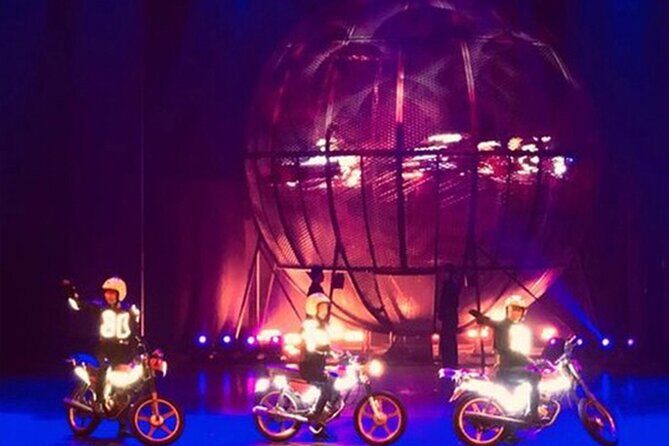
- Ball game and crowd-friendly athletic beats
- Shoulder ballet and the softer finale feel
- Universal: the broad closing sweep
- Price and value: is $39 a good deal for Beijing?
- Who should book this show (and who might want a backup plan)
- Practical expectations: weather, short windows, and what to do with delays
- Book it or skip it? My straight answer
- FAQ
- What time does the Beijing acrobatics show start?
- How long is the Red Theatre acrobatics performance?
- Where is the Red Theatre Beijing Acrobatics located?
- What do I need to bring for entry?
- What is included in the ticket price?
- What is not included?
- Can I cancel, and is there a weather requirement?
Key highlights at a glance
- Two daily performances at 16:20 and 17:30, running about 60 minutes
- Mobile ticket plus quick entry with just your passport
- Plate spinning pagoda bowls opening act that sets the pace
- Mixed disciplines including jujitsu, partner stunts, high chair, ball game, and shoulder ballet
- Helpful theatre staff who tend to be polite and hands-on
Red Theatre Beijing: a fast, family-friendly acrobatics night
Beijing is full of big-ticket sightseeing. But a night show can be the easiest way to add something uniquely Chinese without committing your whole evening.
This program is designed like a greatest-hits album of acrobatics. Instead of one long theme, it jumps across styles: precision props, combat-themed choreography, strength and balance feats, and performance-art touches. That’s a big deal for adults too. You don’t have to stay patient for the payoff—you get it early, then keep getting new things.
And the format is practical. The show runs about an hour, so it fits neatly after a museum visit or a late-afternoon meal. With the start times at 16:20 and 17:30, you can plan a calm day and still make it to the theatre.
You can also read our reviews of more tours and experiences in Beijing
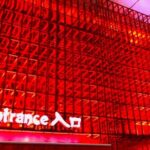
When to go: 16:20 or 17:30, and why arriving early matters
The show starts at 16:20 and 17:30 every day, with an approximate duration of 60 minutes. The timing can shift, so you’ll want to confirm the exact start time when you reserve.
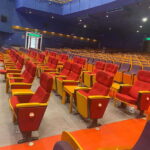
One tip I really value here is the arrival window: plan to get to the theatre about 20 minutes early. That isn’t for showboating. It gives you time to find seats, settle in, and avoid the last-minute scramble when the room starts filling up.
Because it’s only about an hour, you also don’t want to waste 10–15 minutes settling in. You’ll feel it immediately if you miss the opening acts.
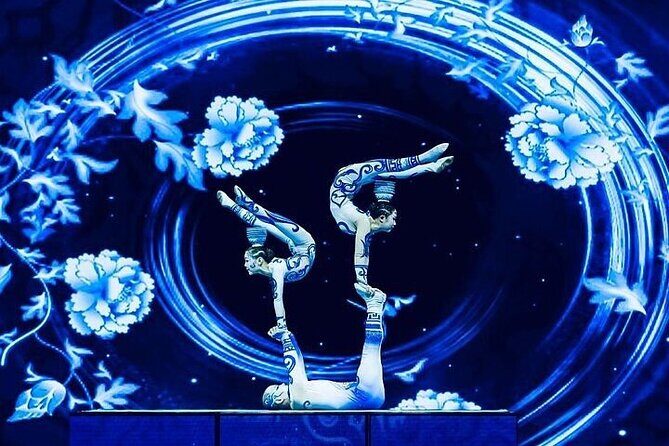
Location in Dongcheng: finding No. 44 Xingfu Avenue
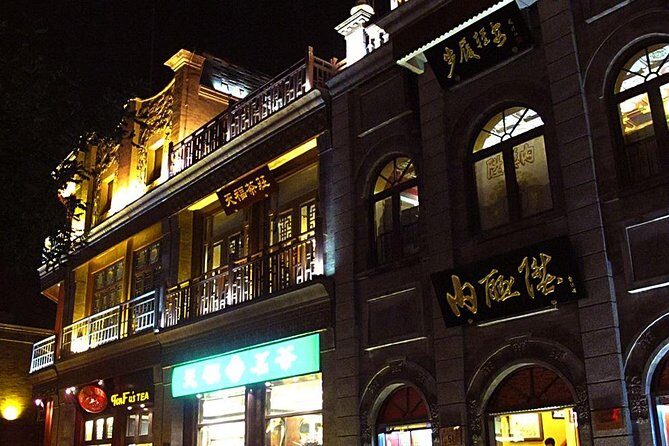
The theatre address is No.44 Xingfu Avenue, Dongcheng District (Mandarin: 北京东城区幸福大街44号). It’s in central Beijing, and it’s near public transportation, which helps if you don’t want to rely on taxis.
In practical terms, I treat this kind of venue like a time-sensitive appointment. You’ll move faster if you:
- decide your route before you leave your hotel
- give yourself buffer time for crossing busy streets
- avoid cutting it close on your arrival
If you’ve got limited evening time, Dongcheng is a smart area to base yourself near, and this show is a strong use of that location.
Tickets and entry: passport at the door, mobile on your phone
You’ll receive your ticket after booking, and the show uses a mobile ticket. On travel day, you just take your passport to enter.
That setup is genuinely convenient. It means you’re not hunting for printed tickets or worrying about losing something tiny. It also lowers stress if you’re already juggling transit, dinner, and a schedule.
A small but important mindset: bring your passport in a reliable place. Don’t tuck it into an unpredictable pocket or bag compartment you’ll have to dig through late.
What happens on stage: the act-by-act flow you should expect
The program is built as a sequence of set pieces. Think of it like a relay: each segment finishes, the next one starts, and the audience stays in that full-attention zone.
The show starts with precision and rhythm, then shifts into combat-inspired partnering, then into balance/strength feats, and finally into crowd-friendly spectacle. That structure matters because it keeps adults interested while still being easy for kids to follow.
Here are the main elements you can expect to see, in the spirit of the order the show presents:





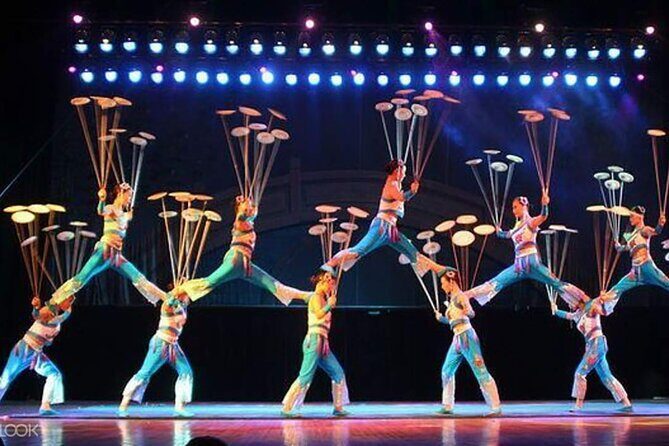
Opening with plate spinning pagoda bowls
This starts the performance with plate spinning using pagoda bowls. If you’re not familiar with plate spinning, here’s why it works so well in a live theatre setting: the motion is hypnotic, and small changes become instantly visible.
This kind of opener also helps the audience tune in quickly. Even if you miss technical details, you can understand the challenge right away—keeping a delicate setup stable while it rotates.
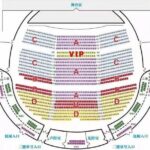
If you’re choosing where to sit, I’d aim for a spot where you can see the full prop area without obstruction. An acrobatics show is one of those rare times when line of sight is half the enjoyment.
Jujitsu and partner stunts: trust, timing, and control
Next comes action-oriented choreography such as jujitsu and partner stunt work. This is where you see the show’s teamwork style.
Partner acts are all about timing. If one person goes a fraction early or late, the sequence can wobble visually, even if the performers recover. That’s exactly why the best moments feel so clean—you can sense control.
For me, this part is a good reality check. Acrobatics is often marketed as pure strength, but partner work highlights a different truth: it’s precision and coordination, not just power.
The high chair moment: where balance becomes drama
Then you get a high chair segment, which is typically the kind of act that makes people lean forward. It’s not just about getting into a position; it’s about maintaining control while the audience watches.
High chair acts work because they create tension. You can’t help but track the center of gravity. And when it’s done well, it looks effortless, even though it obviously is not.
If you’re bringing kids, this is usually the segment that holds attention. It’s clear, visual, and easy to follow without needing background knowledge.
Ball game and crowd-friendly athletic beats
A ball game segment adds a different texture. It breaks up the heavy balance and strength moments with something more kinetic and visual.
This part is also useful for family viewing. Kids often latch onto anything with a predictable, repeated action—catch, bounce, rhythm—even if the techniques are still very athletic and demanding.
I like these mid-show palate cleansers. They stop the program from feeling repetitive while keeping the overall energy up.
Shoulder ballet and the softer finale feel
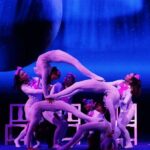
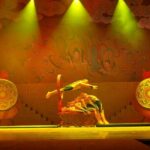
The show includes shoulder ballet, which shifts the mood again. Instead of large, high-impact maneuvers, you get a more controlled, performance-based style where movement looks almost dance-like.
Shoulder-based performance requires clarity. The audience can read posture and tension, so performers need to look confident and composed even when the choreography is complex.
This segment is a reminder that Chinese acrobatics shows aren’t only about flips and tricks. They can also be about expression and rhythm—especially when the show uses both athletic and artistic movement styles.
Universal: the broad closing sweep
The program closes with a segment labeled universal. Even without extra detail, the word signals a wrap-up designed to land as a final spectacle—something meant to feel like the show’s complete picture.
That ending matters for families and first-timers. You want a finish that feels like value, not a sudden stop. A strong closing also helps the pacing of the whole hour, making the show feel like one coherent piece rather than separate demos.
Price and value: is $39 a good deal for Beijing?
At $39.00 per person, this show is priced like an affordable evening activity. For Beijing, that matters. You’re usually choosing between expensive tours, paid attractions with long time buffers, or free sightseeing that may not fit your schedule.
Here, the value comes from the format:
- you get about one hour of performance
- you get multiple acrobatics disciplines instead of one specialty act
- entry is straightforward with a passport and a mobile ticket
If you’re trying to fill a gap between dinner and a late museum visit, this is one of the cleaner options. You don’t need extra planning beyond finding the theatre and being there early.
If you’re on a strict budget, it’s also a lower-risk choice than many tours that require transportation add-ons. In the provided info, pick-up and drop-off aren’t included, so the value is best when you can get yourself to Dongcheng efficiently using public transit.
Who should book this show (and who might want a backup plan)
I’d recommend this acrobatics show if you want:
- a short, high-energy evening plan
- something family-friendly that works for adults too
- a mix of classic acrobatics-style acts rather than a single theme
It’s also a nice pick if you want a culturally flavored performance without needing language skills. The acts are visual and structured, so you can follow even if you don’t know the names of every technique.
I’d consider a backup plan if you’re extremely picky about performance polish. One critical note in the overall feedback suggests that some people felt it didn’t meet expectations for the highest level of acrobatics. That doesn’t mean it’s bad. It just means you should go in with realistic expectations and focus on the show as entertainment plus craft.
Practical expectations: weather, short windows, and what to do with delays
This experience requires good weather. If it’s canceled due to poor weather, you’ll be offered a different date or a full refund.
Also, because the show is short, timing errors feel bigger than they would for a multi-hour attraction. If your day runs late, you’ll feel it. So I’d treat the theatre like a firm appointment: finish dinner with time to spare, and give yourself transit buffer.
On the positive side, the show has a simple start schedule and a 60-minute run time, so planning is easier than with events that can change unpredictably.
Book it or skip it? My straight answer
Book it if you want an easy evening in Beijing with lots of variety in only an hour, and you like visual performance art that’s readable without instructions. $39 feels like a reasonable price for a well-paced show format, especially with mobile ticket entry and quick passport-based access.
Skip or consider a different option if you’re chasing the absolute top-tier of global acrobatics and are likely to compare every beat. In that case, you may find yourself more critical than charmed.
If you land in the middle—wanting a fun, family-friendly show with clear segments—you’re exactly the audience this one is built for.
FAQ
What time does the Beijing acrobatics show start?
The show starts at 16:20 and 17:30 every day. The exact time may change, so it’s a good idea to confirm when you make your reservation.
How long is the Red Theatre acrobatics performance?
It runs for about 60 minutes.
Where is the Red Theatre Beijing Acrobatics located?
It’s at No.44 Xingfu Avenue, Dongcheng District, Beijing (北京东城区幸福大街44号).
What do I need to bring for entry?
You’ll need your passport to enter on travel day.
What is included in the ticket price?
Your ticket includes admission to the show.
What is not included?
Food and drink are not included, and pick-up and drop-off are not included.
Can I cancel, and is there a weather requirement?
You can cancel for a full refund up to 24 hours in advance of the experience’s start time. The show requires good weather, and if it’s canceled due to poor weather, you’ll be offered a different date or a full refund.