REVIEW · BEIJING
Beijing: Prince Kung’s Palace Museum Ticket—Must-See Spot
Book on GetYourGuide →Operated by PANDA HAPPY JOURNEY IN CHINA · Bookable on GetYourGuide
Qing power feels surprisingly close here. Prince Gong’s Palace Museum is a top Beijing stop if you like watching history play out in real buildings, not museum labels. The setting is one of the biggest Qing Dynasty prince’s residences you’ll find in the capital, with courtyards, halls, and gardens that make the period feel tangible.
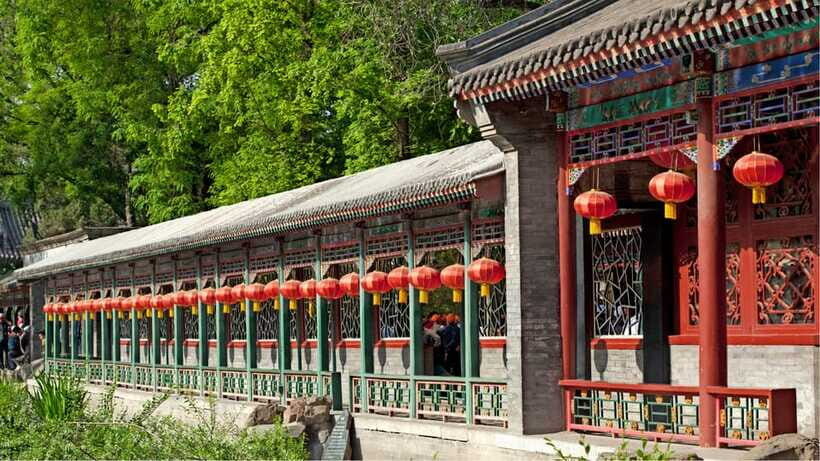
I especially like two things: the architecture (corridors, pavilions, and carefully scaled spaces) and the garden design, with water features laid out around traditional feng shui ideas. One drawback to plan around is crowding after late morning—if you wander in too late, you may struggle to see details clearly.
In This Review
- Key Things to Know Before You Go
- Prince Gong’s Palace: Why This Qing Mansion Matters
- Ticket Value and What You Actually Get for $20
- Getting Oriented Fast: Entry, Neighborhood, and Walking-Friendly Timing
- Inside the Courtyards: Halls, Corridors, and the Shape of Power
- Gardens, Rockeries, and Feng Shui Water Features
- Best Timing: When to Go and How to Avoid a Bad View
- Self-Guided With an English PDF: How to Make It Work
- Evening Light Show and Cultural Performance: Adding Night Magic
- Who Should Book This Ticket (and Who Might Skip It)
- Should You Book Prince Gong’s Palace Museum Ticket?
- FAQ
- What is included with the Prince Gong’s Palace Museum ticket?
- Is a live tour guide or audio guide included?
- How long should I plan to spend at the museum?
- What should I bring for entry?
- Is there an evening show?
- Can I cancel, and can I reserve without paying right away?
Key Things to Know Before You Go
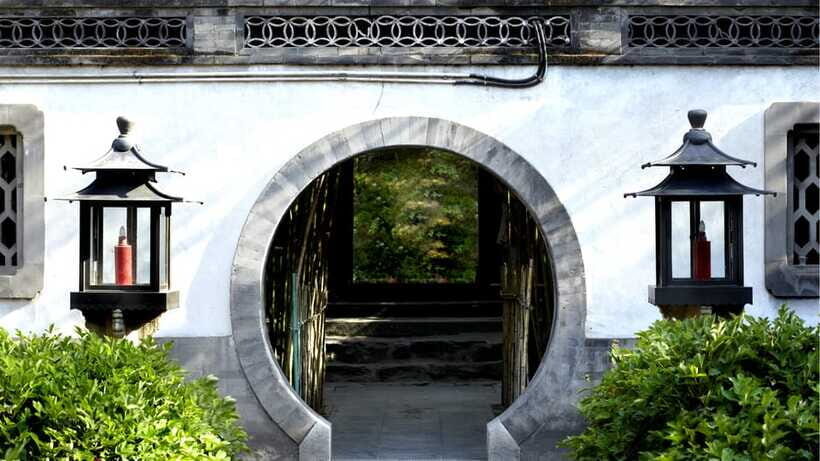
- One of the largest Qing prince residences in Beijing: You’re walking through a full, functioning palace layout rather than a single showpiece room.
- Skip-the-line entry plus an English PDF guidebook: You can go at your own pace without waiting at the ticket queue.
- Late 18th-century palace with major historical ties: The complex is linked to He Shen, the influential minister in the era of Emperor Qianlong.
- Photogenic courtyards, pavilions, rockeries, and water features: This place rewards slow wandering and careful looking.
- Crowds spike after 11:00: Arrive earlier if you want breathing room and better views.
- Evening light show and cultural performance: If your schedule allows, the night program adds a different feel to the same grounds.
Prince Gong’s Palace: Why This Qing Mansion Matters
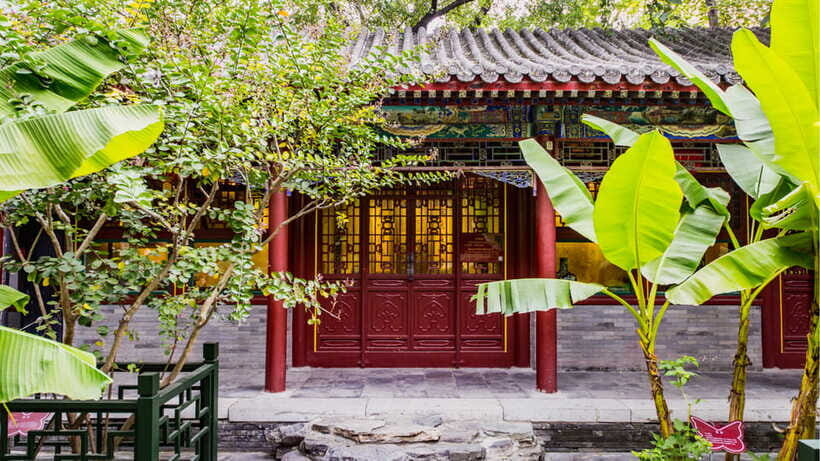
Prince Gong’s Palace Museum is often called a major slice of Qing Dynasty life, and the reason is simple: it’s a whole palace compound, not just a monument. Built in the late 18th century, the mansion reflects how power, wealth, and status shaped everyday movement—where you walked, where you looked, and what you were meant to notice.
You’ll see that hierarchy in the layout. The courtyards and corridors don’t feel random. They guide you through a system of spaces that once supported the routines of a high-ranking elite, including private quarters and receiving areas. That structure makes the visit more interesting than a typical “see-and-snap” stop.
This is also a great alternative to the Forbidden City if you want a Qing-era experience that still feels grand, but feels easier on your legs and nerves. The palace complex is big enough to satisfy, yet it’s often less exhausting to navigate than Beijing’s most famous imperial site.
You can also read our reviews of more tours and experiences in Beijing
Ticket Value and What You Actually Get for $20
At about $20 per person, this ticket is a strong value if you like self-guided travel. You get entry to the palace and an English PDF guidebook, which means you can spend your money on time in the compound instead of paying for extra narration or a live guide. For many people, an on-your-phone guide is the sweet spot: you can pause, compare views, and move at your own speed.
The guide format matters. A PDF helps you decide what to prioritize once you’re inside, especially if you’re trying to photograph or you prefer reading your way through rooms. It also makes the visit feel less like a checklist and more like a guided walk—without the pressure of keeping up.
One thing to know: a live tour guide and an audio guide aren’t included. If you’re the type who wants constant spoken interpretation, you might feel a little more on your own. Still, the PDF is designed to point out the halls, gardens, and key historical artifacts you shouldn’t miss.
Getting Oriented Fast: Entry, Neighborhood, and Walking-Friendly Timing
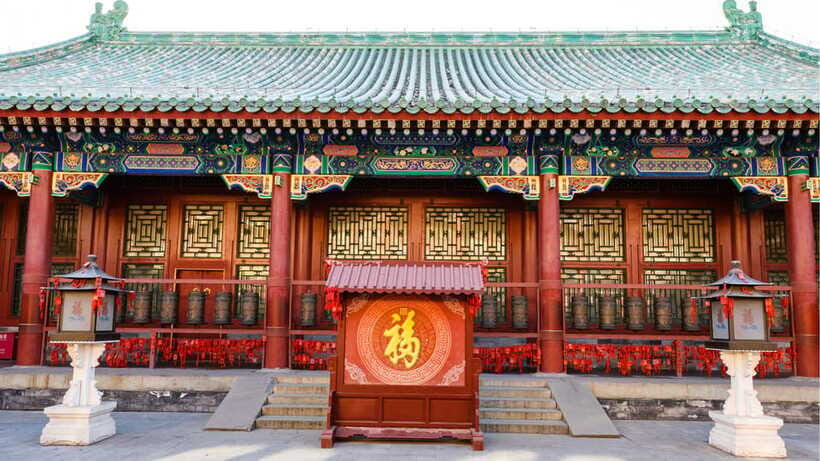
Once you arrive, the biggest advantage of this ticket is straightforward: you can skip the ticket line and start moving sooner. That matters in Beijing, where time is often spent waiting instead of seeing. Even if the rest of your day is packed, shaving off a chunk of queue time lets you protect the best part of your visit—the morning hours.
The location also plays nicely with a simple walking plan. I like that you can reach the area by foot from Shichahai, and the route can be scenic enough to tack on nearby sights like the Drum Tower. If you’re staying around the central historic belt, this kind of “build your own mini-walk” approach feels natural rather than forced.
Duration is listed as 1 day with starting times available, so plan for a flexible schedule. In practice, you’ll want enough time to slow down—this isn’t a one-room museum. A good target is at least a couple of hours, especially if you want to read the guide notes while you walk.
Inside the Courtyards: Halls, Corridors, and the Shape of Power
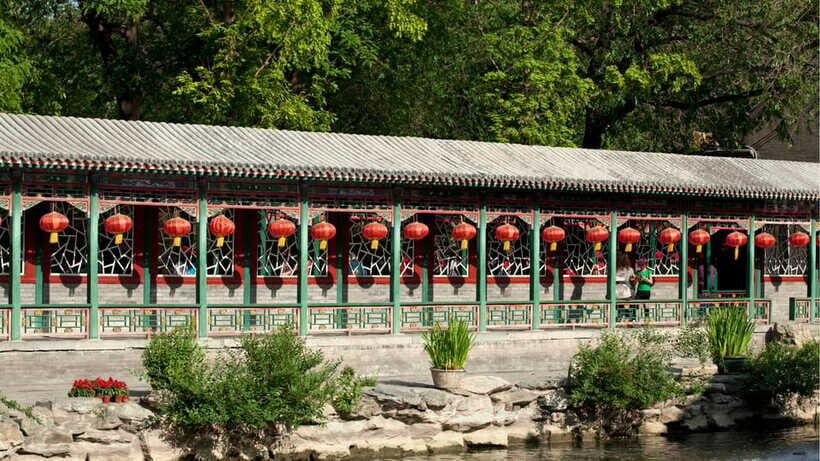
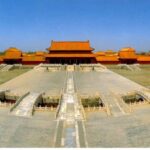
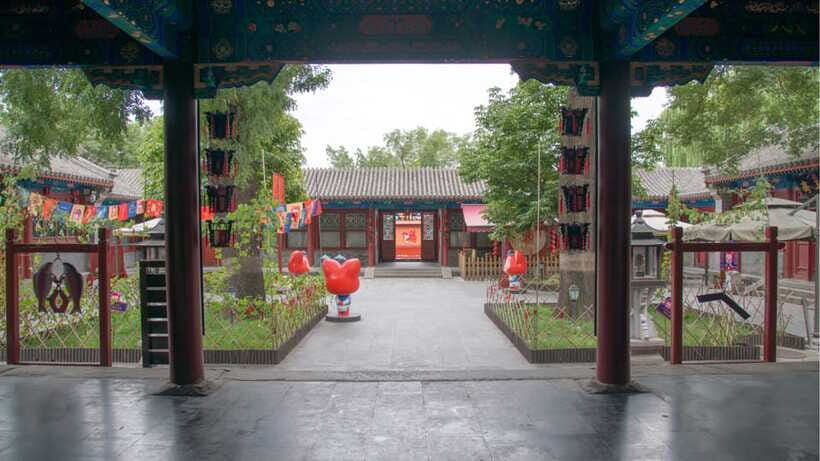
The palace works like a series of connected worlds. You’ll move from outdoor courtyards into semi-private halls and passageways, then out again into open spaces where the garden and water elements become part of the “story.” That rhythm is a big part of why this palace feels worth your time.
I love how the design teaches you to look. In places like courtyards and corridors, details become visible when you slow your pace. Pay attention to how rooms and walkways frame views of pavilions, rockeries, and courtyards. Even without deep technical background, you can feel the intention: certain sightlines were meant to impress, while other routes supported privacy and control.
The complex is also tied to He Shen, who was an influential minister during Emperor Qianlong’s time. That connection adds an extra layer to your wandering. You’re not just looking at “old buildings”—you’re walking through the physical expression of someone’s influence, in the form of a carefully managed residence.
Also, don’t rush the corridors. In a Qing palace, movement is part of the experience. Each turn changes what you can see next, and that’s where the architecture becomes more than decoration—it becomes direction.
Gardens, Rockeries, and Feng Shui Water Features
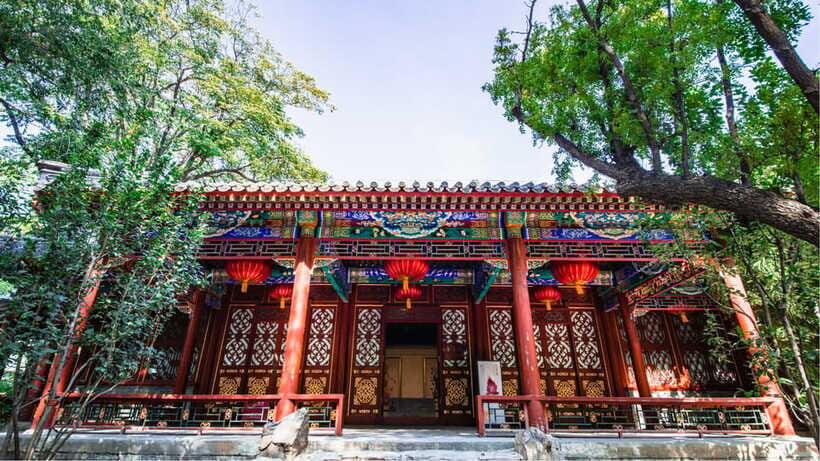
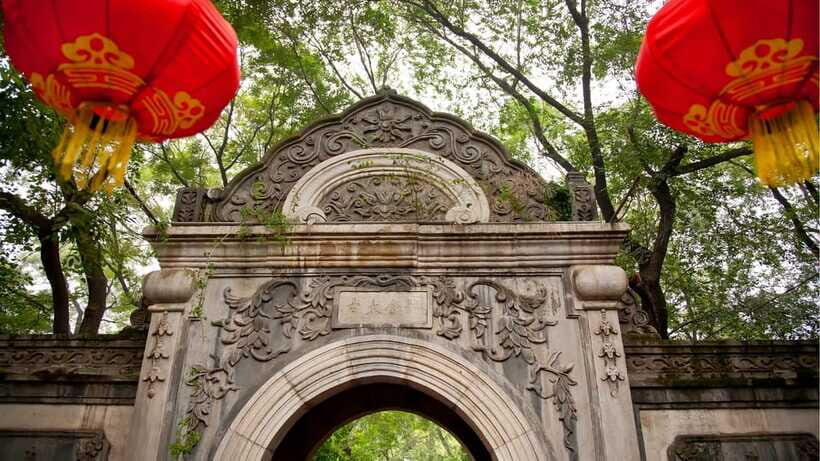
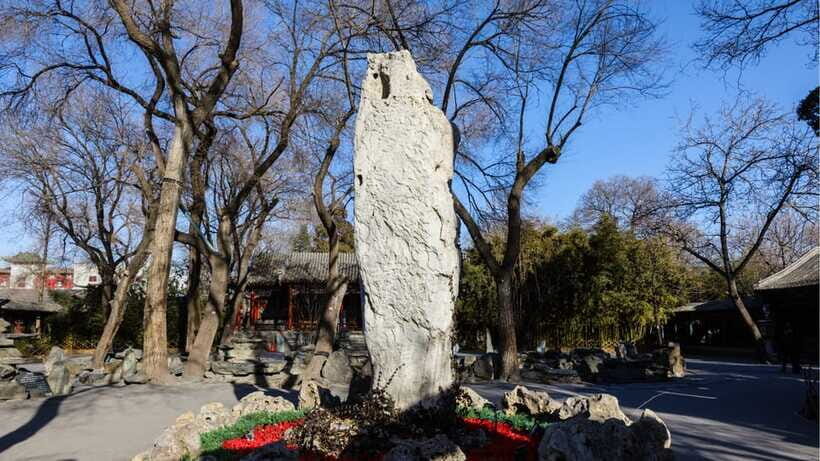
If architecture is the skeleton of Prince Gong’s Palace, the gardens are the breath. The grounds are known for serene features, including rockeries and water elements arranged with traditional feng shui principles. You’ll often notice that the quiet spots feel deliberate—like pauses built into the visit.
The garden isn’t just pretty scenery. It affects how the palace feels emotionally. After time spent inside halls and corridors, the outdoor spaces reset your senses. You get room to breathe, and you can take photos without the constant pressure of indoor crowds.
I’d treat the garden section like your “slow down” zone. Move more slowly here than you did earlier. Let the guide point you toward the elements that matter, then use your own eyes to connect them—how a water feature sits, how rock arrangements shape sightlines, and how different courtyards feel more open or more secluded.
Photographers tend to love this part because the visuals are layered. You get frames inside frames: pavilions, edges of courtyards, and the way water reflects light. Even on an ordinary day, the garden areas give you more variety than you might expect from a palace visit.
You can also read our reviews of more museum experiences in Beijing



Best Timing: When to Go and How to Avoid a Bad View
Timing makes or breaks this museum. One clear pattern shows up: after late morning, the palace can become crowded enough that it’s hard to see details. A practical rule is to go early, aiming for the earlier part of your day so you can actually look, not just pass through.
Crowding isn’t just about comfort. It changes your ability to appreciate architecture. When people pack into corridors and courtyards, sightlines get blocked and photos turn into a fight for angles. If you care about detail—door patterns, stair lines, carved elements—early arrival helps.
I also like keeping the rest of your itinerary simple. If you plan to do the Forbidden City the same day, don’t schedule it back-to-back in a way that leaves no breathing room. This palace deserves time to think, read, and walk slowly, and pairing it badly can make both experiences feel rushed.
A related tip: even though the museum covers a lot, it doesn’t have to drain you the way bigger sites can. The complex is often seen as easier to navigate because it’s smaller than Beijing’s largest imperial stage. That doesn’t mean “quick.” It means you can enjoy it without feeling like you’re sprinting.
Self-Guided With an English PDF: How to Make It Work
This experience is designed for self-guided pacing. Your English PDF guidebook is included, and that’s the key to getting more out of the visit than a basic walk-through. Use it like a planning tool before you step into the main areas, then bring it out again when you hit sections that match your interests.
Here’s how I’d use it:
- Pick a few must-see halls and garden spots before you start, so you don’t wander randomly.
- When you enter a new courtyard, scan the guide note for what to look for in that space.
- Give yourself permission to skip the parts you’re not drawn to, because your time is limited.
Because there’s no live guide included, the PDF becomes your interpretation engine. That’s why it helps to choose your interests ahead of time—architecture, gardens, artifacts, or palace layout. When you know what you want, the guidebook turns into a roadmap, not a document you ignore.
Even if you don’t read Chinese, you can still benefit from the guide structure. The palace is visually organized, and the PDF helps you understand why certain rooms feel different and what specific objects are meant to represent.
Evening Light Show and Cultural Performance: Adding Night Magic
One of the highlights is an evening program: a light show and cultural performance. This gives you a different way to experience the same grounds. In the daytime, you’re focused on layout and details. At night, lighting changes the mood and you feel how the palace setting can shift from formal residence to stage-like atmosphere.
The data doesn’t give specific timing, so treat it as a scheduling option rather than a guaranteed add-on. If your day already feels tight, the palace itself is still a full half-day to two-hour-plus experience. If you can stay for the evening, the program can be a fun finish that adds variety.
I’d plan your day with this in mind: don’t start your visit so late that you’ll miss your chance to enjoy both the palace grounds and the performance. When crowding is a factor, an early start helps you get your fill before night activities change the flow of people.
Who Should Book This Ticket (and Who Might Skip It)
I’d recommend this visit if you want a Qing Dynasty palace that feels real and walkable, with excellent architecture and a calm garden component. It’s ideal for history and culture lovers, and it’s also a good choice for photographers who want multiple scene types—courtyards, pavilions, rockeries, and water features.
It’s also a strong pick if you don’t want a full-day, high-fatigue itinerary. The palace is often easier on navigation because it’s smaller than the most famous imperial site, and you can pace yourself with the included PDF.
You might consider skipping or choosing another option if you need constant audio or live commentary. Since the ticket doesn’t include an audio guide or live tour guide, your experience depends on the English PDF and your comfort exploring on your own.
Should You Book Prince Gong’s Palace Museum Ticket?
Yes, I think you should book it if you value self-guided freedom and want an architectural palace visit that doesn’t feel like a marathon. The skip-the-line entry plus the included English PDF guidebook makes this ticket feel practical, not just “another attraction.”
Book it especially if you can go early. That timing advantage helps you see the courtyards and gardens clearly, and it makes the whole experience more enjoyable. If you’re also interested in the evening light show and cultural performance, this ticket becomes an even better fit because it gives you a built-in option to turn your palace visit into a day-and-night story.
FAQ
What is included with the Prince Gong’s Palace Museum ticket?
The ticket includes entry to the Prince Gong’s Palace Museum and an English PDF guidebook.
Is a live tour guide or audio guide included?
No. A live tour guide and an audio guide are not included.
How long should I plan to spend at the museum?
The duration is 1 day, and many people recommend budgeting at least a couple of hours so you can see more than just the highlights.
What should I bring for entry?
Bring your passport or ID card.
Is there an evening show?
Yes. There is a light show and cultural performance in the evening.
Can I cancel, and can I reserve without paying right away?
You can cancel up to 24 hours in advance for a full refund, and you can reserve now and pay later.