REVIEW · BEIJING
China National Museum Ticket Pre-booking and Tiananmen Square
Book on Viator →Operated by China Pleasure Tour Co,. Ltd. · Bookable on Viator
Booking timed entry in Beijing can be tricky. This setup links your passport and a QR code for both the museum and Tiananmen. The catch is you must hit your slot on the dot.
I like that the National Museum visit is handled for you—especially if WeChat booking feels like a maze. I also like the practical payoff: the Tiananmen Square entry is tied into the same flow, and both places are free once you have the reservation. The main drawback is strict enforcement: if your passport doesn’t match the reservation or you miss your reserved time window, entry can be denied.
In This Review
- Key things to know before you go
- China National Museum timed entry: how the QR system really works
- What I like about the museum experience from a planning standpoint
- Likely drawback: the reservation isn’t a flexible ticket
- North Gate logistics: the part that decides success or stress
- A simple strategy that reduces anxiety
- Tiananmen Square by the museum QR: what it’s good for
- What you’ll likely enjoy at Tiananmen
- A fair consideration: external delays can still happen
- Itinerary flow that makes sense: museum first, then the square
- Why this order is valuable for you
- A drawback to remember
- Price and value: is $10 worth it?
- Where the fee feels most justified
- Where you should pause before buying
- Security, lines, and the biggest timing mistake
- Practical timing rules I’d follow
- Who should book this, and who should skip it
- What you get on the ground (and what you don’t)
- Should you book this ticket service?
- FAQ
- What time is the National Museum of China open?
- What are the museum’s reserved time slots?
- Where do I enter the museum with the reservation?
- What documents do I need to enter?
- Can I use this reservation with a Chinese passport or Chinese ID?
- Do I need a separate ticket for Tiananmen Square?
- Is the ticket changeable or refundable close to the date?
- How long should I plan for the day?
Key things to know before you go

- Museum first, always: you’ll go to the National Museum before Tiananmen using the same reservation flow
- Three timed entry slots: 9:00–11:00, 11:00–13:30, or 13:30–16:00, with last admission at 16:00
- North Gate entry: you enter through the North Gate visitor entrance during your reserved time slot
- QR + original passport required: you must present the original passport used for booking and everyone’s QR code
- No Chinese ID/passport acceptance: this is not set up for Chinese passports/IDs
- Plan for lines and security: the area is close to major political sites, and the day can be unpredictable
China National Museum timed entry: how the QR system really works
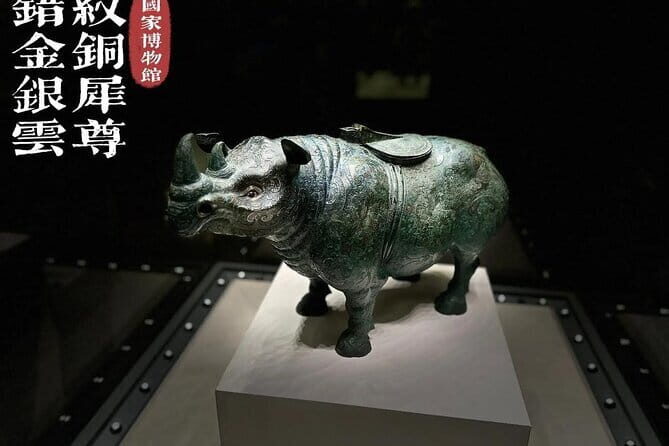
The National Museum of China is one of those places where going “sometime today” doesn’t work well. The main reason is the timed admission structure. The museum runs daily from 9:00 to 17:00, with last admission at 16:00, and it’s closed on Mondays. Your entry time is divided into three reserved windows: 9:00–11:00, 11:00–13:30, and 13:30–16:00.
Here’s the key: on the day of your visit, you must show the original passport used when you booked. Staff won’t accept a different document. Then you’ll present everyone’s ticket QR code. The process is built around matching your identity to the reservation, so it’s not the kind of ticket you can “share later” or scramble at the door.
You’ll enter through the North Gate visitor entrance during your reserved window. That detail matters more than people expect. Even if you arrive early, you still need to be in the right entrance lane at the right time. If you’re late, the museum won’t let you in.
You can also read our reviews of more tours and experiences in Beijing



What I like about the museum experience from a planning standpoint
The museum itself is the big draw. The visit is set at about 4 hours, and you can reasonably fill that without rushing. Once you’re inside, the museum is organized across multiple exhibitions and sections, and it’s the kind of building where it’s easy to get “one more floor” syndrome.
A tip that shows up again and again in people’s experiences: the earlier 9:00 slot is often the best bet because the most popular parts get busy fast. If you want the parts that people rave about most, arrive early and don’t treat the start time as a suggestion.
Likely drawback: the reservation isn’t a flexible ticket
This is not a “show up whenever” admission. Your QR code is tied to a specific date and entry slot. If your group is running behind, the whole plan takes the hit. If you’re traveling with friends who move at different speeds, you’ll want everyone to agree on a hard meet-up time before you arrive.
Also note that the museum rules say no audio or video use inside. That won’t bother everyone, but if you rely on audio guides during sightseeing, plan to use written descriptions or plan your reading during quiet moments instead.
North Gate logistics: the part that decides success or stress
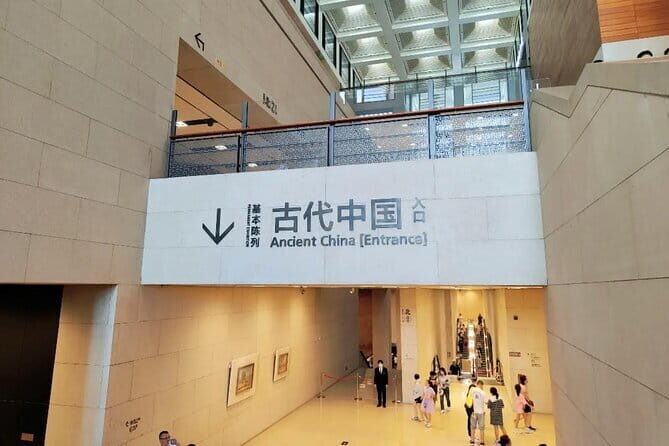
I’ll be blunt: the North Gate entry timing is where most problems happen in practice. The museum’s policy is strict—your reserved time slot is the ticket. So you need a plan for getting there with buffer time.
Think of it like airport security planning. Even when lines are manageable, you should assume there will be some waiting. And because the museum sits near major government and ceremony sites, the rhythm of the area can shift day to day. That doesn’t mean you’ll always face long delays—but it does mean you shouldn’t build your day around “we’ll just be there whenever.”
A simple strategy that reduces anxiety
- Aim to arrive with extra time so you’re not negotiating with the clock at the entrance.
- Keep your documents ready: original passport first, QR codes accessible on your phone.
- If anyone in your group has the wrong passport or missing QR, it can slow the whole line.
One more thing: the ticket is described as non-changeable and non-refundable 24 hours before the visit day. That means you can’t count on last-minute fixes if your schedule goes sideways. Build in margin.
You can also read our reviews of more museum experiences in Beijing





Tiananmen Square by the museum QR: what it’s good for
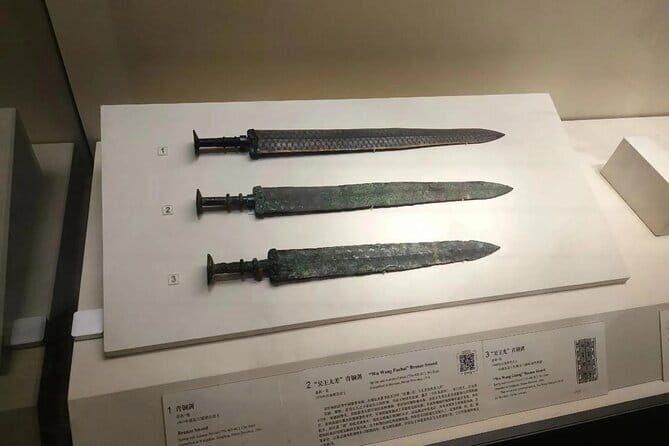
The tour concept is smart: it treats Tiananmen Square not as a separate hassle, but as a follow-on. After your museum entry, you’ll go to Tiananmen Square (Tiananmen Guangchang) using the reservation’s QR code flow connected to the museum ticket.
Tiananmen Square is timed differently than a normal “walk-in” spot. Your reservation acts as the entry permit mechanism. The time allotted is about 1 hour, which is enough to get oriented and take in the main viewing experience without turning it into a marathon.
What you’ll likely enjoy at Tiananmen
Even with just an hour, the square’s scale hits you fast. You’re not just seeing buildings—you’re seeing the space as a designed stage. And because Tiananmen sits so close to major ceremonial and political areas, your visit can feel unusually “event-like,” even when there’s no big happening.
A fair consideration: external delays can still happen
Even with the permit, the area has its own security and crowd patterns. Your museum entry timing strongly influences your Tiananmen timing, because the plan expects you to go museum first. If you slip at the museum, it can compress the time you have at Tiananmen.
Itinerary flow that makes sense: museum first, then the square

The experience is built around a clean order: National Museum of China first, then Tiananmen Square. That’s not just a suggestion. The “museum first” rule is emphasized because missing the museum entry window can prevent you from starting the day successfully.
In a smooth scenario, you’ll arrive for your reserved museum slot, spend roughly 4 hours inside, then shift over to Tiananmen for about 1 hour. The total duration is listed as 1 to 8 hours (approx.), which gives you flexibility based on how fast you move and how long you linger in the museum.
Why this order is valuable for you
If you’re booking because you find self-booking hard, this order reduces moving parts. The permit flow is connected, so you avoid having to fight separate systems back-to-back. Also, the museum gives you context before you stand in front of Tiananmen, which makes the square more meaningful.
A drawback to remember
You’re trading flexibility for convenience. If your museum slot is strict, you must respect it. There’s also an overall reality check: you can’t use this service with Chinese ID or a Chinese passport. If your travel documents are Chinese-issued, you won’t be able to reserve successfully or enter under this setup.
Price and value: is $10 worth it?

Let’s talk about money in plain terms. The price is $10.00 per person. That can sound high when the sites themselves are free. But the fee isn’t for entry—it’s for the reservation work and the ticketing/permit handling.
If you can easily book yourself, you might feel the fee isn’t necessary. But if you can’t—especially if you’re not comfortable with the Chinese booking systems—this service can be a real time-saver. One strong theme in the feedback is that people struggle to book the free museum tickets on their own, particularly when using WeChat booking tools. When that happens, paying a modest reservation fee can be cheaper than losing a day trying to do everything manually.
Where the fee feels most justified
- You need help getting timed access into the National Museum
- You want the same reservation flow to cover Tiananmen Square entry
- You want a QR-based process that’s straightforward once it’s issued
Where you should pause before buying
If reliability is a top concern for you, keep your expectations realistic. There have been cases where reservations were cancelled close to the visit date. So if you’re planning around an intense schedule, treat this like a high-priority booking: check your email and QR delivery well before you leave for the day, and have a plan B if something changes.
Security, lines, and the biggest timing mistake

The biggest mistake is thinking “free entry” means “easy entry.” With timed slots and identity matching, the museum experience has the same vibe as tightly managed venues. You should expect security checks and queues. Sometimes it’s smooth; sometimes it’s not. And because the museum is near high-profile areas, the environment can shift unpredictably.
This is why the advice to book and arrive early matters. The 9:00 slot is often recommended because the most popular museum sections—like the ancient China material—can get crowded quickly. If you book later, you can still have a great visit, but you may spend more time in lines and less time on the specific areas you care about most.
Practical timing rules I’d follow
- Pick a slot that matches your energy level. Early for full focus, later if you like a slower pace.
- Treat the reserved time as a deadline, not a target.
- Build buffer time for getting to the North Gate.
Who should book this, and who should skip it

This experience can be a good fit if:
- You’re visiting Beijing and want National Museum of China access without fighting the local booking process.
- You need a QR code solution that uses passport matching and a timed entry setup.
- You plan to do the museum first and then visit Tiananmen Square within the same day.
This is probably not a great fit if:
- Your schedule is flexible in a way that often leads to late arrivals. The ticket is strict about time slots.
- You don’t want to deal with document matching requirements.
- You have a Chinese passport/Chinese ID, since this setup explicitly won’t accept them for reservation/entry.
What you get on the ground (and what you don’t)

Included:
- Free entry to the National Museum of China through the reservation
- Reservation for Tiananmen Square entry
Not included:
- No hotel pickup or drop-off
- No food or drink
- No audio/video use inside the museum
- The service is not set up for Chinese passport/ID holders
Since it’s near public transportation, you can usually build a route that doesn’t depend on taxis. Still, because the entrance is tied to a specific gate and time slot, transit delays are your responsibility. That’s another reason to show up early.
Should you book this ticket service?
Book it if you want the best odds of getting into the National Museum and Tiananmen without wrestling with Chinese-language booking systems. At $10, the fee can be a bargain when you’d otherwise lose time trying to secure the free tickets on your own.
Skip or be cautious if your trip is tight, you’re prone to running late, or you rely on last-minute changes. The QR + passport matching rules are strict, and late arrival can mean you’re turned away. Also, because there have been reports of last-minute cancellations, you should treat this like an important booking: confirm details early and keep an eye on your email the day before.
If you can plan your day around the timed museum entry, this is a smart, low-cost way to knock out two major Beijing stops in one smooth flow.
FAQ
What time is the National Museum of China open?
The museum is open daily from 9:00 to 17:00, with last admission at 16:00. It is closed on Mondays.
What are the museum’s reserved time slots?
The day is divided into three admission windows: 9:00–11:00, 11:00–13:30, and 13:30–16:00.
Where do I enter the museum with the reservation?
You must enter through the North Gate visitor entrance during your reserved time slot.
What documents do I need to enter?
You must bring the original passport used for the reservation and present everyone’s ticket QR code.
Can I use this reservation with a Chinese passport or Chinese ID?
No. It is not accessible for Chinese passport and ID holders, and this will prevent successful reservation and entry.
Do I need a separate ticket for Tiananmen Square?
You’ll visit Tiananmen Square after the museum using the reservation QR code flow from the museum ticket setup.
Is the ticket changeable or refundable close to the date?
The ticket is described as non-changeable and non-refundable 24 hours before the visit day. A full refund is available if you cancel at least 24 hours before the experience’s start time.
How long should I plan for the day?
The museum stop is about 4 hours and Tiananmen Square is about 1 hour. Total duration is listed as approximately 1 to 8 hours.