REVIEW · BEIJING
Beijing Royal Dinning Experience with cultural performance
Book on GetYourGuide →Operated by NIUTU · Bookable on GetYourGuide
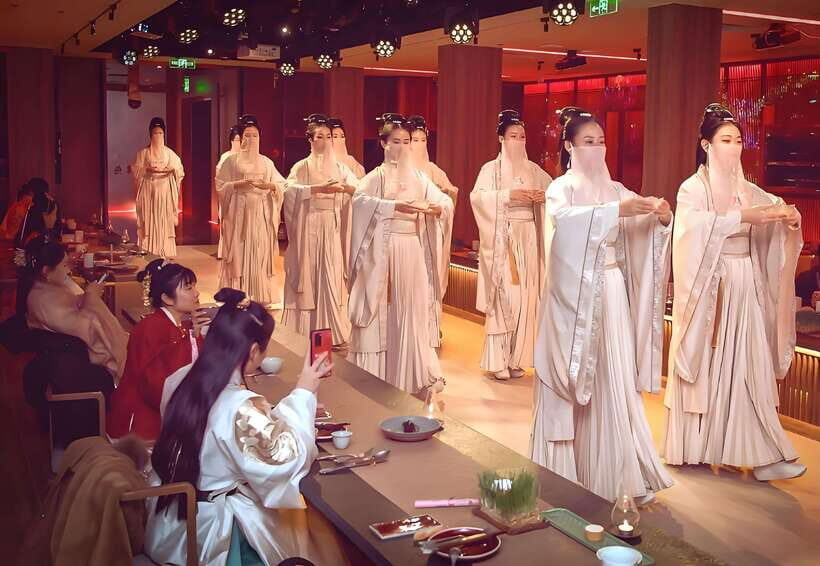
Dinner turns into theatre here. In a classic courtyard setting just 2 kilometers from the Forbidden City, this experience turns a meal into a staged, time-ordered event. You’re not just eating in a fancy room; you’re moving through the evening like chapters in a play.
What I love most is the way the Royal Dining experience and the performance run together in a clear sequence, synchronized with the dishes. I also like that the setting is genuinely atmospheric, tied to an old Qing-era residence tied to Tan cuisine. The one real drawback to plan around: the show is in Mandarin, and dish explanations can feel limited if you’re expecting a full walkthrough in English.
In This Review
- Key things to know before you go
- A Royal Courtyard Just 2 Kilometers From the Forbidden City
- How the 2-Hour Royal Dining and Performance Sequence Works
- Picking Lunch at 12:00 PM or Dinner at 6:30 PM
- The Menu: Appetizers, Desserts, Tea, Meaningful Wine, and a Sea-Cucumber Showpiece
- Why Tan Zongjun and Tan Cuisine Connection Changes the Mood
- Mandarin-First Performance: What You Can Still Enjoy Without Perfect Language
- Photo Stops: White Pagoda Temple and the Upper-Floor Views
- Price and Value: Is $99 for Royal Dining Worth It?
- Who This Experience Fits Best (and Who Might Skip It)
- Getting There Without Stress: Watch the Map Pin
- Final Verdict: Should You Book Beijing Royal Dinning With Cultural Performance?
- FAQ
- How long is the Beijing Royal Dining with cultural performance experience?
- When do the lunch and dinner performances start?
- How early should I arrive?
- What is included in the ticket price?
- What dishes are part of the meal?
- Is there a ticket line to wait in?
- Is the venue wheelchair accessible?
- What ticket should children buy?
Key things to know before you go
- A courtyard 2 km from the Forbidden City: easy to anchor this near major sights, without being stuck in a tourist mall vibe.
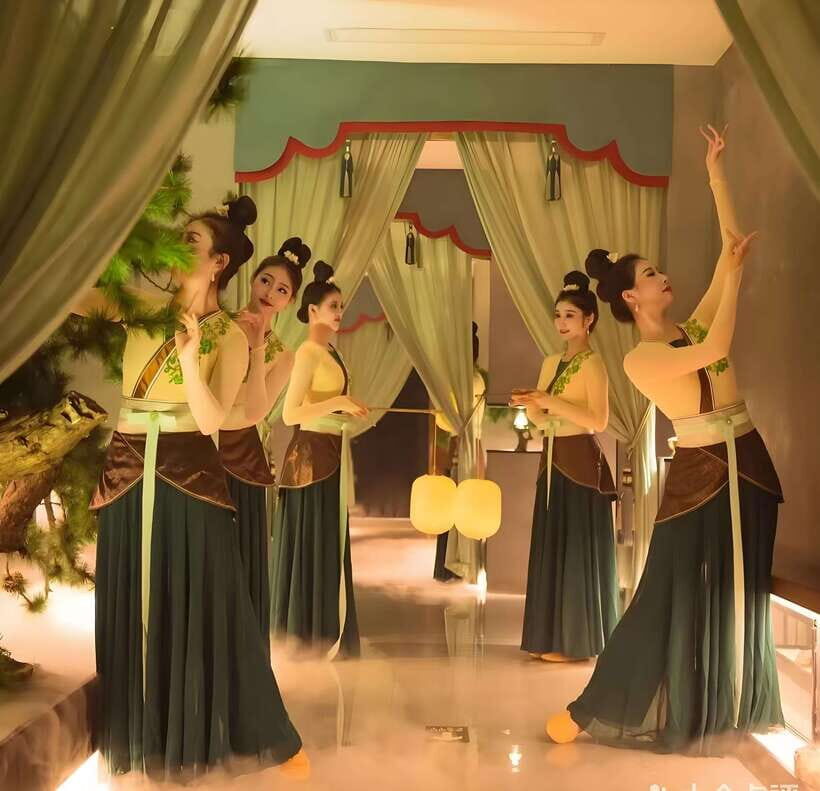
- Chronological storytelling tied to each dish: the performance follows the meal flow, not a random add-on.
- Qing Dynasty connection: the site traces back to Tan Zongjun and the roots of official Tan cuisine.
- Top-floor views for photos: you can see the White Pagoda Temple and the Temple of Emperors of All Dynasties from above.
- A show-first menu: you’ll get appetizers, desserts, tea, and meaningful wine, with sea cucumber and abalone as the main focus.
- Mandarin-first delivery: expect the narrative to be less accessible if you don’t read/speak Chinese.
A Royal Courtyard Just 2 Kilometers From the Forbidden City
Beijing has a lot of “experience dinners” that feel packaged. This one starts with the opposite problem: the setting is so specific and old-school that it gives you something to trust before you even touch a menu.
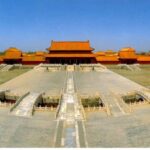
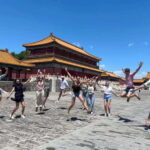
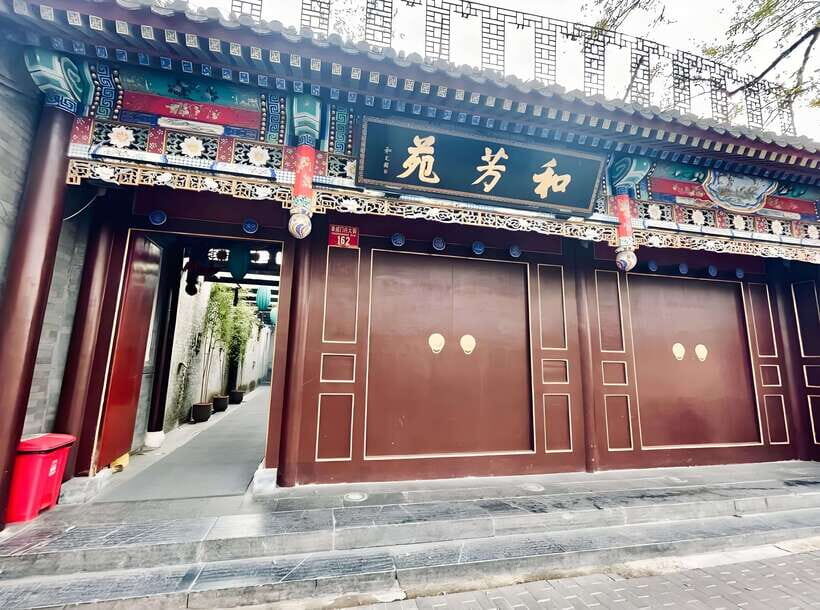
The venue sits in a luxurious courtyard in the city center, and the highlight is the closeness—about 2 kilometers from the Forbidden City. That matters because you can keep your day flexible. You’re not committing your whole schedule to a far-out location. You can do a bit of sightseeing, then come back for the meal-and-show when your energy matches the timing.
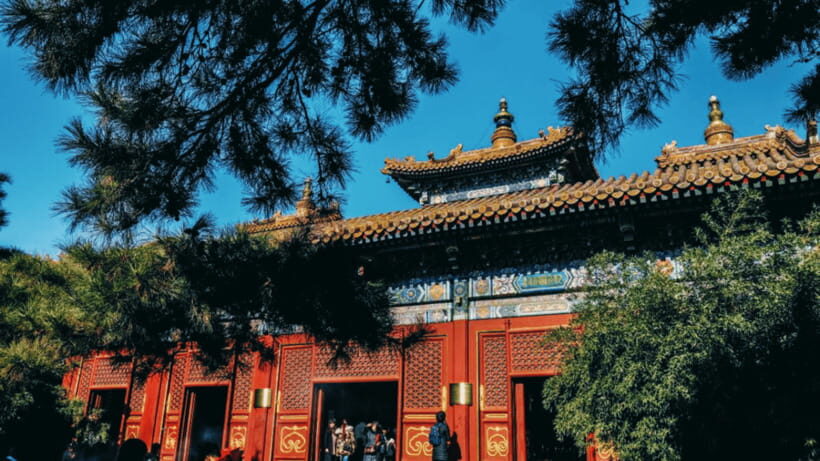
The courtyard keeps the classic layout style, with seasonal changes to the scenery. So even if you’re photographing Beijing monuments all day, you’re also getting a different kind of frame here: roofs, walls, and open-air courtyard views that feel rooted in how Beijing used to be arranged.
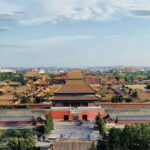
One extra detail I’d pay attention to: the venue includes a top-floor area where you can spot the White Pagoda Temple and the Temple of Emperors of All Dynasties. That makes the experience feel more like a layered neighborhood experience than a self-contained show.
You can also read our reviews of more tours and experiences in Beijing.

How the 2-Hour Royal Dining and Performance Sequence Works
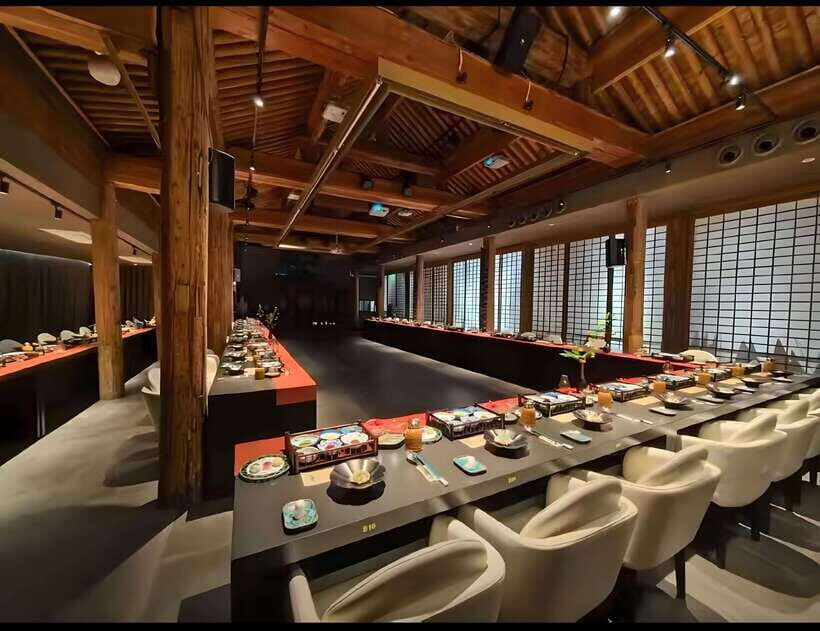
This is a 2-hour experience, built around a single idea: the cultural performance follows the meal. The staging is also chronological, so it doesn’t feel like someone started dancing and hoped your dinner would catch up.
Here’s what that means in practice:
- You arrive before the start time so you’re seated and ready when the story begins.
- Dishes arrive in an order that matches the performance beats.
- Each dish is tied to a story performance element, so the food is presented as part of a bigger narrative.
If you enjoy events where timing matters—like a museum tour with timed rooms—you’ll likely appreciate this structure. It helps you stay engaged even if you’re not following every word. The visual flow does a lot of the work.
If you don’t enjoy formal pacing, this could feel strict. You’re eating inside a designed program, not ordering and wandering freely. But for the price point and the concept (dining + theater), the tight choreography is the point.
Picking Lunch at 12:00 PM or Dinner at 6:30 PM
You have two start times to choose from:
- Lunch performance starts at 12:00 PM
- Dinner performance starts at 6:30 PM
Timing affects your experience more than you might expect. Lunch tends to be better if you want to keep the evening light and you’re already doing sightseeing earlier in the day. Dinner tends to feel more dramatic—more “evening show” energy, and you’ll likely notice the courtyard atmosphere more once it’s darker.
A practical tip: arrive 30 minutes before the scheduled start. This isn’t just for check-in. It gives you time to settle in and look around the courtyard, including the photo-friendly upper-floor views. If you arrive late, you lose the chance to get comfortable before the story begins.
The Menu: Appetizers, Desserts, Tea, Meaningful Wine, and a Sea-Cucumber Showpiece
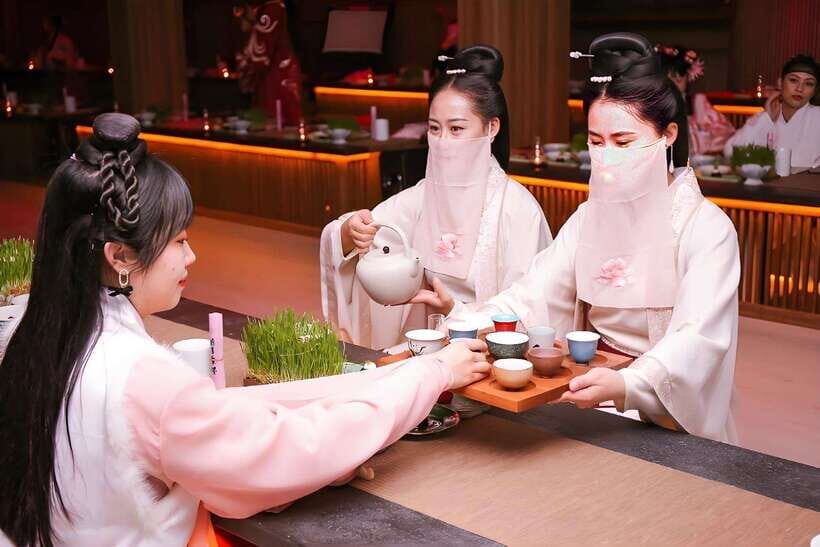
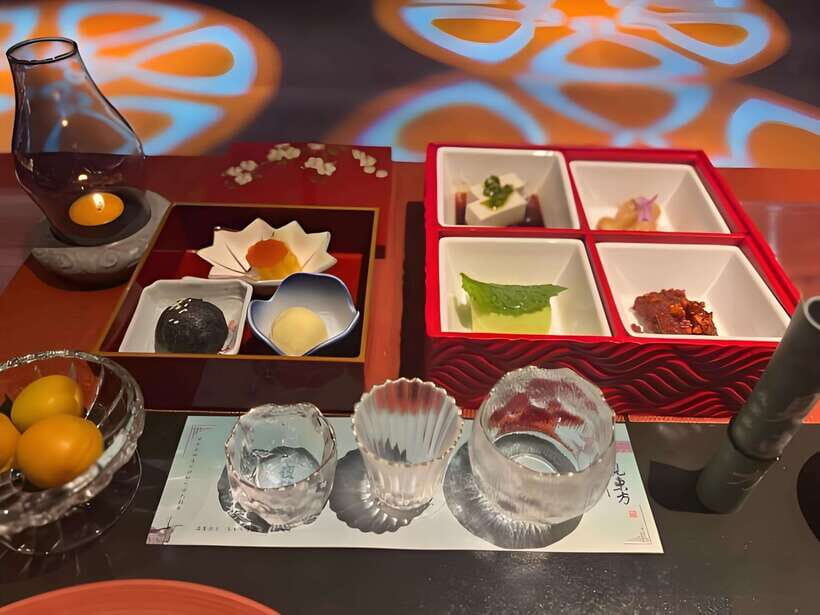
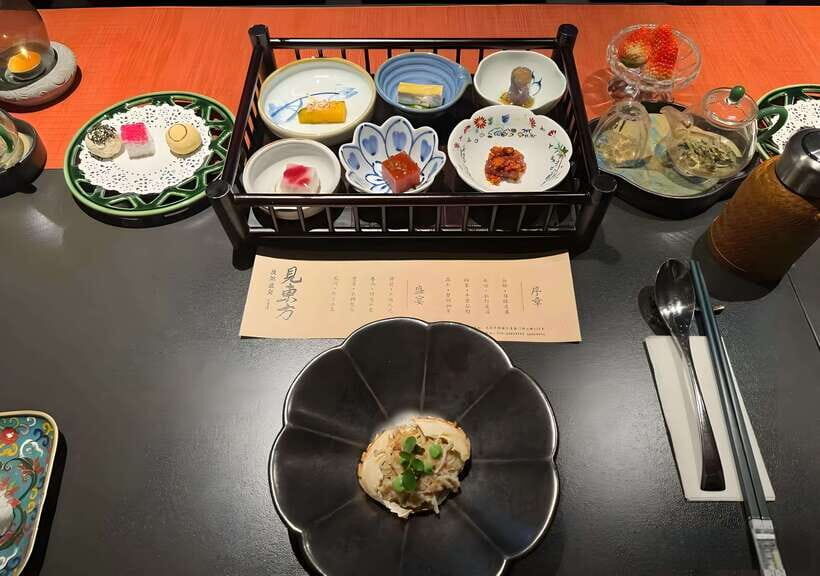
The meal is the centerpiece, and it’s not a “small sampling.” The focus includes a classic luxury duo: sea cucumber and abalone as the main meal.
But the best value here is that it’s not only about the expensive centerpiece. You’ll also get:
- appetizers
- desserts
- tea
- meaningful wine
The sequence matters because it’s meant to land with the performance. In other words, you’re not just eating several courses—you’re experiencing them as parts of a story arc.
What should you expect about flavor? The menu is presented as local and tied to Tan cuisine, so it may land differently than Western tastes. In particular, sea cucumber and abalone are not “safe” flavors for everyone. If you love seafood and rich broths, you’ll probably enjoy the main dishes. If you prefer simple seasoning and familiar textures, you might find some parts challenging.
One more useful point: you’re not guaranteed a full dish-by-dish explanation in English. At least some visitors have felt that they weren’t clearly told what they were eating. If you’re the type who wants to know the ingredients and background while you eat, come prepared with curiosity rather than expectations of a detailed guided tasting.
Why Tan Zongjun and Tan Cuisine Connection Changes the Mood
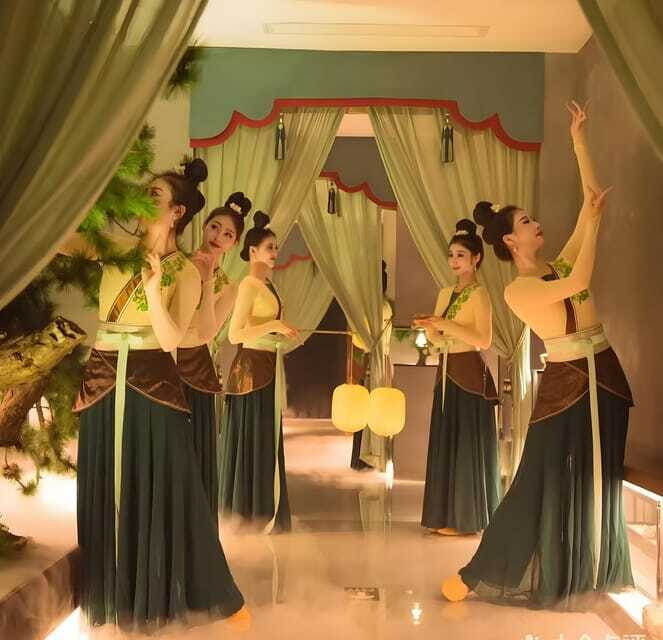
This isn’t a generic “royal theme.” The site’s background adds a layer that helps explain why the event feels so deliberate.
The courtyard was originally the residence of Tan Zongjun, who is noted as the second-place candidate in the imperial examination in the Qing Dynasty. Later, the location developed into the birthplace of official cuisine known as Tan cuisine.
Why should you care? Because it changes how you interpret the experience. Instead of thinking, this is just costumed dinner theatre, you can treat it like a cultural presentation built around a cuisine tradition. Even if you’re not reading every detail, you’ll likely feel that the program is designed to connect food, time, and status—how a cuisine could become formal and official.
That’s also why the performance is synchronized with dishes and delivered in chronological order. The whole system is trying to feel like a historical timeline, not random variety.



Mandarin-First Performance: What You Can Still Enjoy Without Perfect Language
Let’s address the elephant in the room: this show is in Mandarin. Some visitors found it hard to follow because the storytelling is not automatically translated into English in a way that makes every scene understandable.
So what can you do to still enjoy it?
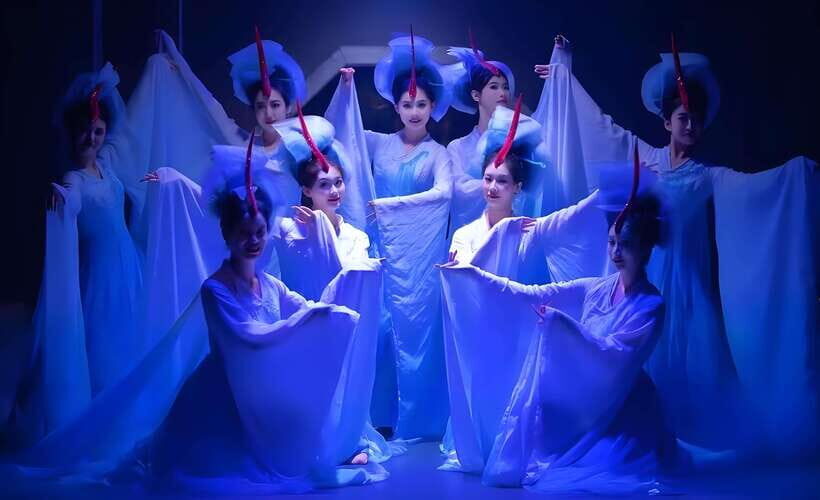
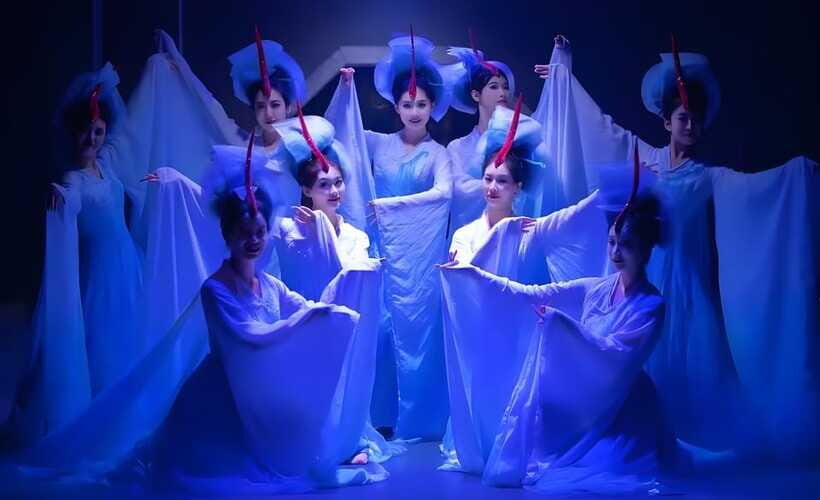
- Focus on the visual cues: costumes, gestures, and the way scenes align to each dish.
- Pay attention to the timing: the performance is synchronized with what lands on your table.
- Let the food do part of the work: even if you don’t catch every line, you’ll still feel the “this dish matters” pacing.
Also, if you’re the kind of person who needs a full verbal explanation of what each dish is and why it’s important, you may end up wanting more. One drawback to take seriously: some people felt they weren’t clearly told what they would be eating.
If you’re comfortable with a cultural show that prioritizes atmosphere over translation, this can still work very well. And if you’re mainly here for a classic courtyard, a choreographed dining sequence, and a stage performance, the Mandarin presentation may not ruin the experience.
Photo Stops: White Pagoda Temple and the Upper-Floor Views
One reason I’d put this on my shortlist even if I’m on a tight schedule is that it has a built-in photo payoff.
You can view the White Pagoda Temple and the Temple of Emperors of All Dynasties from the top floor. That’s a rare advantage for a dinner show. You’re not stuck only at your table.
Add to that the seasonal courtyard changes. Even if you’re visiting in winter or spring, you’ll get a different visual feel from day to day—better than the same set-dressing look in every season.
If you like taking pictures before the show starts, arrive early and take the photos first. Once the program begins, it’s all about the flow.
Price and Value: Is $99 for Royal Dining Worth It?
At $99 per person for a 2-hour royal dining and cultural performance, value comes down to what you want.
You’re paying for:
- the historic courtyard setting
- a choreographed performance synced to a multi-part meal
- a menu that includes luxury seafood items like abalone and sea cucumber
- an event format that feels more like a show than just a restaurant dinner
If you compare this to a normal sit-down restaurant dinner, the “value” isn’t in cost per dish. It’s in cost for an organized, theatrical format where the entire meal becomes part of the performance.
But you should also factor in the potential mismatch:
- If you want detailed English explanations and a lot of guidance, you might feel the experience is too light on verbal clarity.
- If you don’t enjoy seafood textures like sea cucumber, the centerpiece may not make you happy.
Where the value is strongest is for people who enjoy cultural performances, like watching actors tell a story, and are happy to let the food sequence guide the experience even when the language is Mandarin.
Who This Experience Fits Best (and Who Might Skip It)
This tour style fits best if you:
- like formal performances and structured dining
- enjoy Chinese cultural storytelling delivered through stagecraft
- want a luxury meal experience without choosing between food and show
- are excited by the idea of Tan cuisine and the Qing-era connection
It may not be ideal if you:
- need English translation for the majority of the narrative
- dislike a paced, program-driven dinner format
- have strict limits about unusual textures or seafood-based luxury dishes
Also, for families: children under 120 centimeters need a child ticket, and children over 120 centimeters should take an adult ticket. Keep that in mind for planning headcount and expectations.
Getting There Without Stress: Watch the Map Pin
A small but real logistics issue comes up often: the map location can look off. The workaround is practical—when the app pin seems wrong, use the address provided and follow directions through a ride-hailing app. If you’re still unsure, ask locals for help finding the correct spot.
This matters because timing is tight. Since you’re expected to arrive 30 minutes early, you don’t want to gamble on a confusing pin.
Final Verdict: Should You Book Beijing Royal Dinning With Cultural Performance?
If your goal is a courtyard-luxury dinner that feels like theatre, I think it’s worth considering. The location near major sights, the Qing-era context behind the venue, and the fact that the show runs in chronological order synced to the dishes all work together. You’re paying for an event format, not just a meal.
Book it if you’re comfortable with Mandarin-first storytelling, you like the idea of sea cucumber and abalone as the main focus, and you value the theatrical pacing.
I’d think twice if you need extensive English guidance and dish-by-dish explanations, or if you know you’ll struggle with unfamiliar textures. In that case, the experience might feel like you’re watching and eating without fully understanding the narrative.
When it matches your expectations, this is the kind of night in Beijing that turns food into story—and story into memory.
FAQ
How long is the Beijing Royal Dining with cultural performance experience?
The experience lasts 2 hours.
When do the lunch and dinner performances start?
Lunch performance starts at 12:00 PM, and dinner performance starts at 6:30 PM.
How early should I arrive?
Please arrive 30 minutes before the performance starts.
What is included in the ticket price?
It includes the cultural performance and the royal dining experience.
What dishes are part of the meal?
The main meal includes sea cucumber and abalone, along with appetizers, desserts, tea, and meaningful wine.
Is there a ticket line to wait in?
You can skip the ticket line.
Is the venue wheelchair accessible?
Yes, it is wheelchair accessible.
What ticket should children buy?
Children under 120 centimeters must buy a child ticket. Children over 120 centimeters should buy an adult ticket.