REVIEW · BEIJING
Beijing: The Forbidden City or Tiananmen Square Entry Ticket
Book on GetYourGuide →Operated by Andy's private china tours · Bookable on GetYourGuide
Beijing runs on lines, rules, and timing. This ticket experience keeps it simple, with passport-based entry to the Forbidden City and options that can roll into Tiananmen Square and beyond.
I like that it’s flexible, with morning or afternoon tickets, so you can match your day. I also like how easy it is to use just your passport at entry, which saves stress when you’re in a rush.
One thing to consider: the experience can feel a bit quick compared to the Forbidden City’s true scale, especially if you choose the shorter guided approach or stay only for a highlights route. Plan for crowds too, since the palace complex is always in demand.
In This Review
- Key things that make this ticket worth a look
- Entering the Forbidden City without the ticket stress
- Morning vs afternoon: picking the time that matches your energy
- Guided tour or self-guided: what changes in the way you see it
- Forbidden City context you’ll actually notice while walking
- How Tiananmen Square and Mutianyu Great Wall may fit your day
- Crowds and pacing: how to avoid feeling overwhelmed
- Price and value: why a low-cost entry can still be smart
- Practical logistics that make or break entry
- Who should book this Forbidden City entry experience
- Should you book this ticket experience?
- FAQ
- Do I need to bring anything to enter the Forbidden City?
- Can I choose a morning or afternoon entry ticket?
- Is the Forbidden City entry included?
- Can I also include Tiananmen Square and the Mutianyu Great Wall?
- How long does the experience take?
- Do you offer hotel pickup and drop-off?
- What if my travel date changes?
Key things that make this ticket worth a look
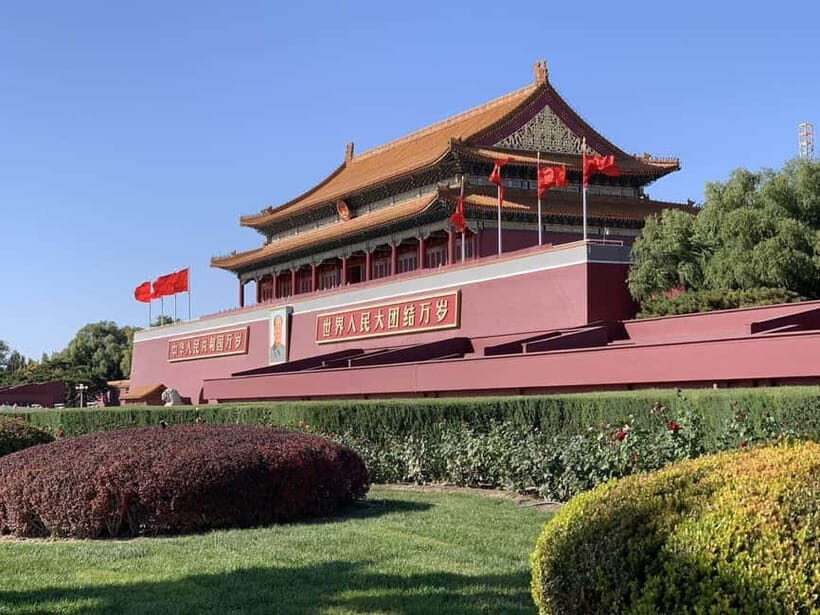
- Passport entry, no extra fuss: bring your passport and use it at the gate
- Morning or afternoon time slots: you can shape the day around your plans
- Guided or self-guided options: choose a pace that fits you
- Optional add-ons: Tiananmen Square and Mutianyu Great Wall are available in some package choices
- Strong on-the-ground support: clear communication via WhatsApp and quick problem-solving show up repeatedly in feedback
Entering the Forbidden City without the ticket stress
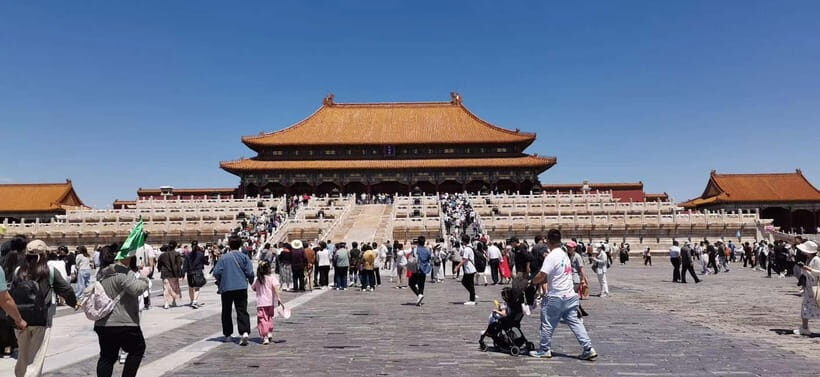
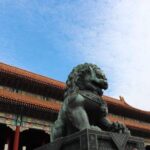
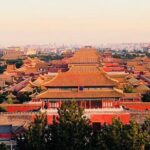
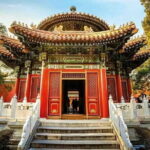
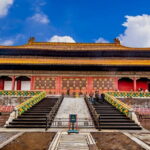
The Forbidden City is the place you go when you want to feel the power and precision of Imperial China. This palace complex sat at the center of government for centuries, home to 24 emperors and their families, and it was built over a tight window in the early 1400s. Today it’s the Palace Museum, holding an enormous collection rooted in the imperial holdings.
What makes this experience practical is how it handles access. You’re not trying to figure out complicated ticket workflows on the spot. In the best-case scenario, it comes down to one straightforward item: your passport. I like that this removes a big chunk of uncertainty. When you’re traveling with jet lag, language barriers, or a tight schedule, fewer moving parts matters.
Another plus: you can pair the Forbidden City with other big-name stops. Some options include Tiananmen Square and even a day extension toward Mutianyu Great Wall, which is handy if you want one organized block instead of piecing together separate bookings.
You can also read our reviews of more tours and experiences in Beijing
Morning vs afternoon: picking the time that matches your energy

This entry experience lets you choose a morning ticket or afternoon ticket, and that choice can change the feel of your whole day.
If you like starting earlier, a morning slot is often your best bet for getting your bearings faster before the crowds reach full volume. The Forbidden City is famous for long queues, but they generally move steadily once you’re in the flow. That said, it can still feel packed. If you’re sensitive to crowds, morning usually feels more manageable than late afternoon.
If you’re the kind of traveler who likes a slow breakfast and a flexible start, the afternoon option can work well too. Just build in breathing room. Even when entry goes smoothly, the palace complex itself covers a lot of ground, and you’ll likely want time to slow down for details.
One more timing note: depending on what you select, your overall duration can range from about 40 minutes to up to 9 hours. That means the experience you end up with can be very different. A shorter option can be a quick tour of the highlights; a longer one can feel like a full day.
Guided tour or self-guided: what changes in the way you see it
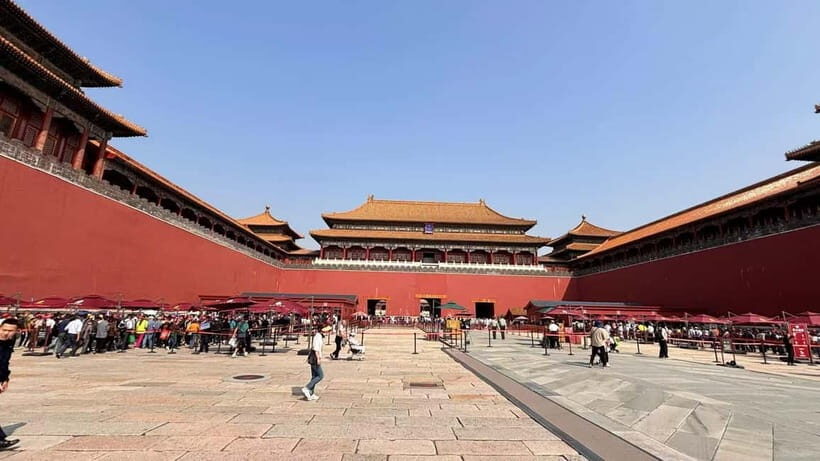
You’ll typically see two main pacing styles available: a guided tour option and a self-guided tour option (with guidance built around a roughly two-hour window for the self-guided track).
A guided tour can help when you want structure. In a place this big and this historically layered, a good guide turns “many buildings” into a story you can follow. In recent feedback, guides such as Anson, Mina, Yoyo, Selina, and Yuly come up often, with people praising clear English and strong explanations. If you like symbolism, building purpose, and historical context, a guide can make the visit feel more meaningful without you needing to research every sign.
A self-guided option can be better if you’re independent and want to set your own pace. You’ll want to pay attention at the start so you know what to prioritize, because the Forbidden City’s scale can surprise you. One recurring comment is that the experience can feel too fast for the amount of space. If you already tend to move slowly through museums and architecture, self-guided (plus extra time) can help you avoid the “rushed highlights” feeling.
Also, there’s an audio tour option mentioned in feedback: you might be able to get an audio tour for 40 yuan. If you choose self-guided, that’s a simple way to add context without joining a full group pace.
Forbidden City context you’ll actually notice while walking
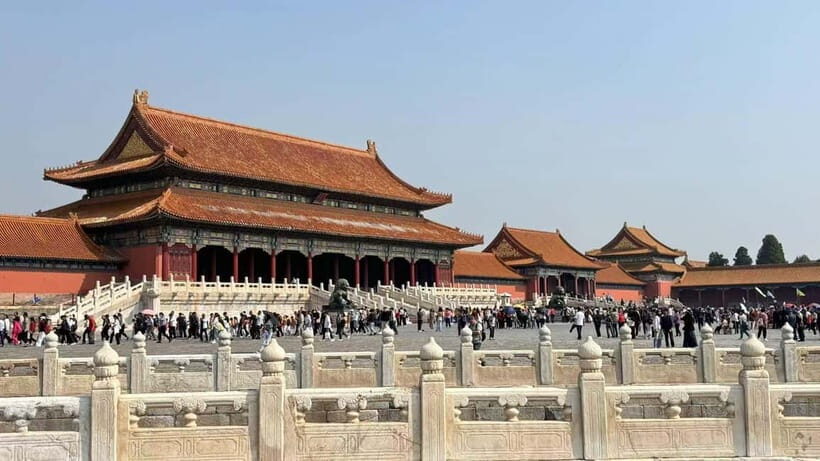
Even with just the basics, the Forbidden City is easier to understand when you keep a few big facts in mind. The palace was built between 1406 and 1420, during the reign of Emperor Chengzu of the Ming Dynasty. It served as the ceremonial and political center of ancient China for roughly 500 years, and it housed 24 emperors across Ming and Qing eras.
Walking through, you start to see how order and symmetry show up in the design. Feedback repeatedly calls out the symmetry and the artistic details. That matters because these aren’t just pretty shapes. The structure helped express authority and hierarchy in everyday ceremonial life.
If you’re the type who likes specific exhibits, there’s one stop you’ll want to remember from feedback: people mentioned the clock exhibits as especially stunning. If you’re even mildly interested in craftsmanship and technical history, carve time for the clock displays rather than rushing past.
The Palace Museum aspect is also key. This isn’t only “palace architecture.” It’s also a major museum built on the former imperial collection, with some of the largest national museum holdings in China. That’s why the visit can feel like a double experience: architecture first, then museum objects that reinforce the setting.
How Tiananmen Square and Mutianyu Great Wall may fit your day
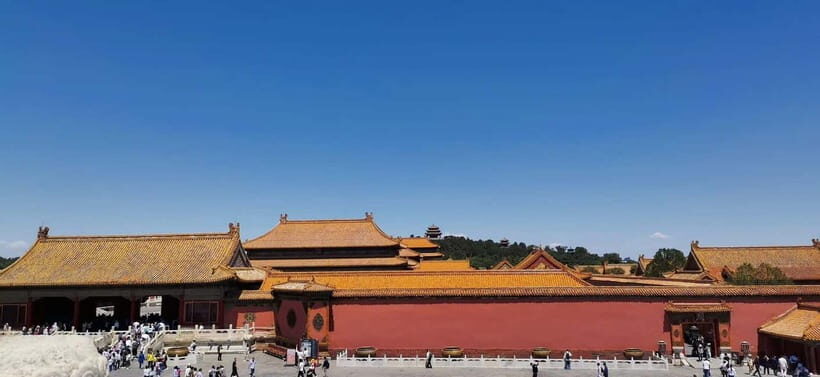
Some ticket options are just for the Forbidden City entry. Others can fold in Tiananmen Square and Mutianyu Great Wall.
If your package includes Tiananmen Square, you’re basically pairing the palace seat of power with the city’s political center outside. It can make your Beijing day feel less like separate attractions and more like a single story arc. Plus, you may be saving time versus booking these parts separately.
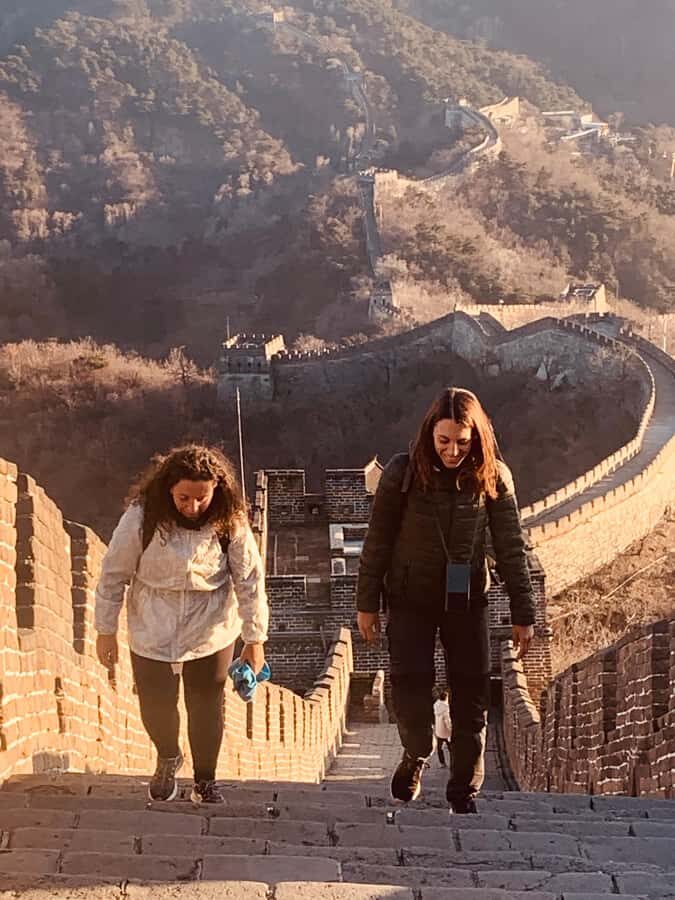
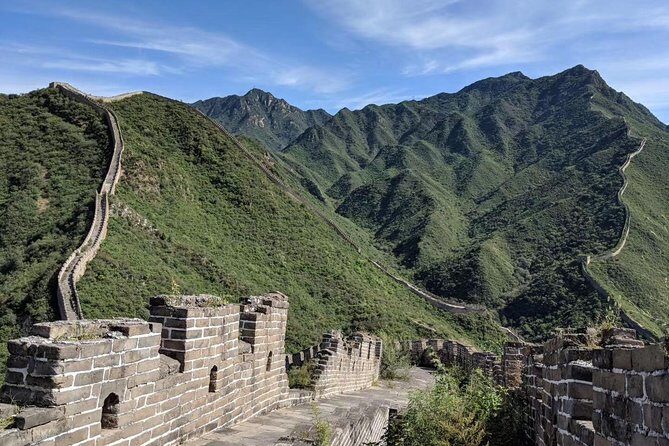
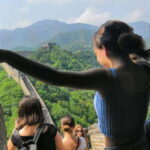
If Mutianyu Great Wall is included in your plan, that’s a major time jump. One reason people like organized combinations is that a full Beijing day can be chaotic when you’re figuring out transport and timing. With packages that include pickup and drop-off, the day can be more controlled.
In feedback tied to the Wall option, the logistics support can be strong—people mention a driver who handles local arrangements and even offers flexible drop-off choices. That’s the kind of detail that matters when you don’t want your day to collapse around transportation.
One caution: longer add-ons can also make your Forbidden City visit feel shorter. If your goal is “see everything,” keep the total plan realistic. You can’t stretch time without cutting somewhere.
You can also read our reviews of more city tours in Beijing
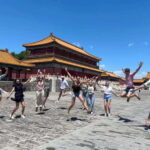
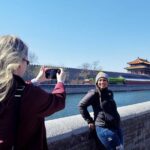
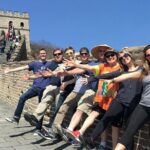
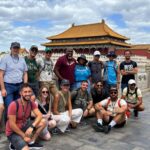
Crowds and pacing: how to avoid feeling overwhelmed
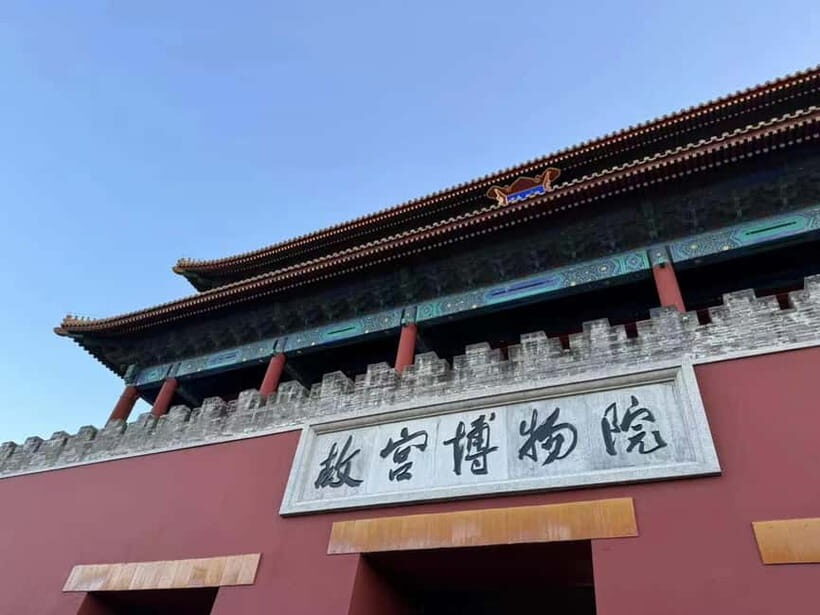
The Forbidden City is famous enough that it will be crowded, often very crowded. Feedback includes a straightforward take: queues can be long, but they typically move quickly once you’re in. Still, once inside, the feeling depends on your pace and your expectations.
This is where you should be honest with yourself. If you want deep, slow exploration—architecture in detail, museum galleries, and time to stop and read—then build your schedule so you can linger. Some feedback notes that the experience felt too fast compared to the Forbidden City’s true size. That’s not a flaw with the ticket itself; it’s a mismatch between time allocation and what the site demands.
Practical ways to handle it:
- Bring enough water and small snacks. One comment explicitly suggests bringing drinks and snacks, which makes sense when you’re walking and waiting in large crowds.
- Expect some areas to feel packed. If you get stressed by tight spaces, plan to pause outside the busiest routes rather than pushing through at all costs.
- If you’re taking photos, treat it like “shot planning,” not constant shooting. The best shots often require waiting for a clear moment.
Weather matters too. One person visited during rain and still found it worth it. That suggests you should come prepared in general. In big outdoor-to-indoor transitions, being able to stay comfortable can keep you enjoying the day instead of counting minutes until shelter.
Price and value: why a low-cost entry can still be smart
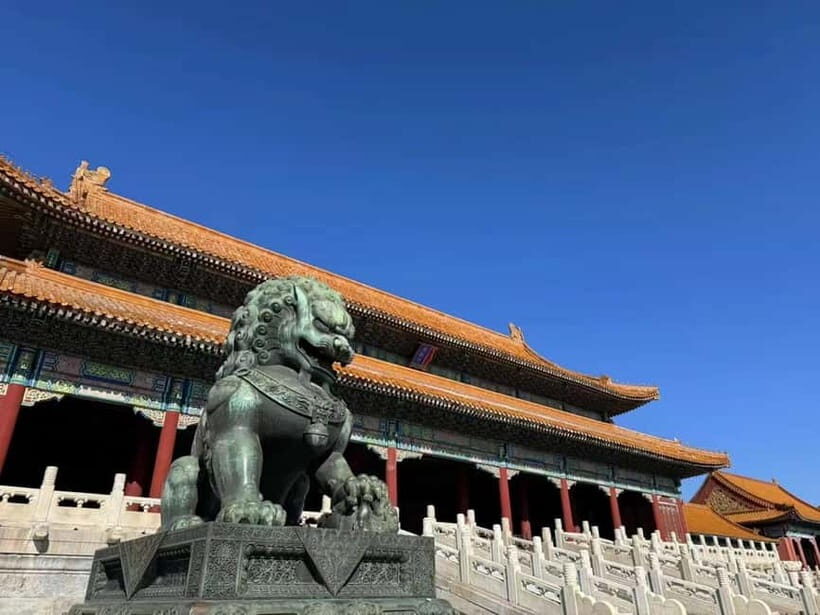
The stated price is $4.52 per person, which is strikingly low for a top-tier, high-demand attraction ticket. But the real value depends on which option you choose.
If you select the Forbidden City entry ticket portion, you’re paying mainly for access—plus the booking service charge. The advantage is that you’re reducing the friction of buying tickets on the ground when availability is tight and procedures can be unfamiliar.
If you add on Tiananmen Square and Mutianyu Great Wall, the package value usually comes from the bundled organization: entry plus additional sights, and sometimes hotel pickup and drop-off. That’s where the “cheap ticket” idea expands into “paid to reduce your stress.” For many travelers, that trade-off is worth it because transport and timing mistakes in Beijing can cost more than a ticket.
One more value angle: support. Feedback mentions fast help when ticketing issues pop up, with guidance that can save your day. If you’re traveling during busy seasons or you’ve run into problems with phone-number-based booking systems, this kind of support can be the difference between a smooth entry and a lost afternoon.
If you want to maximize value, match the package to your priorities:
- If you mainly want Forbidden City access, choose the Forbidden City option and plan extra time inside.
- If you want a full-day sightseeing block, choose the add-ons and accept that you’ll trade some depth for coverage.
Practical logistics that make or break entry
Before you book, there’s one detail that’s not optional: you need to provide your name and passport number, and make sure the passport numbers are correct. Because tickets are tied to passport information, small mistakes can create delays or prevent smooth entry.
Also, you shouldn’t plan on changing your travel date. The tour data says the travel date cannot be changed after booking because online tickets sell out quickly. So double-check your calendar before you commit.
Meeting points can vary depending on your selected option, so read your confirmation when you get it. This isn’t just “be at the right place.” In a busy city, showing up early reduces stress and lets you start the day calmly instead of sprinting.
A helpful detail: multiple comments point to the experience working well with just showing the passport. That’s a comforting simplifier. But still, keep your passport secure and accessible, because that single document is the key to entry.
Who should book this Forbidden City entry experience
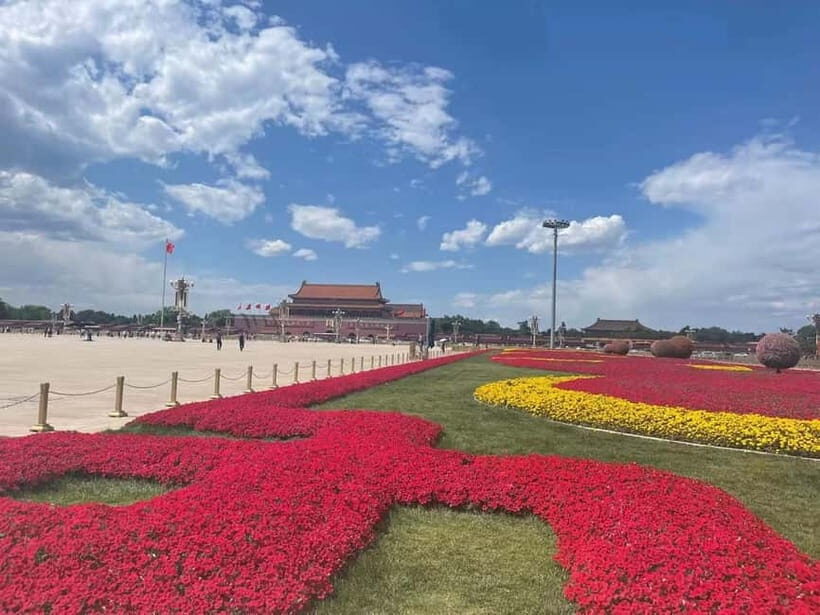
This is a good match if you:
- Want a straightforward way to secure Forbidden City entry with minimal on-the-ground ticket hassle
- Like having a choice between guided and self-guided pacing
- Prefer flexible ticket timing, with morning or afternoon options
- Plan to see more than one big Beijing site and want those pieces handled as a block
It may not be the best fit if:
- You want a slow, ultra-detailed day with zero time pressure. In that case, you’ll need to choose a longer structure or plan extra time beyond the shortest guided pacing.
- You dislike crowds and you tend to get overwhelmed by busy museum environments. The Forbidden City is popular; you’ll feel that.
If you do go for it, I’d focus on one decision: how much structure do you want? If you want context and symbolism explained, pick the guided option. If you want control and a slower rhythm, go self-guided and consider adding the audio option.
Should you book this ticket experience?
I’d book it if you value easy entry, clear communication, and avoiding ticket-buying stress. The passport-based access is the standout practical win, and the option to choose morning or afternoon helps you shape the day instead of forcing it.
Skip booking only if you already have a ticket nailed down through your own method and you’re confident you won’t need backup support. In the kind of high-demand environment the Forbidden City creates, having responsive help can matter more than saving a few dollars.
If your plan includes Tiananmen Square or Mutianyu Great Wall, the combined options can be a smart way to keep your day organized. Just be realistic: more sights usually means less time per stop.
FAQ
Do I need to bring anything to enter the Forbidden City?
Yes. The experience is designed so you can enter using your passport. When you book, you also need to enter your name and passport number, and make sure it’s correct.
Can I choose a morning or afternoon entry ticket?
Yes. You can pick either a morning or an afternoon ticket.
Is the Forbidden City entry included?
It depends on what option you select. If you choose the Forbidden City entry ticket option, it’s included.
Can I also include Tiananmen Square and the Mutianyu Great Wall?
Some package options include Tiananmen Square and Mutianyu Great Wall. If you select that option, they’re included.
How long does the experience take?
Duration can vary by option, from about 40 minutes up to 9 hours. Self-guided options are described as a roughly two-hour experience.
Do you offer hotel pickup and drop-off?
Hotel pickup and drop-off are available if you select the option that includes it.
What if my travel date changes?
The travel date cannot be changed after booking because tickets sell out quickly.