REVIEW · BEIJING
Ming Tombs Admission Ticket
Book on GetYourGuide →Operated by PANDA144 experience · Bookable on GetYourGuide
Stone emperors, quiet and immense. This ticket lets you walk one of China’s most impressive royal burial paths—the Sacred Way—and then move into serious history with underground palaces at Dingling. I’m especially fond of how the site mixes architecture, stone sculpture, and artifacts into one long, walkable day.
One catch: the tombs are spread out. With electric carts not included, you’ll want a plan for getting between areas, especially if you’re bouncing among Changling, Dingling, and Zhaoling.
On the plus side, entry can be straightforward with a QR code system—so you spend your time seeing marble and timber, not sorting paperwork at the gate.
In This Review
- Key things to know before you go
- Ming Tombs: where the Ming emperors rest in a full royal complex
- Getting in smoothly: passport details and a QR code at the gate
- The Sacred Way: stone statues that earn your time
- Changling (Emperor Yongle): the showpiece you’ll remember
- Hall of Eminent Favor: nanmu pillars and a roof built for ceremony
- Dingling (Emperor Wanli): the underground palace you can actually enter
- Zhaoling (Emperor Muzong): restored splendor and a quieter feel
- A day that makes sense: timing, transport, and value for $19
- Who should book this Ming Tombs admission ticket?
- So, should you book it?
- FAQ
- What does the Ming Tombs admission ticket include?
- Where are the Ming Tombs located?
- Which emperors’ tombs can I see?
- Is Dingling open to visitors, and is it underground?
- What is the Sacred Way?
- Do I need a passport for this activity?
- Are electric carts included?
- Is the site suitable for children?
Key things to know before you go
- Changling (Emperor Yongle) is the big statement tomb in the whole complex
- Dingling (Emperor Wanli) is the main underground palace open to the public
- The Sacred Way’s stone carvings are the best place to slow down and look closely
- Hall of Eminent Favor stands out for its double-eaved roof and golden nanmu pillars
- Transport between tombs matters, since they’re far enough that walking alone can be a slog
- Your passport details are part of booking, so double-check names and passport numbers
Ming Tombs: where the Ming emperors rest in a full royal complex
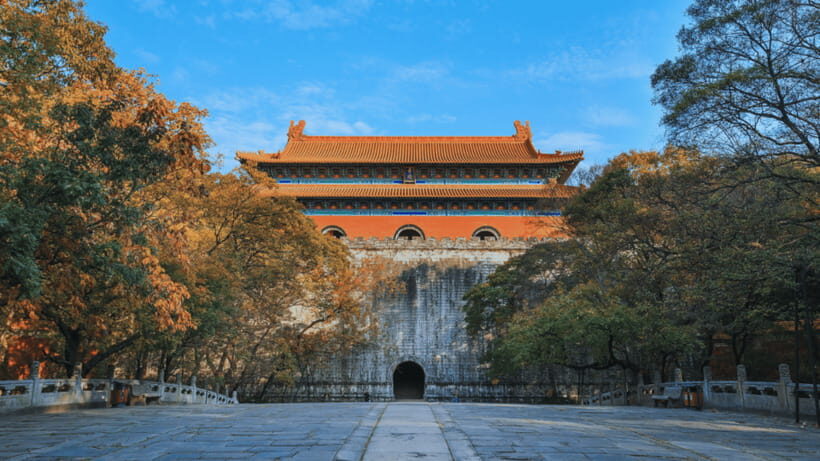
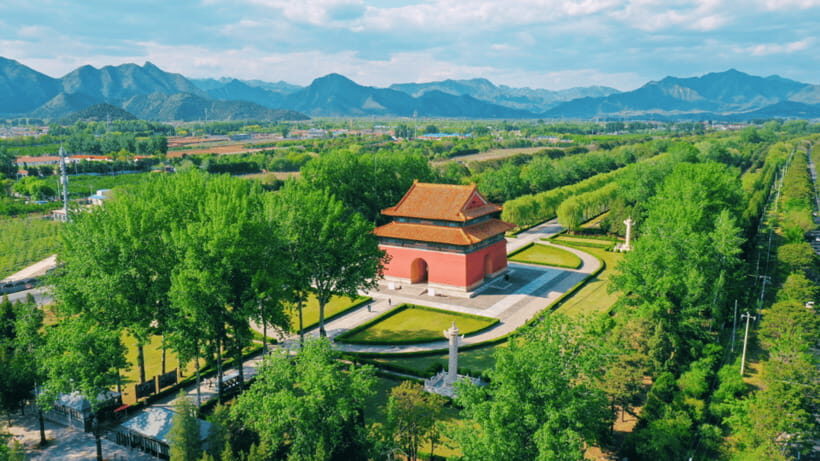
The Ming Tombs sit about 50 kilometers north of Beijing, in Changping District, at the southern foot of Tianshou Mountain. This isn’t just one grave site—it’s a whole imperial burial complex tied to the way the Ming rulers staged authority in stone, axis lines, and ceremony.
What makes this visit worth your time is the scale and the layout. You’ll see the grand design that connects tombs through processional space, plus the mix of open-air halls and preserved structures. And because the complex is known for grand scale, complete layout, and well-preserved structures, you get a clear sense of how the emperors wanted this place to be remembered.
You’ll also notice how nature and construction work together. The setting under Tianshou Mountain gives you a different feel than you get in the city—more space to breathe, more room for the sculptures and gates to do their work.
You can also read our reviews of more tours and experiences in Beijing
Getting in smoothly: passport details and a QR code at the gate
This ticket is built around fast, date-based entry. The key practical point is that you should plan your booking with care because the reservation requires your full name exactly as on your passport, plus your passport number. If those details aren’t provided on time, the booking can be canceled.
Once your details are correct, the on-the-ground experience can be quick. One of the most praised parts of the visit is that you’re not stuck waiting around with a complicated check-in—you enter using a QR code that’s provided in advance of your visit.
My advice: don’t assume your ticket will work without confirming the key details first. Make sure you pick the correct date/time when you book, and be ready to show the required ID. And since there have been cases where staff questioned validity based on the address on the booking info, I’d treat the written location details as something you should verify before you leave Beijing.
The Sacred Way: stone statues that earn your time
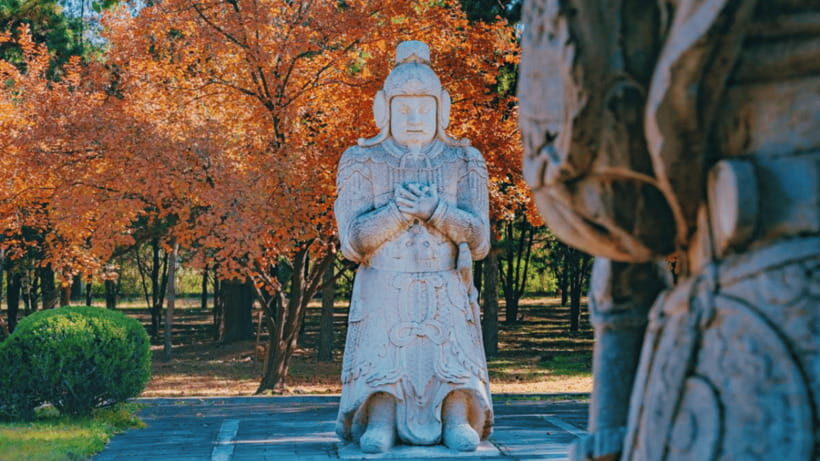
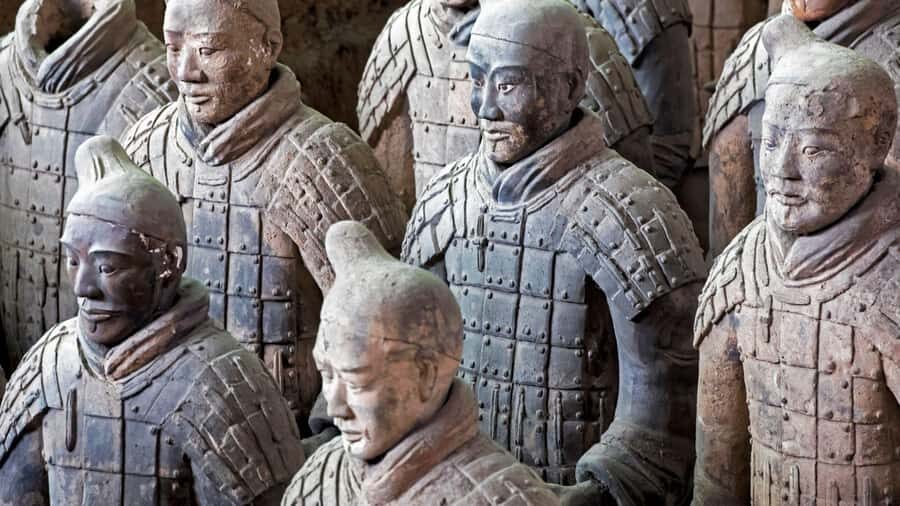
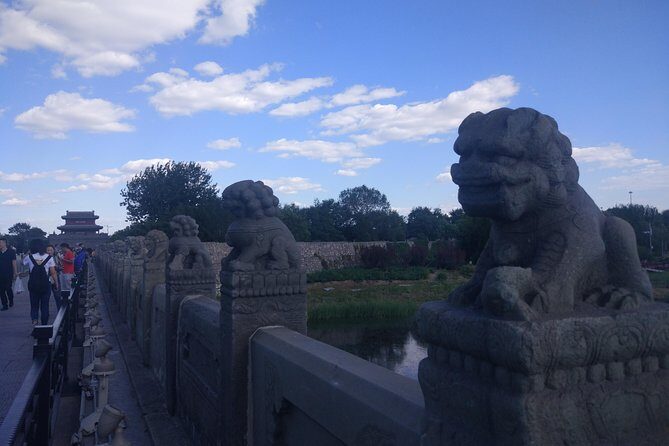
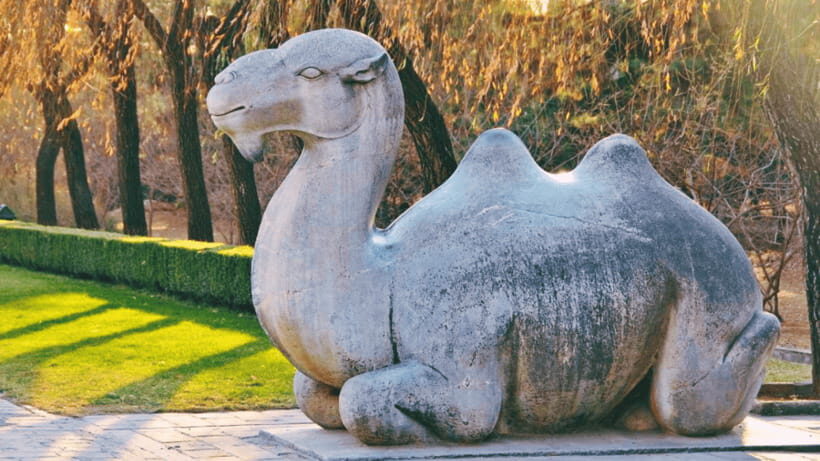
If you only had time for one segment, the Sacred Way is where I’d focus. It’s the main processional path connecting the tomb areas, lined with intricate stone carvings and lifelike sculptures. This is where you slow down, not sprint.
The reason it’s so effective is simple: it’s designed to be walked. Even if you’re not a hardcore sculpture fan, the repetition of shapes, postures, and detailing creates a rhythm. You start noticing how Ming artisans translated power and belief into stone bodies—weight, stance, and facial expression all matter here.
Look carefully at the carvings rather than trying to photograph everything at speed. In person, the stonework reads differently—closer to craftsmanship than to a distant landmark. It also gives you a strong “why this place exists” feeling before you step into the tomb halls and the underground spaces.
Changling (Emperor Yongle): the showpiece you’ll remember
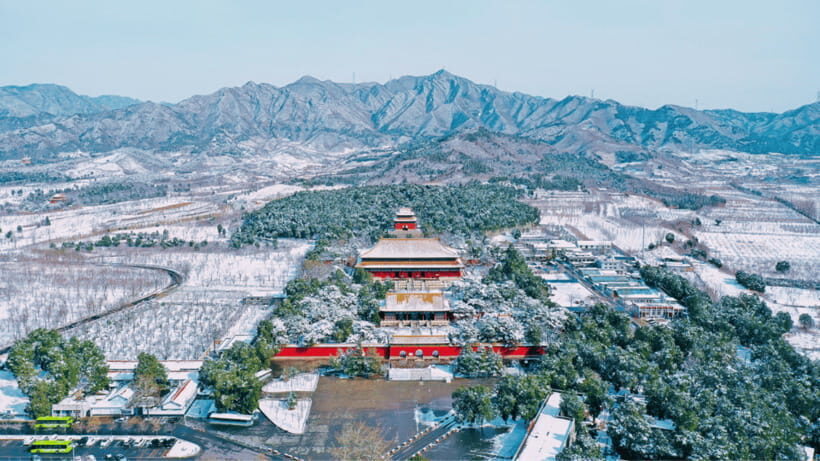
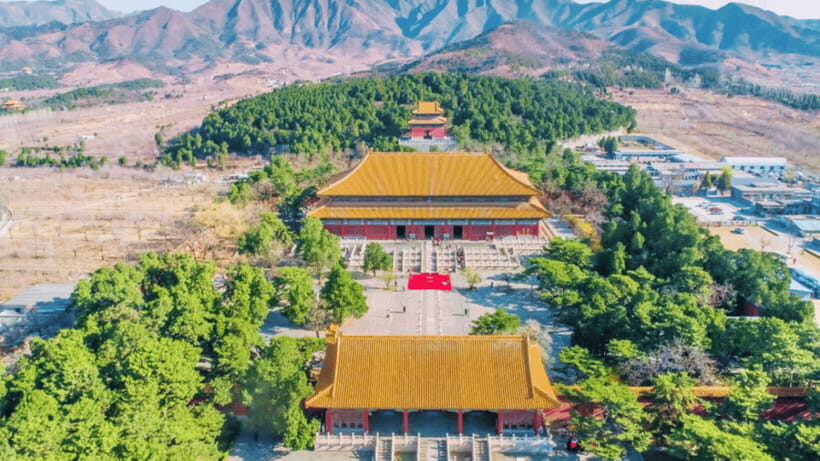
Among the Ming Tombs, Changling is often singled out as the largest and most impressive. It’s the tomb of Emperor Yongle (Zhu Di), and it’s the kind of place that makes the whole complex feel real.
At Changling, you’ll see the seriousness of imperial planning: the spacing, the scale of the buildings, and the sense that you’re walking through a carefully controlled landscape rather than wandering around ruins. If you like architecture, you’ll appreciate the way the structures hold form and still look designed for ceremony, not just storage.
One practical note: Changling is commonly paired with the other major sites on the same day, but you’ll still need a reasonable plan for moving between areas. The complex is spread out enough that transport can make the difference between a relaxed day and a rushed one.
Hall of Eminent Favor: nanmu pillars and a roof built for ceremony
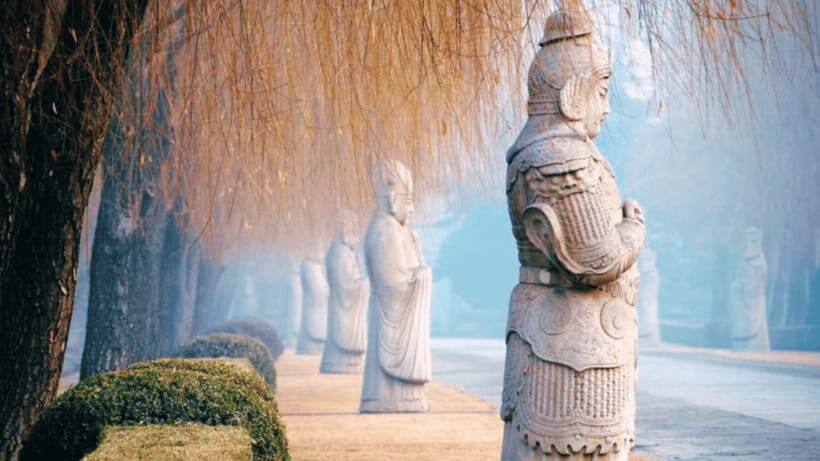
At the Ming Tombs, the Hall of Eminent Favor is described as the only remaining hall of its kind. What caught my attention in the details is the combination of roof design and materials: it has a double-eaved roof and precious golden nanmu pillars.
Even if you’re not an architecture expert, these words matter when you stand in the space. A roof like that isn’t just a cover—it’s a statement about style, status, and the way Ming court design treated building as symbol. And the nanmu detail matters because it signals the kind of materials the imperial system was willing to use for major structures.
This is also a good place to pause and reset your expectations. After walking the Sacred Way with its stone guardians, you move into spaces where visual impact comes more from structure and craftsmanship than from sculpture alone. The hall helps you connect the exterior grandeur to what life and ceremony were supposed to feel like.




Dingling (Emperor Wanli): the underground palace you can actually enter
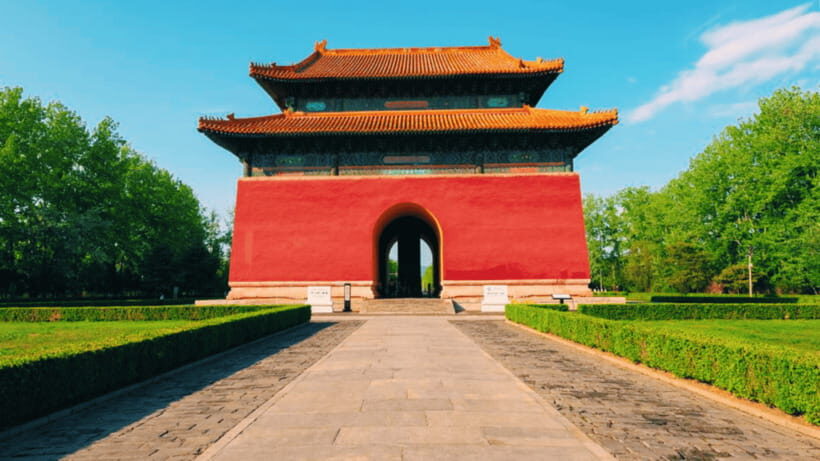
Dingling is the tomb of Emperor Wanli—and it’s special because it includes the only underground palace opened to the public. That one detail changes the whole emotional tone of the visit. You go from standing in open-air grandeur to experiencing the Ming approach to architecture beneath the surface.
Underground spaces tend to feel different for a simple reason: they tighten your sense of scale. You’re not just looking at buildings; you’re moving through engineered space that was made to be hidden. It’s a reminder that these emperors planned for a world beyond visibility.
If you’re trying to decide what to prioritize, Dingling is the one I’d circle. It’s the clearest “you can’t get this anywhere else” element in the ticket options. And because it’s underground, it can also be a helpful break if the outdoor walking has already tired you out.
Zhaoling (Emperor Muzong): restored splendor and a quieter feel
Zhaoling is the tomb of Emperor Muzong, and it’s noted as having been restored to show the splendor of a Ming imperial mausoleum. Restoration matters here because it affects how clearly you can read the site. Instead of only guessing what a structure looked like, you get a more readable sense of the original design language.
I like Zhaoling as a counterpoint to the other major stops. After the biggest-scale tomb segments, restoration can feel like a different kind of satisfaction: you’re comparing what you learned from the Sacred Way and the halls to a site that shows its features more clearly.
It can also be a good choice if you want your day to have a little breathing room. The overall complex is busy enough that you’ll likely move at a steady pace, but Zhaoling can feel like a calmer moment to focus on form and craftsmanship.
A day that makes sense: timing, transport, and value for $19
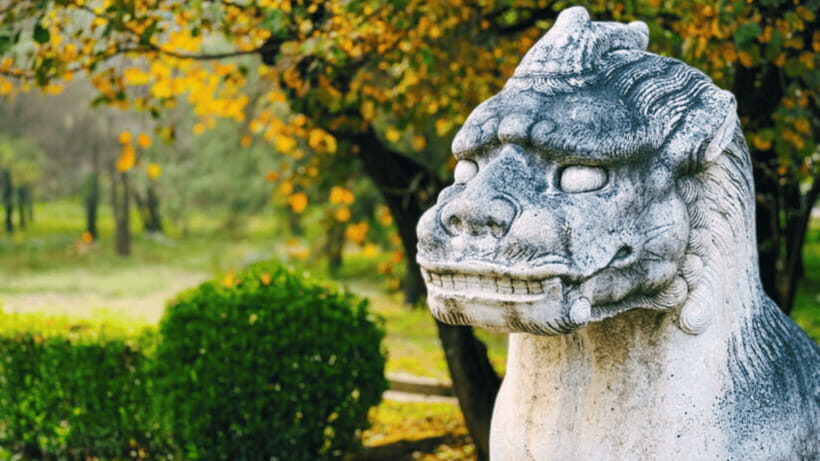
The ticket is priced at $19 per person and designed for a 1-day visit. For that price, what you’re really buying is access to multiple major components of the complex: the mausoleums and the Sacred Way segment, plus historical site exhibits and viewing of ancient architecture.
Value-wise, the key is choice. Depending on your option, you may cover Dingling + Changling + Zhaoling + the Sacred Way. If you can line up your day to hit the major tombs, you’ll feel like you used your ticket in the best possible way. If your option is limited, you’ll want to make sure you’re still including the elements you care about most—Sacred Way for sculpture and processional design, and Dingling for the underground palace.
Now for the part that can make or break the day: distance between tombs. The tomb areas are far enough that you’ll likely need a vehicle. Electric carts exist but are not included with the ticket and require an extra fee. One approach that works well in practice is hiring a driver on-site to shuttle you between the tomb sites efficiently, then getting back to Beijing (often via metro) after you finish.
If you’re planning your own route, think like this:
- Start early to protect time and energy.
- Use the Sacred Way as your anchor experience.
- Then cluster the tombs together so you’re not constantly repositioning.
Who should book this Ming Tombs admission ticket?
This is a great fit if you like imperial architecture, stone sculpture, and hands-on historical sites where the buildings are the main attraction. It’s also good for independent travelers who want to explore at their own pace while still getting access to major highlights.
It’s less ideal if you’re traveling with kids under 18, because the experience is listed as not suitable for children under 18. And if you hate walking or you don’t want to coordinate transport between spaced-out areas, you may find the day harder than it looks on paper.
If you’re someone who likes to see the “whole system” of a historical site—not just one monument—this complex is made for you. You get processional space, major tomb architecture, and the special underground palace, all within one ticketed experience.
So, should you book it?
I’d book this admission ticket if you want a focused, high-value day around Changling, Dingling, Zhaoling, and the Sacred Way (based on the option you pick). The structure of the site makes it easy to turn a ticket into a real experience: walk the Sacred Way, then chase the emperor-specific tomb highlights that make each stop distinct.
Before you buy, do three things to protect your day:
- Confirm your date/time and that your passport name and number match exactly what’s required.
- Plan for transport between tombs, since walking alone can be a stretch.
- Re-check the location details in your confirmation so you’re not left figuring out where to go once you arrive.
If you do those basics well, this is one of Beijing-area heritage visits where the craftsmanship shows up fast—and the scale makes the ticket feel worth it.
FAQ
What does the Ming Tombs admission ticket include?
It includes admission to Ming Tomb historical sites, with access to major tomb areas such as Dingling, Changling, Zhaoling, and the Sacred Way depending on your ticket option. It also includes viewing of ancient architecture and access to cultural and historical exhibits.
Where are the Ming Tombs located?
The Ming Tombs are in Changping District, about 50 kilometers north of Beijing, at the southern foot of Tianshou Mountain.
Which emperors’ tombs can I see?
You can visit tombs connected to 13 Ming Dynasty emperors, with highlighted stops that include Emperor Yongle at Changling, Emperor Wanli at Dingling, and Emperor Muzong at Zhaoling (depending on the option you select).
Is Dingling open to visitors, and is it underground?
Yes. Dingling is described as the only underground palace opened to the public.
What is the Sacred Way?
The Sacred Way is a pathway connecting the tomb areas, lined with stone statues and carvings. It’s part of what’s included with the ticket depending on your option.
Do I need a passport for this activity?
You should bring your passport. Also, booking requires your full name as it appears on your passport and your passport number.
Are electric carts included?
No. Electric cart usage is not included and requires an additional fee.
Is the site suitable for children?
It is listed as not suitable for children under 18.