REVIEW · BEIJING
Great Wall of China at Mutianyu Full-Day Tour Including Lunch from Beijing
Book on Viator →Operated by Hantang International Travel Service · Bookable on Viator
Early morning makes the wall feel quiet.
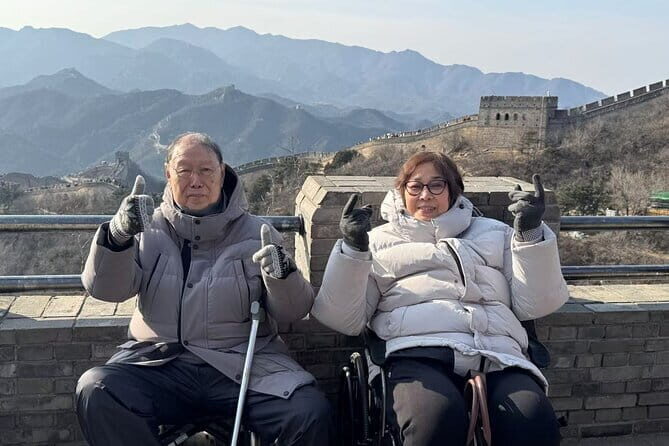
This full-day trip is built around Mutianyu Great Wall (steeper and older than Badaling), with an English-speaking guide explaining how the wall worked and why the setting looks the way it does. I love that you get hotel pickup and drop-off, plus a real Chinese lunch that keeps the day from feeling like nonstop transportation. The one thing to consider: part of the schedule includes souvenir stops that some people find a bit sales-heavy, and the time on the wall can feel tight if you want to wander slowly.
If you’re the type who wants good views without fighting the biggest tour lines, this is a smart fit. And yes, you’ll climb plenty—Mutianyu is famous for stairs—so good shoes matter more than good intentions.
In This Review
- Quick hits
- Mutianyu Great Wall: Why this section feels different
- The 7:30 a.m. start: getting out of Beijing without stress
- Walking the wall: what the 1,400 steps actually mean
- Steep hills, watchtowers, and where the views come from
- Cable car and chairlift options: saving energy for photos
- Lunch, craft stops, and the souvenir reality check
- Tour guides and the difference good storytelling makes
- Value for $79: what you’re really buying
- Who this tour suits best (and who should consider another option)
- Practical tips to make the day feel smooth
- Should you book this Mutianyu full-day tour?
- FAQ
- How long is the Mutianyu Great Wall full-day tour from Beijing?
- Is hotel pickup and drop-off included?
- What time does the tour start?
- Is admission to the Great Wall included?
- Do you get lunch?
- How much time do you spend at Mutianyu?
- Is the cable car included?
- What’s the total price?
- Is there free cancellation?
Quick hits
- Mutianyu’s defensive watchtowers and parapets: 22 towers along a 2,250-meter stretch, plus the highest tower sits 540 meters above sea level.
- A steeper, older Great Wall experience than Badaling, with outer and inner parapets to notice as you hike.
- English-speaking guidance that helps you read the wall instead of just taking photos.
- Lunch included as part of a longer day that runs about 7 hours from Beijing.
- Optional cable car choices on-site (own expense), handy if you want to save energy for photos.
Mutianyu Great Wall: Why this section feels different
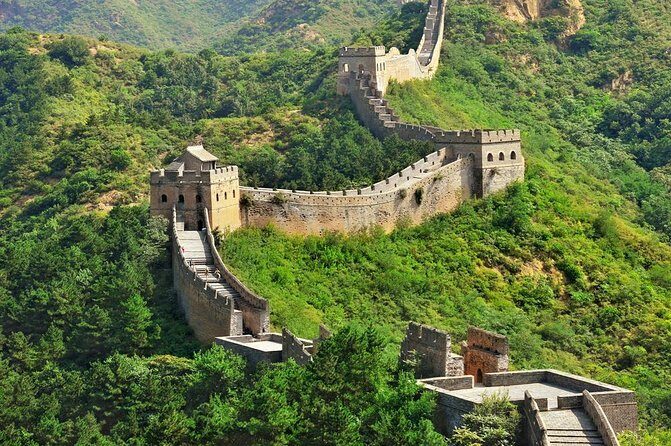
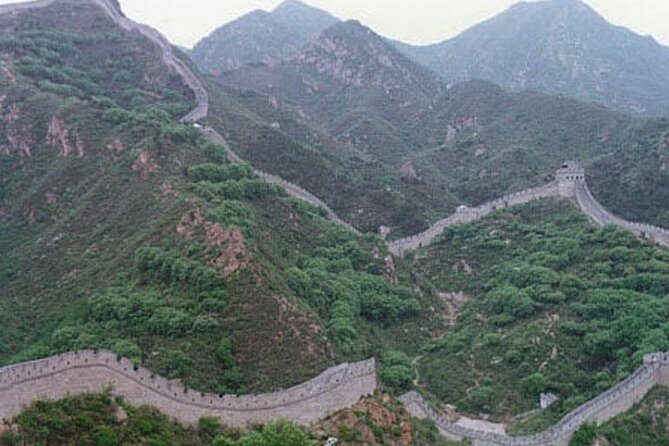
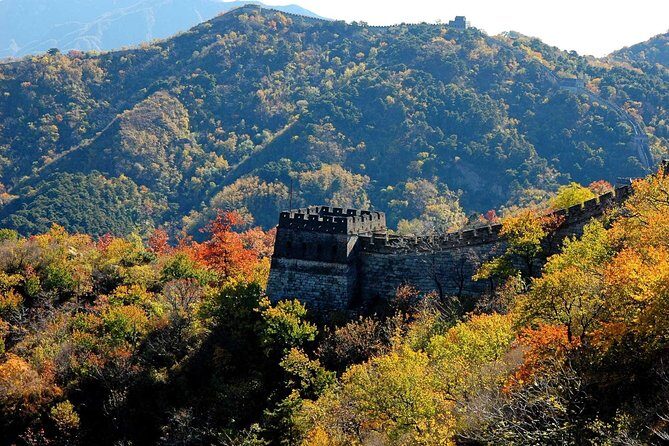
Mutianyu is the Great Wall for people who like their landmarks with some muscle. Compared with the more famous Badaling area, this section is described as steeper and challenging, which is exactly why it often feels less hectic and more satisfying. You’re not just walking on a flat postcard ridge; you’re moving through a defensive landscape that curves with the terrain.
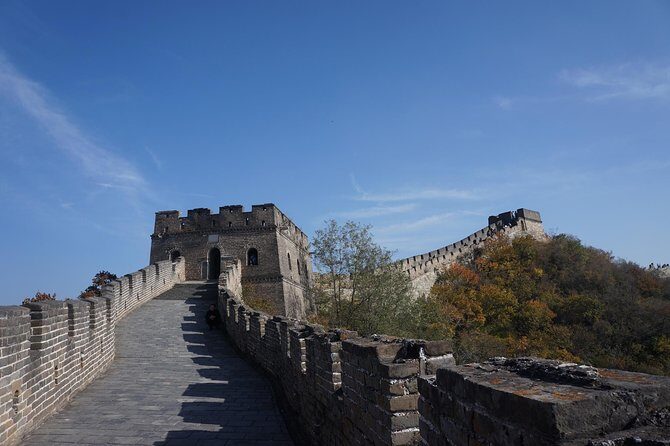
What helps is the wall’s engineering details. You’ll see parapets and defensive watch structures rather than only a continuous wall line. Mutianyu runs about 2,250 meters, and it includes 22 watchtowers. That number matters because it hints at how active this stretch was. It wasn’t a passive monument—it was built for communication, spotting, and control.
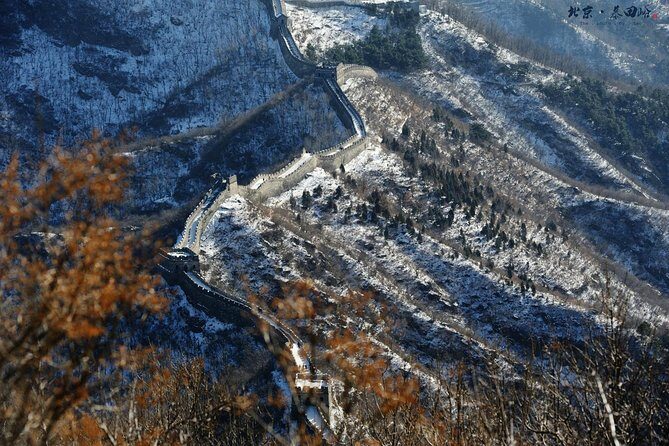
One bonus I’d plan around: the scenery changes fast by season. Spring brings flowers, summer is lush and green, winter can cover the wall in snow, and autumn is when leaves and fruit color really do the work for your photos. If you care about visuals, timing your visit matters as much as picking your “best” tower.
You can also read our reviews of more tours and experiences in Beijing

The 7:30 a.m. start: getting out of Beijing without stress
This tour leaves early, with a 7:30 am start. That matters more than you might think. You’re heading out from Beijing in a comfortable, air-conditioned vehicle, and leaving early is usually how you avoid the worst crush before you even reach the gates.
Pickup is practical, too. If your hotel is within the 4th ring circle highway, pickup and drop-off are included. If you’re outside that area, you’ll join the tour from Prime Hotel. That’s a clean rule—no guessing which hotel stop is yours, just follow the pickup point your confirmation specifies.
Expect a full day pacing. The listed total duration is about 7 hours, but that includes time for the drive both ways plus stops along the route. If you’re the kind of person who wants to “arrive, look, leave” with zero waiting, you’ll still have a schedule. The good news is it’s organized to give you the main climb window and not just dump you at the site with no context.
Walking the wall: what the 1,400 steps actually mean
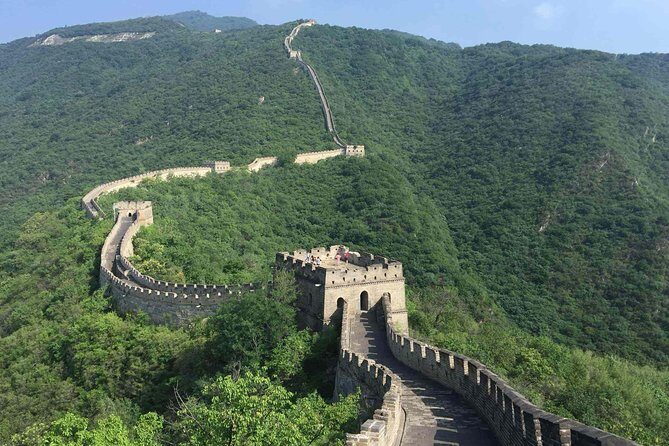
At Mutianyu, you’ll begin ascending with more than 1,400 steps leading you toward the top. This is not a stroll. Even if you’re in decent shape, you’ll feel the stair rhythm. The route is steep enough that you’ll likely want to stop for breaks, take a few photos, then keep moving.
The wall also includes both outer and inner parapets, which gives you visual clues as you go higher. On some sections, you can spot how the design creates defensive layers—part wall, part structure, part lookout. Your guide’s job here is to translate those stones into something you can understand on the move.
Time on the wall is about 2 hours, with admission included. That’s a respectable window, but it’s also why smart planning matters. If you want to explore multiple viewpoints and linger for photos, you’ll need to be efficient. If you’re okay with choosing a few strong vantage points (and you’re comfortable climbing), two hours can feel like the perfect sweet spot.
Steep hills, watchtowers, and where the views come from
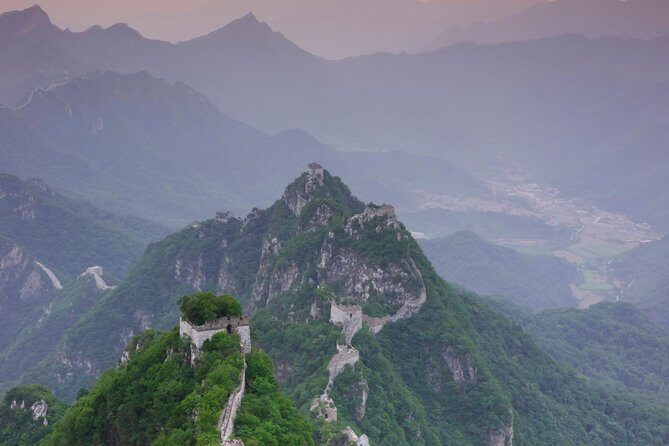
Mutianyu is surrounded by woodland and streams, and that matters because the wall doesn’t sit in a vacuum. The terrain gives you depth—valleys, changing angles, and framed views as the wall rises and bends.
The highest watchtower on this stretch is noted as being 540 meters above sea level, which helps explain why your perspective changes as you climb. As you gain height, you’re not only seeing the wall; you’re seeing how far the landscape extends. That’s usually what makes the effort feel worth it.
In practical terms: start early in your hike so you’re at the viewpoints when the light is still friendly. If it’s cold, you may want to dress in layers. You’ll work up heat climbing, then cool down quickly once you pause and start taking photos.
Also, don’t forget to look sideways. It’s tempting to stare up at the next tower, but the best moments often happen when you turn your head and notice how the wall threads through the natural terrain.
Cable car and chairlift options: saving energy for photos
This is a tour where you can choose your own level of effort. An optional cable car ride is available on-site at your own expense. Some departures also guide people toward chairlift-style options and faster ways back down, depending on conditions and what’s running.
Here’s how to think about it: if you’re short on time, tired in the legs, or traveling with someone who doesn’t love stair climbing, the cable car can help you spend more time looking rather than just recovering. If you enjoy the climb, you can still use it strategically—take the lift up or use it for the descent so you’re not wiped out by the end.
If you hate the feeling of rushing, plan for the fact that any lift option can shift your timing. It’s smart to go with the flow your guide suggests, but keep your own preference in mind: you want enough energy left for at least a couple of top views.
You can also read our reviews of more tours and experiences in Beijing
Lunch, craft stops, and the souvenir reality check
After the wall climb, you’ll eat a Chinese-style lunch, included in the price. This part is genuinely important for value. A wall day can turn into expensive trial-size snacks if lunch isn’t covered. Here, you’re fed as part of the schedule, and that helps you stay comfortable for the full return trip.
Then comes the less-loved part for some people: craft and shop stops. The day includes a stop where you can browse cloisonné enamelware items for souvenirs, and multiple departures also include tea and jade-related presentations (some days include a tea tasting and jade-making viewing). In the best-case scenario, this is a fun cultural pause that adds meaning to what you’ve seen—how heritage objects are made, how local industries work.
In the less-great-case scenario, these stops can feel like you’re being moved through showrooms with pressure to buy. That shows up in the feedback as “too much time spent selling opportunities.” If you’re sensitive to pushy sales, I’d set a mental rule for yourself before you go: look for what you want, buy only if it truly feels worth it, and don’t let the sales pitch steal your energy.
A practical tip: if you’re interested in craft work, treat it like a museum stop—ask questions, watch the process, and leave when you’re done. If you’re not, keep it short in your head and save your attention for the wall.
Tour guides and the difference good storytelling makes
The guide is the key to turning a climb into a story. This tour uses professional English-speaking guides, and the style tends to be friendly, structured, and packed with on-the-spot context—history, how the wall was used, and what to notice around you.
Names come up again and again in feedback: Mary, Jenny (and Jenny/Jennifer), Wendy, Michael, Vanessa, Lisa Liu, and Lee. The common thread is that the best guides in this style are patient on pace and clear on explanation. You’ll often get more value if you ask simple questions like what each watchtower was for or why this section looks different than others.
At the same time, not every group experience matches every expectation. Some people wish the guide stayed with them more during the actual wall walk for extra on-site storytelling. The takeaway for you: if you want more narration while you’re hiking, ask your guide to point out specific things as you approach key towers or parapets. Most guides will respond well if you speak up early.
Value for $79: what you’re really buying
At $79 per person, you’re paying for more than a ticket to a famous site. You’re paying for the structure: hotel pickup and drop-off (within the 4th ring), an English-speaking guide, admission, lunch, and a managed day that otherwise would take effort to assemble on your own.
Your biggest “value check” is how the schedule matches your priorities:
- If you want an organized day with a guided climb and lunch handled, the price feels fair.
- If you want maximum unstructured time at the wall and zero retail stops, this might feel more expensive than it looks.
I’d also compare this to the hidden costs of building it independently: transport, tickets, and translation help. Having all of that bundled makes the day simpler, especially if you’re only in Beijing for a short time.
Who this tour suits best (and who should consider another option)
This works best for you if:
- You want the Mutianyu section specifically, not just another Great Wall stop.
- You’d rather handle steps with a plan than worry about directions.
- You like having cultural stops (tea and craft) as bonus experiences, as long as you’re okay with some souvenir shopping.
You might want to look elsewhere if:
- You’re very sensitive to sales pressure and prefer your sightseeing to be purely site-focused.
- You need long, slow wandering time on the wall itself. The wall window is about 2 hours, and part of the schedule is spent elsewhere.
- You only want the big “wall viewpoints” and none of the extra stops. This day isn’t built to be minimal.
For most people, the sweet spot is clear: climb with guidance, take in a few major viewpoints, eat a proper meal, then head back without wrestling with logistics.
Practical tips to make the day feel smooth
A Great Wall day is a workout disguised as a landmark, so pack like it. Comfortable walking shoes are the first order of business. You’ll be on stairs for the climb, and you’ll want traction if it’s cold or damp.
Timing helps: since the trip starts early and aims to avoid peak crowds, you’ll benefit from showing up on time for pickup and keeping your schedule tight around the on-site window.
If cold weather is in the mix, layer up. You’ll warm up climbing, then cool down while standing and taking photos. Bring gloves if you get cold hands—simple gear saves your enjoyment.
And one small mindset shift: treat the souvenir stops as optional cultural pauses, not the “main event.” Your main event is Mutianyu, with its steep climb, watchtowers, and views.
Should you book this Mutianyu full-day tour?
Book it if you want a guided, organized day with hotel pickup, admission, lunch, and a steeper Mutianyu experience that’s famous for great views with fewer crowds than the busiest areas. The English-speaking guide and the way the walk is framed make it easier to understand what you’re seeing, and the included lunch is a real comfort-value win.
Skip or choose carefully if you’re hoping for a purely site-only Great Wall day. Some departures include extra craft and shop stops, and the time on the wall is limited enough that you’ll want to move with purpose if you care about multiple viewpoints. Set your expectations: you’re booking a full-day “experience package,” not just a couple hours of free roaming.
If Mutianyu is on your list and you want the day handled end-to-end, this is a solid choice.
FAQ
How long is the Mutianyu Great Wall full-day tour from Beijing?
The tour runs for about 7 hours (approx.).
Is hotel pickup and drop-off included?
Yes. Pickup and drop-off are included for hotels within the 4th ring circle highway. If your hotel is outside that area, you join from Prime Hotel.
What time does the tour start?
The start time is 7:30 am.
Is admission to the Great Wall included?
Yes. Admission tickets are included.
Do you get lunch?
Yes. The tour includes a Chinese-style lunch.
How much time do you spend at Mutianyu?
You’ll have about 2 hours at Mutianyu, including the admission ticket.
Is the cable car included?
No. The cable car on the wall is not included, and it’s listed as an optional add-on at your own expense.
What’s the total price?
The price is $79.00 per person.
Is there free cancellation?
Yes. You can cancel up to 24 hours in advance for a full refund, and the experience may be offered a different date or a full refund if canceled due to poor weather.