REVIEW · BEIJING
Beijing: Highlights of Forbidden City+Options Tour
Book on Viator →Operated by beijingtourcompany · Bookable on Viator
This visit goes straight to the heart of Beijing’s power. You’ll walk the major stages of the Forbidden City, starting at the Meridian Gate and finishing at the Gate of Divine Prowess, with an English-speaking guide who helps you see what you’re looking at (not just what it’s called). I like that you get a clear route through the site’s big wooden palace complex, and you also get context for how the rules of court life worked.
What I’d call the best parts are the guaranteed-entry tickets and the way the guide turns complicated architecture and traditions into plain language. One thing to think about: it’s a tight 4-hour window that includes time moving between sites, so you won’t have long stretches to wander alone.
In This Review
- Key takeaways
- Why this Forbidden City tour is built for real life
- Who it’s a good fit for
- Meridian Gate: starting where the rulebook begins
- Practical tip
- The Hall of Great Harmony and the Three Harmony concept
- Why this stop is so valuable
- Middle and Preserving Harmony: rehearsal and exams
- The tradeoff
- Palace of Heavenly Purity and the imperial harem: power you can picture
- What to look for
- Imperial Garden: not just pretty, but designed
- Gate of Divine Prowess and the exit strategy
- Tiananmen Square timing: iconic Beijing without the whole day
- Price and value: what $30 really buys you
- When it’s worth it
- Meeting up, moving around, and the pace you should expect
- Guides and what you can hope they’ll do
- What’s not included (so you don’t get surprised)
- Should you book this Forbidden City highlights tour?
- FAQ
- How long is the Forbidden City highlights tour?
- What’s included in the price?
- Are Tiananmen Square and Forbidden City tickets included?
- Do I need separate tickets for the Jewelry and Clock museums?
- Is hotel pick-up and drop-off included?
- Will I get a mobile ticket?
- Is there free cancellation?
Key takeaways
- Guaranteed tickets with a mobile ticket so you can skip a lot of ticket stress
- Small group size (max 12) for questions without feeling lost in a crowd
- Three Harmony Halls explained in order, so the whole power system clicks
- Qing imperial harem details, including what daily life looked like
- A smooth finish at the Gate of Divine Prowess, plus Tiananmen Square timing
Why this Forbidden City tour is built for real life
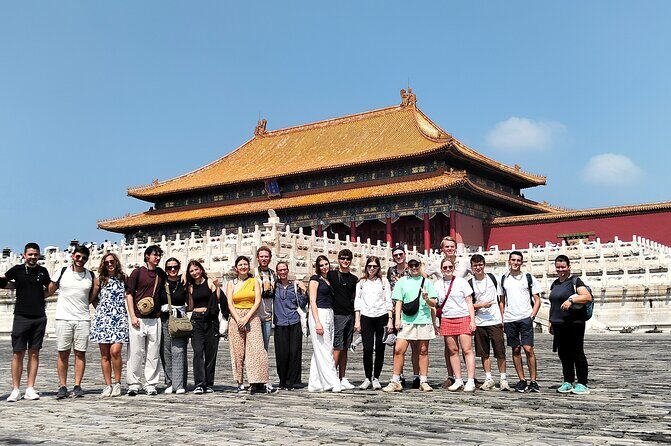
The Forbidden City can feel like a maze if you show up with only a guidebook. Buildings repeat, names sound similar, and it’s easy to miss what mattered to the people who lived and ruled there. This tour is structured to keep you oriented: you move through the most important ceremonial spaces, then shift to the more personal/administrative rooms that explain how the court functioned.
You’re not just buying entry. You’re buying someone to connect the dots. The group is limited to 12 travelers, and the guides focus on practical storytelling—like how to rank the architecture, what each hall signaled, and why the layout was designed the way it was.
You can also read our reviews of more city tours in Beijing
Who it’s a good fit for
This works well for first-timers, families with kids, and anyone who wants the highlights without turning the day into a ticket-and-line scavenger hunt. If you’re short on time but want the big ideas behind the place, this is a strong option.
Meridian Gate: starting where the rulebook begins
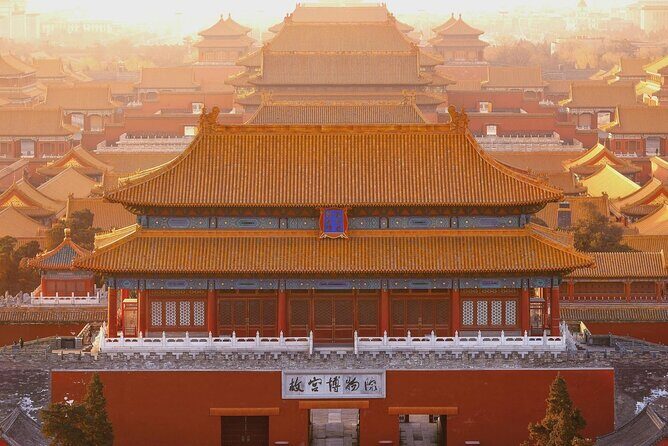
You begin at Meridian Gate (Wu Men), the ceremonial entrance that marks the start of the Forbidden City complex. The story here matters: the Forbidden City was constructed during the Ming Dynasty, with the main build dated from 1406 to 1420, and it functioned as the world’s largest wooden palaces complex—so yes, you’re walking into a designed system, not random buildings.
This first stop is the right moment to get your bearings. The guide’s job is to help you understand why this gate isn’t just an entrance. It’s the kind of place where the idea of order shows up in stone and ceremony. Once you understand that, the rest of the halls make more sense as you move inward.
Practical tip
Wear shoes you can walk in comfortably. Even on a guided route, you’ll still do plenty of inside walking over uneven steps and long corridors.
The Hall of Great Harmony and the Three Harmony concept

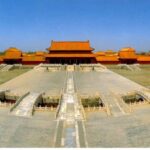
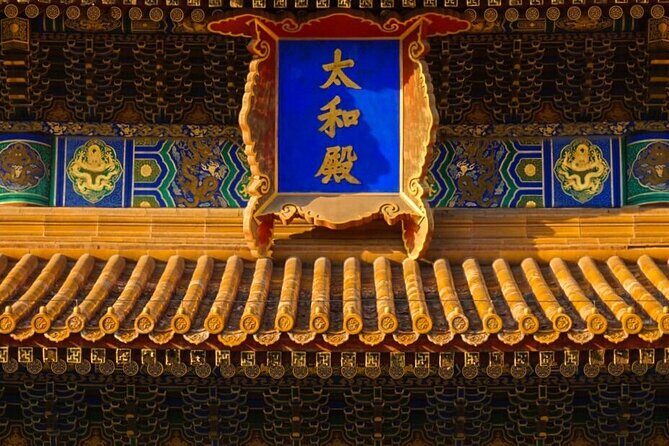
Next come the harmony halls, where the Forbidden City shows its “top tier” meaning. The big one is the Hall of Great Harmony (Taihe Dian), and you’ll learn about the three harmony halls together rather than treating them like separate stops.
This is where the architecture explanation becomes useful. You’ll hear about the ranking system used in imperial building design—how importance was expressed through size, placement, and layout. That turns the sightseeing from memorizing names into understanding hierarchy.
At the Hall of Great Harmony, you also get a clear sense of ceremonial duty: what these spaces were meant for and how they supported the emperor’s role in the state’s message.



Why this stop is so valuable
If you only visit one “main hall,” you’ll still enjoy it. But understanding the three-hall idea makes the complex feel planned. It’s the difference between seeing buildings and seeing a system.
Middle and Preserving Harmony: rehearsal and exams
The route continues to the Hall of Middle Harmony (Zhonghe Dian), a place tied to imperial preparation—described here as the spot for rehearsals. Then you move to the Hall of Preserving Harmony (Baohedian), where imperial exams were held.
This pairing is more than a speed stop. It reminds you that court life wasn’t only ceremonies and pageantry. The emperor’s world included governance, staffing, and the selection of officials. The exam connection gives you a human thread: the empire’s future was being tested and decided here, not just displayed in grand rituals.
The tradeoff
The stops at the middle and preserving halls are shorter, so you won’t have time to linger in every corner. But that’s the point of the route—keep moving so the bigger structure stays clear.
Palace of Heavenly Purity and the imperial harem: power you can picture
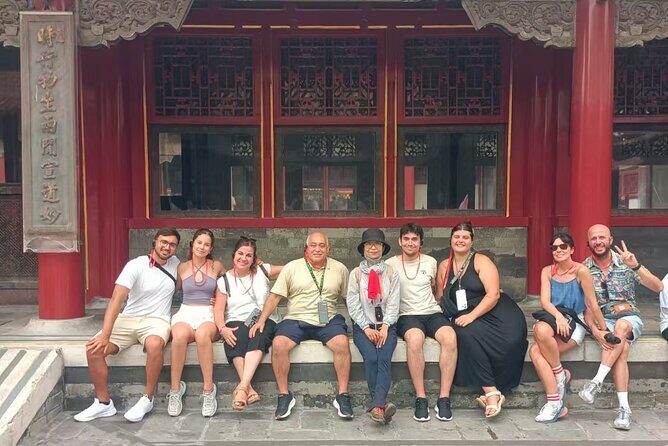
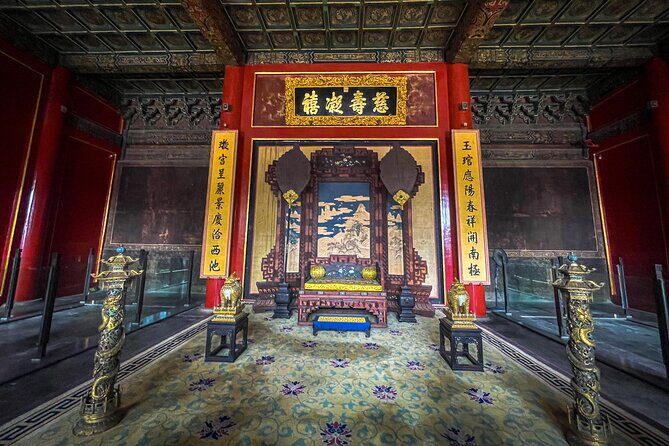
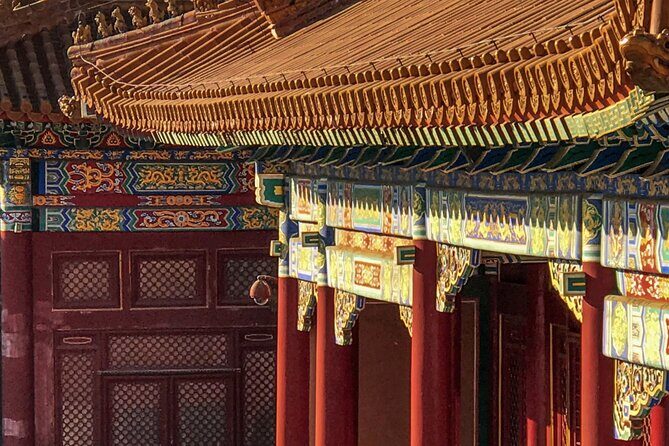
Then the tour shifts from grand ceremony to the more private political spaces around the emperor’s household. You’ll visit the Palace of Heavenly Purity, which the tour connects with the system of the Qing dynasty imperial harem. The guide also points out details you might miss if you’re only looking at the main view.
You’ll also see the Hall of Union, described as the place where the emperor and empress meet. After that comes the Palace of Earthly Tranquility, tied to the empress’s living area and also described as a kind of honeymoon room for the late Qing period.
This is one of the reasons this tour feels satisfying: it doesn’t leave you stuck at the most obvious “wow” moments. It explains how the palace worked as a living machine—power was stored not only in ceremonies but in relationships, schedules, and household structure.
What to look for
When the guide tells you to notice the details in corners and side areas, take them seriously. These palaces often reward slow attention, and your tour pacing gives you just enough time for the guide’s key pointers to land.
Imperial Garden: not just pretty, but designed
The route includes the Imperial Garden of the Palace Museum, with the tour framing it as a place that combines ancient Chinese garden art. The garden stop is timed as about 20 minutes, so think of it as a guided orientation to the style rather than a long sit-and-stare.
Even in a short window, a guide can help you notice the way garden design supports the palace mood—an expected shift from rooms built for rule to a space shaped for contemplation and court life.
Gate of Divine Prowess and the exit strategy
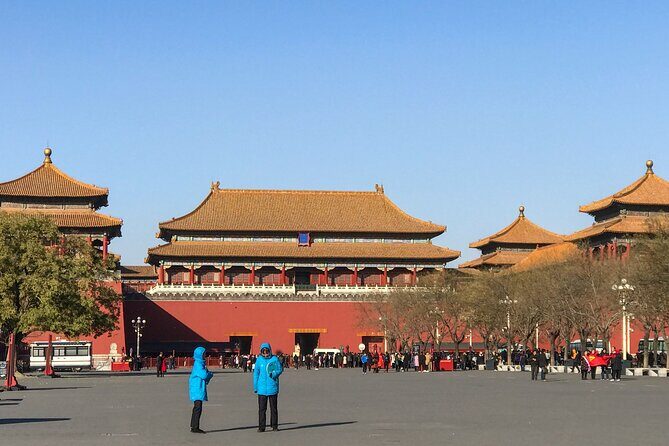
You finish inside at the Gate of Divine Prowess, the exit point for the Forbidden City. This is also where your guide wraps up and helps you plan your next move, which matters because this area is surrounded by major city sights and transit options.
A lot of tours end inside the main courtyard with no help after. Here, you’re not left guessing what to do next. That’s a small thing that can save you time—and it makes the day feel smoother.
Tiananmen Square timing: iconic Beijing without the whole day
After the Forbidden City exit, the tour includes Tiananmen Square for about 30 minutes, with it described as central to Beijing since the Ming Dynasty era (the complex timeframe is referenced up to today). You’ll also hear about the square as the stage for major political shifts and modern-era events.
This isn’t a long “soak in everything” stop. It’s enough to orient you and connect the sights to what you’ve already been seeing about state power. If you’re aiming to pack highlights without turning your schedule into a marathon, this timing fits well.
Price and value: what $30 really buys you
At $30 per person for a roughly 4-hour experience, the price is mainly about removing friction.
Here’s what you’re paying for that’s hard to DIY:
- Guaranteed entries to the included sites
- A professional English-speaking guide to explain what you’re seeing
- Pick-up from a fixed meeting point (not hotel pickup)
- A small group so you aren’t stuck in a huge herd
The included admissions cover the main stops described in the tour flow. You should note that tickets to the Jewelry and Clock museums are not included, so if those are on your personal must-see list, you’ll need to budget extra time and money.
When it’s worth it
If you’ve ever tried to handle ticket rules in Beijing—especially when your schedule is tight—this kind of guided, ticket-handled tour can be a good deal. The savings aren’t just dollars. It’s energy.
Meeting up, moving around, and the pace you should expect
The experience is described as near public transportation, with pick-up from a fixed meeting point. Hotel pick-up/drop-off isn’t included, so plan to reach the meeting spot on your own.
The tour duration is about 4 hours total, including travel time. Inside the palace complex, you’ll move between stops on a schedule. That pacing is great for covering the core highlights. It’s not ideal if you want to spend half the day quietly photographing every beam and roofline.
The group limit of 12 travelers is also a real detail. You’re more likely to get questions answered, and the guide can adjust explanations if you’re traveling with kids or want extra context.
Guides and what you can hope they’ll do
The reviews for this company are especially strong about guide quality. Names that come up include Linda, Amber, Melodie, Angel, and Harper.
Across those experiences, the common thread is clear:
- The guides keep explanations organized and easy to follow
- They handle questions patiently
- They connect the site to big-picture Chinese history
- Some guides tailor storytelling style for families—one mention specifically praised how a guide engaged well with kids through story-telling
You can’t control which guide you’ll get, but the company’s track record here suggests you’ll likely experience a careful, structured walkthrough rather than a rushed handoff.
What’s not included (so you don’t get surprised)
This tour includes the main admissions listed in the route, but these are not included:
- Tips for the guide
- Tickets to the Jewelry and Clock museums
- Hotel pick up and drop off
Also, Tiananmen Square is indicated as free for that stop, so you won’t be paying for that piece as part of admissions.
Should you book this Forbidden City highlights tour?
Book it if:
- You want the Forbidden City highlights without wrestling with ticket rules on your own
- You value an English-speaking guide who explains architecture and palace logic
- You’re short on time but still want the big ceremonial and living/political spaces
Consider skipping (or supplementing) if:
- You plan to spend hours on your own inside the palace, photographing details without a route
- You’re already comfortable navigating the halls and translating the significance of what you see
- You specifically want the Jewelry and Clock museums as part of your main plan (since those tickets aren’t included)
If you’re standing in Beijing with limited days and you want your time to count, this is a solid way to get the story behind the wood-and-stone spectacle—fast, guided, and focused.
FAQ
How long is the Forbidden City highlights tour?
The tour is about 4 hours total, and that total duration includes travel time.
What’s included in the price?
The price includes a professional English-speaking guide, pick-up from a fixed meeting point, and entrance ticket costs with guaranteed entries for the listed stops.
Are Tiananmen Square and Forbidden City tickets included?
Yes for the Forbidden City stops listed on the tour, and Tiananmen Square entry for that stop is listed as free.
Do I need separate tickets for the Jewelry and Clock museums?
Yes. Tickets for the Jewelry and Clock museums are not included.
Is hotel pick-up and drop-off included?
No. Hotel pick-up and drop-off services are not included; you’ll meet at a fixed meeting point.
Will I get a mobile ticket?
Yes. The tour uses a mobile ticket.
Is there free cancellation?
Yes. You can cancel up to 24 hours in advance for a full refund.