REVIEW · BEIJING
Beijing: Yonghe Lama Temple Entry Ticket
Book on GetYourGuide →Operated by Andy's private china tours · Bookable on GetYourGuide
A short line is a good line. This entry ticket for Beijing’s Yonghe Lama Temple saves you time with QR-code entry and gets you straight into one of the most important Buddhist sites in the city. I love how simple it is to use the QR code and passport for entry, and I also love the scale: it’s described as the largest and most perfectly preserved lamasery in present-day China. The main thing to watch is your QR— the Get your Guide QR isn’t valid, so you’ll need the correct one sent to your email or WhatsApp.
What makes this ticket feel worth it is the contrast between modern logistics and a very old setting. The lamasery began as Emperor Yongzheng’s palace arrangement, then later became a home for Tibetan monks and Chinese students, and it’s been functioning as a Buddhist center ever since. One potential drawback: you’re basically buying admission and time on site, not a detailed guided route, so if you want structure, you’ll need to be comfortable exploring at your own pace.
If you can follow a simple QR check and you like big, atmospheric religious spaces, this is a clean, low-cost way to do Beijing’s Yonghe Lamasery without burning your morning on ticket counters.
In This Review
- Key things to know before you go
- Yonghe Lamasery in plain terms: why this place matters
- Ticket value: is $9 actually a good deal?
- The 2-hour flow that keeps you from rushing
- Entry logistics: the QR code detail that can make or break the morning
- Getting there like a local: subway or bus, with clear exits
- By subway
- By bus
- What you’ll learn on your own while you walk
- Who this ticket is best for
- Small practical tips that make the visit easier
- Booking with Andy’s private china tours: what you’re really buying
- Should you book this Yonghe Lama Temple entry ticket?
- FAQ
- Do I need a physical ticket for Yonghe Lamasery?
- Is the Get your Guide QR valid for entry?
- How long is the entry experience?
- How much does the Yonghe Lama Temple entry ticket cost?
- How do I get there by subway?
- Is Yonghe Lamasery wheelchair accessible?
Key things to know before you go
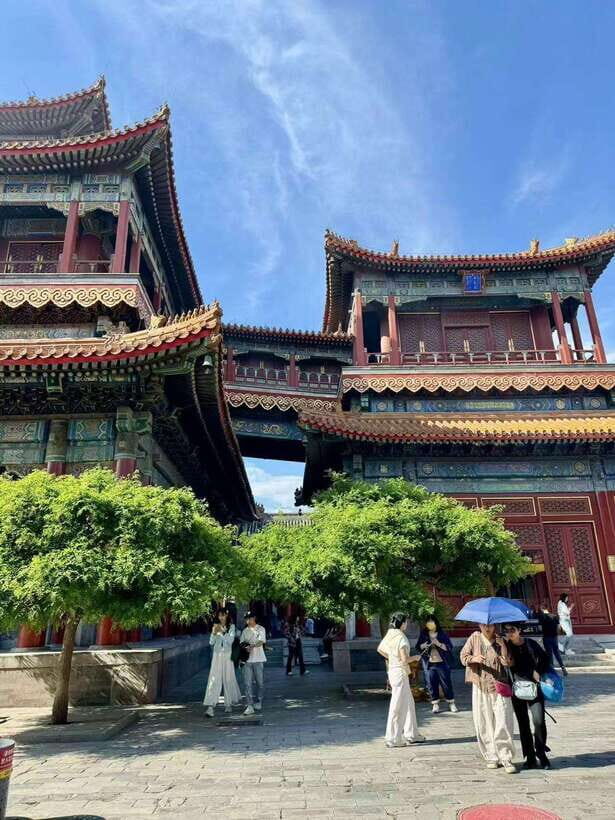
- QR + passport entry: you use the QR code you’re given, plus your passport, to enter the park.
- Yonghe Lamasery is Beijing’s biggest: it’s the city’s principal and largest Buddhist temple.
- A very specific origin story: built in 1694, linked to Emperor Yongzheng, then transformed under Emperor Qianlong with Tibetan monks and Chinese students.
- Large and well-preserved grounds: it’s described as the largest and most perfectly preserved lamasery in present-day China.
- Real time savings: you get skip the ticket line rather than waiting at the counter.
- Easy mobility option: the venue is wheelchair accessible.
Yonghe Lamasery in plain terms: why this place matters
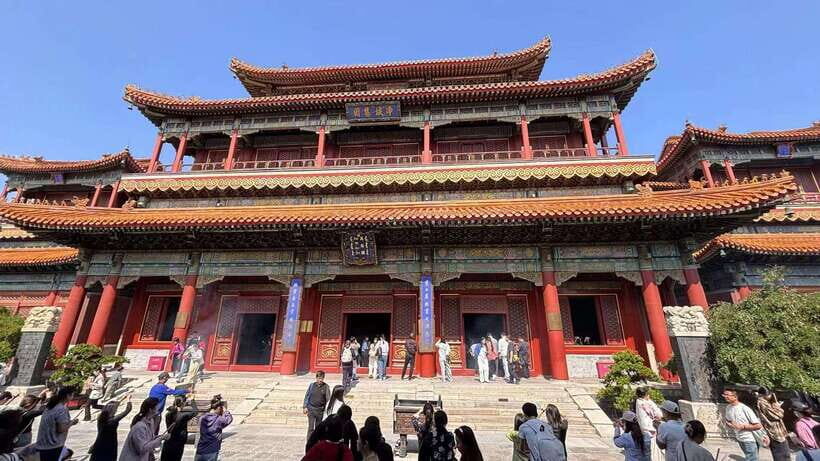
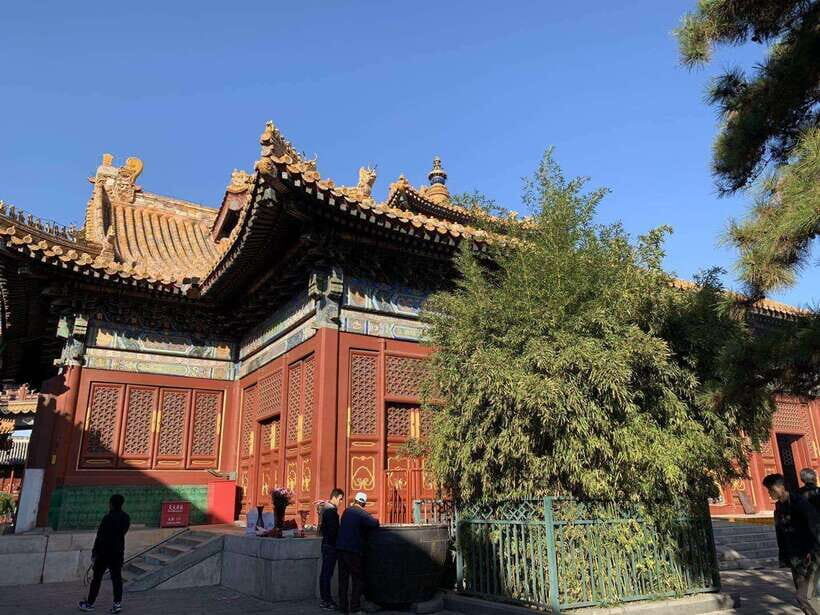
Yonghe Lamasery (also called Yonghe Lama Temple) is Beijing’s main heavyweight in Buddhism. It’s not a small side temple you squeeze into a tight schedule. It’s the principal and largest Buddhist temple in the city, and it draws people because it feels both grand and focused.
A big part of the appeal is the story. You’re not just walking into a random religious site. The property connects to imperial power first, then shifts toward religious life. It was built in 1694 as part of the city wall arrangement tied to Emperor Yongzheng. Later, Emperor Qianlong sent for 300 Tibetan monks and 200 Chinese students and housed them in the palace in 1744. From that point on, the dwelling served as a temple and monastery and became known as one of the greatest centers of Buddhism outside Tibet.
That long arc is exactly what makes the visit click. You’re seeing a place that grew from political space into spiritual institution, and that transformation still shows up in how the site feels: serious, orderly, and built to last.
You can also read our reviews of more tours and experiences in Beijing
Ticket value: is $9 actually a good deal?
At $9 per person for entry, you’re not paying for a long escorted program. You’re paying for access, speed, and convenience—plus a booking service charge is included.
Here’s why I think it’s good value. First, you get skip the ticket line. In Beijing, that can save you the kind of time that quietly ruins your day. If you’re doing multiple sights, every 20–40 minutes matters.
Second, this ticket is straightforward: a real admission ticket with QR code entry. No complicated meeting points are described. You’re given a mechanism to enter on site using what you receive (the correct QR), plus your passport.
Could it be bad value? Only if you want a guided lesson. This option is about getting you into the lamasery efficiently for about 2 hours, not about turning your visit into a deep, guided narrative. If you’re the type who loves someone explaining symbolism as you walk, you might feel like something is missing. If you prefer to explore and soak in the atmosphere at your own speed, you’ll likely be happy with this purchase.
The 2-hour flow that keeps you from rushing
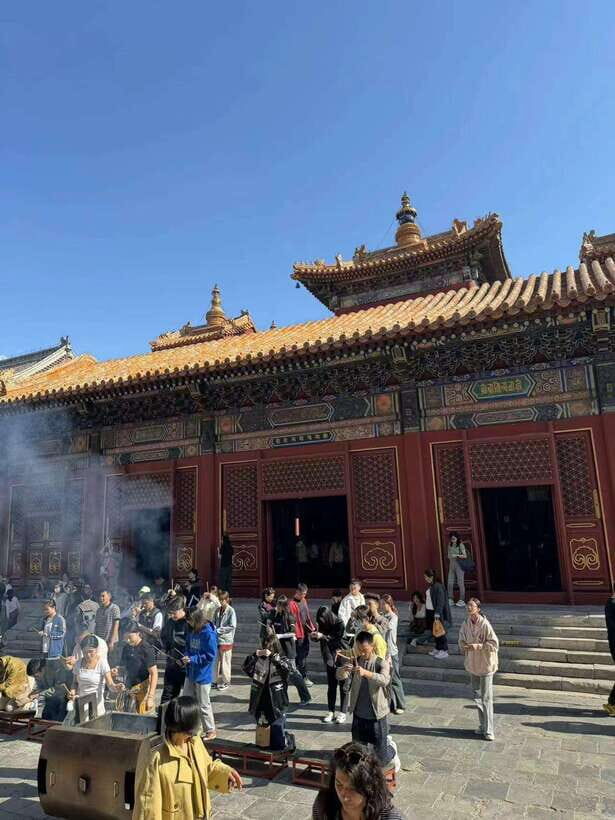
The listed duration is 2 hours. That’s a smart window for this kind of entry-only experience. You can arrive, get inside without stress, and then spend your time walking through the grounds and taking in what you came for.
In practice, your timeline should look like this:
- Arrive and enter quickly using your QR and passport (the whole point of this ticket).
- Spend time on site at your own pace. The ticket doesn’t push you into a strict schedule, so you’ll want to give yourself enough time to slow down.
- Plan a calm exit so you’re not sprinting back to the subway with tired legs.
Because the ticket is designed to be simple, your main job is mental: decide how you want to experience the place. If you love architecture and atmosphere, take your time walking. If you want the main highlights quickly, focus on what draws you most and treat the rest as background.
Two hours is also forgiving. If you get a little stuck near entrances or lines, you still won’t feel like you missed the whole visit.
Entry logistics: the QR code detail that can make or break the morning
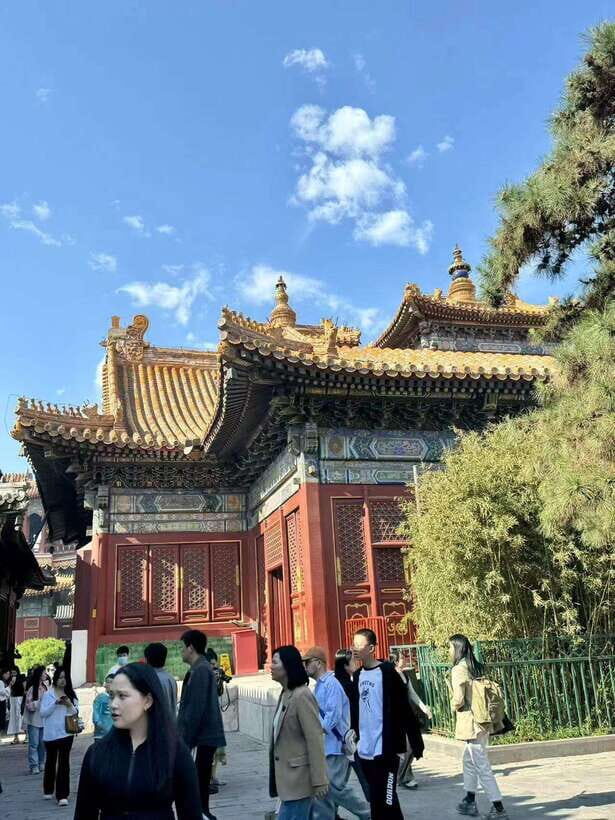
Here’s the one thing you should treat like a checklist item: the QR code rules.
- The ticket guidance says you can use the QR code and your passport to enter.
- There’s an important warning: the Get your Guide QR is not valid. You need to check your email or WhatsApp for the right QR.
That matters because QR mix-ups are common. One wrong scan can send you back to square one. So before you leave your hotel, do a quick screen check:
- Confirm you have the correct QR from your email or WhatsApp.
- Keep it accessible offline if possible, since you don’t want to hunt in the moment.
Also, bring your passport. The entry process explicitly calls for it, so don’t rely on a photo. This is a temple entry scenario where they can ask for the real document.
If you handle those two details—correct QR and passport—the rest of the experience is refreshingly smooth.
Getting there like a local: subway or bus, with clear exits
Yonghe Lamasery is easy to reach by public transit, and the directions given are specific enough that you shouldn’t wander.


By subway
Take Subway Line 2 or Line 5 to Yonghegong (Yonghe Temple) Station. Exit from Exit F. Then walk south for a few meters, turn east, and you should arrive after about a two-minute walk.
That exit-and-walk guidance is gold because it removes guesswork. Two minutes is not a long walk, so keep your energy for the actual site.
By bus
Several bus options are listed, with multiple stop names:
- Bus 13, 116, 117, or 684 to Yonghegong Station
- Bus 13, 18, 44, 75, 116, 684, Te 2, or Te 12 to Yonghegong Qiao Dong Station
- Bus 117 or 125 to Yonghegong Qiao Bei Station
If you’re staying in central Beijing, bus can be convenient. If you’re unsure where you are, the subway directions are simpler and more predictable.
What you’ll learn on your own while you walk
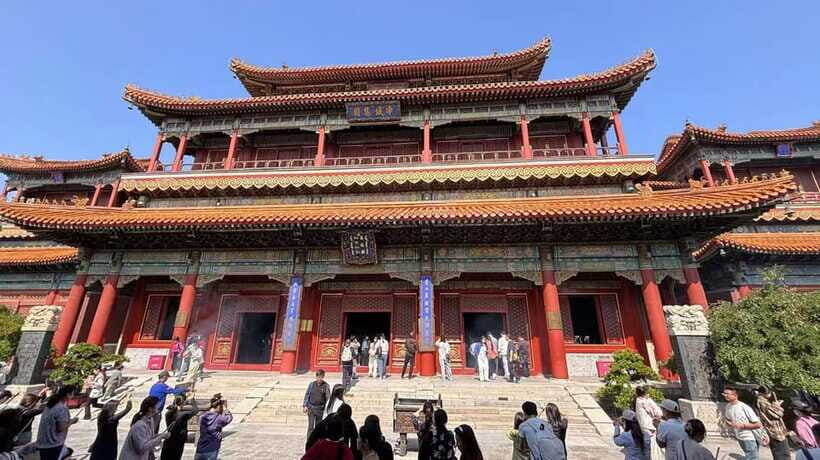
Even with this being an entry ticket, you’re not walking into emptiness. The lamasery has a built-in storyline that you can follow while exploring.
You’ll be able to connect what you see to these key facts:
- Built in 1694, tied to the Emperor Yongzheng palace era.
- It was part of the city wall arrangement before Yongzheng became emperor in 1722.
- Under Emperor Qianlong, in 1744, the site was repurposed as a home for 300 Tibetan monks and 200 Chinese students.
- Since then, it has served as a temple and monastery and is considered one of the greatest Buddhist centers outside Tibet.
Why this matters for you: it turns your visit from just photos into something you understand. If you take a few minutes beforehand to remember those dates and roles, you’ll feel like you’re following a real evolution. That’s the kind of context that makes a visual place click.
And since the ticket doesn’t provide a guided route in the details provided, your own attention becomes the guide. Use the historical anchor points above and let your eyes do the rest.
Who this ticket is best for
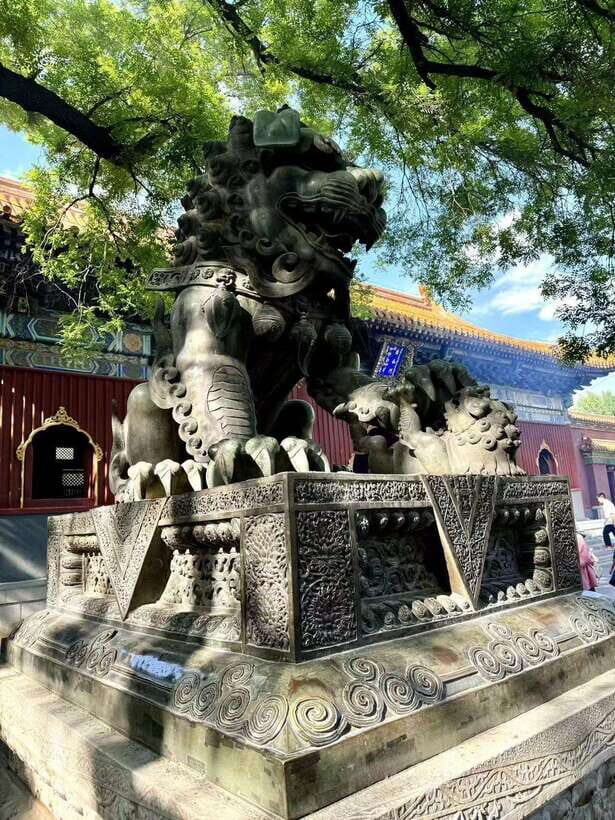
This Yonghe Lama Temple entry ticket is a strong fit if you:
- Want a low-friction entry process with QR speed and line skipping.
- Prefer to explore at your own pace for about 2 hours.
- Like major cultural and religious sites with a clear historical background.
- Are traveling on a budget (the entry price is $9, which is hard to beat for a top Beijing temple experience).
It may be less ideal if you:
- Want a timed, narrated tour with stop-by-stop commentary.
- Hate doing your own “figure it out” tasks (in this case, managing the correct QR).
Small practical tips that make the visit easier
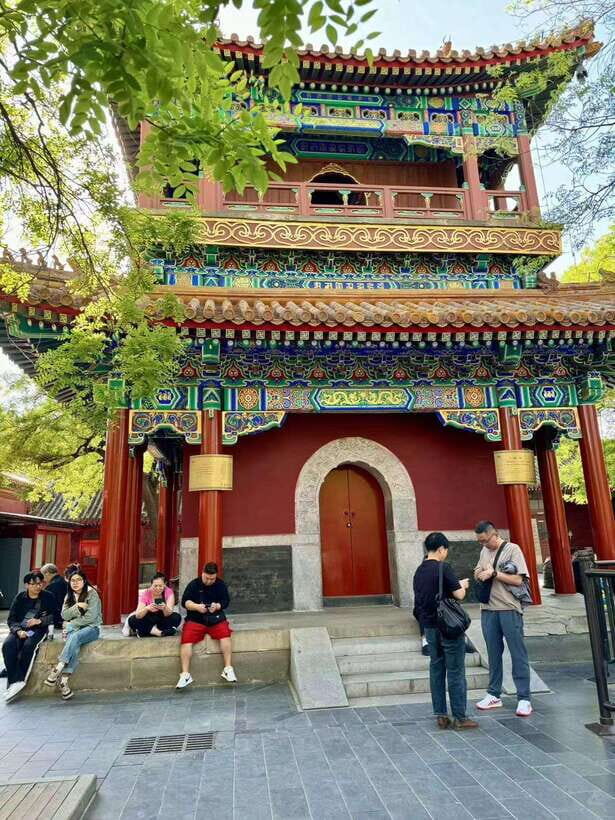
You don’t need fancy planning, but a few habits will help.
- Check your QR source before you leave. The Get your Guide QR isn’t valid, so find the QR from email or WhatsApp.
- Keep your passport ready. Don’t bury it somewhere in your bag where you’ll fumble when you’re at the entrance.
- Plan for a full 2 hours. Even though you could probably do it faster, the site is presented as a major, preserved lamasery, so rushing reduces what you get out of it.
- Use the subway if you want the easiest route. Exit F plus a short walk is about as painless as Beijing gets.
The best part is you’re not locked into a strict schedule. You have time to adjust if you hit a crowded moment or decide to linger.
Booking with Andy’s private china tours: what you’re really buying
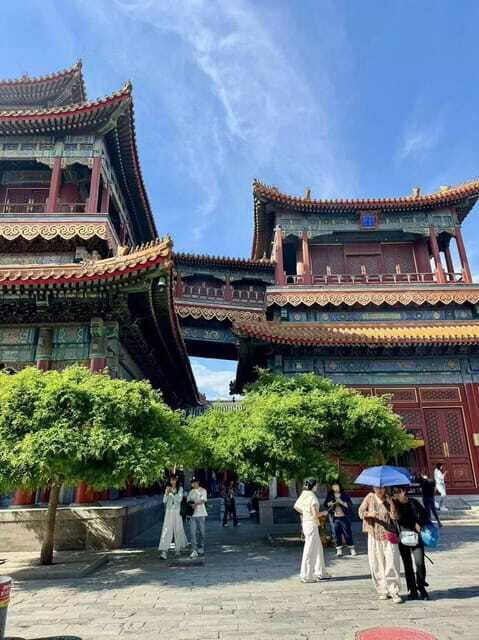
The experience provider listed is Andy’s private china tours. From the details given, what you’re purchasing is essentially admission service and ticket handling—plus the line-skipping and correct QR delivery.
You’re not buying a private guide from the information provided. You’re buying an efficient entry method and making it easier to show up and get in.
That’s a good match for travelers who:
- Want a simple ticket solution.
- Are comfortable navigating the site themselves once inside.
- Value speed and clarity over a narration-heavy program.
Should you book this Yonghe Lama Temple entry ticket?
Book it if you want a simple, time-saving way to see Beijing’s most important Buddhist temple area without spending extra money on a guided structure you might not need. At $9, with QR + passport entry and skip-the-line, it’s strong value for what you get.
Skip it (or consider a different format) if you know you want a fully guided, stop-by-stop explanation. This ticket gives you access and a reasonable 2-hour window, but the details provided don’t promise a guided walkthrough.
If you’re aiming for an efficient cultural stop that still feels meaningful, this one is an easy yes—as long as you treat that QR warning seriously.
FAQ
Do I need a physical ticket for Yonghe Lamasery?
No. You can enter using the QR code and your passport.
Is the Get your Guide QR valid for entry?
No. The instructions say the Get your Guide QR is not valid. Use the QR sent to your email or WhatsApp.
How long is the entry experience?
The duration is listed as 2 hours.
How much does the Yonghe Lama Temple entry ticket cost?
It’s listed at $9 per person.
How do I get there by subway?
Take Subway Line 2 or Line 5 to Yonghegong (Yonghe Temple) Station, exit from Exit F, then walk south briefly and turn east to reach the temple area in about two minutes.
Is Yonghe Lamasery wheelchair accessible?
Yes, it’s listed as wheelchair accessible.