REVIEW · BEIJING
Beijing Private Tai Chi Class
Book on GetYourGuide →Operated by Beijing Sanfeng Tai Chi Club · Bookable on GetYourGuide
Tai chi in Beijing can feel strangely peaceful. This private beginner class pairs an experienced English-speaking master (names you may hear include Leo or Eric) with the calm setting of the Temple of Heaven grounds. I like the step-by-step structure and how you also get the cultural meaning, not just body moves. A practical drawback: entrance fees are not included, and there is no hotel pickup, so you’ll want to handle getting there yourself.
Over 1.5 hours, you’re not stuck memorizing a long routine. You’ll work through a 9-step Tai Chi form experience, try standing meditation, get a first taste of push hands, and learn simple self-massage techniques aimed at easing everyday pain and stress. The teaching style is patient and interactive, with instructors using clear English (and sometimes Chinese) so beginners don’t feel left behind.
Because this experience is specifically built for beginners, it’s a great on-ramp. The main consideration is that it is not suitable for pregnant women, so plan accordingly. Meet at the Temple of Heaven east gate ticket office and use subway line 5 to keep it easy.
In This Review
- Key highlights you will feel fast
- Temple of Heaven: the best classroom for slow movement
- Private and beginner-friendly: why the format matters
- The 9-step Tai Chi form: how you learn without getting lost
- Yin-Yang and Taoism in plain language (so it sticks)
- Standing meditation and push hands: calm with a touch of reality
- Self-massage for stress and pain: the practical part you can reuse
- Price and logistics: what $58 buys you in real terms
- What to wear and how to prepare (beginner-proofing)
- Who this private Tai Chi class fits best
- Should you book this Beijing Private Tai Chi Class?
- FAQ
- Where is the meeting point for the class?
- How do I get there using public transit?
- How long is the private Tai Chi class?
- What is included in the price?
- Is the Temple of Heaven entrance fee included?
- Is the activity suitable for everyone?
Key highlights you will feel fast
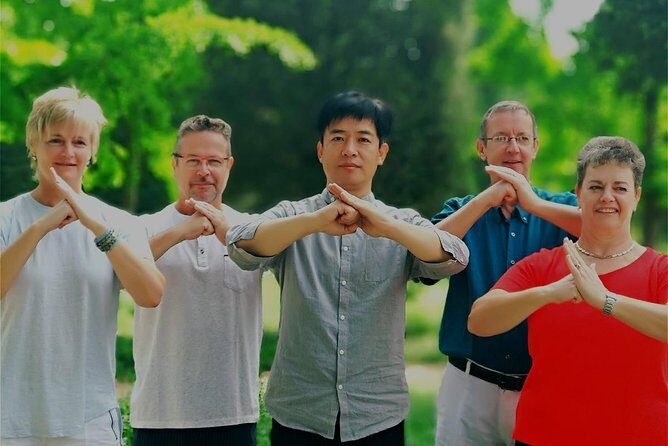
- Temple of Heaven location: a naturally quiet practice space at the east gate area
- Beginner-first 9-step form practice: learn fundamentals in a way that stays understandable
- Standing meditation plus push hands: you do more than watch, you participate
- Yin-Yang and Taoist context: the instructor explains what the movements are trying to do
- English-speaking mastery: teachers like Leo and Eric are praised for clarity and patience
- Self-massage for daily stress and aches: useful skills you can repeat at home
Temple of Heaven: the best classroom for slow movement
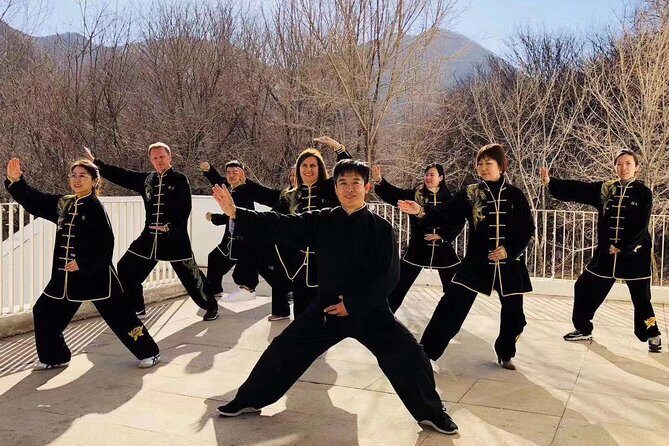
Beijing has plenty of busy, noisy corners. This is the opposite. Starting at the Temple of Heaven east gate puts your practice where people actually come to stroll, reflect, and watch slow morning life happen. It changes the whole mood of Tai Chi. Instead of learning in a studio with echoing floors, you’re learning in open air, where the pace can actually match your breath.
One big value here is the location synergy. Tai Chi is internal martial art, but it still needs good conditions: space to stand comfortably, time to watch your own body, and permission to slow down. The grounds at the Temple of Heaven help you do that fast.
The small trade-off is also real. You are starting from a specific meeting spot at the east gate ticket office, and you’ll handle the getting-there piece. If you rely on hotel pickup, this class won’t fit your style. If you like a simple, self-directed start, you’ll probably enjoy it.
You can also read our reviews of more private tours in Beijing

Private and beginner-friendly: why the format matters
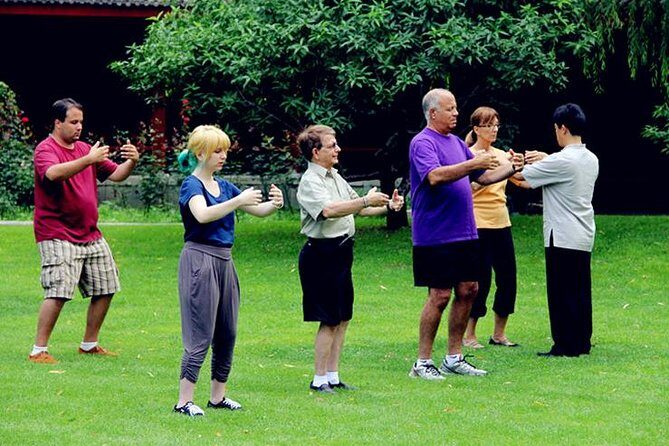
This is a private group class, and that makes a difference. Beginners often struggle because they get one-size-fits-all corrections. In a private setup, the master can adjust your timing, posture, and comfort level. That matters most during the earliest parts of Tai Chi, when your body is still learning what slow coordination feels like.
It’s also designed for first-timers. The lesson isn’t just a performance you copy. It’s built around a “learn it in steps” method, so you don’t waste your energy guessing. You’ll get guided practice so the movements become understandable, then repeatable.
You’ll also benefit from the teaching approach. In past sessions, instructors such as Leo, Eric, and Master Lui have been praised for patience and for explaining philosophy and exercises in a way beginners can grasp. That’s not just nice. It’s practical. When you understand the reason behind a movement, you correct yourself faster and you’re less likely to injure yourself by forcing positions.
The 9-step Tai Chi form: how you learn without getting lost
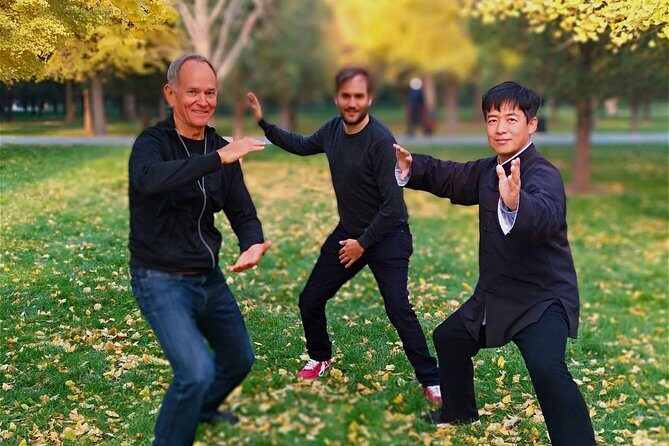
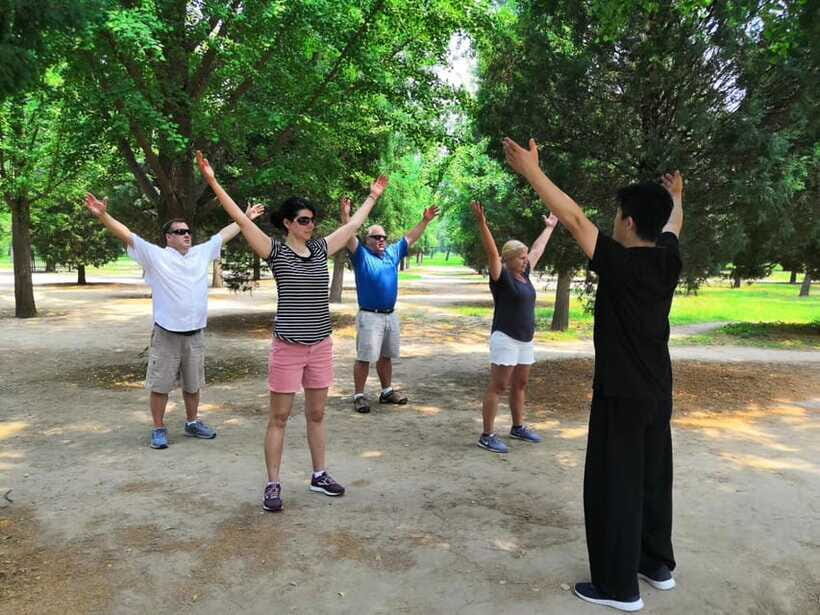
The heart of your session is the 9-step Tai Chi form experience. For beginners, the value isn’t only the form itself. It’s the teaching sequence. Working through a shorter, structured portion helps you build muscle memory the safe way, without trying to swallow a full long routine.
Here’s what you’ll feel if the class is going well: your attention moves from memorization to coordination. Instead of chasing the next pose, you start noticing transitions—how you shift weight, how your arms float, and how your stance changes without tensing your shoulders. The instructor’s corrections help you keep the basics correct early, which is where a lot of beginners either improve quickly or get stuck.
A good lesson also balances “do it” with “understand it.” You’re not just repeating steps. You should expect the master to explain what you’re doing and what to watch for. That’s how you turn a beginner form into a foundation you can build on later.
One caution: Tai Chi can look simple on video. In real life, slow means controlled. If you arrive with stiff legs or a lot of tension, your first session might feel like an unexpected workout. The good news is the teaching style is aimed at beginners, so you should be able to scale your effort. Go in ready to move gently and listen to your body.
Yin-Yang and Taoism in plain language (so it sticks)
One of the most useful parts of this class is the culture presentation. Tai Chi isn’t only exercise. It’s tied to Yin-Yang thinking and Taoist ideas about balance, softness, and internal energy. For beginners, this can sound abstract. The advantage here is that the instructor connects the ideas to what you’re physically doing.
You’ll also be guided toward the concept of Qi, described as energy you can cultivate through natural, mysterious-feeling practice. You shouldn’t expect the kind of science explanation that fits in a textbook. Instead, you’re learning a practical mindset: relax, align, breathe, then move in a way that supports calm control.
This matters because many beginners quit when they only get forms and no meaning. If the lesson helps you understand why you’re moving the way you are, you’re more likely to keep practicing after you get home. And that’s where real value shows up. A class that makes you curious to learn more is doing more than entertaining you for an hour.
From how the masters are described, you can also expect an interactive tone—questions encouraged, pace slowed, and explanations adjusted to English comprehension level. That kind of teaching helps you translate the philosophy into something you can actually feel in your body.
Standing meditation and push hands: calm with a touch of reality
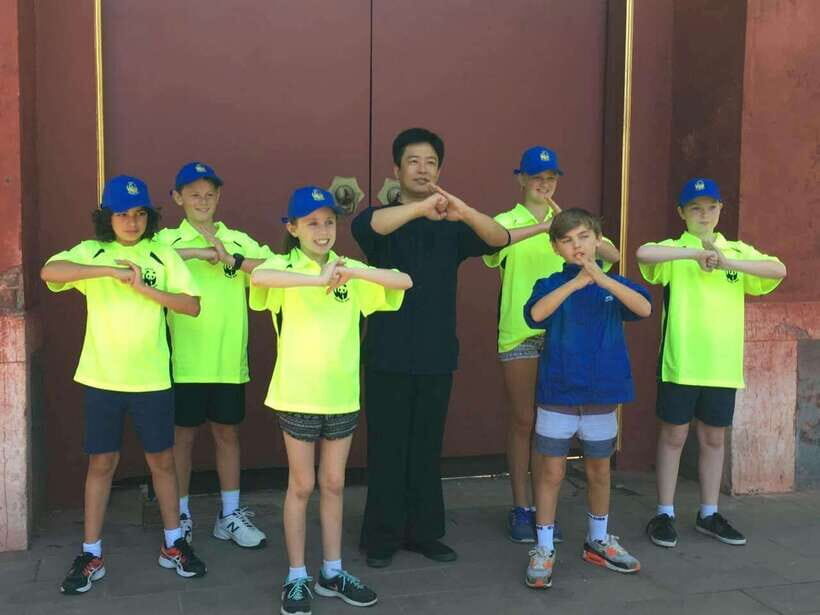
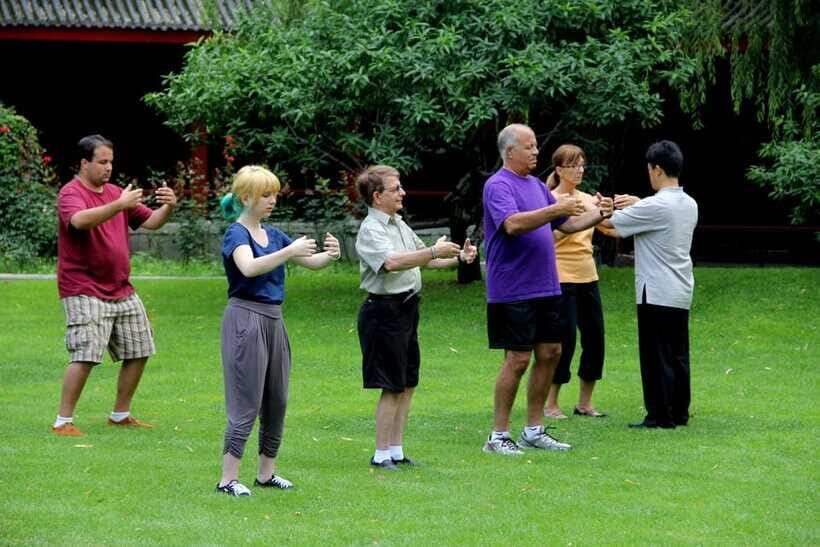
Tai Chi isn’t only about being serene. It’s also about how softness deals with pressure. That’s why the lesson includes both standing meditation and a beginner introduction to push hands.
Standing meditation helps you learn the basics of stillness: how to stand without clenching, how to keep balance, and how to coordinate breathing with posture. It’s also a mental reset. Many people describe this stage as becoming slower inside—like the mind finally stops shouting. That effect is especially likely when you’re surrounded by open grounds and natural ambient quiet, like the Temple of Heaven area.
Then comes push hands. Even in a beginner format, it changes the experience. You get a taste of interaction—feeling how another person’s movement affects your balance, and learning how to respond without forcing. It’s not about winning. It’s about learning sensitivity and structure.
The best teaching here is clear communication. A master who speaks excellent English (as many of the instructors are praised for) can explain what to do and what not to do. That keeps the experience safe and useful, especially if you’ve never trained with a partner before.
You can also read our reviews of more tours and experiences in Beijing



Self-massage for stress and pain: the practical part you can reuse
One of the standout benefits is that you’re taught methods of self-massage aimed at relieving pain and stress in daily life. This is the part that can feel like a bonus, but it’s actually smart.
Most people leave Beijing wanting a souvenir they can use on a bad day at home. A self-care routine fits that goal. If the instructor guides you through simple techniques and explains when to use them, you can repeat them without needing a gym or equipment.
Even better, massage plus Tai Chi makes a coherent package. Tai Chi teaches relaxation and body awareness. Self-massage gives you a way to act on that awareness. Instead of only doing movement during the lesson, you’re learning a way to respond to tension in the next week, too.
The ideal outcome is that you finish the class feeling both calmer and more capable. Not just impressed by the forms.
Price and logistics: what $58 buys you in real terms
At $58 per person for about 1.5 hours, this class is priced like a quality guided experience rather than a casual group drop-in. The value is tied to three things you actually get:
First, you get high qualified English-speaking Tai Chi masters. Not every place in Beijing offers clear instruction for beginners. When language and teaching style match, you learn faster.
Second, you get private pacing. Even if your group is small, you’re less likely to get rushed corrections or vague advice.
Third, the lesson includes more than form practice. You get culture framing, standing meditation, push hands experience, and self-massage methods. That’s a full introduction to Tai Chi as a system, not a one-off move tutorial.
Now for logistics, the practical side. You meet at the Temple of Heaven east gate ticket office. You can reach it by subway line 5, get off at Tian Tan Dong Men Station, exit at Exit A, then walk about 50 meters to the east gate. If you’re already in that area, the commute stays simple.
Two costs to budget for:
- Entrance fee to the Temple of Heaven is not included.
- No hotel pickup or drop-off is provided.
If you hate navigating subways and stations, this might feel like extra friction. If you’re okay with a short walk and meeting at a clear landmark, it’s easy.
What to wear and how to prepare (beginner-proofing)
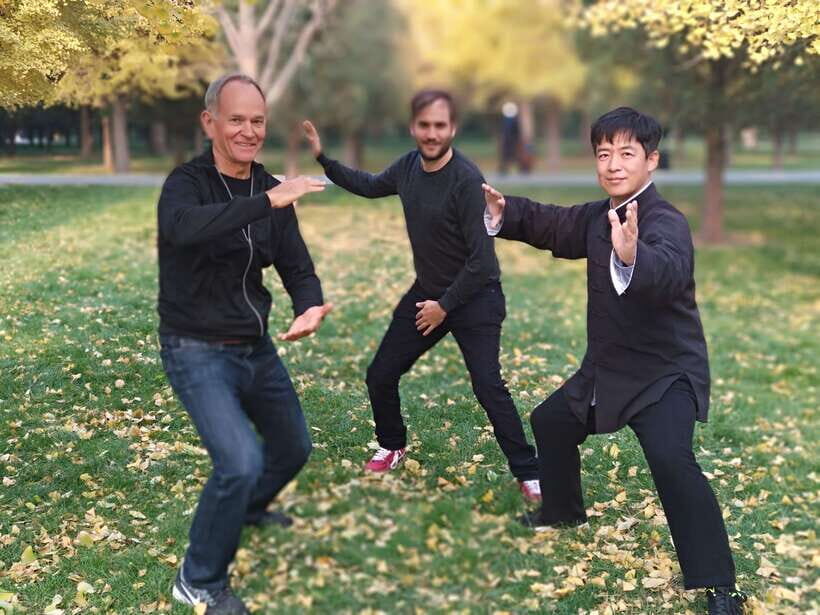
The class is for beginners, but your comfort can still make or break the experience. Since you’ll be standing for meditation and practicing coordinated movements, wear clothing that lets you move your hips and arms freely. Light layers help because you’ll likely transition between moving and stillness.
Bring a calm mindset more than sports gear. The lesson is meant to relax and slow your body down. If you arrive stressed or expecting intensity, the class may feel slower than you want. But if you arrive open to gentleness, it tends to land well.
One more prep tip: think about posture before your first step. Tai Chi rewards alignment. If you’re already hunched or tense from travel, give yourself a few minutes to settle when you meet the master. Then let them guide your adjustments.
Who this private Tai Chi class fits best
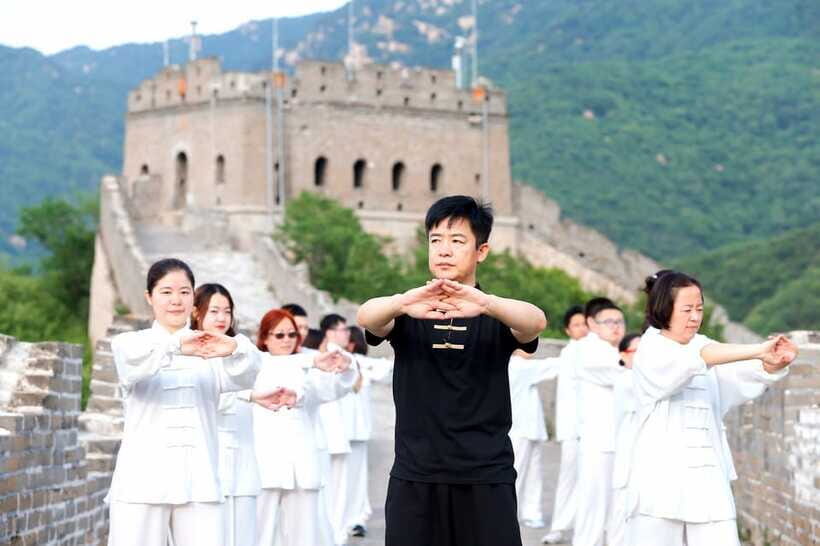
This is a strong match if:
- you are new to Tai Chi and want a beginner-first structure
- you want English explanations, not just demonstration
- you prefer a private pace with time for questions
- you want more than movement practice, including culture and self-care skills
It may not be a match if:
- you are pregnant, since it is not suitable for pregnant women
- you want a fast, sightseeing-heavy schedule rather than a calm practice block
If you’re the kind of traveler who likes one meaningful activity instead of a checklist, you’ll probably like this. Tai Chi at Temple of Heaven is the sort of experience that can change your next week of travel. You move slower after. You notice your body more. You sleep a little differently.
Should you book this Beijing Private Tai Chi Class?
Book it if you want a beginner-friendly Tai Chi introduction that teaches the form, the meaning, and a few practical tools you can use after you get home. At $58 for 1.5 hours, the price makes sense when you consider what you’re actually getting: private pacing, English instruction, meditation, push hands practice, and self-massage guidance.
Skip or look for another option if you need hotel pickup, have mobility restrictions that make standing difficult, or you are pregnant.
If your goal in Beijing is one authentic cultural practice in a beautiful setting, this is a solid choice. The Temple of Heaven setting helps you slow down. The teaching approach helps you understand what you’re doing. And that combination is exactly what makes a first Tai Chi class feel like it matters.
FAQ
Where is the meeting point for the class?
The class meets at the ticket office of the Temple of Heaven east gate (天坛东门售票处).
How do I get there using public transit?
Take subway line 5 and get off at Tian Tan Dong Men Station. Walk out of Exit A. The east gate is about 50 meters away.
How long is the private Tai Chi class?
The class lasts 1.5 hours.
What is included in the price?
The class includes high qualified English-speaking Tai Chi masters for a private group experience.
Is the Temple of Heaven entrance fee included?
No. The entrance fee is not included.
Is the activity suitable for everyone?
It is not suitable for pregnant women. The class is offered in English and Chinese and is described as beginner-focused.