REVIEW · BEIJING
Beijing: Hutongs & Drum Tower City Walking Tour
Book on GetYourGuide →Operated by JTB Travel Agency · Bookable on GetYourGuide
If Beijing is a book, the hutongs are the spine. This walking tour threads old alleyways beside Houhai and Qianhai lakes, then caps it with the Drum Tower area and classic courtyard-life stories. It’s a compact 3–4 hours that feels like stepping into Beijing’s everyday rhythm, not just looking at monuments.
What I love most is the mix of scenery and street-level detail: Houhai/Qianhai waterfront views paired with lane-by-lane history that explains how life fits inside the old city’s layout. I also like the optional extra access—a rickshaw ride through the alleys and a local family courtyard visit where you can say ni hao and see parts of daily home life.
One consideration: entrance tickets aren’t included, so budget extra for anything charged at stops like the Drum Tower. Also, the best snack and souvenir choices often need Chinese cash on hand.
In This Review
- Key highlights you’ll feel quickly
- Why Beijing hutongs feel different on this route
- Meeting point near Shichahai: easy start, less friction
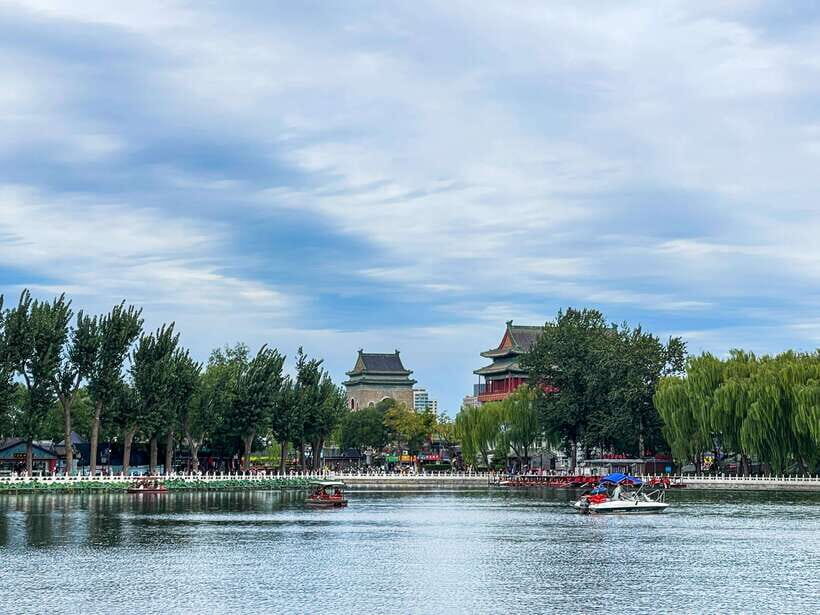
- Houhai and Qianhai lakes: where the hutongs make sense
- Yandai byway: snack time and real-street shopping
- Rickshaw through hooded hutong lanes: the Nixon-era “ride” idea
- Courtyard houses and the rich-versus-poor layout story
- Taoism temple by the Jing-hang canal and Wanning Bridge
- Drum Tower square: stories in the space between towers
- Climbing the 600-year-old Drum Tower (and then snacks)
- Optional local family home visit: what you should expect
- Price and value: what $69 buys you and what to plan for
- Who this tour suits best
- Book it or skip it: my decision rule
- FAQ
- Where is the meeting point for the tour?
- How long is the Beijing Hutongs & Drum Tower City Walking Tour?
- Is the tour guide available in English?
- Are entrance tickets included?
- Is the rickshaw ride included?
- Is there an option for visiting a local home?
- Is public transportation included?
- What should I bring?
- Is the tour wheelchair accessible?
- FAQ
- Can I cancel for a full refund?
- Can I book now and pay later?
Key highlights you’ll feel quickly
- Hutongs by the water: Walk the lanes beside Houhai and Qianhai, not across town from them
- Roped-in local life: Stories that connect courtyards, religion, and daily routines
- Yandai byway street time: Built-in chances to snack and shop without sprinting
- Taoist stop near the Jing-hang canal: Adds a cultural layer beyond architecture
- Drum Tower climb: A real summit moment plus a neighborhood-feel finale
- Optional home visit: A courtyard-house look that goes past photos
Why Beijing hutongs feel different on this route

Most “hutong tours” end up being a checklist: lane, photo, lane, photo, done. This one keeps you grounded in the geography that makes Beijing readable. The route focuses on hutongs near the lakes, so the walks have breathing room—water views help you pause and actually notice the way the lanes twist around courtyards.
I also like that the tour isn’t only about old stones. The guide’s job is to connect the physical space (alleys, courtyard houses, the Drum Tower square) to human life: where people lived, what they believed, and how the city organized itself long before modern Beijing grid lines took over. You get the old-city structure, plus the meaning.
And yes, you’ll still get the classic Beijing vibe—hooded alley rickshaws, snack stops, and the Drum Tower area—but the flow is arranged so you’re not stuck watching crowds shuffle by. The whole thing stays in the “walkable and explainable” zone for a half-day.
You can also read our reviews of more walking tours in Beijing

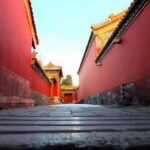
Meeting point near Shichahai: easy start, less friction
The tour meets at Exit A2 of Shichahai subway station (Line 8). That matters more than it sounds. Shichahai is already a scenic neighborhood hub, so you start close to the action instead of wasting time crossing half of Beijing.
From a practical standpoint, arriving with a little buffer helps. You’ll be dealing with curbside crossings and lane-side streets where signage can be limited. If you’re aiming to catch the vibe right away, get there early and take a slow look toward the water before you join the group.
Bring your passport, since it’s listed as a required item for this activity. I’d also plan to have small bills ready because the tour encourages buying food and souvenirs from local stores.
Houhai and Qianhai lakes: where the hutongs make sense
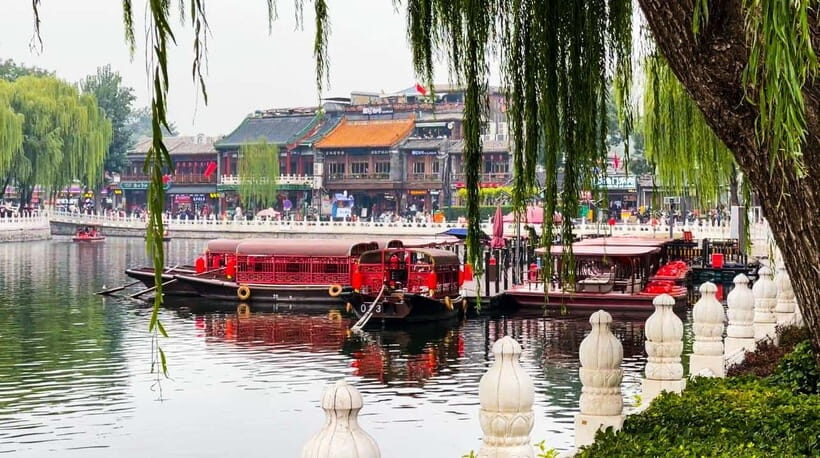
Houhai and Qianhai are the kind of places where Beijing feels human-scaled. Instead of chasing every landmark, you start with water and then drift into the old city lanes that grew around it.
Expect the guide to pace the walk so you can see how the hutongs behave like thin corridors connecting courtyard neighborhoods. In practical terms, that means less random wandering and more “I finally get how this city is laid out.” The water also acts like a natural reset between denser stretches of alley.
One more plus: these lakes give you an easy visual frame when alleyways start to feel similar. The tour’s focus on the hutongs beside the waterfront helps your brain keep orientation. You’ll walk away not only with photos, but with a stronger sense of where things sit relative to each other.
Yandai byway: snack time and real-street shopping
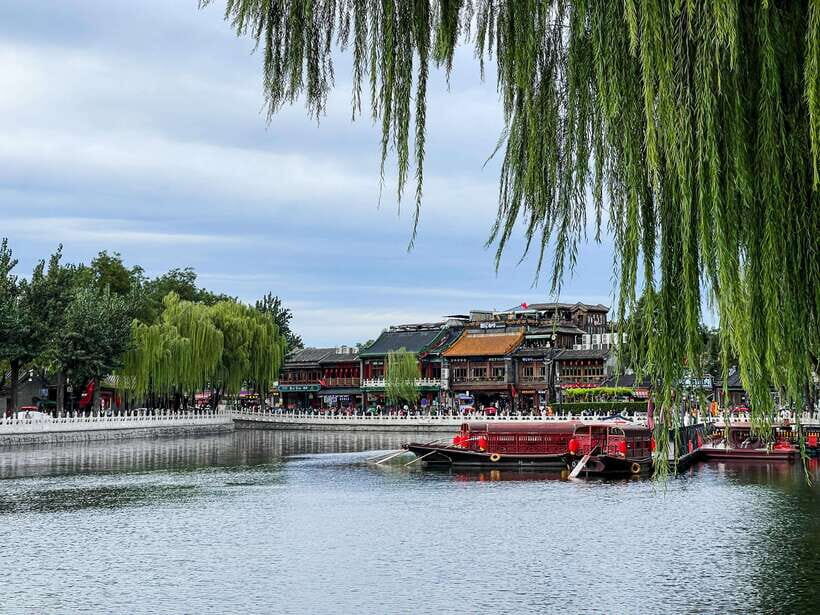
Next comes Yandai byway, an ancient commercial-style street. This is where the tour shifts from “watch and learn” to “taste and try.”
The big value here is that you get free time for local snacks rather than being rushed through. You can sample at your own speed, and you can also use this stretch for small souvenir buys—things that feel more like neighborhood commerce than like a souvenir factory.
A practical tip: keep Chinese cash with you if you plan to snack or buy from local stores. The tour specifically calls out bringing cash for food purchases, which usually means card-only places might be limited along the smaller storefronts.
Also, don’t expect every shop to be English-friendly. That’s part of the fun. Bring curiosity, point at what looks good, and let the guide help if you hit a language wall.
Rickshaw through hooded hutong lanes: the Nixon-era “ride” idea
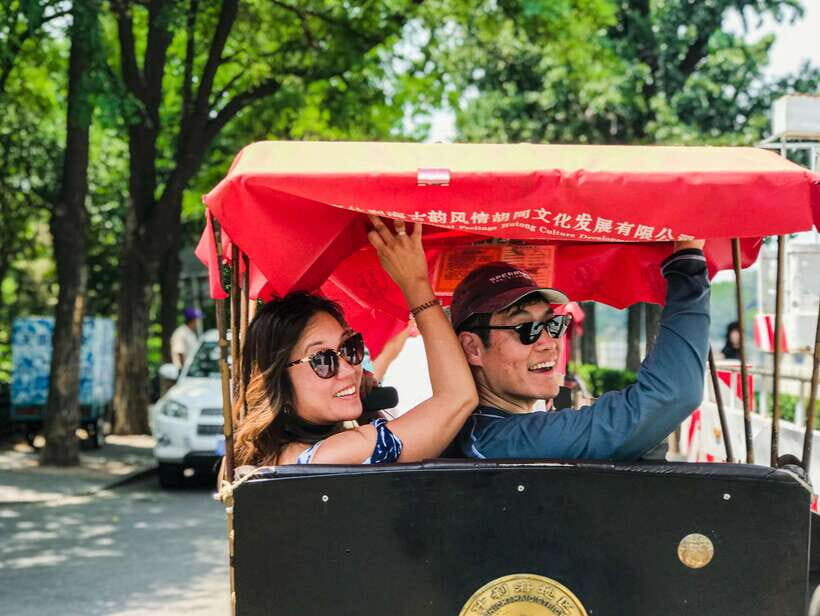
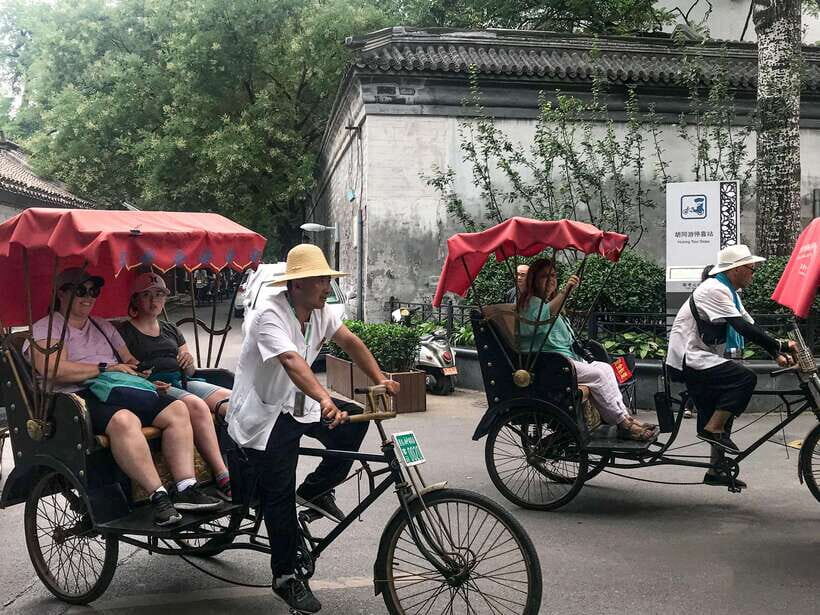
One of the signature experiences here is a rickshaw ride through the alleyways. The rickshaw is described as a hooded tricycle—an old form of transport associated with nobles and wealthy business people.
There’s also a neat historical reference tied to this style of alley travel: President Nixon visited Beijing in 1972 with his wife, and they reportedly enjoyed this kind of ride through the old lanes. Whether you care about politics or not, the point is simple: this is the “Beijing you can’t do from a bus window” way to move.
If you choose the rickshaw option, the ride is about 30 minutes, and it’s described as 2 people per rickshaw (with a noted figure of 200 CNY for two participants). Since entrance tickets aren’t included, make sure you understand what’s included in your specific booking add-ons so you don’t get surprised later.
What to watch for: the rickshaw is slow by design. It’s meant for view time and storytelling time. So if you’re the type who hates lingering, you’ll want to lean into it. This is one of those moments that makes the whole hutong thing feel real.
You can also read our reviews of more city tours in Beijing


Courtyard houses and the rich-versus-poor layout story
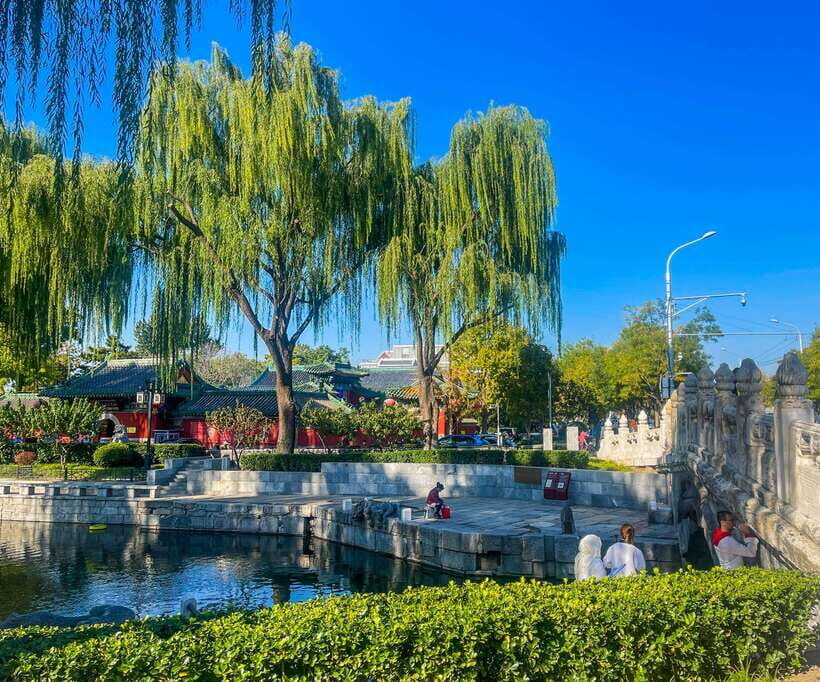
A major theme of this tour is how hutongs connect to courtyard houses—the spaces where daily life actually happened.
The guide walks you through hutongs to compare different courtyard setups and explain how the same old-city fabric could house very different lifestyles. You’ll hear stories about traditional compounds for both the well-off and the less wealthy, and the route is chosen so you can visually grasp the difference instead of only hearing it.
This part of the tour is worth your attention if you want Beijing beyond skyline photos. Courtyard houses tell you about family structure, domestic planning, and the way people used shared lanes as extensions of their neighborhood.
And because you’re walking rather than viewing from afar, you also see the “micro” details: how entrances sit to the side, how buildings cluster, and how narrow streets still function like arteries for foot traffic.
Taoism temple by the Jing-hang canal and Wanning Bridge
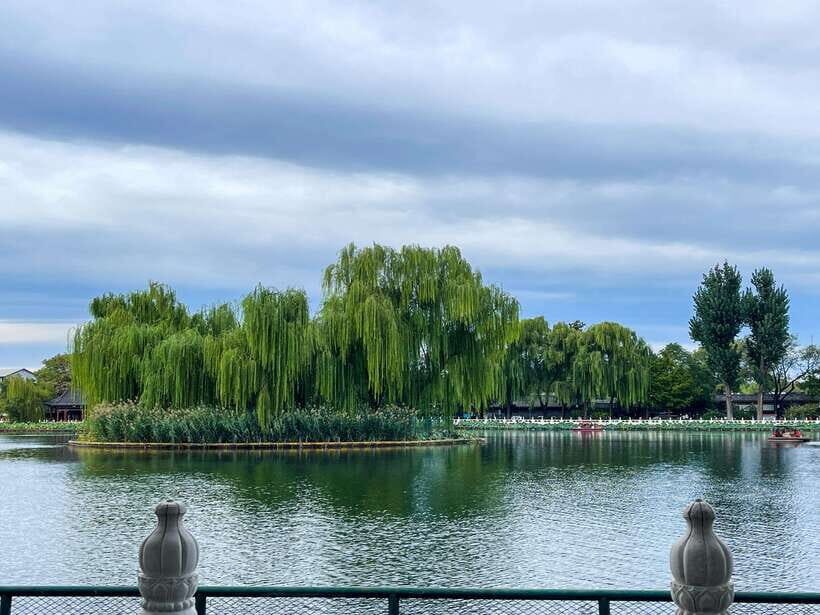
Another stop adds a cultural layer: a Taoist temple near the Jing-hang canal and the Wanning Bridge, which is described as built during the Mongolian dynasty.
This isn’t just a photo-op temple. The tour frames the visit as a chance to hear what religion and local gods’ stories mean in everyday culture, including what Chinese young people believe in today (as explained by the guide).
If you’re expecting a museum-style lecture, adjust your expectations. This feels more like a guided cultural stop where the guide explains symbols and local practice in plain language. You’ll walk away understanding how the city’s spiritual landmarks connect to the physical landscape: canal edges, bridges, and the temple’s place in the neighborhood’s mental map.
Drum Tower square: stories in the space between towers
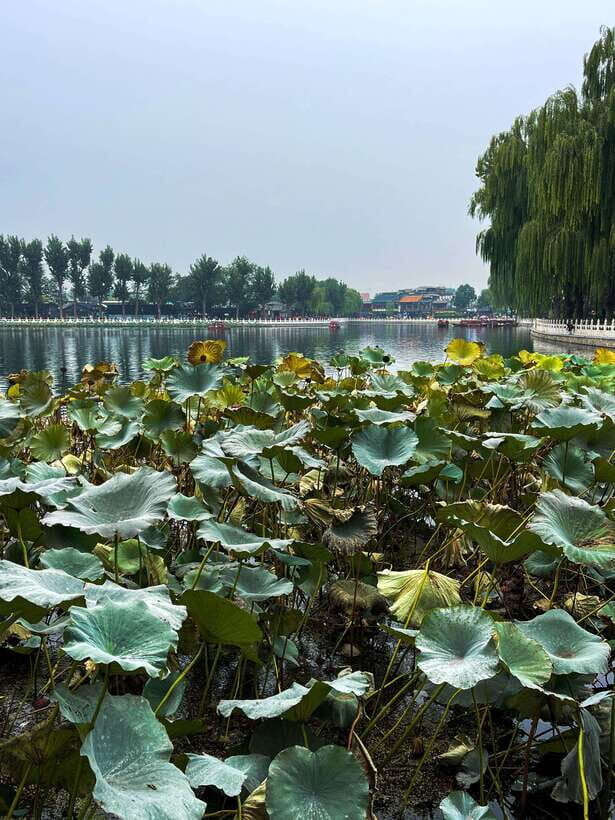
The tour then moves to the square located between the Drum and Bell Towers. Even if you’ve seen tower photos before, this is the moment when the towers stop being distant “objects” and start being city anchors.
The guide shares stories of Beijingers from old dynasties to more recent times, and that context matters because it explains why this area became a focal point. Towers weren’t only aesthetic; they helped structure time and daily rhythm.
Think of it as an orientation point. You’re not just walking past; you’re learning why people gathered here and what the towers represented. It’s history as street-level understanding.
Climbing the 600-year-old Drum Tower (and then snacks)
Then comes the headline finish: you climb the Drum Tower, described as around 600 years old, and after the climb you can grab local snacks or food.
Even with no ceremony planned, climbing a tower like this gives you what walking tours often lack: a top-down view that locks the neighborhood geometry into your memory. From up there, you can see how the hutongs sit in relation to larger streets and the nearby waterfront zones.
The tour also connects the climb to food. That might sound like a “tour trick,” but it’s smart. After you’ve done the steep part and stood back for views, you’re ready for informal eating. It’s the right pacing for a half-day experience.
As a heads-up: since entrance tickets aren’t included, the Drum Tower climb may involve extra cost depending on your specific booking details. Check what your operator expects you to pay on-site, and budget accordingly.
Optional local family home visit: what you should expect
One of the most powerful parts of this experience is the optional local family courtyard visit.
You’re welcomed to say ni hao, and you can chat freely with the household. The guide also helps you see the layout of a traditional courtyard house—often including spaces like the kitchen and living room—so you’re not just observing from a doorway.
This is the sort of stop that can’t be replicated with a fast photo. You learn by seeing how rooms connect, how daily life flows through the compound, and how families talk about home and community.
Practical advice: be respectful and keep questions simple. If you’re curious, ask your guide to translate what you want to know. And if you want to bring anything (like a small gift), don’t assume it’s needed—this tour data doesn’t mention it, so follow the guide’s direction.
Price and value: what $69 buys you and what to plan for
At $69 per person for 3–4 hours, the value depends on two things: guide time and what add-ons you pick.
Included:
- An English-speaking tour guide
- A rickshaw ride and home visit (if the option is selected)
Not included:
- Public transportation
- Entrance tickets
So the practical way to judge value is this: you’re paying for expert routing through hutongs that are easy to miss on your own, plus guided cultural context that turns street views into understanding. The rickshaw and home visit options take it from “nice walk” to “real access,” and that’s where the money starts to feel fair.
What you should budget beyond $69:
- Entrance fees for paid sites (the Drum Tower climb is the obvious candidate)
- Chinese cash for snacks and small purchases
Group size can also affect value. The tour offers private or small groups, which usually means more question time and less waiting at turns.
Who this tour suits best
This is a great fit if you want a Beijing experience that feels lived-in: hutongs, courtyards, local snacks, and a Drum Tower finale. You’ll enjoy it most if you like walking but you also want light help staying oriented in the maze of alleys.
It’s also a good choice for first-time visitors who don’t want a “transport half a day to see one site” plan. And if you’re the type who asks why a city looks the way it does, the guide’s stories about courtyard life and local religion will land well.
If you dislike slow, sensory street travel—narrow lanes, lots of turns, photo stops—then consider whether a 3–4 hour hutong walk is your style. The route is paced for understanding, not sprinting.
Book it or skip it: my decision rule
I’d book this tour if you want Beijing that goes beyond big-ticket sites. The combination of hutongs by the lakes, Yandai snack time, a Taoist temple stop, and a Drum Tower climb covers a lot of ground without feeling like you’re rushing from one compartment to another.
Skip it only if you strongly prefer fully self-guided exploring or you hate any “wait in line / pay tickets on top” setup. Because entrance tickets aren’t included, you’ll likely spend a bit more than the headline price once you add on-site costs.
If you do book, come prepared with Chinese cash for snack and shopping, and ask your guide about what you can do at the Drum Tower area depending on time. That simple question often makes the last stretch feel even more tailored.
FAQ
Where is the meeting point for the tour?
The guide meets you at Exit A2 of Shichahai subway station (Line 8).
How long is the Beijing Hutongs & Drum Tower City Walking Tour?
The duration is 3–4 hours.
Is the tour guide available in English?
Yes. The tour includes an English-speaking live guide.
Are entrance tickets included?
No. Entrance tickets are not included.
Is the rickshaw ride included?
A rickshaw ride is included if you select the rickshaw option. The activity notes the rickshaw ride is about 30 minutes and is 2 people per rickshaw (with a listed figure of 200 CNY for two participants).
Is there an option for visiting a local home?
Yes. A home visit is included if you select the option, and it includes chatting with locals and seeing parts of a traditional courtyard house.
Is public transportation included?
No. Public transportation is not included.
What should I bring?
Bring your passport. If you want to buy food from local stores, bring Chinese cash.
Is the tour wheelchair accessible?
Yes, the activity is listed as wheelchair accessible.
FAQ
Can I cancel for a full refund?
The tour offers free cancellation up to 24 hours in advance for a full refund.
Can I book now and pay later?
Yes, it offers reserve now & pay later, so you can book your spot without paying immediately.