REVIEW · BEIJING
Beijing: Confucius Temple Entry; fast and smooth
Book on GetYourGuide →Operated by Fun China · Bookable on GetYourGuide
Beijing’s Confucius Temple hits fast. You get a smooth, time-saver entry to two linked sites: the Confucius Temple and the Guozijian (Imperial College). I love the historic courtyards and stone tablets that make China’s scholar culture feel real, and I also like that you’re not just looking at buildings—you’re seeing how the old school system still shapes modern exam-prayer behavior. One thing to keep in mind: the experience depends heavily on you receiving the tickets on time, and a couple of bookings had problems when ticket delivery lagged or information didn’t match.
In practice, this is a compact one-day visit focused on “go in, see the key places, keep moving.” The temple is among the largest dedicated to Confucius, built in 1302, and it’s tied to the legendary idea of learning, respect, and social harmony. If you want a long, slow museum-style day, you might feel shortchanged; if you want an efficient hit of culture, it can work well.
In This Review
- What You’ll Love Most (and Why)
- Confucius Temple in Beijing: Learning in Stone and Courtyards
- A note on what kind of visit this is
- Guozijian (Imperial College): When the Exam Culture Meets the Old Campus
- What Happens on the Ground: How Your Ticket Entry Really Works
- Realistic timing for a one-day visit
- Architecture Highlights: What to Look For When You Walk the Complex
- Crowd expectations (set them honestly)
- The Value Check: Is $12 Worth It?
- Who This Works Best For (and Who Might Skip It)
- Practical Tips for Making the Day Feel Smooth
- Should You Book This Confucius Temple + Guozijian Entry?
- FAQ
- Does this include entry tickets for both places?
- How much does it cost?
- Is this a one-day experience?
- How do I get the tickets?
- Is the QR code the ticket?
- Can I skip the ticket line?
- What’s the wheelchair accessibility like?
- Can I cancel and get a refund?
- Is the Confucius Temple part of the visit included?
- Can I expect something besides buildings, like prayers or ceremonies?
What You’ll Love Most (and Why)
- Historic architecture you can walk through: courtyards, halls, and stone tablets connected to scholars and learning
- Confucian Temple scale: it’s described as China’s largest Confucius temple, built in 1302
- Guozijian Imperial College context: you’re touring China’s top ancient educational institution
- Modern exam-prayer energy: students visit to pray for success in college entry exams
- Tickets that aim to save time: you skip the ticket line when everything is handled correctly
- Pricing that stays low: $12 per person for two major sites is solid value when tickets arrive on schedule
Confucius Temple in Beijing: Learning in Stone and Courtyards
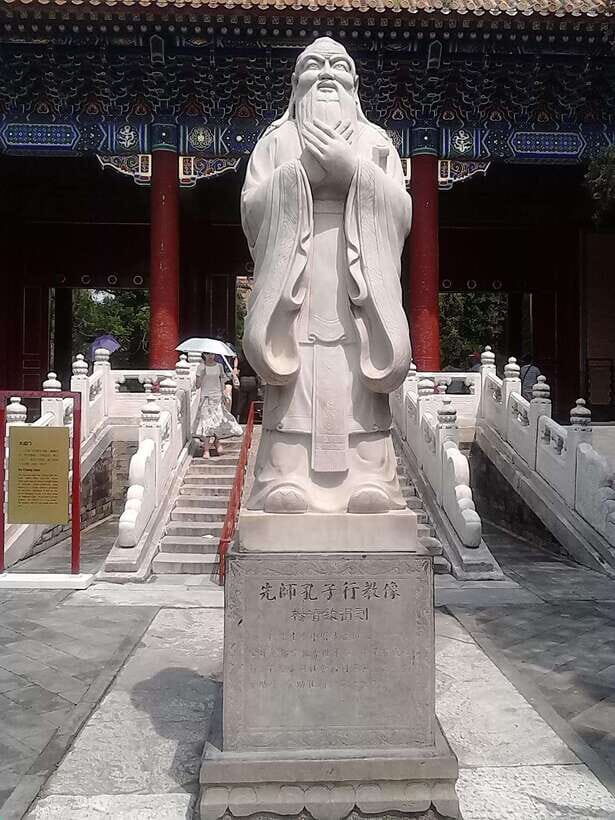
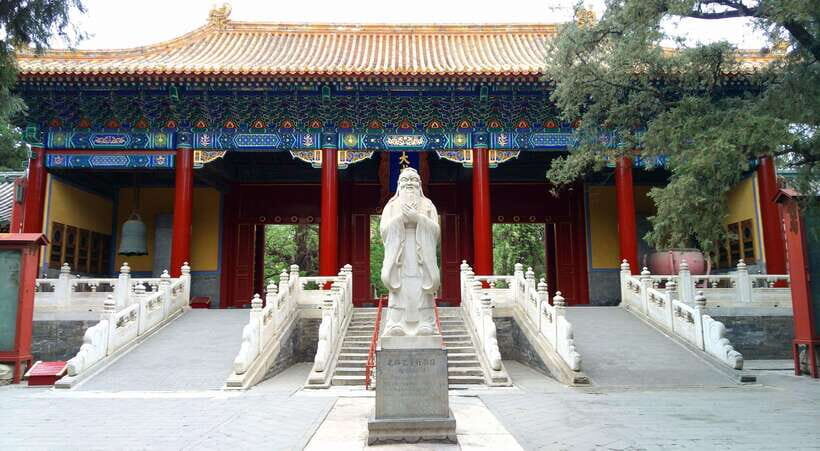
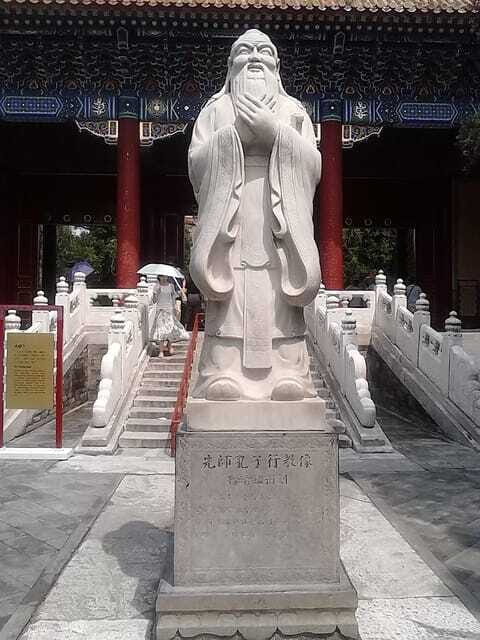
If you like places where ideas feel physical, the Beijing Confucius Temple is a strong stop. You’re not just looking at artwork—you’re walking a design made to teach order and respect. The complex includes courtyards and halls built around that old-school rhythm: move in, pause, look closely, move on.
The standout feature here is the temple’s big connection to scholars through stone tablets. Those tablets are where the past shows up in a way you can actually read and compare, even if you don’t know every word. It’s also one reason this doesn’t feel like a quick photo spot only. You can spend time noticing details, then catch your breath in the quieter courtyard spaces.
And yes, you get a “Confucius” experience that’s bigger than the name suggests. The temple is built in 1302 and is described as among the largest Confucius-dedicated temples in China. That size matters for two reasons: you’ll see more than the smallest highlights, and the place has enough rooms and angles that your walk doesn’t feel like a single straight hallway.
You can also read our reviews of more tours and experiences in Beijing.

A note on what kind of visit this is
This is not designed as a long guided lecture. It’s designed to get you in efficiently—especially because it includes entry to another key site, the Guozijian Imperial College. If you want heavy context at every stop, you may need to ask questions as you go or consider adding a fuller tour later.
Guozijian (Imperial College): When the Exam Culture Meets the Old Campus
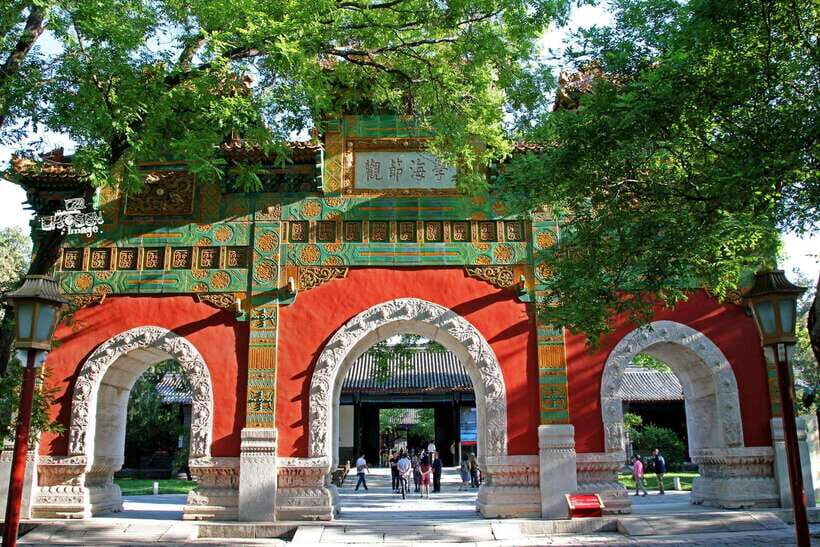
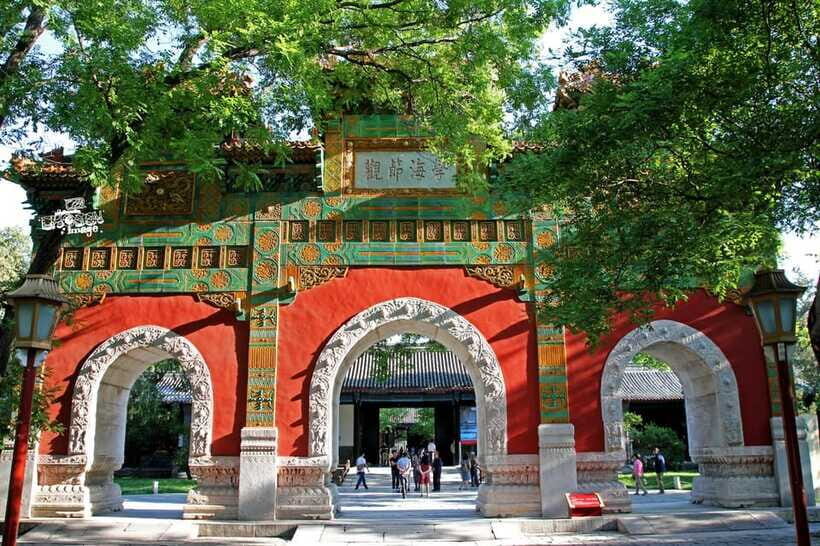
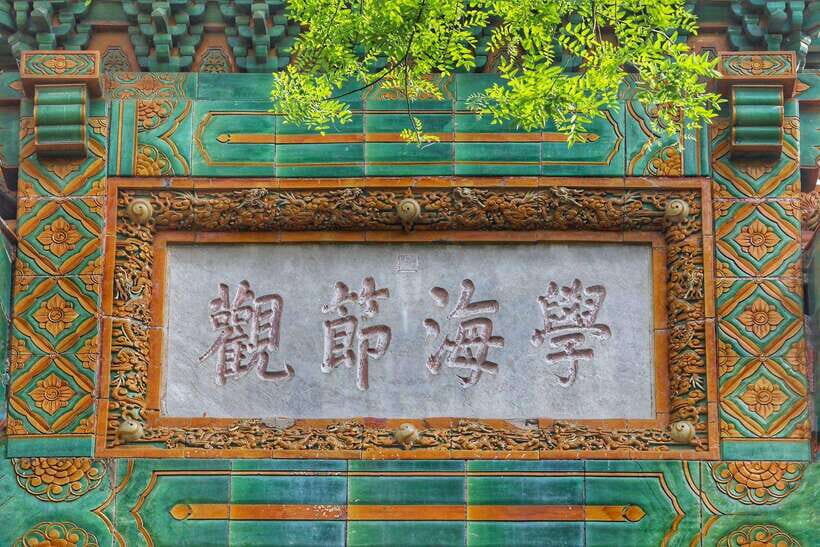
Just as important as the temple is the Guozijian, also known as the Imperial College. This is described as China’s most prestigious ancient educational institution, where elite scholars were trained for leadership. That changes how you see the grounds.
Instead of thinking, Oh, it’s a temple, you start thinking, This is a place that shaped the path to power. Even if you know Confucian ideas already, Guozijian gives you a more specific angle: education as a system, not just a philosophy.
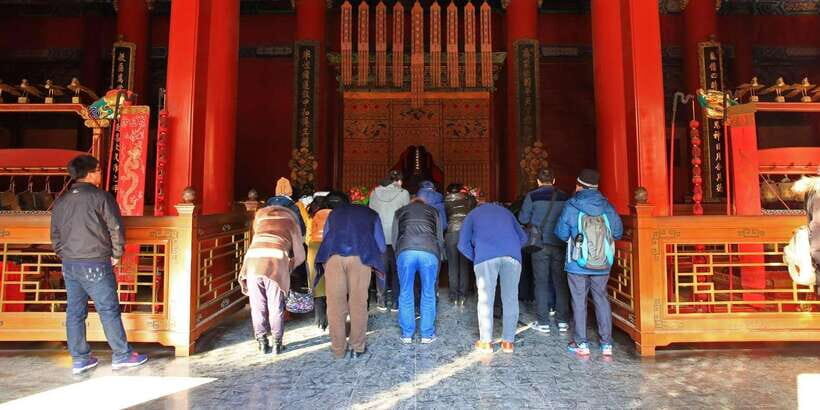
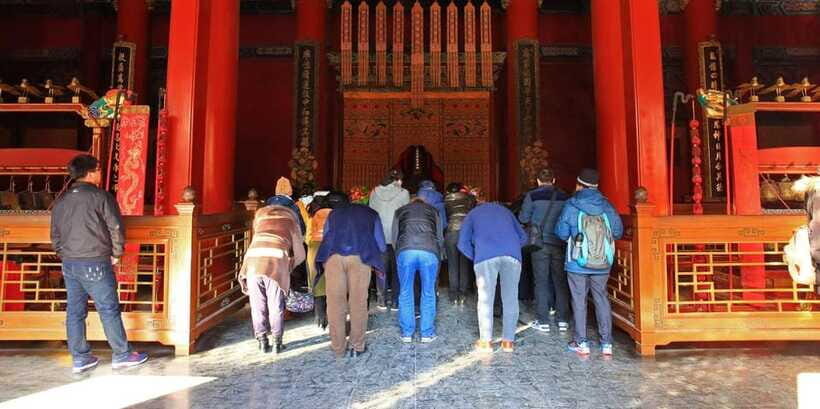
One of the most interesting parts is that the tradition didn’t fully disappear. Today, students still visit the temple to pray for success in their college entry exams. That means you might notice a modern devotional vibe mixed into the old architectural setting. It can feel less like history behind glass and more like history still doing its job.
If you’re the type of traveler who likes cultural continuity—seeing how beliefs turn into routines—this is one of the main reasons this visit can feel more meaningful than an ordinary attraction. The two sites work together: Confucius Temple gives the moral and cultural grounding, and Guozijian gives the education-and-testing reality.
What Happens on the Ground: How Your Ticket Entry Really Works
Here’s the practical truth of this experience: the smoothness is tied to ticket delivery.
The process runs through WhatsApp. A guide or team member will reach out to you to collect booking details—your full name and passport number. They then prepare your tickets so they’re ready when you arrive. The important catch is that the guide QR code you receive is not the ticket itself. You should expect the actual entry tickets to be sent after they have your information.
This matters because the included benefit is that you skip the ticket line—but only if you show the correct ticket details at entry. If your tickets arrive late or don’t match what the entry system expects, you could lose time or, in a worst-case scenario, be turned away.
A few bookings flagged issues like not receiving tickets in time, ticket acceptance problems, or needing to repurchase entries. Those are not small annoyances when your day is only one day long. So the best move for you is simple: respond quickly on WhatsApp, double-check your name spelling, and keep an eye on your phone so you’re not scrambling at the gate.
Realistic timing for a one-day visit
Because this is a one-day experience covering both Confucius Temple and Guozijian, you should treat it as a “walk + look + move” day. You won’t be doing a slow, all-day photo marathon across Beijing landmarks. You’ll spend enough time to experience the courtyards and tablets, then shift into the Imperial College area to connect the education theme.
If you’re traveling with kids or you get tired quickly, the compact format can be a relief. If you’re the kind of traveler who likes lingering in each hall for an hour, you may feel pressure from the schedule.






Architecture Highlights: What to Look For When You Walk the Complex
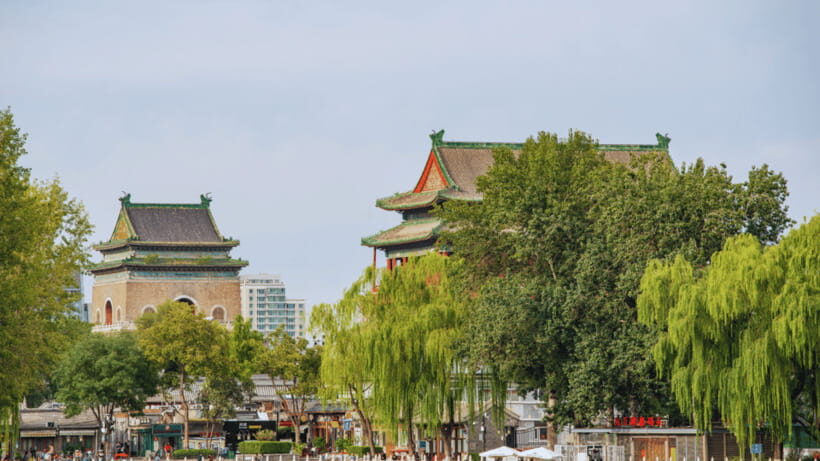
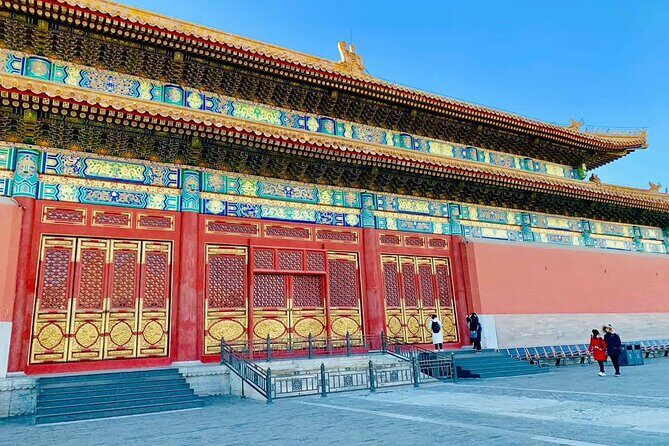
The Confucius Temple complex is built for symmetry and calm. That means your best experience comes from slowing down just enough to notice layout.
Here are the types of things you’ll want to look for as you move:
- Stone tablets and scholar-related inscriptions (your time here turns it from photo stop into story stop)
- Courtyard spacing—how each open area resets your pace
- Hall entries and thresholds—how the place guides movement
- The way the temple and Imperial College areas connect the theme of learning across spaces
Even without deep background knowledge, you’ll pick up the vibe quickly. The place is designed to feel orderly, respectful, and slightly ceremonial. That’s why it works for both history lovers and people who just want a memorable cultural walk.
Crowd expectations (set them honestly)
One recent booking specifically said the temple was not crowded at all, which is exactly what you want for a calm visit. At the same time, you shouldn’t assume that will always be the case. If you want the best chance of a quieter experience, plan your visit earlier in the day so you’re ahead of larger waves.
The Value Check: Is $12 Worth It?
At $12 per person for entry to both Confucius Temple and Guozijian, the price is hard to argue with. The main value isn’t only the ticket cost—it’s the promise of a smoother process through skip-the-line entry.
But you should judge value based on execution. If tickets arrive on time and match your details, you get a low-cost, efficient cultural day. If tickets arrive late or fail at entry, value drops fast because repurchasing defeats the point of saving time and money.
So the value question is really two-part:
1) Are you comfortable coordinating quickly through WhatsApp and keeping your phone handy?
2) Does your schedule allow a buffer if there’s a hiccup?
If yes, the pricing is strong. If no, you may want to consider other options where entry is handled more directly.
Who This Works Best For (and Who Might Skip It)
This visit is a good fit if you want:
- A fast cultural day in central Beijing with two major learning-related stops
- A low-budget option that still gets you inside important historical spaces
- You like the theme of education and tradition, not just sightseeing
It’s not the best fit if:
- You need extensive explanation at every step and hate asking questions
- You’re visiting under tight time pressure and can’t handle the ticket prep timing
- You expect a museum-level deep guided program across every hall
There’s also a practical fit point: wheelchair accessibility is mentioned, so if that’s a requirement for you, this option is flagged as accessible.
Practical Tips for Making the Day Feel Smooth
You can turn this into a low-stress outing with a few simple moves:
- Use WhatsApp on the phone you’ll bring to the site, and answer quickly when they contact you.
- Provide your full name and passport number carefully. Small mismatches can cause ticket problems.
- Treat the QR code you receive as a step in the process, not the entry proof. The tickets are sent after your information is submitted.
- Go in with the right mindset: you’re walking through architecture and reading stone details more than you’re scanning for a single landmark.
If you’re hoping to catch a ceremony, there’s a hint of that possibility. One booking said they could attend a Buddhist ceremony and found it impressive. Still, don’t count on a specific event happening every day. Think of it as a possible bonus, not a guaranteed schedule item.
Should You Book This Confucius Temple + Guozijian Entry?
I’d book it if your priorities are time efficiency, low cost, and a meaningful theme (learning, Confucian legacy, and the Imperial exam tradition). The pairing of Confucius Temple with Guozijian is the key strength, and the “skip the ticket line” idea makes sense for a one-day plan.
I’d hesitate if you’ve got a tight itinerary where ticket delivery delays would ruin your day, or if you strongly prefer a more hands-on guided experience. With any ticket-based setup, the smoothness lives or dies on correct information and timely ticket sending.
If you do book, your best protection is simple: respond fast on WhatsApp, confirm your details carefully, and keep your phone ready so the tickets arrive when they should.
FAQ
Does this include entry tickets for both places?
Yes. It includes entry tickets for Confucius Temple and the Imperial College (Guozijian).
How much does it cost?
The price is listed as $12 per person.
Is this a one-day experience?
Yes. It’s valid for 1 day from first activation.
How do I get the tickets?
You’ll be contacted via WhatsApp for booking information (full name and passport number). The tickets are prepared once that information is provided, and the actual tickets are sent after.
Is the QR code the ticket?
No. The QR code is not the tickets. You’ll receive the tickets separately once your information is submitted.
Can I skip the ticket line?
Yes, the experience includes skip-the-ticket-line entry when you have the correct tickets.
What’s the wheelchair accessibility like?
Wheelchair accessibility is listed for this activity.
Can I cancel and get a refund?
Yes. Free cancellation is available up to 24 hours in advance for a full refund.
Is the Confucius Temple part of the visit included?
Yes. Confucius Temple entry is included.
Can I expect something besides buildings, like prayers or ceremonies?
At the Guozijian/Confucius Temple area, students still visit to pray for success in their college entry exams. Also, one booking mentioned being able to attend a Buddhist ceremony during the visit, though it may not be the same every day.