REVIEW · BEIJING
4-Hour Private Beijing Hutong Bike Tour with Dumpling Lunch
Book on Viator →Operated by Sunflower Tours China · Bookable on Viator
Real Beijing, one pedal at a time. This private hutong bike tour strings together well-known stops and quieter lanes where everyday life still looks local, not staged. You also get a Drum Tower drum show and a classic dumpling lunch, plus door-to-door car transfers so you spend less time figuring out transport.
I love the door-to-door transfers from your hotel. I also love that the lunch is built into a typical hutong eatery, so you eat like people do around the neighborhoods, not just at a tourist counter.
One thing to plan for: the bike isn’t included. You’ll use your own WeChat to scan a Mobike, so make sure your phone is charged and ready.
In This Review
- Key things to know before you ride
- Getting started in your hotel lobby, then straight into the hutong lanes
- Back Lakes (Hou Hai) and Shichahai: the water views that make the hutong feel human
- Yandai Xie Street: old commercial stonework and souvenir browsing with character
- Yinding Bridge and the day-to-night mood shift
- Bell and Drum Towers: the 69 stairs and the drum show payoff
- Baochao Hutong lunch: potstickers in a lived-in lane
- Nanluoguxiang and narrow hutongs: bustling charm without losing the street-level feel
- Tea at Wuyutai Tea Shop (Wangfujing): a hutong pause with real drink options
- Mao’er Hutong and an authentic wet market stop
- Jinding Bridge and the lakeside final look
- Price and what $199 really buys you
- Who should book this hutong bike tour
- Should you book it? My take
- FAQ
- Is pickup from my hotel included?
- What time does the tour start?
- How long is the tour?
- Is the bike included?
- What’s included with the ticket price?
- Do I need to pay extra for the Drum Tower?
- Is there food on the tour?
- Do I need to cancel a day or more ahead?
Key things to know before you ride
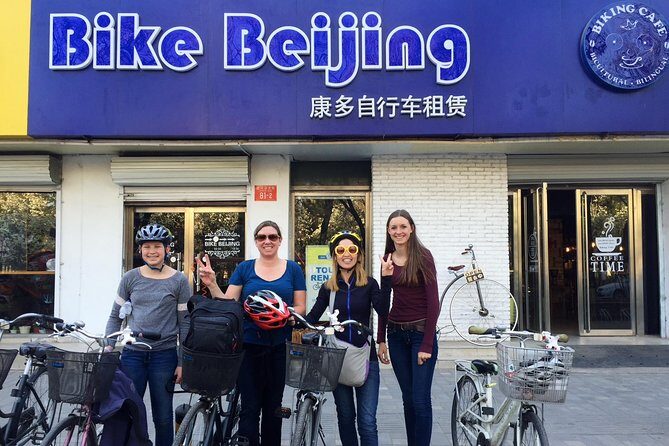
- Private, English-speaking guide with room to personalize your route and stops
- Hotel-to-hutong transfers (within 3rd Ring Road) that keep the ride smooth
- A real Drum Tower experience, including entrance and a drum show
- Dumpling lunch in a hutong eatery, not just a quick snack
- Back Lakes and bridge views that shift from daytime mood to evening atmosphere
- Mobike-style bikes via WeChat since the tour doesn’t supply the bicycle
Getting started in your hotel lobby, then straight into the hutong lanes
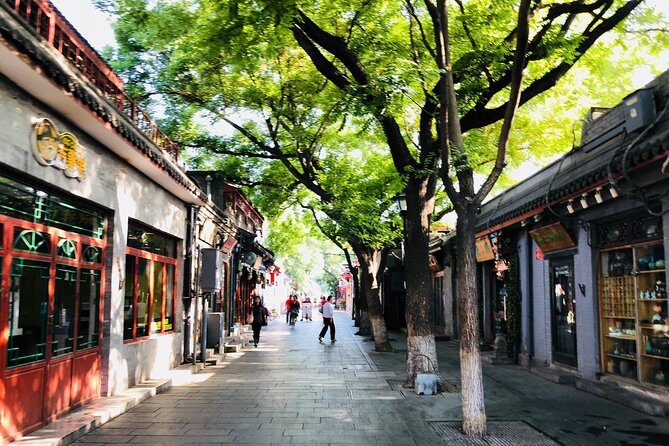
This tour is designed to feel easy from the first minute. You meet your private guide at your hotel lobby at either 9:00am or 2:00pm, and you’re transferred to the start area by private car. That matters in Beijing, where traffic and station-hopping can eat up your energy.
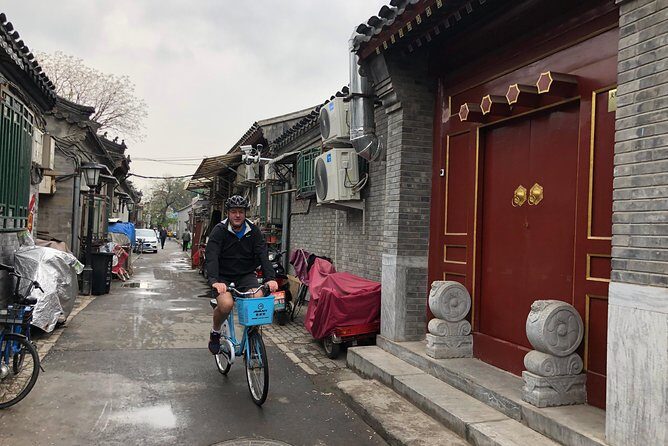
Once you arrive, you get your helmet and get oriented for the biking part. The tour uses a mobile-ticket format, so you’re not stuck with paper confirmations. You’ll ride at a comfortable pace through hutong streets rather than rushing from monument to monument. The goal is simple: help you see how the neighborhoods work—courtyards, small storefronts, side lanes—without making you do all the route planning.
A quick reality check: the bike isn’t provided. Instead, you’ll use a Mobike that you scan with your own WeChat. If you don’t regularly use WeChat for payments, it’s worth doing a quick test at home (or right before you go out) so you’re not hunting for a working app while everyone else is already rolling.
You can also read our reviews of more cycling tours in Beijing
Back Lakes (Hou Hai) and Shichahai: the water views that make the hutong feel human
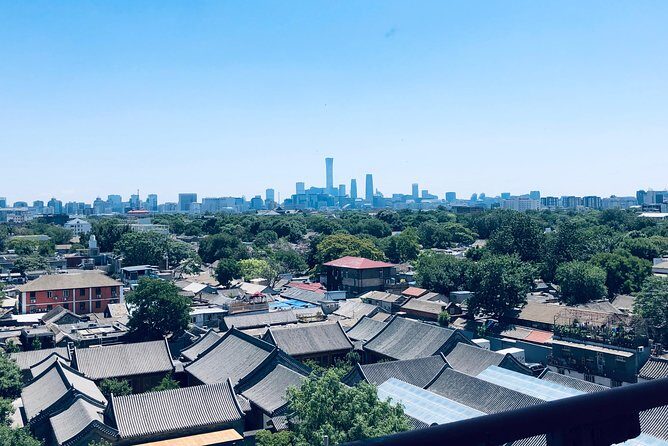
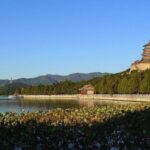
Your first major chunk of time is in the Back Lakes area around Hou Hai / Shichahai Scenic Resort. This is one of those parts of Beijing where the hutongs meet water and daily life feels visible at street level. You get lake views plus nearby lanes where people are actually out and about.
Even if you’ve seen photos of Hou Hai, the biking angle changes the whole experience. From the saddle, you notice the rhythm: quiet corners, little crossings, and the way the neighborhood bends around the water. It’s a good start because it sets expectations. You’re not going straight to a big ticket attraction. You’re learning the lay of the land first, then building outward.
You also get a scenic sense of place through Shichahai’s mix of restaurants, bars, cafes, and hutong streets. That doesn’t mean it’s just a party zone. It’s more like a neighborhood “hub,” where you can feel how locals and visitors share the same blocks—often within a few steps of each other.
Practical note: this is also a good time to ask your guide what to watch for next. A good guide can point out signs of traditional courtyard life and explain why certain lanes feel busier at specific hours.
Yandai Xie Street: old commercial stonework and souvenir browsing with character
Next comes Yandai Xie Street, described as Beijing’s oldest commercial street. The standout here isn’t a single building—it’s the atmosphere of the lane itself. You’ll pass traditional-style stone buildings that house souvenir and handicraft shops.
This stop is short, but it’s useful. It gives you a sense of how commerce used to happen in Beijing: narrow frontage, walk-up shops, and a street design that supports strolling rather than driving. If you want small gifts that don’t feel like generic airport merchandise, this is the kind of place where you can browse without committing to a full shopping hour.
Don’t treat it like a museum. Use it like a neighborhood street. Walk slowly, look at storefront craft details, and ask your guide what kinds of items are made locally versus imported.
Yinding Bridge and the day-to-night mood shift
From there, you move to Yinding Bridge, which is often called the money bridge. It’s designed as an ancient Chinese ingot shape, and the result is a bridge that feels symbolic and visual. This is one of the stops where timing actually matters.
The area tends to carry an energy throughout the day and into the evening, and the change between those moods is part of why it’s included. If you’re on the afternoon slot, you may catch more of that transition into night-time atmosphere. If you’re on the morning slot, you’ll see how the same view reads earlier in the day—often calmer, more street-level, and less about crowds.
Even if you’re not a “bridge person,” this is a nice reset point. It’s a chance to stop pedaling, get a few photos, and regroup before the next concentration of attractions.
Bell and Drum Towers: the 69 stairs and the drum show payoff
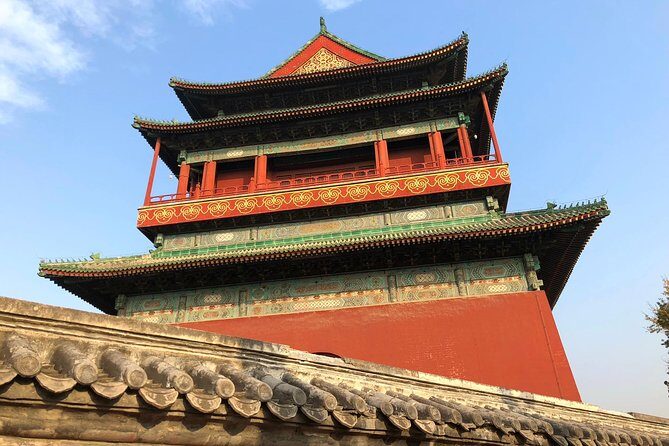
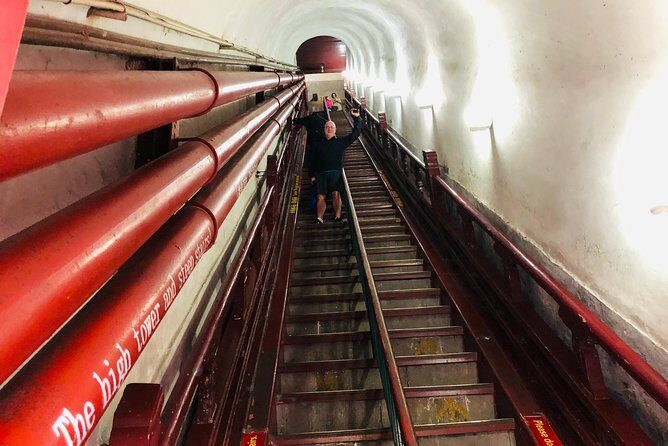
One of the tour’s most concrete attractions is the Bell and Drum Towers, where the big moment is going up 69 stairs to reach the Drum Tower for a drum show. Entrance is included, so you’re not juggling ticket lines or extra payments.
Let’s talk about what you’ll feel during the climb: it’s short enough that it doesn’t feel like a workout hike, but it’s real. Comfortable shoes matter here, and so does pacing. If you’re carrying a phone, sunglasses, or small bag, keep it light. Once you reach the top, the payoff is twofold: you watch the drum performance, and you get stunning views across the Beijing skyline.
Even when you think you already know what a drum show is, the setting changes it. Drum performances in old tower spaces tend to feel more resonant and “made for the room,” not like something staged in an open plaza. It’s also one of the few places in a hutong-focused tour where you can clearly see how old Beijing and the wider city meet.
This stop is one reason the tour is worth it even for people who think they’ve “seen Beijing already.” It anchors the day with a signature cultural moment, then returns you to neighborhood streets after.
You can also read our reviews of more private tours in Beijing
Baochao Hutong lunch: potstickers in a lived-in lane
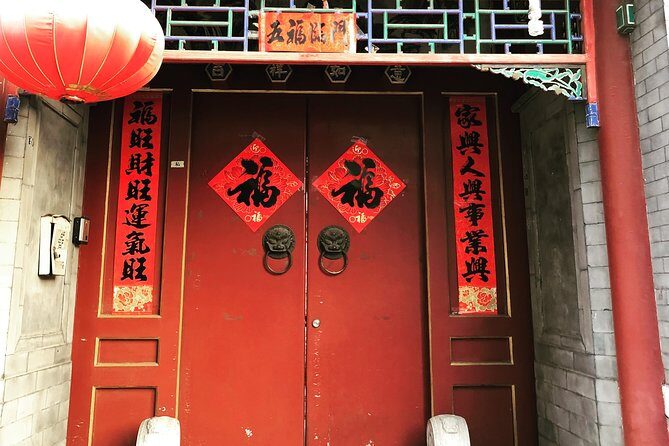
Now the tour shifts gears to food—specifically, a dumpling lunch in Baochao Hutong. This is described as an old hutong with local residents plus fruit shops, restaurants, and a few lesser-known spots like hidden bars and cafes. There’s also a notable connection here: the Orchid Hotel is located in this hutong.
What I like about building lunch into this part of the route is that you eat with the hutong around you, not in a separate “attraction zone.” Lunch becomes part of the neighborhood pacing. You’re not just stopping to eat; you’re also stepping into a lane that looks and feels like daily life.
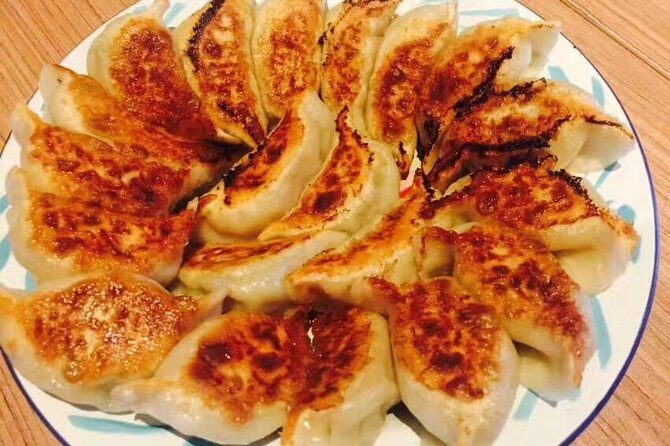
The meal is focused on dumplings, and the description highlights a Beijing potstickers feast. If you have dietary restrictions or food allergies, the tour asks you to notice them ahead of booking, which is important for a meal that’s built into the schedule.
If you want a simple strategy: go hungry, but don’t over-plan. After cycling and tower stairs, a dumpling lunch hits the sweet spot—comfort food that’s substantial but not heavy enough to slow you down for the rest of the ride.
Nanluoguxiang and narrow hutongs: bustling charm without losing the street-level feel
After lunch, you ride through Nanluoguxiang, a lively area with boutique stores and snacks along the way. The good part about having a private guide is that you don’t have to treat this street like a scavenger hunt with a crowd. Your route can focus on narrow hutong lanes connected to the wider street.
This is where you may pass narrow hutongs such as Yu’er Hutong, Mao’er Hutong, and Baochao Hutong. The contrast is the whole point. You see a famous commercial street, but your time also includes the side lanes that explain what’s behind the postcard version.
Nanluoguxiang can be more “visitor friendly” than some other hutong sections, so it’s a helpful place to browse if you want to pick up something small. Still, the guide’s job is key here: help you keep the focus on the neighborhood structure rather than just stepping into shops one after another.
Tea at Wuyutai Tea Shop (Wangfujing): a hutong pause with real drink options
Next comes a short tea stop at Wuyutai Tea Shop. This is placed in the hutong context while also being associated with Wangfujing, which gives you a useful sense of how Beijing’s commercial areas connect to older street life.
Here you can get teas like jasmine, chrysanthemum, green tea, and oolong. Even if you don’t make a purchase, this stop gives you a rhythm break between ride sections. It’s also a nice moment to slow down and let your guide point out details you might otherwise miss while cycling.
Practical tip: if you buy tea, keep it in your bag during the rest of the tour and avoid carrying it loose. You’ll likely be moving between viewpoints and lanes, and you don’t want to juggle bottles or containers.
Mao’er Hutong and an authentic wet market stop
You end up at Mao’er Hutong, which has a fascinating link to royal history. The description notes that the last emperor’s empress lived here after the royal family was driven out of the Forbidden City. You also get scenery like courtyard features and locust trees, which fits the classic image of hutong life.
Another included moment: a stop at an authentic wet market. The tour mentions learning at this point, though it doesn’t spell out the exact lesson. What you can expect is a street-level look at how daily food life operates in the neighborhood, framed by your guide’s context.
This is a great stop for photographers, food-watchers, and anyone who likes to understand a place through everyday routines rather than just monuments.
Jinding Bridge and the lakeside final look
The final bridge stop is Jinding Bridge, which means Golden Ingot Bridge. It’s a good spot to enjoy Back Lakes (Houhai) again, likely as a wrap-up viewpoint after your earlier street and tower segments.
This is the “let it sink in” part of the tour. You’ve already seen the water, bridges, and hutongs from multiple angles. Now it all comes together visually. If you’re on the afternoon schedule, you may notice more of that day-to-night atmosphere again. If you’re on the morning schedule, the calm lake view can feel especially clear after a full route.
When you finish, your guide transfers you back to your hotel.
Price and what $199 really buys you
At $199 per person, this tour sits in the “not cheap, but not random” category. Here’s what you get for the money based on what’s included:
- Private guide in English
- Round-trip door-to-door private car transfers from your hotel (within the 3rd Ring Road)
- Taxi and subway fare within the same zone
- Helmet included
- Drum Tower entrance fees included
- Dumpling lunch included
- A mobile ticket
The big trade-off is the bike. You handle the bike by scanning a Mobike via WeChat. Also, some extras aren’t included, like street food tasting or alcohol.
So the value question becomes this: are you paying for convenience plus specific cultural anchors? If yes, then $199 makes sense, especially for a private format where you’re not stuck waiting for a group rhythm. If you’re the type who likes to plan everything yourself and you already know how to handle bike-share systems confidently, you might find cheaper options. But if you want a smooth, guide-led hutong loop with a real drum show, this price starts to feel fair.
Who should book this hutong bike tour
This is a strong choice if you:
- Want hutong neighborhoods without spending hours on planning
- Prefer a private guide who can adapt to your interests
- Like a mix of viewpoints plus street-level life
- Don’t mind moderate biking and want a short, structured ride
It may be less ideal if you:
- Don’t want to use WeChat for the bike
- Have low tolerance for stairs, since the Drum Tower includes 69 steps
- Want a fully “no physical effort” tour (this does involve biking)
The tour also notes a moderate fitness level and recommends comfortable shoes, so treat it as a light-to-moderate active experience rather than a pure sightseeing stroll.
Should you book it? My take
If you care about the hutong experience but don’t want the logistics headache, this tour is a smart booking. The mix of Hou Hai views, the Drum Tower drum show, and a dumpling lunch in Baochao Hutong gives you three real anchors, not just a string of photo stops. Add door-to-door transfers and you get something rare in city travel: a plan that runs on rails.
If you’re comfortable with bike-share and you have your WeChat set up, it’s even more appealing. For me, the best reason to book is simple: the route is designed to show traditional neighborhood life while still hitting major cultural moments in a compact 4-hour window.
FAQ
Is pickup from my hotel included?
Yes. The tour includes pickup from your hotel lobby, followed by round-trip door-to-door private car transfers. Taxi and subway fare are included within the 3rd Ring Road.
What time does the tour start?
You can choose a 9:00am start or a 2:00pm start. The meeting point is your hotel lobby.
How long is the tour?
The duration is about 4 hours.
Is the bike included?
No. The bike is not included. You use your own WeChat to scan a Mobike.
What’s included with the ticket price?
Included items are an English-speaking tour guide, helmet, entrance fees to the Drum Tower, dumpling lunch, and taxi and subway fare within 3rd Ring Road.
Do I need to pay extra for the Drum Tower?
No. Entrance fees to the Drum Tower are included in the tour.
Is there food on the tour?
Yes. You’ll have a traditional dumpling lunch at a hutong eatery. If you have dietary restrictions or allergies, you need to notify the booking ahead of time.
Do I need to cancel a day or more ahead?
You can cancel for a full refund up to 24 hours before the experience starts.
If you’d like, tell me your travel dates and whether you prefer the 9:00am or 2:00pm slot, and I’ll help you choose the better one for the day-to-night bridge vibe.