REVIEW · BEIJING
Beijing Royal Banquet with Chinese culture prefermance
Book on GetYourGuide →Operated by cowbunny · Bookable on GetYourGuide
Banquet time, Beijing style. This one pairs a royal-style cuisine tasting with Chinese cultural performances, served inside Yuxiandu’s exhibition and tasting spaces. It also carries extra pull because the event has drawn celebrities and politicians over the years.
I especially like the way the evening feels built around big, classic court-flavored dishes. You also get a smart museum angle too, with a dedicated historical exhibition area and a central kitchen you can see in action. The main consideration: the menu is very traditional, including sea cucumber and fish maw, plus roasted lamb and youtiao with milk—so if you avoid specific foods, plan carefully.
In This Review
- Key highlights at a glance
- Entering the Yuxiandu royal cuisine world
- The banquet menu: what you’ll actually eat
- Snacks and appetizer platter
- Braised sea cucumber with fish maw (casserole)
- Marinated tofu and bamboo shoots
- Roast duck with jujube wood
- Chinese cabbage in soup
- Roasted lamb
- Longevity noodles with poached eggs
- Deep-fried dough sticks (youtiao) with milk
- Yoghurt filled with honey
- The performances: how the show fits the meal
- Skip-the-line entry and what to do with your time
- Price and value: is $150 fair for 2.5 hours?
- Who this Beijing Royal Banquet suits best
- Should you book the Beijing Royal Banquet?
- FAQ
- How long is the Beijing Royal Banquet experience?
- How much does the Beijing Royal Banquet cost?
- Where is the meeting point?
- What time should I arrive for lunch?
- What time should I arrive for dinner?
- Is there a skip-the-line option?
- What languages are available for the host or greeter?
- Are there cultural performances included?
- Is the experience wheelchair accessible?
- Can I cancel for a full refund?
- Does it offer reserve now & pay later?
Key highlights at a glance
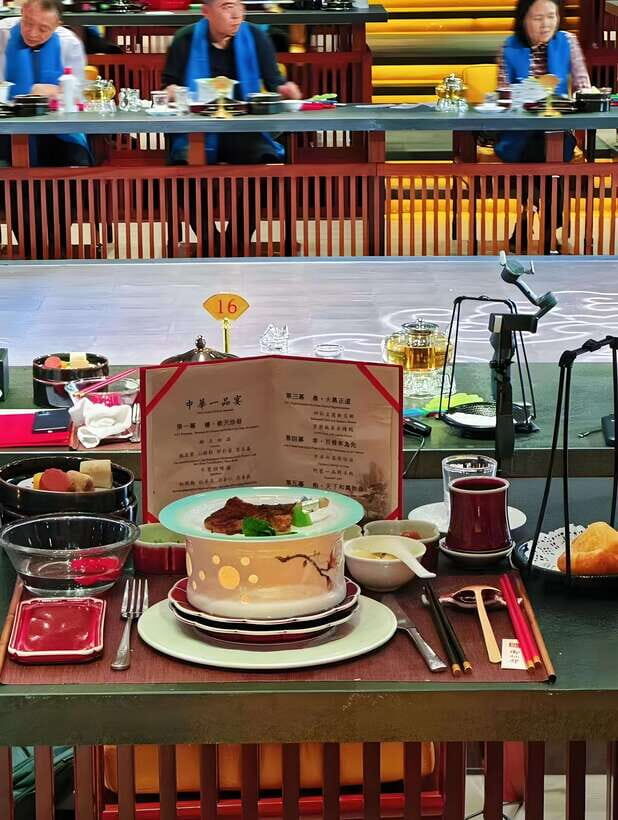
- Yuxiandu royal cuisine spaces: about 1,500 sq m for exhibition, plus 10,000+ sq m for tasting
- Celebrity and politician attendance adds extra gravitas to the vibe
- Chinese cultural performances as part of the banquet experience
- A full banquet menu with roast duck, braised sea cucumber with fish maw, longevity noodles, and more
- Skip-the-line entry through a separate entrance
Entering the Yuxiandu royal cuisine world
This banquet is anchored at Yuxiandu, a royal cuisine historical and cultural exhibition area that covers about 1,500 square meters. Then the experience expands into a royal cuisine tasting area of more than 10,000 square meters, which matters because it signals scale. In practice, you’re not just walking in for dinner—you’re stepping into a full setting designed to frame food as culture.
I like that Yuxiandu blends traditional and modern elements. Even the kitchen is described as transparent, green, environmentally friendly, and energy-saving. That combination tells you the venue is trying to be more than decorative. It’s aiming for a modern operation with a traditional purpose, which helps the experience feel polished instead of chaotic.
Also, this is the kind of place where you can learn while you eat. The exhibition area gives you context for why certain dishes are served in a royal style, and that makes the meal land more meaningfully than a simple restaurant dinner.
You can also read our reviews of more tours and experiences in Beijing.

The banquet menu: what you’ll actually eat
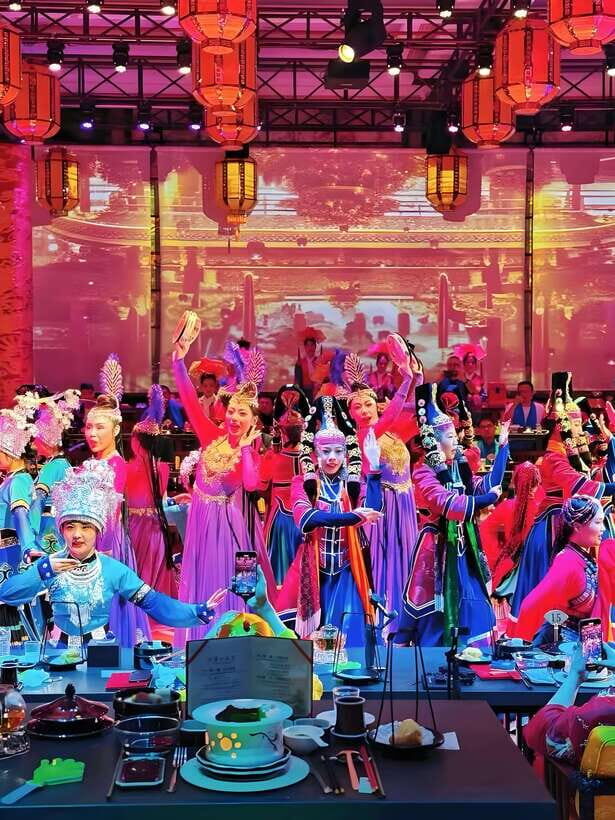
The meal is a proper banquet with multiple servings, built around classic Chinese dishes. From the menu list, you can expect snacks and an appetizer platter early, then a sequence of main dishes and traditional banquet items.
Here’s what’s included in the tasting:
Snacks and appetizer platter
You’ll start with snacks and an appetizer platter. This is a good setup if you want to get comfortable with the pace of a banquet meal. It also helps you avoid that awkward moment where dinner feels like it’s only one big serving at the end.
Braised sea cucumber with fish maw (casserole)
One centerpiece dish is braised sea cucumber with fish maw in a casserole. This is the sort of item people associate with high-status Chinese dining. If you’re curious about royal cuisine flavors, this is likely the dish you’ll remember.
Marinated tofu and bamboo shoots
You’ll also get marinated tofu and bamboo shoots. It’s a useful counterpoint to heavier meat-and-braise dishes. Even without getting fancy about it, this part of the menu signals variety, not just one-note richness.

Roast duck with jujube wood
The banquet includes roast duck with jujube wood. The jujube wood detail matters because it suggests a distinct roasting approach tied to traditional techniques. Duck is also a crowd-pleaser, which helps this feel accessible even if you’re new to these flavors.
Chinese cabbage in soup
Next up is Chinese cabbage in soup. Soups in banquet meals often act like a palate reset. This one also gives you something warm and gentle among the more intense dishes.
Roasted lamb
You’ll also see roasted lamb on the menu. Lamb can be comforting if you like savory roasts, but it’s also a heads-up: the banquet leans broad rather than strictly seafood or strictly vegetarian.
Longevity noodles with poached eggs
For a more symbolic course, the menu includes longevity noodles with poached eggs. This is the kind of dish that connects food with cultural themes, which is exactly where a “royal cuisine” experience works best.
Deep-fried dough sticks (youtiao) with milk
Then comes deep-fried dough sticks (youtiao) with milk. It’s a classic pairing that feels almost like the banquet is showing you everyday comfort food in a dressed-up setting. If you like crunchy, fried textures, you’ll likely enjoy this portion.
Yoghurt filled with honey
You finish with yoghurt filled with honey. It’s a sweeter note that still feels tied to traditional flavor habits rather than turning into a Western-style dessert.
The big takeaway: you’re not choosing off a menu. You’re getting a full cultural meal package, and the value is in that variety.
The performances: how the show fits the meal
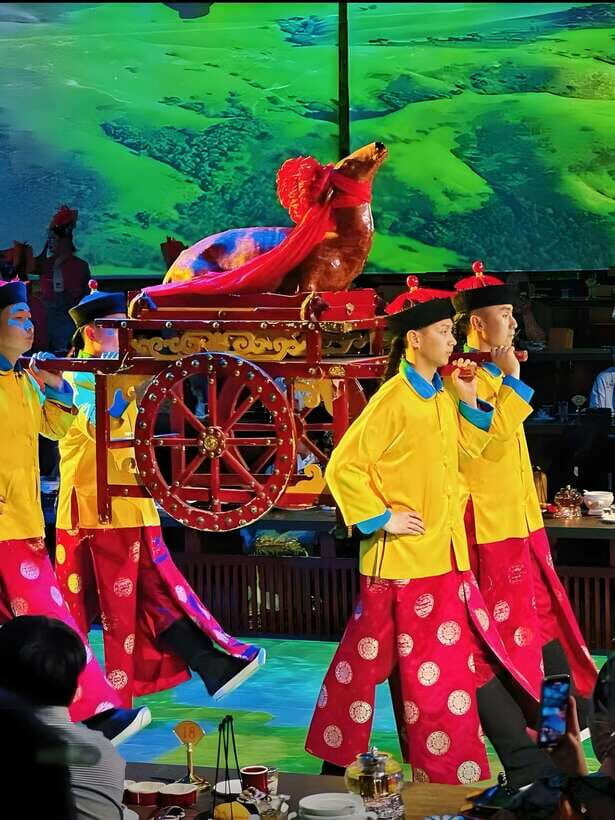
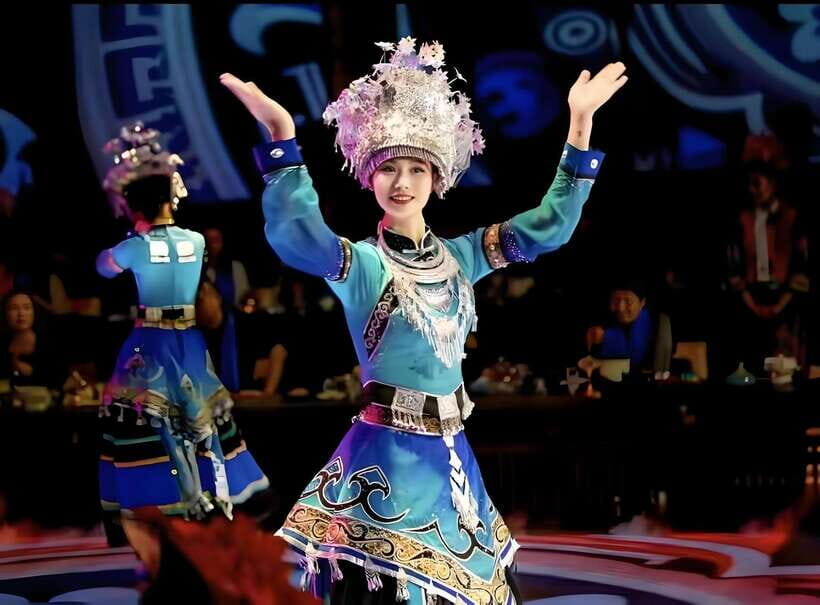
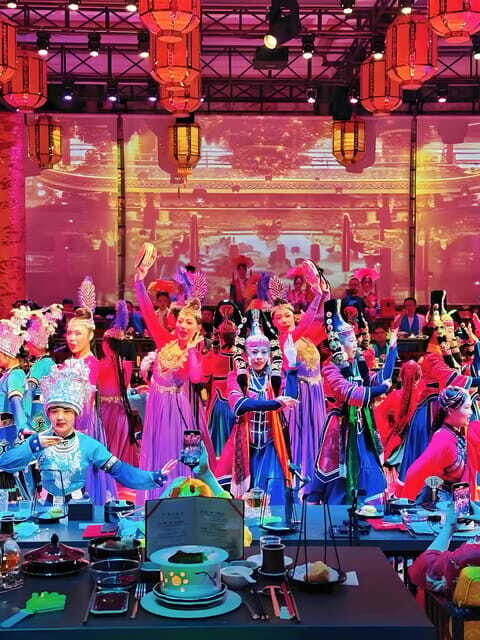
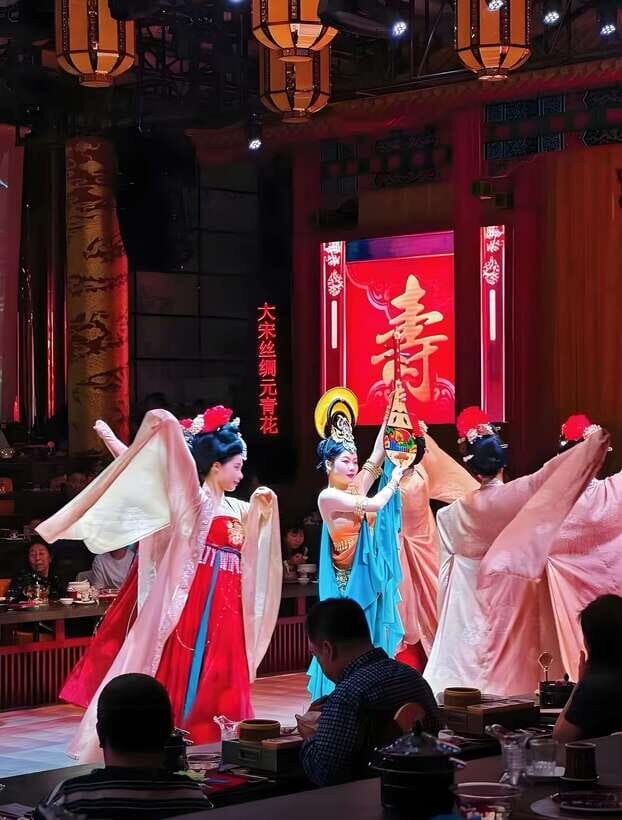
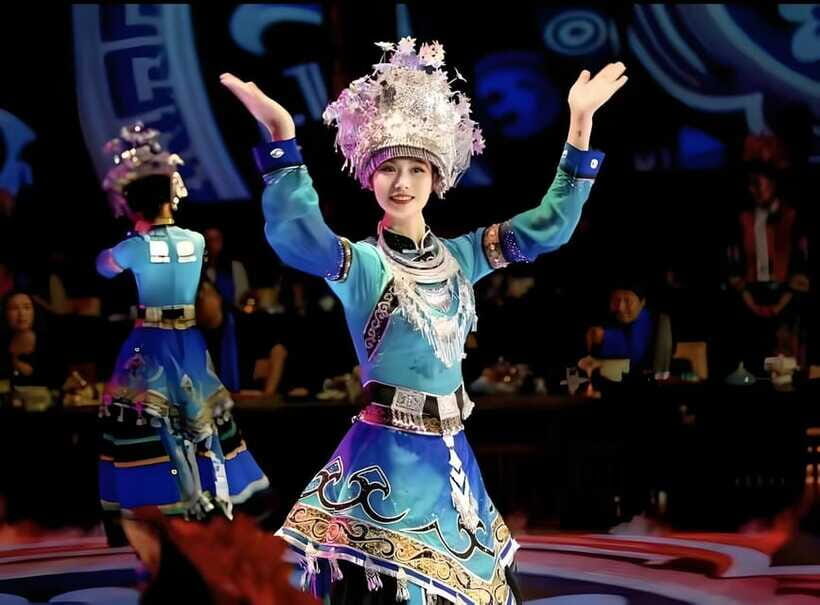
One of the main highlights is the royal experience with Chinese cultural performances. These aren’t just background entertainment. They’re part of the “royal” framing of the evening—turning the banquet into a staged cultural event.
This matters for your expectations. If you’re the type who wants food plus atmosphere, this is a strong match. If you’re only there for quiet dinner and zero distractions, performances might feel like a mismatch. But if you like being in a shared, scheduled event, the performance component is a core value add.
And because the event has been visited by many celebrities and politicians, the whole setup likely leans toward spectacle and presentation, not random dining vibes.
Skip-the-line entry and what to do with your time
The experience includes skip the line through a separate entrance, which is a real quality-of-life benefit in Beijing. Even if you’re traveling efficiently, crowds and check-in lines can eat into your evening. This is designed to keep you from losing time before the banquet actually starts.
Plan around arrival windows. For lunch, arrive before 11:15. For dinner, arrive before 18:15. That “be there early” requirement is worth respecting because a royal banquet runs on a tight schedule: once the show and courses begin, you don’t want to be late.
Also, there’s bilingual support. The host or greeter speaks Chinese and English, so you should be able to follow what’s happening without guesswork.
And yes, it’s wheelchair accessible, which is good to know if you need step-free or easier movement. If you’re traveling with mobility needs, this is the kind of detail that can make or break a plan.
Price and value: is $150 fair for 2.5 hours?
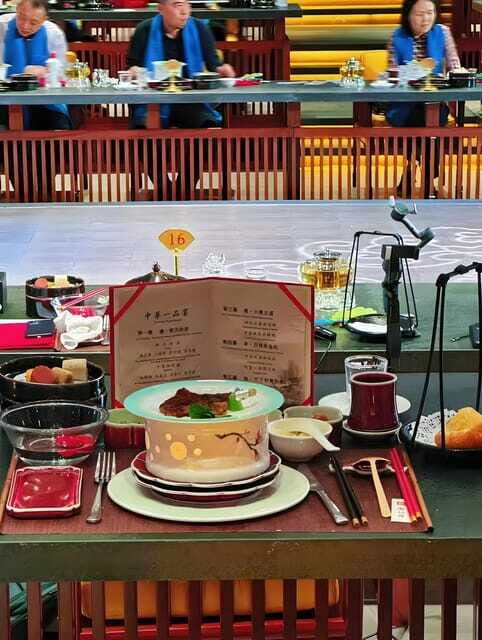
At $150 per person for 2.5 hours, the math is less about “is this cheap” and more about what you’re buying:
- A full banquet-style menu with multiple courses and items that are not everyday casual dinner choices
- A venue that includes both a historical exhibition area and a massive tasting area
- Chinese cultural performances included with the meal
- Skip-the-line entry, plus bilingual hosts/greeters
- A central kitchen concept that’s described as transparent and energy-saving, which supports the “modern venue” feel
In other words, you’re paying for the whole package: food plus cultural presentation plus an experience setting. If you compare this to a standard restaurant meal, it’s pricier. But if you compare it to a museum-style cultural evening where the schedule, show, and multi-course meal are bundled, it can start to look like decent value.
The honest fit depends on you. If you love trying traditional dishes and you enjoy show-and-dining formats, it’s easier to justify. If you’re the type who hates fixed menus or dislikes sea cucumber/fish maw and lamb, that’s when the cost can feel harder to “get your money’s worth.”
Who this Beijing Royal Banquet suits best
This experience is a strong match for:
- Food-curious travelers who want to try royal cuisine-style dishes in one sitting
- People who like structured cultural events, not just a free-form meal
- Travelers who appreciate context, since Yuxiandu includes a dedicated exhibition area
- Groups or couples who want a “one big evening plan” in Beijing
It may not be ideal for:
- Anyone with strong aversions to specific traditional foods listed on the menu (sea cucumber/fish maw, lamb, youtiao with milk)
- People who want a quiet meal without performances
- Anyone who can’t comfortably arrive by the stated lunch/dinner times
Should you book the Beijing Royal Banquet?
I think you should book this if you want a single, high-effort evening that mixes royal cuisine tasting, cultural performances, and a serious venue with both exhibition and dining space. The menu is built for variety, and the Yuxiandu setting makes it feel like an event, not just dinner.
Skip it if you’re a strict menu person who dislikes fixed tasting courses or if you know you’ll refuse multiple items from the menu list. Also, if your schedule makes it hard to arrive before 11:15 (lunch) or 18:15 (dinner), the timing pressure may sour the experience.
If you’re aiming for an easy win in Beijing—a complete cultural meal experience in 2.5 hours—this is the kind of plan that can work.
FAQ
How long is the Beijing Royal Banquet experience?
The duration is 2.5 hours.
How much does the Beijing Royal Banquet cost?
The price is $150 per person.
Where is the meeting point?
The meeting point is No. 117, West Fourth Ring North Road, Haidian District, Beijing, China.
What time should I arrive for lunch?
Please arrive before 11:15 for lunch.
What time should I arrive for dinner?
Please arrive before 18:15 for dinner.
Is there a skip-the-line option?
Yes. You’ll skip the line through a separate entrance.
What languages are available for the host or greeter?
The host or greeter speaks Chinese and English.
Are there cultural performances included?
Yes. Chinese cultural performances are included as part of the royal banquet experience.
Is the experience wheelchair accessible?
Yes, the experience is wheelchair accessible.
Can I cancel for a full refund?
You can cancel up to 24 hours in advance for a full refund.
Does it offer reserve now & pay later?
Yes. You can reserve your spot and pay later.