REVIEW · BEIJING
Traditional Chinese Tea Ceremony Experience
Book on Viator →Operated by Hutong Calligraphy Class · Bookable on Viator
Tea ceremony in Beijing is quietly powerful. This short session turns brewing into a lesson in respect, harmony, and mindfulness, led by a tea master who explains the why behind each step.
I like the small group setup (up to 15 people) and the five mini cups so you can taste Oolong, Pu-erh, green tea, jasmine tea, and flower tea without committing to a long, formal meal.
One possible drawback: it runs about 30 minutes, and there is no separate tour guide, so the best experience comes from asking questions while it is happening.
In This Review
- Key things I’d plan around
- A 30-minute tea lesson at the Chang An Grand Theater
- What you actually taste: Oolong, Pu-erh, green, jasmine, flower tea
- The ritual isn’t about sipping fast
- Staff interaction matters: Richard and the tea master explain the why
- No tour guide setup: how to get the most from 30 minutes
- Price and value: $9.90 for five cups and a real ritual
- Where it starts and how the walk back works
- Is this good for kids and families?
- Optional take-home tea: buy only if it clicks
- Who should book this tea ceremony?
- My quick decision check
- FAQ
- How long is the traditional Chinese tea ceremony?
- How much does the tea ceremony cost?
- Where does the experience take place?
- What is included in the ticket?
- Are there specific types of tea you’ll taste?
- Is there a tour guide included?
- Is a mobile ticket used?
- What group size should I expect?
- Can I bring my questions during the ceremony?
- Is free cancellation available?
- Will I be able to buy tea after?
Key things I’d plan around
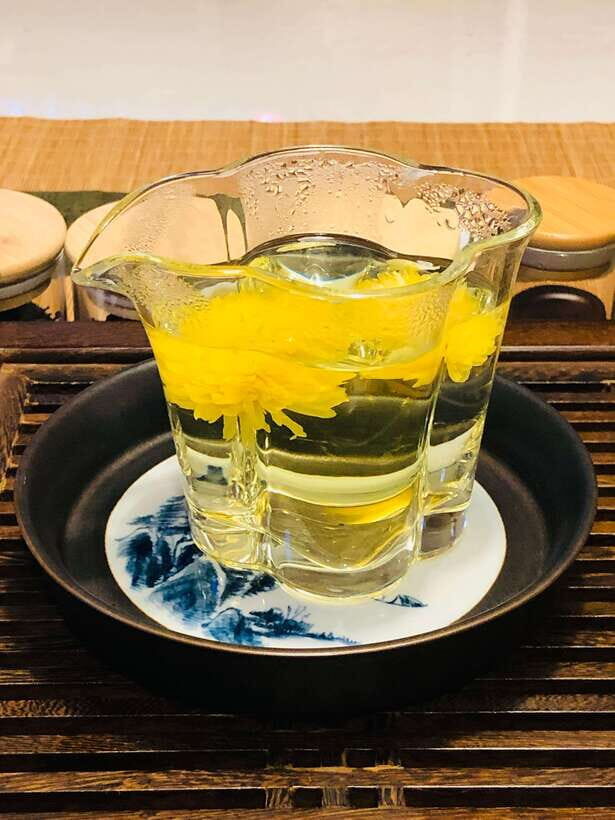
- Five teas, five mini cups: You sample multiple styles in one visit, which makes it easy to compare flavors and aromas.
- Technique is the main event: Warming the teapot and pouring are treated like a ritual, not just a process.
- Small group pace: With a max of 15, you’re less likely to get rushed through.
- Good for kids and adults: The structure is simple enough for families, but still meaningful for adults.
- Optional take-home tea: You can purchase tea after the ceremony, at your own expense, if you want more.
- A staff-led wrap-up: Afterward, the tea master manager walks you back to the meeting point or toward Jianguomen Subway station.
A 30-minute tea lesson at the Chang An Grand Theater
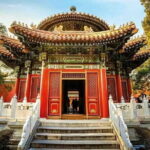
This is a compact cultural stop in Beijing, designed for people who want something real without losing half a day. You’ll start in the area of Jian Nei Da Jie (Dongcheng District), and the flow of the experience centers around Chang An Grand Theater.
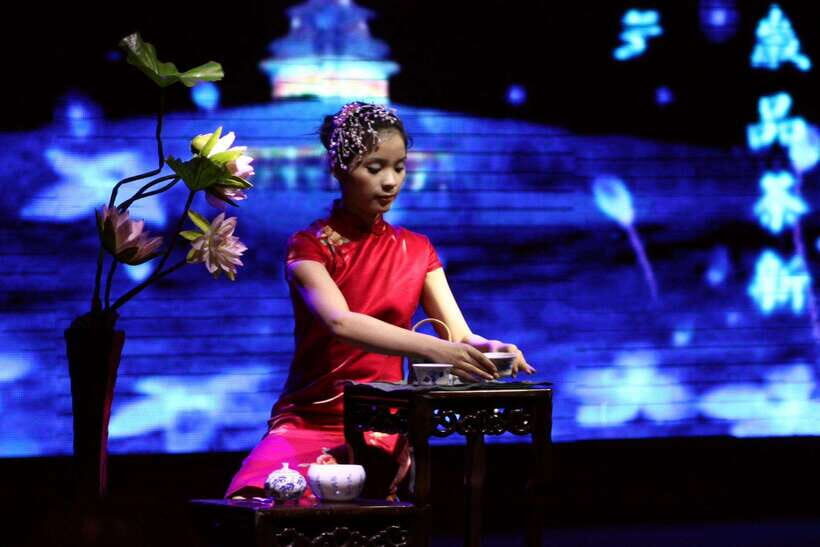
Expect a warm welcome from a tea master. Then you’ll move through the ritual steps at a calm pace that’s meant to slow your brain down and sharpen your senses—sight, smell, and taste all get their turn.
The session clocks in at 30 minutes (approx.), so come with a clear goal: learn the basics of how tea is appreciated, not just how it is poured.
You can also read our reviews of more tours and experiences in Beijing.



What you actually taste: Oolong, Pu-erh, green, jasmine, flower tea
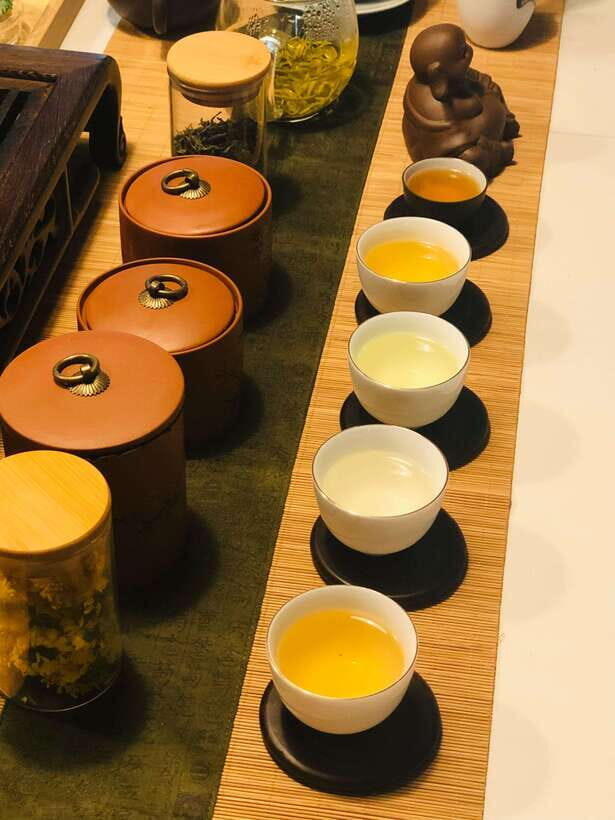
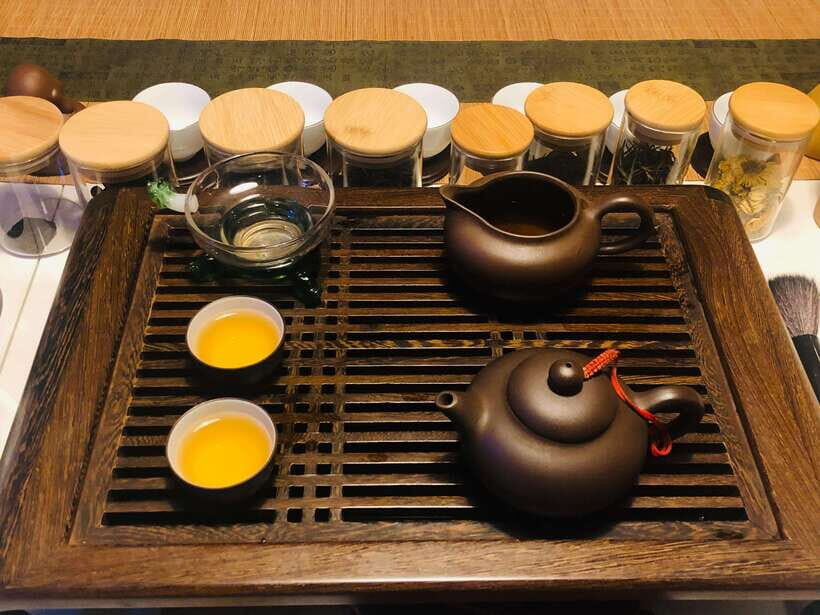
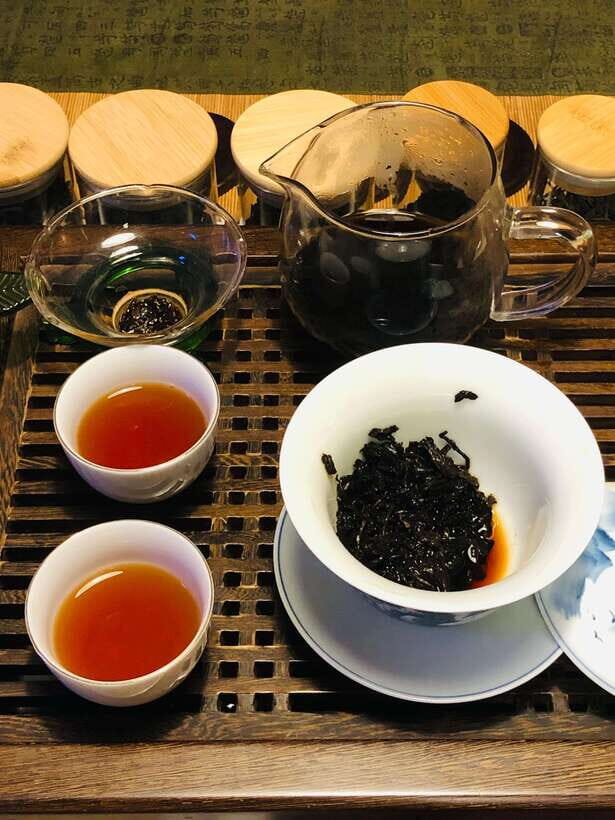
The heart of this experience is that you’re not drinking just one type of tea. You taste several classics, including Oolong, Pu-erh, green tea, jasmine tea, and flower tea, with 5 mini cups.
That matters because tea in China isn’t only about flavor. It is also about character: how the tea looks in the cup, how the aroma changes as it cools slightly, and how the same “act of tea” can feel different depending on the leaves.
A practical tip: go into this ready to pay attention to contrasts. For example, note what feels lighter or more floral, what feels more earthy, and what tastes more grassy or mellow. The mini-cup format makes comparisons less intimidating.
The ritual isn’t about sipping fast
A traditional Chinese tea ceremony is about more than drinking. It’s a sequence of actions done with intention, tied to respect, harmony, and mindfulness—and the tea master is the one who keeps that rhythm.
You’ll see the process step by step, with care in details like warming the teapot and pouring. Those aren’t “extra.” They help build the sensory experience. Warming the vessel, for instance, can make the aroma feel more present and the tea taste more consistent across cups.
As you watch, keep a simple checklist in your head:
- Smell before you sip
- Taste slowly once, then again after a moment
- Notice the transition between aroma and aftertaste
If you do that, you’ll get more value out of the short time. This is a hands-on cultural pattern, and the quickest way to get value is to focus on process.
Staff interaction matters: Richard and the tea master explain the why
The vibe from the friendly staff is a big part of why this is enjoyable. In particular, Richard is mentioned in the reviews as part of the experience team, and people also highlight the tea master as very kind and good at teaching.
That teaching tone is useful because there’s no tour guide included. So if you want context—like what makes one tea different from another—this is where you rely on the tea master’s explanations.
When someone teaches you a ritual, ask one question at a time. Good starter questions include:
- Which step changes the aroma most?
- How should I read the taste differences between these teas?
- What is the most common mistake beginners make?
You’ll get more out of this if you treat it like a small class, not a performance you just watch.
No tour guide setup: how to get the most from 30 minutes
Because there’s no separate tour guide, the ceremony instruction is effectively your main interpretive layer. That means you should arrive mentally ready to learn in real time.
Here’s how to make the most of it:
- Listen for the repeated theme behind the steps (intention, not speed)
- Watch how the tea master handles equipment and pours
- Ask questions during pauses, not at the very end
Also, because the format includes only 5 mini cups, the tea master isn’t going to spend equal time on every leaf type the way a full tasting class might. Instead, you’ll get a guided experience across several tea categories. The value is breadth.
If you’re the type who prefers long lectures and deep historical detail, you might feel the time limit. But if you want an authentic ritual and a clear, practical introduction, this format works well.





Price and value: $9.90 for five cups and a real ritual
At $9.90 per person, the pricing is easy to justify for what you get: a traditional tea ceremony plus 5 mini cups tea. You’re paying for instruction, the ritual steps, and the tasting lineup—not for a full-day guided tour.
The “value” angle here is important. You’re not just buying tea. You’re learning how to appreciate tea in a structured way, which can make future tea purchases smarter (and more fun).
One more value point: the session is short enough that you can fit it between bigger sights. That means you’re less likely to feel like you paid for something that steals time from your core Beijing plan.
Where it starts and how the walk back works
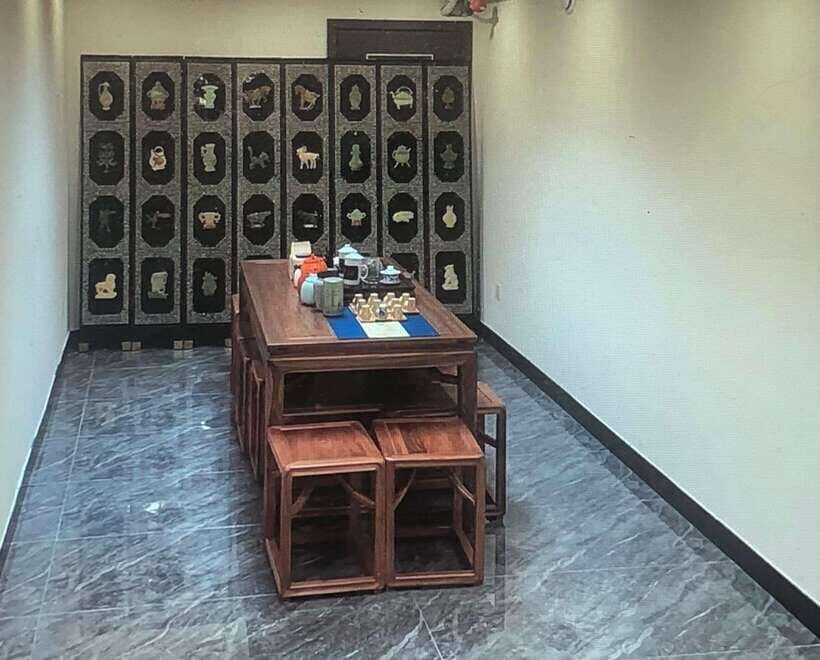
Your start location is listed as Jian Nei Da Jie (Dongcheng District). The experience is near public transportation, which is helpful in a city where schedules can feel tight.
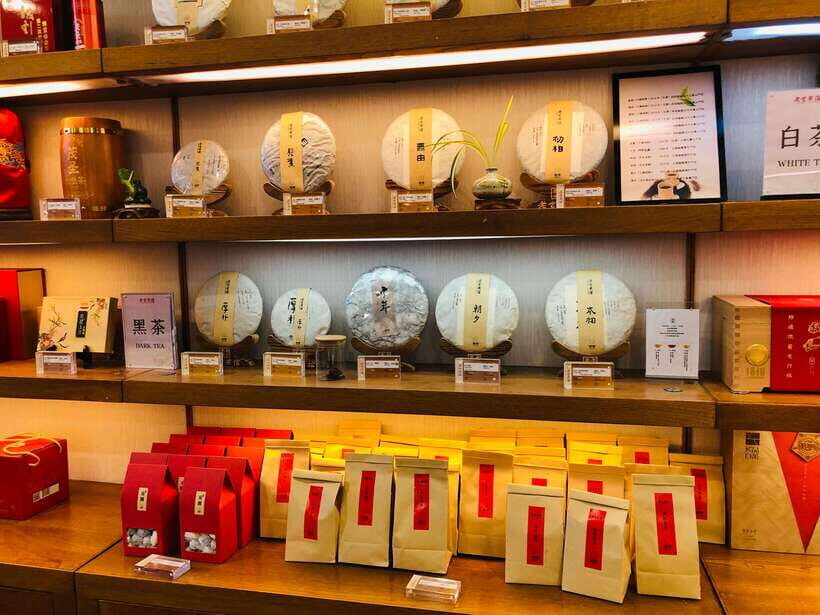
After the ceremony, you have an option to buy tea. That’s at your own expense, but the offer itself can be a nice “if you liked it, take it with you” add-on.
Then the tea master manager walks you back to the meeting point or toward Jianguomen Subway station. That last piece matters more than it sounds. It reduces the stress of regrouping on your own after a short, guided activity.
Also note: the activity ends back at the meeting point, so plan to stay close enough that you’re not racing to your next reservation.
Is this good for kids and families?
Yes—this is built to be fun and interesting for both adults and kids. The reason it works for families is the structure: clear steps, sensory elements (smell and taste), and a time window that doesn’t stretch into an endurance test.
With kids, the mini-cup format is especially helpful. It gives you variety without one child being stuck with a full cup of something they don’t like.
If you’re traveling with younger kids, keep expectations realistic: this is still a cultural ritual, so patience and curiosity beat trying to turn it into a quick snack stop.
Optional take-home tea: buy only if it clicks
After the ceremony, you can purchase tea to take home. The key word is optional, and the cost is separate from the ticket price.
If you decide to buy, use the ceremony as your guide. You already tasted multiple tea styles, so you can pick what matched your preferences. That simple link between tasting and purchase is what helps you avoid impulse buying.
If you don’t want to buy anything, that’s fine too. The experience should stand on its own: you’re there for the ritual and the tasting.
Who should book this tea ceremony?
Book it if you want:
- A short, culturally meaningful activity that doesn’t swallow your day
- An introduction to Chinese tea culture through a real ritual
- To taste multiple teas—Oolong, Pu-erh, green, jasmine, and flower tea—in one sitting
Skip it if you want:
- A long, lecture-style history lesson
- A full guided tour beyond the ceremony itself
- An experience that includes shopping as part of the ticket
My quick decision check
If your ideal Beijing day includes one hands-on, sensory activity, this is a solid pick. At $9.90 with five mini cups and a guided ritual, it’s priced for newcomers. The only real limit is time—so show up ready to pay attention.
FAQ
How long is the traditional Chinese tea ceremony?
It lasts about 30 minutes.
How much does the tea ceremony cost?
The price is $9.90 per person.
Where does the experience take place?
It’s in Beijing, with the ceremony connected to Chang An Grand Theater and a start near Jian Nei Da Jie in Dongcheng District.
What is included in the ticket?
The ticket includes the tea ceremony and 5 mini cups of tea.
Are there specific types of tea you’ll taste?
Yes. You’ll taste Oolong, Pu-erh, green tea, jasmine tea, and flower tea.
Is there a tour guide included?
No. The listing notes no tour guide. The tea ceremony is led by the tea master.
Is a mobile ticket used?
Yes. The experience uses a mobile ticket.
What group size should I expect?
The group has a maximum of 15 travelers.
Can I bring my questions during the ceremony?
You can participate in the ceremony experience, and the tea master runs the demonstration and tasting. The short format means asking in the moment is the easiest way to get answers.
Is free cancellation available?
Yes. You can cancel up to 24 hours in advance for a full refund.
Will I be able to buy tea after?
You can optionally purchase tea after the ceremony, but shopping expenses are not included and are at your own expense.