REVIEW · BEIJING
Private 2-Day Datong from Beijing with Yungang Grottoes
Book on Viator →Operated by Lily's Tour Company · Bookable on Viator
Getting out of Beijing for Datong feels like switching channels, fast. This private 2-day tour pairs Yungang Grottoes with the Hengshan Hanging Temple (Xuankong si), and it’s built around your comfort: pickup, a private driver, and a guide who helps you read what you’re seeing.
I especially like that entrance fees and lunch are included, so you’re not playing guess-the-cost all day. A second win is the private format—you don’t get stuck in a crowd rhythm, and your guide can pace the day. The main drawback to factor in: accommodation isn’t included, so you’ll need one night in Datong (and budget for it) to make the schedule work.
In This Review
- Key points that matter before you go
- Two days away from Beijing: Datong on a private schedule
- Getting to Datong in comfort: 8:00 pickup and the long drive
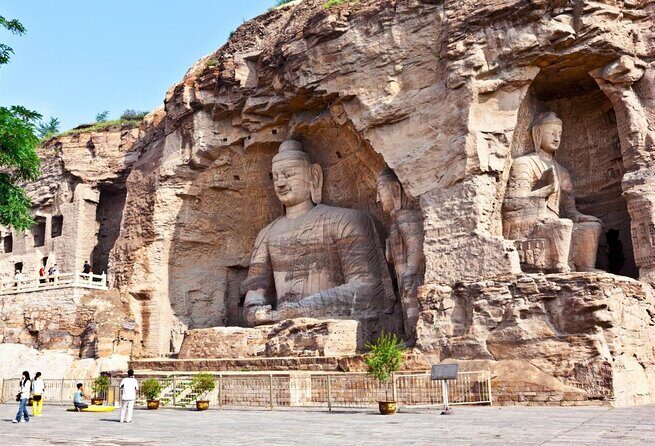
- Yungang Grottoes: 50,000-plus statues carved into rock
- Nine-Dragon Screen at the Palace Museum: dragons in 426 stones
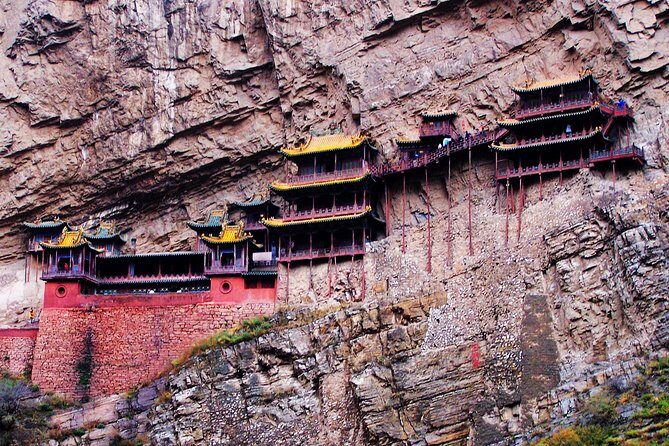
- Hengshan Hanging Temple (Xuankong si): the cliff-side temple feeling
- Fogong Temple and Yingxian Wooden Pagoda: architecture from 1056
- Meals and included tickets: where the value is hiding
- Your guide’s role: why Jenny made the day make sense
- What to expect day by day, without the fluff
- Who this private Datong tour fits best
- Should you book this Private 2-Day Datong trip?
- FAQ
- FAQ
- How long is the trip?
- What sites are included?
- Is hotel pickup and drop-off included?
- Are entrance fees included?
- Are meals included, and can I get vegetarian food?
- Is accommodation included?
- Do I need a passport?
- What kind of fitness level do I need?
Key points that matter before you go
- Private car + private guide: you get hotel pickup and drop-off and can move at a comfortable pace.
- Yungang Grottoes scale: plan to spend real time with the 50,000-plus Buddhist statues carved into the rock face.
- Nine-Dragon Screen stops the tour mid-lesson: it gives you an art-and-symbol break at the Palace Museum.
- Xuankong si is the wow: a 1,500-year-old cliff-side temple that feels daring even before you go inside.
- Wooden pagoda expertise: Yingxian Wooden Pagoda traces back to 1056, tied to Liao Dynasty architecture.
- You get tickets and meals handled: mobile ticketing and included lunches reduce day-of stress.
Two days away from Beijing: Datong on a private schedule
If you want the Datong highlights without the hassle of trains, transfers, and complicated timing, this is the clean option. The trip is designed as a true getaway: you start with a morning pickup, then you’re fully in Datong mode for two days.
The private setup matters more than it sounds. With your own guide and vehicle, you can stop when you want better views, spend extra time on the carvings that catch your eye, and skip the awkward parts where group tours lose everyone. You’ll still walk and climb some, but the day doesn’t feel rushed into a factory line.
Also, you’ll notice the tour is built around big “readable” sights. These aren’t random monuments. They connect through stone art, temple architecture, and the story of how Buddhism moved and changed across centuries in North China.
You can also read our reviews of more private tours in Beijing
Getting to Datong in comfort: 8:00 pickup and the long drive
The day starts with hotel pickup in Beijing at 8:00am. From there, you’ll ride about 4.5 hours to Datong. That drive is the trade-off for seeing these sights the same trip—Datong isn’t next door.
What I like about handling the transfer this way is simple: you don’t waste your sightseeing time figuring out transport. The private driver also helps keep the schedule smooth when you’re tired from travel logistics.
One practical note: the tour is “private vehicle with driver” plus a guide. That usually means fewer transitions than DIY travel, but it still helps to bring water and plan for a full day. Bottled water is included, which is a nice touch for the long ride and walking days.
Yungang Grottoes: 50,000-plus statues carved into rock
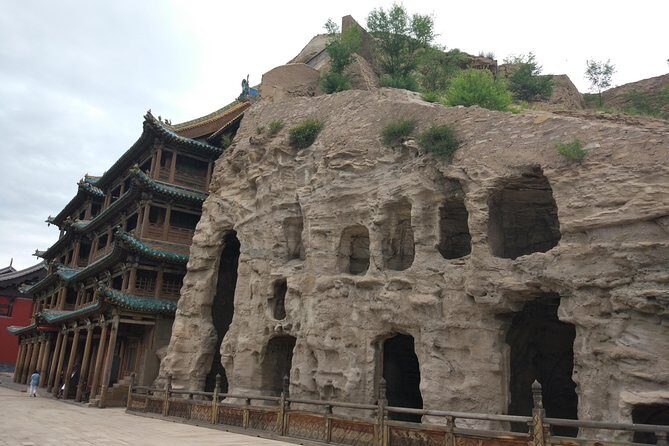
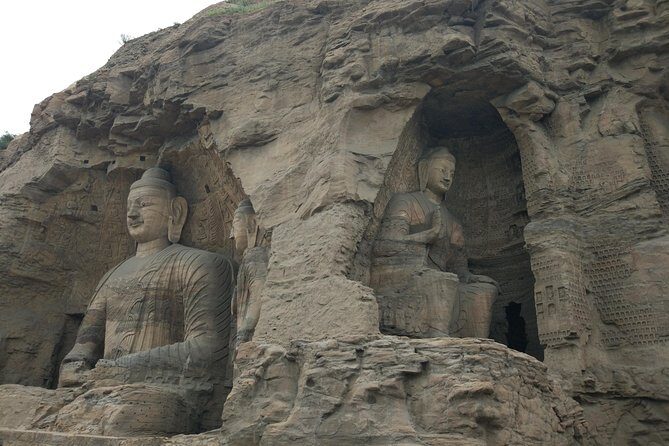
Yungang Grottoes is the reason most people come to Datong. You’re stepping into a massive Buddhist sculpture complex with 50,000-plus statues carved across cave sites in the rock face. The effect is hard to get from photos: the scale hits you when you’re close enough to see the figures and the surfaces up close.
This stop is scheduled for about two hours. That’s not a “glance and go” slot. It’s long enough for you to slow down, pick a few areas to focus on, and let your guide point out the details that make these statues more than decorative stone.
One of the underrated benefits of a guided visit here is orientation. You’re looking at layers—different niches, recurring figure types, and the way sculpture fills space inside each carved section. A good guide helps you notice patterns so the place feels organized instead of overwhelming.
If you’re sensitive to crowds, the private format helps. You can keep moving without being pushed along by a large group. And if you want a calmer pace, you can usually ask for a few minutes to step back and take in the whole scene before you head deeper.
Nine-Dragon Screen at the Palace Museum: dragons in 426 stones
After Yungang, you’ll head to the Nine-Dragon Screen at the Palace Museum. This is a different kind of stop from the cave temples, and that contrast is useful. It gives your brain a break from stone carvings and shifts you into symbolic art—dragons as cultural storytelling.
This screen is described as the biggest one in China, and the dragons are made from 426 stones. It’s also noted that there are three dragon screens in China, so you’re not just seeing something decorative—you’re seeing something rare in scale and composition.
The duration here is about one hour, which is about right. You don’t need a half day to get value from a screen. You need time to stand back, then move closer for details, and then let your guide explain what you’re looking at—how the layout, repetition, and materials work together.
A practical tip: this kind of sight rewards a slower pace. Spend a few minutes first getting your bearings, then do a second pass where you look at the dragon shapes and stone patterns more carefully. Even if you’re not a screen expert, you’ll likely leave with the feeling that you understood the “language,” not just the look.
Hengshan Hanging Temple (Xuankong si): the cliff-side temple feeling
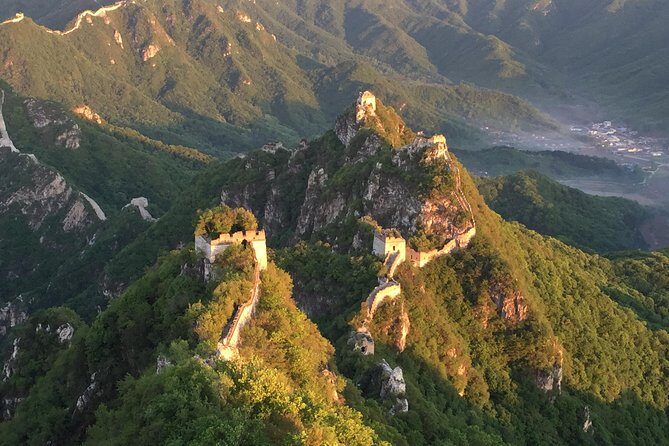
Day two’s big moment is Hengshan Hanging Temple (Xuankong si)—a 1,500-year-old temple built into a cliffside setting. The time on site is around two hours, which is typically enough for both the main viewpoints and the parts that require careful footing.
This temple has a different kind of wow factor than the grottoes. At Yungang, the scale is in the carvings. At Xuankong si, the scale is in the structure and the audacity of the location. Even before you go in, you can feel why this temple became famous.
I also like that the tour doesn’t treat it like a quick photo stop. With a private guide, you’re more likely to get the context for why the temple sits where it does, and how the architecture fits the cliff setting. That makes it more meaningful than just walking up to a viewpoint.
If you have moderate mobility, you should still be prepared for uneven areas and some climbing steps. The tour calls for moderate physical fitness, which basically means: don’t plan for this to feel like a flat city walk.
You can also read our reviews of more tours and experiences in Beijing
Fogong Temple and Yingxian Wooden Pagoda: architecture from 1056
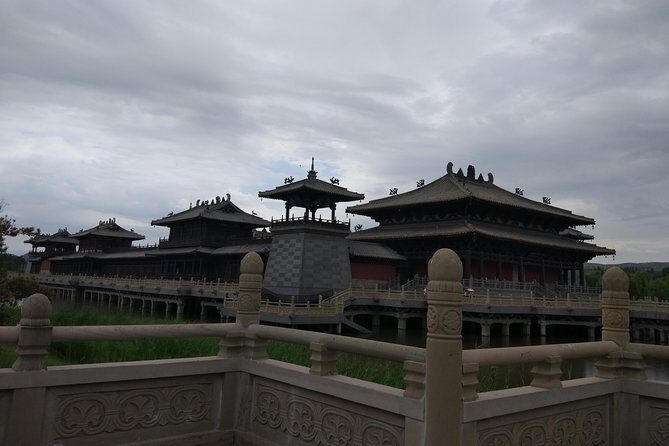
After checking out in the morning, you’ll travel to Yinxian County to see the Wooden Pagoda, described as the Pagoda of Fogong Temple and also known as Yingxian Wooden Pagoda. This pagoda is tied to Liao Dynasty architecture and was built in 1056.
You’ll spend about two hours at this stop. That matters, because wooden architecture rewards looking carefully. Unlike stone monuments, wood structures can feel delicate even when they’re built to last. You’ll likely want time to watch how the pagoda’s form works at different angles.
The tour framing makes this stop feel less like a random “old building” and more like a lesson in how styles and building techniques were transferred and maintained. Since the pagoda is so old, the real value is in seeing a surviving example of Liao-era design logic.
Even if you’re not the type who reads every architectural term, you’ll still get value from your guide’s explanations. A good guide helps you connect the shape of the structure to why it was built the way it was, and what makes it important.
Meals and included tickets: where the value is hiding
This is where the tour quietly earns its price.
The trip includes all entrance fees and includes lunch (2) plus bottled water. There’s also a vegetarian meal option if you request it in advance. That combination is more than convenience—it reduces the mental load of budgeting day-of and deciding where to eat.
On the first day, lunch is described as local handmade sliced noodles. That’s a smart choice for a road trip day because noodles are filling and straightforward. You’re less likely to waste time hunting for food in a new city, and you’ll taste something that fits the region.
Also, you get a mobile ticket. That may sound minor, but it’s useful when you’re moving between sites quickly. Fewer paper tickets, fewer chances for delays.
Now the price: $598 per person. Since accommodation isn’t included, the true comparison isn’t just to a standard sightseeing day—it’s to what you’d spend if you booked transport, paid separate entrance fees, and hired a guide yourself. Private vehicle + private guide + entrance fees + lunches is the bundle that drives the value here.
In other words, you’re paying to remove friction. You’ll likely feel the savings most if you were thinking of doing parts of this yourself and realized how complicated it is to coordinate timing, ticketing, and guides across multiple long-distance stops.
Your guide’s role: why Jenny made the day make sense
One standout detail from past trips is the impact of the guide. On this tour, the guide can strongly shape how you experience the sites. I’ve seen examples of guides like Jenny, who helped visitors connect the dots and get more meaning out of the grottoes and the hanging monastery.
That kind of guiding matters most at places like Yungang and Xuankong si, where you can easily feel lost if you don’t know what to look for. A guide helps you focus your attention—so you don’t just walk past carvings or take photos and move on.
And it’s not only interpretation. A good guide also helps with practical timing, keeping the day moving while still allowing you to enjoy the experience. That balance is what you want when you’re traveling between Beijing and Datong.
What to expect day by day, without the fluff
Day 1 is the long move from Beijing plus two major cultural stops. You’ll start with the morning pickup, ride roughly 4.5 hours to Datong, then spend time at the Yungang Grottoes. After that, you’ll head to the Nine-Dragon Screen for a different kind of visual storytelling linked to the Palace Museum.
Day 2 focuses more on temple architecture and the sense of place. After you check out, you’ll go to Hengshan Hanging Temple (Xuankong si), and then continue to Yingxian Wooden Pagoda in Yinxian County. The second day is where you’ll likely feel the most contrast: cliff-side religious architecture plus centuries-old wooden structure.
Because it’s private, your pacing can be smarter than a rigid group schedule. If something captures your attention, you’ll have a better chance to linger. If you’re tired, you can usually slow the rhythm without ruining the overall plan.
Who this private Datong tour fits best
This is a great fit if you want the big Datong hits with minimal stress. It’s especially good for people who:
- dislike complicated logistics and want hotel pickup and drop-off
- want all entrance fees included
- care about context, not just photos
- prefer one guide who can explain multiple stops
It’s also a solid choice as a side trip from Beijing if you want a meaningful change of scenery. Datong gives you a different pace and a different look at China’s older spiritual and architectural traditions.
The main “maybe” is the accommodation gap. Since lodging isn’t included, you’ll need to decide on where you’ll stay for the night in Datong. If you already have a hotel picked, this tour becomes more straightforward.
Should you book this Private 2-Day Datong trip?
Book it if you want a guided, private shortcut to the heart of Datong—Yungang Grottoes plus Xuankong si—with tickets and meals handled. The value is strongest when you factor in the private driver, guide time, entrance fees, and lunch, not just the sightseeing list.
Skip it or rethink it if you’re looking for a “no extra planning” trip on the lodging side. Accommodation isn’t included, so you’ll still need to set up one night in Datong.
FAQ
FAQ
How long is the trip?
It’s a 2-day multi-day trip, with the overall schedule running across two days with multiple sightseeing stops.
What sites are included?
You’ll visit Yungang Grottoes, the Nine-Dragon Screen at the Palace Museum, Hengshan Hanging Temple (Xuankong si), and Yingxian Wooden Pagoda (Pagoda of Fogong Temple).
Is hotel pickup and drop-off included?
Yes. The tour includes free hotel pickup and drop-off, and you’ll travel by private vehicle with a driver.
Are entrance fees included?
Yes. The tour includes all entrance fees for the listed sights.
Are meals included, and can I get vegetarian food?
Lunch is included for both days, and there is a vegetarian meal option available if you advise the provider at booking.
Is accommodation included?
No. Accommodation is not included, so you’ll need to arrange one night in Datong.
Do I need a passport?
Yes. A current valid passport is required on the day of travel.
What kind of fitness level do I need?
The tour is listed for travelers with a moderate physical fitness level, since sightseeing involves walking and moving through historical sites.