REVIEW · BEIJING
Beijing: Zhongshan Park Entrance Ticket
Book on GetYourGuide →Operated by China Tour Guide · Bookable on GetYourGuide
One ticket, and the old ritual grounds. This Zhongshan Park entrance ticket gets you into a major temple-garden site in central Beijing, west of Tian’anmen, where the buildings still tell the story of imperial sacrifice ceremonies. It’s admission-only, so you can set your own pace while still getting the convenience of an e-ticket QR for entry.
I like two things a lot. First, it’s self-guided—no set route, no waiting on a group. Second, the highlights are specific and memorable: the Five-color Soil Altar complex and the quieter downtime points like Yu Garden (with goldfish viewing) and Laijin Yuxuan teahouse in the east.
One drawback to keep in mind is the QR/ticket accuracy. You must send your correct passport details and a working email or WhatsApp for the ticket images, and if the access control system flags a mismatch, entry can take longer than you’d hope.
Why this ticket is worth your attention
- Central Beijing location: west of Tian’anmen Square, in the middle of the city’s action.
- Imperial-to-public transformation: a former altar site turned into a park you can simply walk through.
- Admission-only flexibility: no guided tour, so you control pacing and photo stops.
- Concrete sights: you can aim for named structures like the Sacrificial Kitchen and Sacrificial Storehouse.
- Yu Garden goldfish area: a classic “pause and watch” spot inside the park.
- Historic break point: Laijin Yuxuan teahouse is specifically in the east of the grounds.
In This Review
- Zhongshan Park Beijing: an altar turned public garden near Tian’anmen
- What your $12 entrance ticket actually covers (and what it doesn’t)
- Your entry setup: e-ticket QR, passport details, and the entrance gate
- First stops inside: aiming for the altar complex and named ceremonial buildings
- Yu Garden and the goldfish viewing area: a calmer contrast
- Laijin Yuxuan teahouse in the east: your planned rest stop
- The no-guide format: how to get a better experience with less structure
- Price and value: paying for access to a large, story-driven site
- Should you book Zhongshan Park entrance tickets?
- FAQ
- How far in advance do I need to book?
- What does the ticket include?
- Does this include a guided tour?
- Is hotel pickup and drop-off included?
- Where do I meet to enter?
- What do I need to bring?
- How do I receive the ticket QR code?
- Is it valid for more than one day?
- Can I cancel?
- Is the site wheelchair accessible?
Zhongshan Park Beijing: an altar turned public garden near Tian’anmen
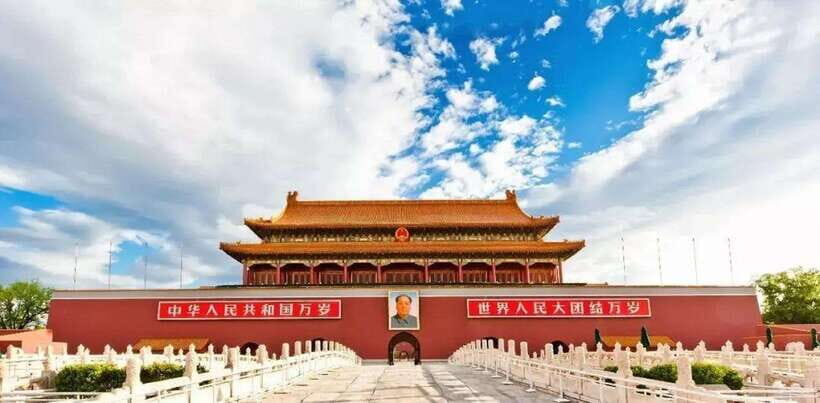
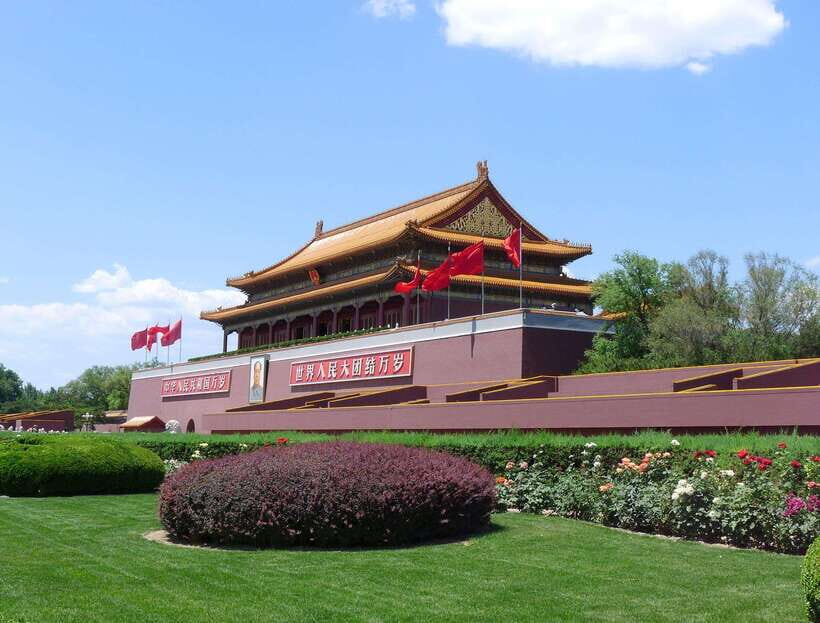
Zhongshan Park (中山公园) sits in central Beijing, to the west of Tian’anmen Square, and it’s not just a casual green space. The park covers 23.8 hectares, and it was originally the Shejitan, the Altar of Land and Grain, built in 1421 under the Ming dynasty. If you like places where you can feel the original purpose in the layout, this is exactly that kind of stop.
The “left ancestral temple, right altar” system is part of why this site mattered. In the Ming and Qing dynasties, emperors came here to offer sacrifices to the gods tied to earth and agriculture—basically linking imperial power with the promise of national harvests. That background matters because you’ll notice the park is built around ceremonial structures, not just stroll paths.
Later, things shifted. In 1913, the altar grounds were converted into a public park called Central Park. Then in 1928, it was renamed Zhongshan Park in memory of Sun Yat-sen, turning an imperial ritual site into a space for everyday visitors.
What your $12 entrance ticket actually covers (and what it doesn’t)

This is an entrance ticket only. Your included item is simple: admission to Zhongshan Park. There’s no hotel pickup or drop-off, and there’s no tour guide. No meals are included either.
That sounds basic, but it’s actually part of the value. For $12, you’re paying to enter a large, structured site with multiple named attractions—so your “experience” is what you choose to do inside once you’re there. If you’d rather explore at your own tempo (pause for photos, move between the major structures, then take a slower break), admission-only is a good match.
If you need someone to explain the symbolism behind each altar building, you’ll want to plan your own context before you go. The park’s specific buildings—like the Sacrificial Kitchen, Sacrificial Storehouse, and Animal Sacrifice Pavilion—are the kind of features that make more sense when you know what to look for. You won’t get that interpretation built in here.
You can also read our reviews of more tours and experiences in Beijing
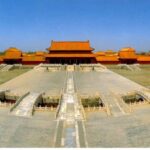
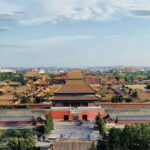
Your entry setup: e-ticket QR, passport details, and the entrance gate
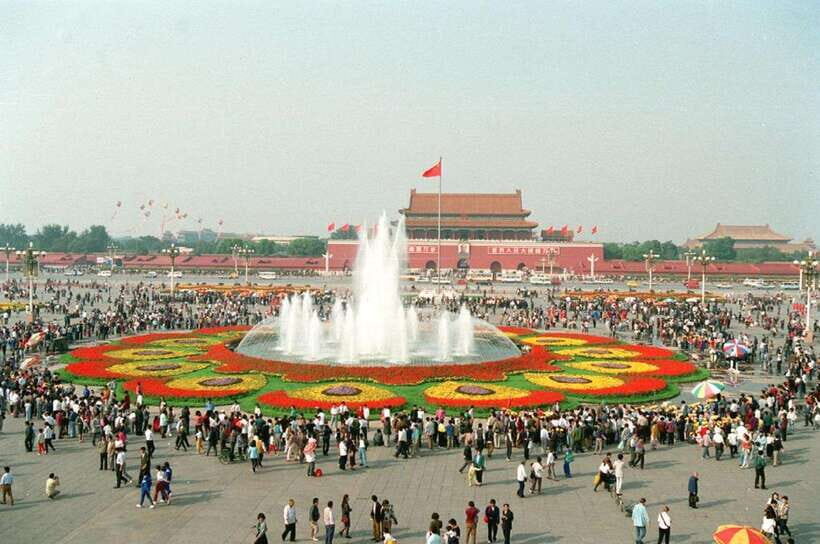
You’ll meet at the Zhongshan Park Entrance Gate. Entry is designed around an e-ticket QR, but you have to handle the paperwork before arrival.
After booking, you must contact the provider to send the correct ticket details. For each visitor, you’ll need to provide:
- Full name
- Passport number
- Email or WhatsApp address for receiving the ticket QR images
Important detail: they specifically note that images can’t be received via messages, so you need a valid email or another working address where the ticket images can be delivered. They’ll send the electronic ticket QR codes to you afterward.
The ticket is also tied to time. You’ll want to book at least one day in advance, and it’s valid for 1 day.
Convenience-wise, the listing says it helps you skip the ticket line. Still, one real-world caution shows up in the review record: a guest reported an issue where the voucher didn’t match the access control system, leading to about 30 minutes of discussion at the gate. That’s not guaranteed to happen to you, but it’s a useful reminder: double-check you provided every detail correctly and that you receive the right QR images.
First stops inside: aiming for the altar complex and named ceremonial buildings
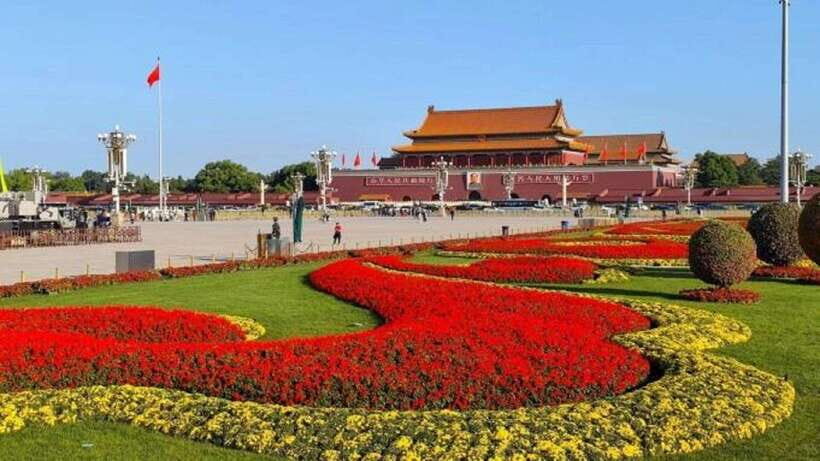
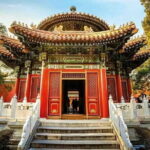
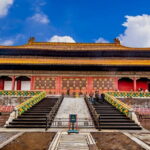
Once you’re past the gate, the park layout gives you a chance to “read” the place. The original altar purpose is still visible through the set of named buildings and sections tied to ritual function.
Here’s what you can target from the info you’re given:
- Five-color Soil Altar
- Sacrificial Kitchen
- Sacrificial Storehouse
- Animal Sacrifice Pavilion
These aren’t random attractions. They map directly to what this site was used for—preparation areas, storage, and the pavilion tied to animal sacrifices. If you take a slow walk between these structures, you’ll get a clearer sense of the overall ceremony flow than if you just treat it like a standard garden visit.
Because this is an admission-only ticket, you’ll want to choose a strategy. I’d recommend picking a “core” route in your head before you move: altar structures first (since they’re the central reason the site exists), then the garden highlights, then the quieter break point in the east.
If you’re not sure where things cluster, no stress. The park is large, so giving yourself a bit of room for wandering is the easiest fix. The good news is that the buildings and named highlights are clear targets, so you’re not totally relying on luck.
Yu Garden and the goldfish viewing area: a calmer contrast
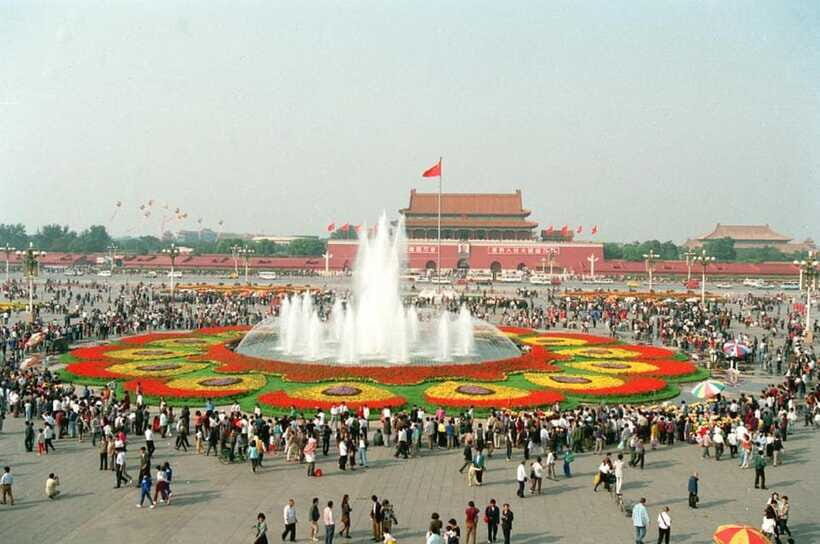
After the more ceremonial buildings, you’ll hit a different kind of atmosphere inside Zhongshan Park: the Yu Garden area. The park’s information specifically mentions a spot where you can watch precious goldfish.
This is the kind of contrast I always appreciate in big historic parks. After walking past structures linked to formal ritual, the goldfish-viewing area becomes a slower, more everyday sensory moment. You’re not trying to “understand” architecture now—you’re just watching movement and stopping for a breather.
If you’re traveling with anyone who doesn’t want to spend the entire day staring at stone and plaques, this is where you can win them over. Even if you’re more of an “I came for the story” person, goldfish viewing is an easy way to pace yourself without missing the park’s main identity.
Laijin Yuxuan teahouse in the east: your planned rest stop

To balance a park day, I look for one place where I can slow down on purpose. Zhongshan Park gives you exactly that with Laijin Yuxuan, described as a century-old teahouse located in the east of the park.
Since you’re not booking a guided tour, your schedule is mostly your choice. A teahouse stop is a smart anchor because it turns “I’m walking around” into a real plan: you can walk the altar-related structures, then shift to garden highlights, and finally use the teahouse as your slower finale.
Even if you don’t make it a long rest, having a named teahouse to aim for helps you finish the day with a sense of arrival. And because the teahouse is specifically called out by name and age, it’s a strong indicator that this east-side area is worth seeking out, not just passing through.



The no-guide format: how to get a better experience with less structure

This ticket does not include a guided tour, so your experience depends on how you manage your own attention. That can be a positive. It also means you should be ready to interpret what you’re seeing without a live explanation.
Here are two ways to make the most of it:
- Treat the park’s named buildings as your “chapters.” The Five-color Soil Altar and the sacrificial buildings give you clear headings for your walk.
- Build in a pace change. Use Yu Garden’s goldfish area and the Laijin Yuxuan teahouse as natural breaks, so you don’t burn out on heavy historical subject matter.
If you prefer a lot of context on the spot, you might consider pairing this with your own prep time before you arrive. But if you’re comfortable reading your way through and you like having freedom, this admission-only setup is exactly the kind of ticket that works.
Price and value: paying for access to a large, story-driven site
At $12 per person, you’re not paying for a guided itinerary. You’re paying for entry into a 23.8-hectare park built on an imperial altar site and still organized around multiple named features.
So the value depends on what kind of visitor you are:
- If you like wandering with purpose, admission-only is a bargain. You get access to a structured, feature-rich park without extra costs.
- If you want someone to explain every building’s role, the price still gets you in, but you’ll have to supply the interpretation yourself.
I also like that the ticket is described as helping you skip the ticket line. Even though the access-control mismatch issue can happen, the goal is clear: you arrive with the QR ready, you enter with less friction than buying on the spot.
Should you book Zhongshan Park entrance tickets?
Book it if you want an independent, low-commitment way into a major Beijing historic park, especially if you’re interested in how an imperial altar became a public space. The presence of multiple named ceremonial buildings, plus Yu Garden goldfish viewing and the century-old Laijin Yuxuan teahouse, gives you enough variety to make a 1-day visit feel complete even without a guide.
Skip it (or reconsider the format) if you need guided interpretation to enjoy historical sites. This ticket gets you into the park, but it doesn’t provide commentary, meals, or pickup—so you should be comfortable planning your own flow inside.
If you do book, one practical tip is worth taking seriously: make sure your passport number, full name, and email or WhatsApp are accurate before you wait for the QR images. That’s the difference between a smooth entrance and a gate-side headache.
FAQ
How far in advance do I need to book?
You need to book at least one day in advance.
What does the ticket include?
It includes the admission ticket to Zhongshan Park.
Does this include a guided tour?
No. This option does not include a guided tour.
Is hotel pickup and drop-off included?
No. Hotel pickup and drop-off are not included.
Where do I meet to enter?
The meeting point is the Zhongshan Park Entrance Gate.
What do I need to bring?
You should bring your passport.
How do I receive the ticket QR code?
After booking, you must contact the provider and provide each visitor’s full name, passport number, and email or WhatsApp. They send electronic ticket QR codes, and you’ll need a valid address (like email) to receive the ticket images.
Is it valid for more than one day?
No. It is valid for 1 day.
Can I cancel?
Yes. You can cancel up to 24 hours in advance for a full refund.
Is the site wheelchair accessible?
Yes. It is wheelchair accessible.