REVIEW · BEIJING
Beijing: National Art Museum of China Entry Reservation
Book on GetYourGuide →Operated by PANDA HAPPY JOURNEY IN CHINA · Bookable on GetYourGuide
One ticket, many styles of art. I like that this pre-booked reservation is built to help you skip the ticket line, then go straight into China’s art scene at your own pace. I also love having an English textual and visual guide, which makes it much easier to read what you’re actually looking at.
The main thing to keep in mind is time. With a 2-hour window, you’ll need to choose your priorities, because the museum holds over 100,000 pieces.
In This Review
- Key highlights to plan around
- National Art Museum of China: what your 2 hours is really for
- Getting in smoothly at the ticket office
- The self-paced museum loop: modern work, then ink traditions
- Traditional ink, calligraphy, and sculptures: what to look for
- Modern and contemporary art: why it still helps your traditional viewing
- Use the English textual and visual guide for faster understanding
- What I’d do during the 2-hour visit (a practical game plan)
- Price and value: why $6 is a bargain if you want the guide
- Who should book this NAMOC entry reservation
- Should you book this Beijing entry reservation?
- FAQ
- How long is the National Art Museum of China entry reservation?
- How much does it cost?
- What does the reservation include?
- Do I get to skip the ticket line?
- Is there an English guide available inside?
- What do I need to bring for entry?
- Is the museum wheelchair accessible?
- Is smoking allowed?
- What is the cancellation policy?
- Is the activity suitable for very young children?
Key highlights to plan around
- Skip the ticket line so you spend more time looking and less time waiting
- English textual and visual guide to connect what you see with what it means
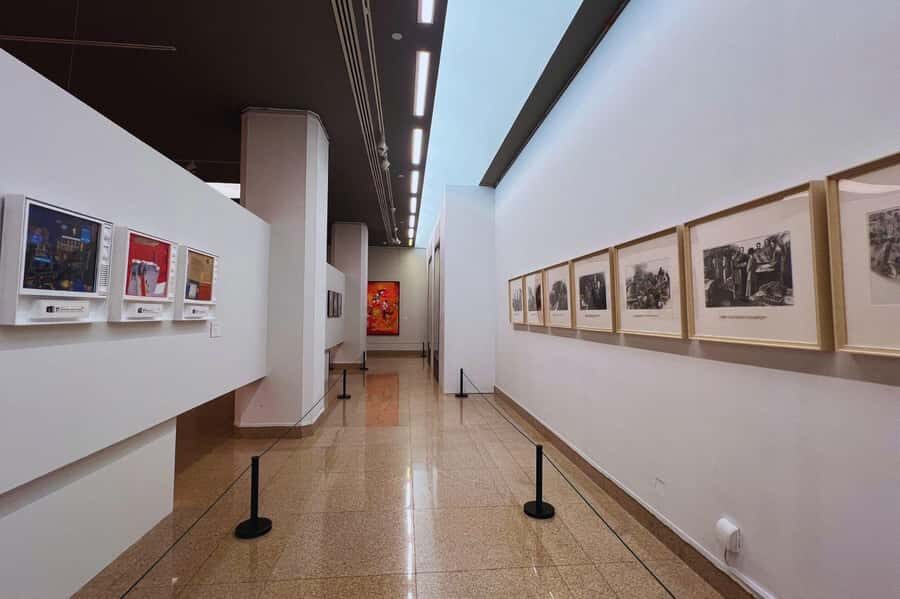
- Modern and contemporary Chinese art, plus traditional ink paintings, calligraphy, and sculptures
- Timed entry options based on availability, so pick a start time that fits your day
- Self-paced visit inside the museum, so you set your own pace and route
- Bring your passport or ID since that’s required for entry
National Art Museum of China: what your 2 hours is really for
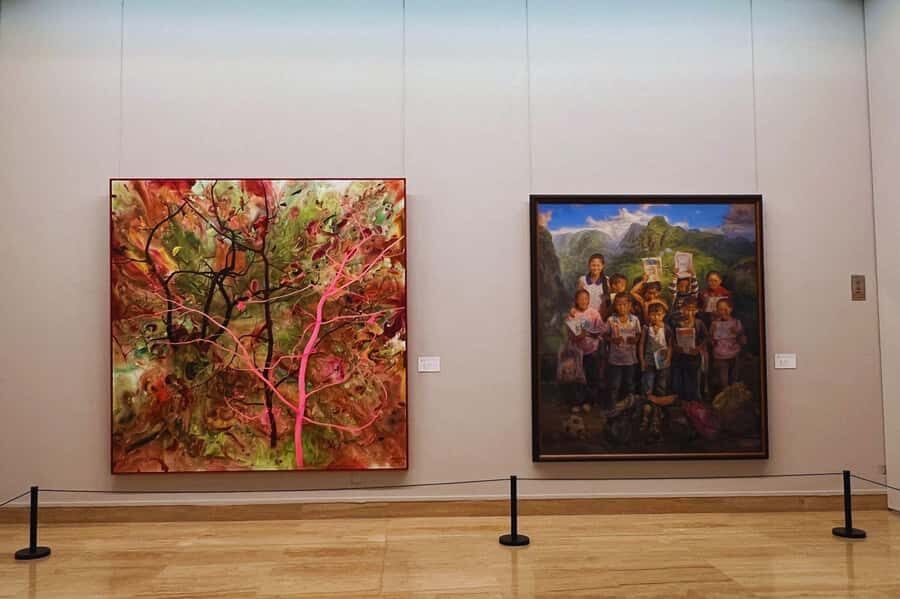
This reservation gets you into the National Art Museum of China (NAMOC) in Beijing, one of the country’s most prestigious art institutions. The museum is huge in both scale and content, with more than 100,000 pieces spanning modern and contemporary work as well as traditional art forms like ink paintings, sculptures, and calligraphy.
Your ticket is also designed for a simple goal: give you reliable access and let you explore at your own rhythm. There’s no forced pace and no group script telling you what to care about. If you’re the type who likes to wander until something catches your eye, this setup fits you well.
Now, the practical catch. Since your visit is capped at about 2 hours, you’re not trying to see everything. You’re trying to get a smart hit of the museum’s range—enough to understand China’s artistic evolution without turning your day into a sprint.
You can also read our reviews of more museum experiences in Beijing



Getting in smoothly at the ticket office
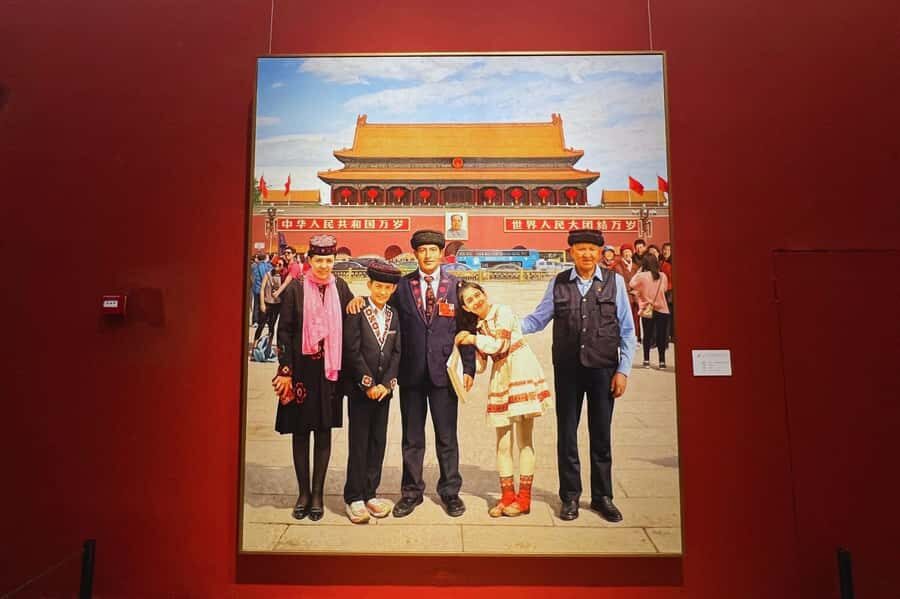
The biggest on-the-ground win here is that it’s a reservation with a plan to help you redeem at the ticket office. That matters in big museums, because lines and ticket counters can eat up your momentum fast.
Here’s how you’ll want to approach it:
- Bring your passport or ID card (entry requires it).
- Arrive with enough buffer that you’re not rushing at the start of your entry window.
- Once you’re in, don’t just drift—give yourself a small plan so those 2 hours actually pay off.
Also check your own comfort needs ahead of time. The museum experience is listed as wheelchair accessible, so you can plan around mobility needs without guessing. One more rule to remember: smoking isn’t allowed, which is standard in most major cultural venues in China.
The self-paced museum loop: modern work, then ink traditions

Inside NAMOC, you’ll be free to explore at your own pace. The collection is built to show connections over time, so the experience isn’t only about modern galleries or only about traditional works. You’ll encounter both, including:
- modern and contemporary Chinese art
- traditional ink paintings
- sculptures
- calligraphy
What makes this pairing useful is that it turns your visit into a comparison exercise. You can see how visual language shifts—materials, style, brushwork, form—while the cultural thread stays recognizable. Even if you don’t know much art history, the guide helps you slow down and read the pieces instead of just scanning them.
Because your time is short, I’d recommend a two-step mindset:
1) Start broad so you know what the museum is showing today (modern and contemporary first, or traditional first—your choice).
2) Then spend the rest of your time on fewer works where you can actually absorb details.
That keeps the visit from feeling like you’re passing through rooms rather than having an experience.
Traditional ink, calligraphy, and sculptures: what to look for
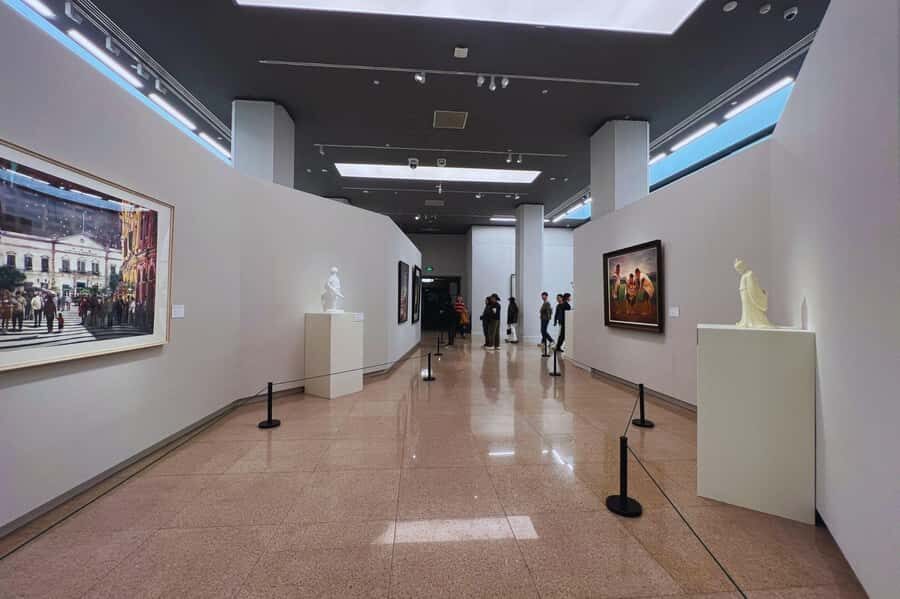
NAMOC includes traditional works like ink paintings and calligraphy, plus sculptures. Even if you’re not an art expert, these categories are where you can often feel the difference between quick viewing and meaningful viewing.
When you see ink paintings and calligraphy, look for two things:
- the brush quality and rhythm (how lines build, pause, and change)
- the structure of the piece (how the eye moves across it)
Calligraphy can feel like it’s all about decoration, but it’s also about control and intent. If you spend even a few extra minutes, you’ll start noticing how strokes are not just marks; they’re choices.
Sculpture is a different workout. Instead of studying from a distance, you’ll usually want to move around when you can and check edges, surfaces, and proportions. In a museum with that many works, you’ll get more value from selecting a handful of sculptures and really looking than from trying to cover everything.
Modern and contemporary art: why it still helps your traditional viewing
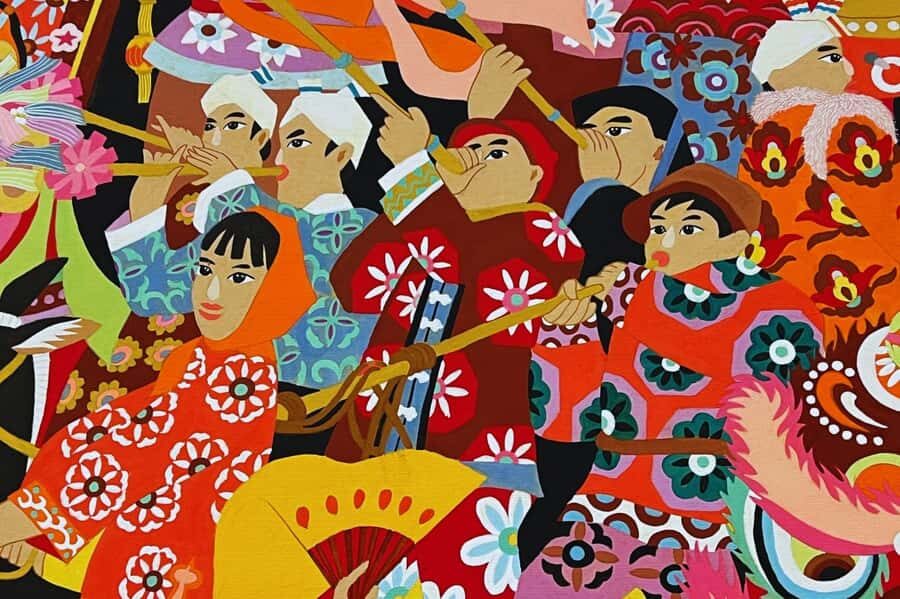
The museum is known for modern and contemporary Chinese art, and that’s the other half of the story. These works can sometimes feel like they’re speaking a different visual language than ink and calligraphy. But that’s exactly why mixing them in one visit works.
As you go from modern and contemporary pieces into traditional categories (or the reverse), you can spot patterns such as:
- how themes of identity and culture are expressed differently over time
- how artists use traditional elements in new ways
- how materials and style change the emotional tone
You don’t need to be fluent in art theory. The English guide helps you connect what you’re seeing to context, which makes modern works less intimidating and makes traditional works feel more alive.





Use the English textual and visual guide for faster understanding
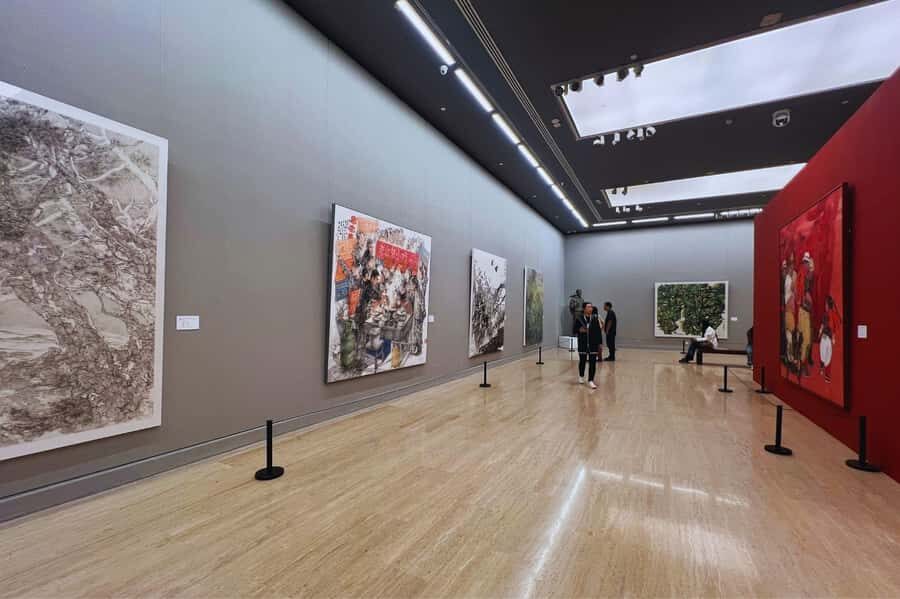
This reservation includes an English version of the textual and visual guide. In practice, that’s one of the biggest value drivers, because it turns your visit from looking at pretty things into understanding what you’re looking at.
Instead of reading everything like a textbook, use the guide like a spotlight:
- Pick a few works you’re most curious about.
- Use the guide to understand the basics first (what it is and why it matters).
- Then go back to the piece with that information in mind.
This works well in a 2-hour visit, because it saves you from getting stuck trying to figure everything out alone. You can enjoy the art without turning your day into homework.
Also, since the museum regularly hosts special exhibitions and events, the guide can help you interpret what’s on view during your visit. That’s useful because special exhibits can shift your experience away from a standard collection walk-through.
What I’d do during the 2-hour visit (a practical game plan)
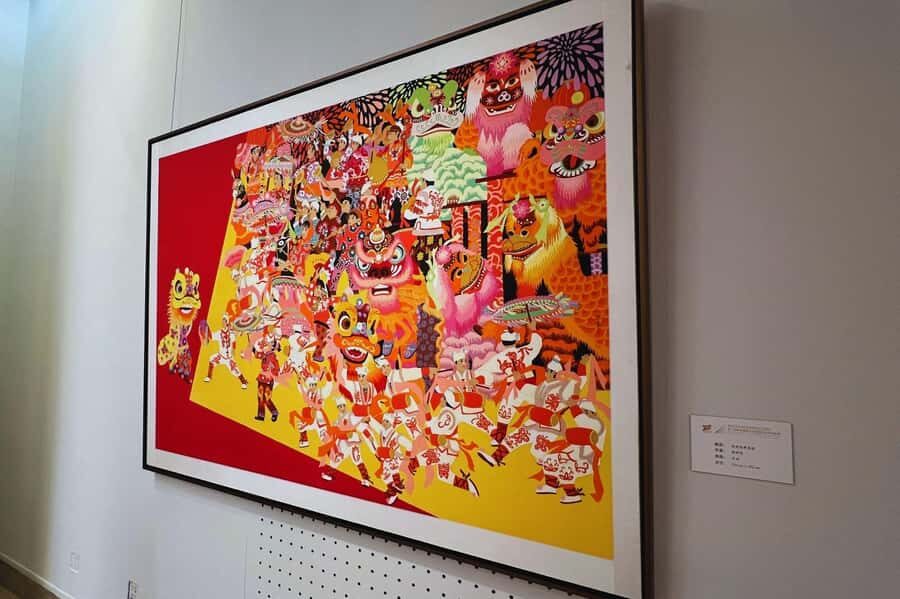
Since you’ll likely have only about 2 hours inside, you’ll get more out of the ticket by picking a simple strategy. Here’s a realistic way to spend your time without feeling frantic.
First 15–25 minutes: orient and choose your theme
As you enter, glance through the layout so you know where modern and contemporary areas sit relative to traditional works like ink and calligraphy. Then choose a theme:
- Option A: modern → traditional comparison
- Option B: traditional → modern to see how styles connect
Next 60–80 minutes: slow down on fewer works
Pick several pieces to study with the English guide. This is where you’ll get the most personal payoff. You’ll likely find a few works that really grab you, and that’s when your visit turns from sightseeing into something more memorable.
Final 20–30 minutes: fill gaps and catch special works
Use your last chunk to explore what you missed or return to one area you liked. If there’s a special exhibition or event happening, this is the time to check it so your visit feels tied to the present day, not just a permanent collection snapshot.
The goal isn’t to see everything. The goal is to leave feeling like you understood what NAMOC is trying to show.
Price and value: why $6 is a bargain if you want the guide
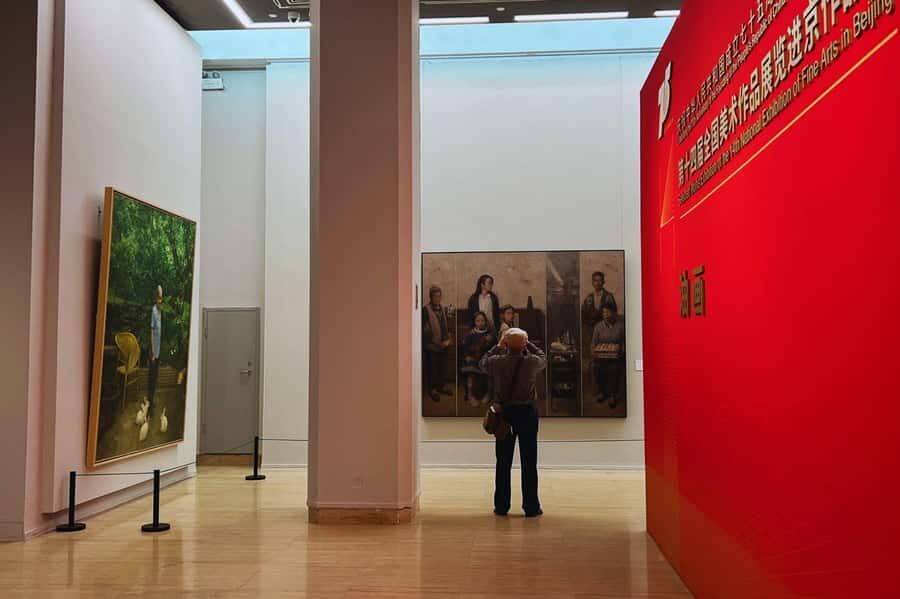
The price for this reservation is listed as $6 per person, and it includes:
- entry reservation for the National Art Museum of China
- an English version of the textual and visual guide
On a typical museum day, paying even a small amount for guaranteed entry plus an English guide can be a smart trade. Here, you’re paying mainly for reduced friction. Instead of spending time figuring out tickets at the counter, you have a pre-booked reservation and an easy entry process designed to help you redeem at the ticket office.
For art-focused travelers, the guide inclusion is the real win. With modern and contemporary work plus traditional forms like ink, calligraphy, and sculpture, you’ll benefit from help reading the visuals. If you plan to spend the time doing that, the value feels strong.
If you’re the type who likes to look at art as mostly decoration and doesn’t want any context, you might feel like 2 hours is too short to justify guide use. Still, the time limit is the trade-off you accept for a low price.
Who should book this NAMOC entry reservation
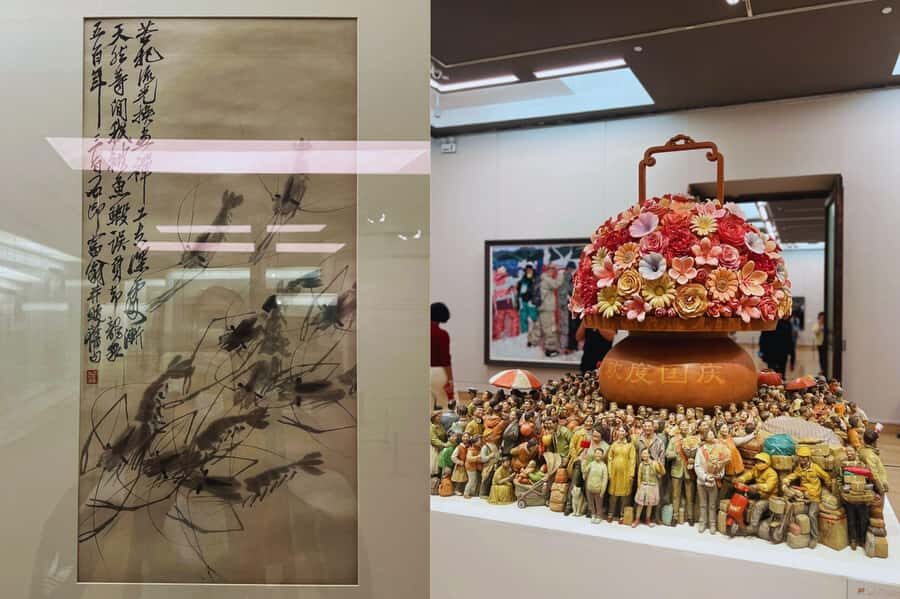
This reservation is a good fit if you:
- want a stress-light way to get into one of Beijing’s major art museums
- like self-paced museum time rather than rigid group schedules
- want an English guide so you can actually understand modern and traditional work together
- have about 2 hours and want a meaningful art stop
It may be less ideal if:
- you expect to see a very large portion of a museum with over 100,000 pieces in 2 hours
- you prefer a super leisurely day where you can spend long sessions in one room
It’s also not suitable for children under 2 years, based on the activity rules.
Should you book this Beijing entry reservation?
Yes—if you want an efficient, guided-by-context way to experience NAMOC without ticket-counter hassle. This is especially worth booking for the combination of reservation entry plus the English textual and visual guide. For $6, that mix is hard to beat for people who care about understanding art, not just passing through galleries.
I’d book it when your schedule is tight and you still want something cultural and real. It’s also a smart choice if you’re curious about how Chinese art evolved across modern and traditional forms. The 2-hour limit is real, but it’s also the right length for a focused, rewarding museum hit—if you go in with a simple plan and use the guide to pick a few works worth your attention.
FAQ
How long is the National Art Museum of China entry reservation?
The duration is listed as 2 hours. Starting times depend on availability.
How much does it cost?
The price is listed as $6 per person.
What does the reservation include?
It includes the entry reservation for the National Art Museum of China and an English version of the textual and visual guide.
Do I get to skip the ticket line?
Yes. The skip-the-ticket-line feature is included.
Is there an English guide available inside?
Yes. An English version of the textual and visual guide is included.
What do I need to bring for entry?
You need to bring a passport or ID card.
Is the museum wheelchair accessible?
Yes, wheelchair accessibility is listed.
Is smoking allowed?
No. Smoking is not allowed.
What is the cancellation policy?
Free cancellation is available up to 24 hours in advance for a full refund.
Is the activity suitable for very young children?
It is not suitable for children under 2 years.