REVIEW · BEIJING
Beijing Lama temple ticket; #1 efficacious; limited Discount
Book on GetYourGuide →Operated by Fun China · Bookable on GetYourGuide
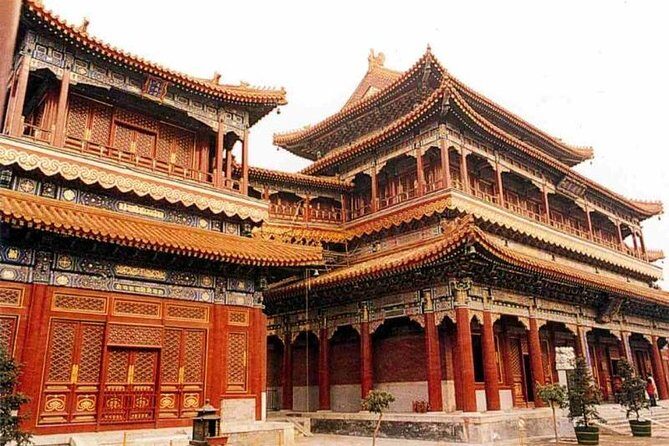
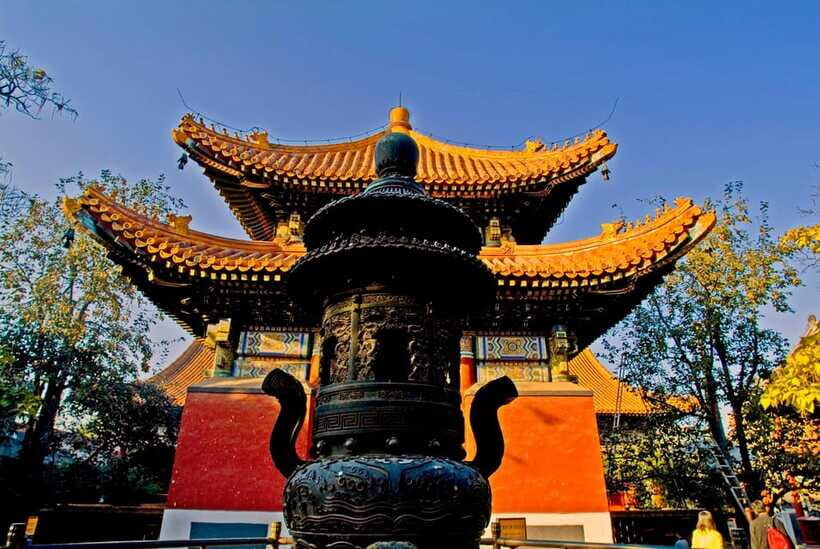
Beijing’s Lama Temple has a way of slowing you down. This is one of Beijing’s big Tibetan Buddhist stops, with incense scent, chanting, and architecture that mixes Han Chinese and Tibetan styles in a way you can actually see up close.
I love the sheer visual craftsmanship—colors, carvings, and detail everywhere you look. I also love the centerpiece: the 18m Maitreya Buddha, carved from a single sandalwood piece.
One possible snag: entry can mean lines, and a few people have had trouble with ticket codes not scanning the first time, so I’d plan buffer time.
If you want a temple that locals treat as a living place (not just a photo spot), this fits. The Lama Temple is a major prayer and blessing hub, and it’s known locally for wishes.
Just keep in mind it’s not built for casual sightseeing comfort. You’ll be sharing space with people actively praying, blessing, and reflecting—so move respectfully and expect a more solemn atmosphere than a typical landmark.
In This Review
- Key things worth noticing
- Beijing’s Yonghe (Lama) Temple: what you’re really stepping into
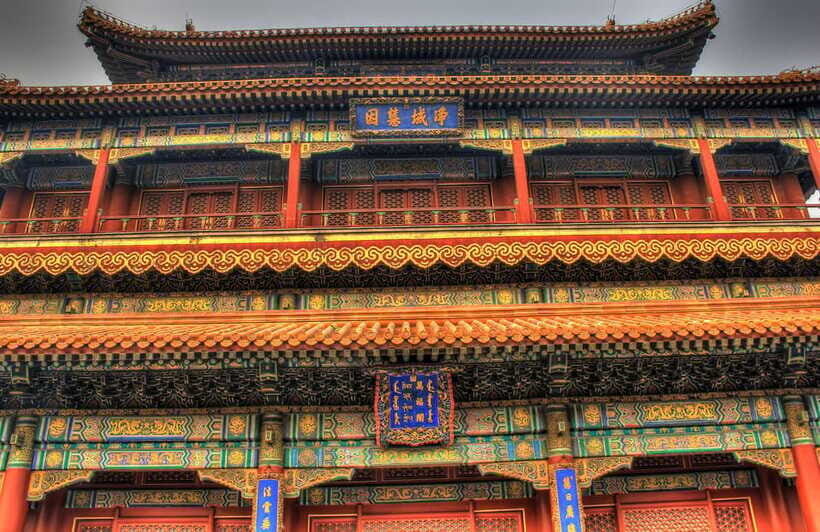
- The Han-and-Tibetan architecture: slow down and look at the details
- The 18m Maitreya Buddha: the moment you’ll understand instantly
- Why locals call this place “#1” for wishes
- How to plan your day inside the complex (without turning it into chaos)
- Price and value: what a $10 entrance ticket gets you
- Ticket logistics reality check: when to build in buffer time
- Who this experience suits best (and who might prefer something else)
- Should you book this Lama Temple ticket?
- FAQ
- How much does the Beijing Lama Temple (Yonghe Temple) ticket cost?
- How long is the visit?
- What is included with the ticket?
- Do I need to book in advance?
- Is free cancellation available?
- Is the Lama Temple wheelchair accessible?
- How do I know what time I can enter?
Key things worth noticing
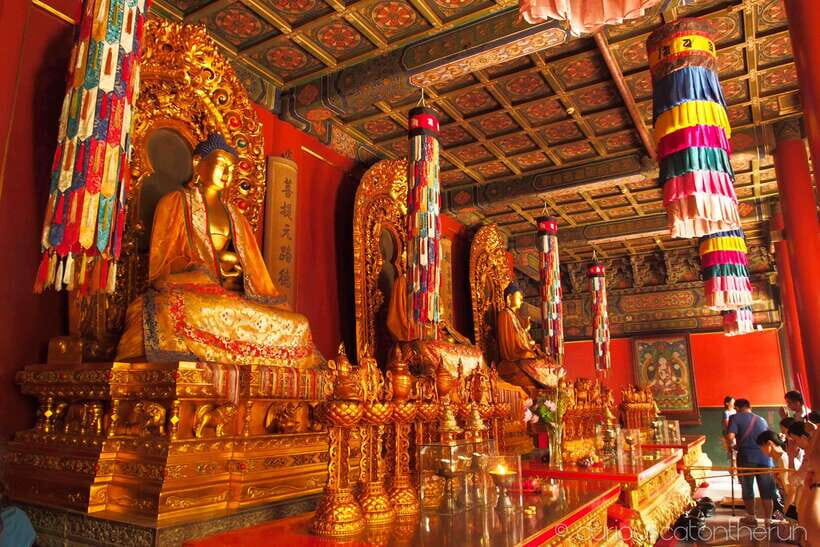
- 18m Maitreya Buddha in single-sandalwood carving: the main attraction, and big enough that you need time to take it in.
- Han-and-Tibetan architectural blend: look for the way styles and ornamentation shift across halls.
- Lama Temple as a daily prayer hub: it’s used for blessings and spiritual routines, not just visits.
- Main entrance ticket only: you’re buying access to the site focus, not a guided show.
- Plan for lines and ticket scanning: allow extra time in case your entry code needs a second attempt.
- Wheelchair accessible: you can visit with mobility needs, since the site is listed as wheelchair accessible.
Beijing’s Yonghe (Lama) Temple: what you’re really stepping into
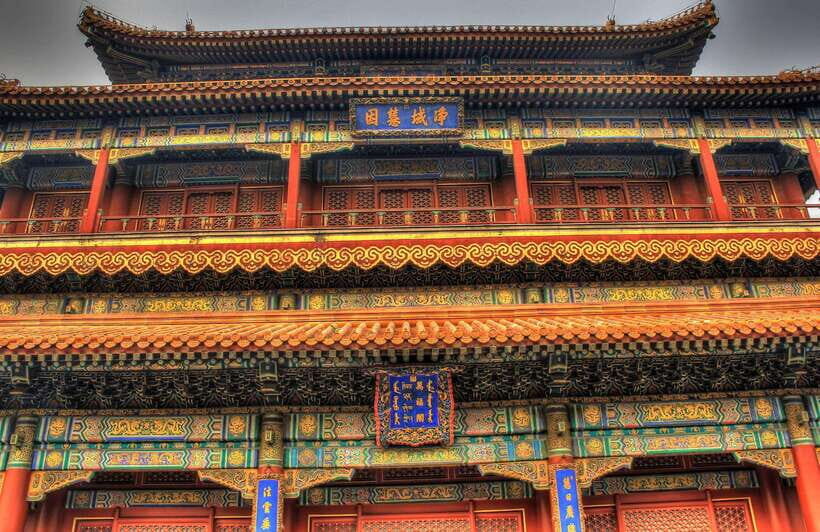
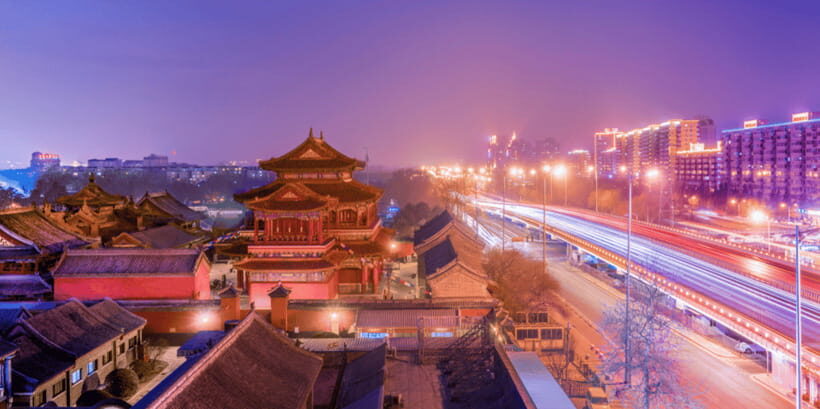
This visit is short on paper—1 day—but it’s not the “quick look, quick photos” kind of temple. The Lama Temple (Yonghe Temple) is a Tibetan Buddhist site in Beijing that draws huge numbers of visitors each year, and the experience reflects that mix. You’ll see tourists, sure, but you’ll also see people coming specifically for prayers, blessings, and requests for good fortune.
What makes it interesting is the feeling that the temple is still doing its job. Incense fills the air. You’ll hear chanting in and around the halls. The space has that “come for meaning” vibe, even if you’re coming for architecture or curiosities.
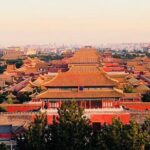
You’ll also get a clear sense of cultural blending. This is where Han Chinese and Tibetan religious aesthetics meet on the same grounds. If you like reading buildings like a story—then this place rewards you fast.
You can also read our reviews of more tours and experiences in Beijing
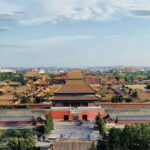
The Han-and-Tibetan architecture: slow down and look at the details
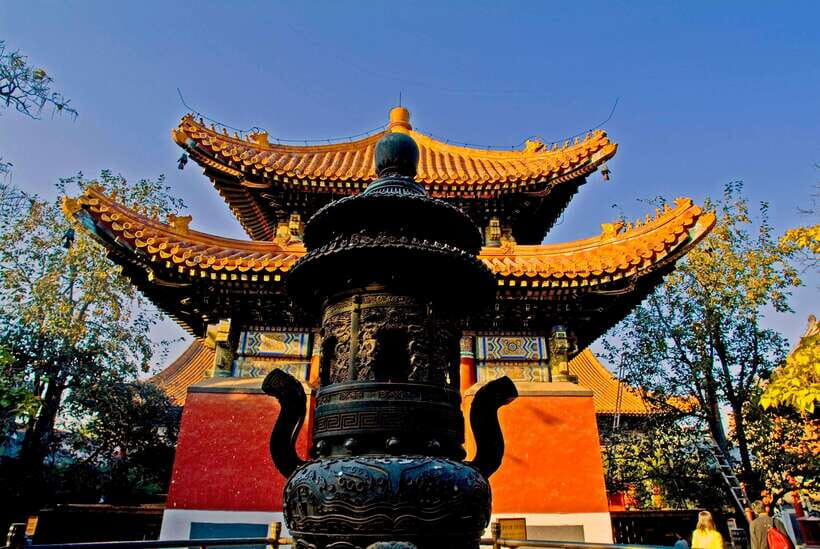
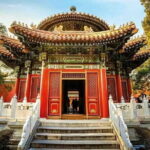
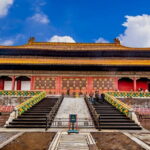
The most consistent praise you’ll hear about the Lama Temple is the architecture. And I agree with the instinct behind that. This isn’t just one impressive hall. It’s a layered complex where decorative style changes as you move.
Here’s what to do: don’t rush straight to the biggest statue. Take a few minutes at the entrances and key corridors to watch for ornament patterns, painted surfaces, and carved details. You’re trying to spot the points where the design leans more toward Han Chinese influence versus Tibetan Buddhist style.
You’ll likely feel the mix right away: the temple’s aesthetic language isn’t trying to be minimal. It’s meant to be seen during ceremonies, up close, and at human scale. That means your eyes keep finding new carvings, new colors, and new small symbolic elements as you go.
Practical tip: wear shoes you can stand in. Temple floors and pathways are not always built for fast walking. If you want the best experience, pace yourself.
The 18m Maitreya Buddha: the moment you’ll understand instantly
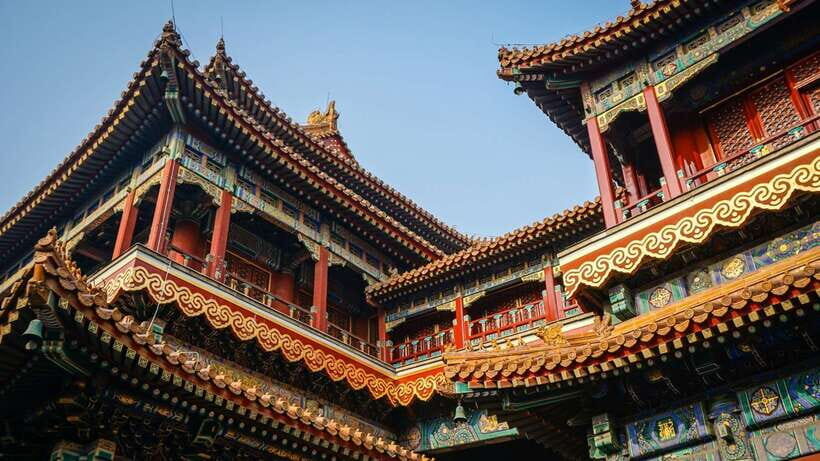
The headline attraction is the 18m-tall Maitreya Buddha, carved from a single sandalwood piece. That detail matters because it signals craftsmanship on a level that’s hard to fake with modern production. Even from a distance, the scale is the first wow-factor. Up close, the carving’s presence becomes the second.
When you see a statue of this size, your brain wants to do math. Try not to. Instead, let it be a visual anchor. Look up. Look from different angles if you can safely shift positions. Give yourself time so it doesn’t become a “seen it” photo and done.
This is also where the temple’s purpose shows up. A statue this central tends to create a natural flow: people gather, offer attention, and take in the space in a quieter, more focused way. If you treat it like a living religious centerpiece rather than a museum object, you’ll feel the difference in the air.
Why locals call this place “#1” for wishes
One of the key takeaways for me is that the Lama Temple isn’t just a cultural stop. It’s presented (locally) as a top destination for wishes—something people come to for blessings, prayer, and reflection.
That changes how you should approach the visit. If you’re used to sightseeing where everything is about your schedule, this temple pushes you toward a slower rhythm. You’re stepping into a site that many people use for personal requests and quiet practice.
So yes, you can visit with curiosity. But also: be observant about what’s happening around you. If someone is praying or participating in a ritual, don’t jump in front of them for a selfie. Give people their space. It makes the experience better for you, too—you’ll notice more of what the temple is actually doing.
And if you want a simple “why it matters” frame: this is a place where religious intention is the main event. That’s the authenticity.
How to plan your day inside the complex (without turning it into chaos)
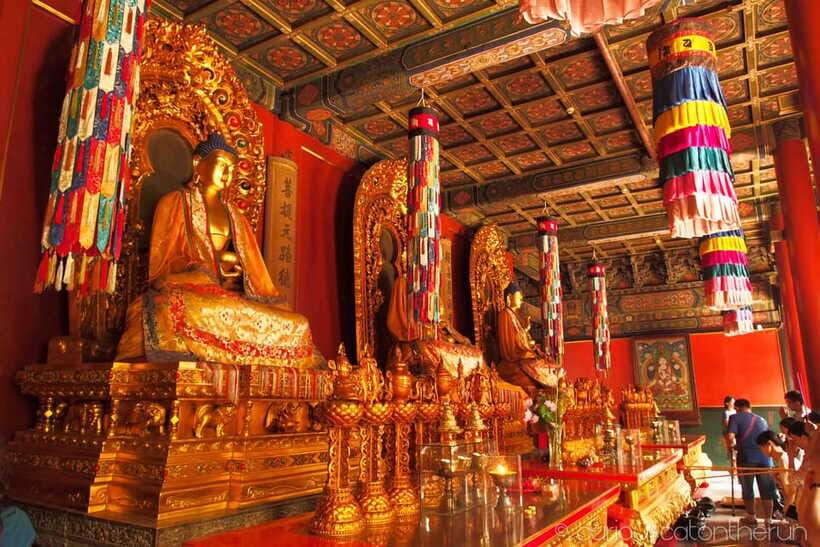
Your tour duration is 1 day, and you’re starting with a main entrance ticket. That’s enough time to see the main halls and spend real attention on the statue and architecture—but only if you pace.
My advice: arrive earlier rather than later. Even if you don’t think crowds bother you, lines do. Temples also get busier around prayer times, which can affect how long you wait at entrances and how easy it is to move through spaces respectfully.
What about time inside? If you’re the type who likes detail, plan on longer than you think. If you’re mostly after the highlight statue, you can do it faster—but rushing is where people miss the real point of this place.
Pairing idea (because it’s nearby): one visitor specifically pointed out the chance to combine the temple with the Hutongs area. That’s a smart match because Hutongs give you street-level Beijing texture after the temple calm.


Price and value: what a $10 entrance ticket gets you
The ticket is listed at about $10 per person, for the main entrance. That’s good value if your goal is architecture plus a big religious landmark. You’re not paying for a long structured program here—you’re paying for access.
So the value question becomes: are you the kind of traveler who enjoys religious architecture and cultural practices, even when it’s not staged for you? If yes, this ticket makes sense. The temple’s visuals and spiritual atmosphere are the main attraction.
Also note the ticket comes with a flexible booking approach: reserve now & pay later is available, and free cancellation is possible up to 24 hours in advance for a full refund. If your plans might shift, that flexibility reduces stress.
Finally, there’s a note about a limited discount. Translation: don’t assume big savings. Plan for the full price as the normal baseline.
Ticket logistics reality check: when to build in buffer time
This is where I’d be practical. The overall rating is 3.7/5 based on 116 entries. That’s not a disaster, but it does hint that the experience can be smooth or not, depending on entry issues.
One concern that shows up is ticket code problems—at least some people have reported needing a second attempt at the queue. I can’t promise it’ll happen to you, but I can help you avoid avoidable stress:
- Bring your confirmation information (not just in one place on your phone).
- Give yourself extra time for entry, especially if you’re visiting at peak hours.
- If you hit a scanning issue, stay calm and be ready for simple re-check steps.
It’s not glamorous advice, but it’s the difference between enjoying the temple immediately versus starting the visit frustrated.
Who this experience suits best (and who might prefer something else)
This is a great fit if you:
- Like religious sites where people are actively praying (not just posing).
- Want architecture that mixes Han Chinese and Tibetan Buddhist styles.
- Are fascinated by monumental art—especially the 18m Maitreya Buddha story of single-piece carving.
It might feel less ideal if you:
- Want an orderly, guide-led walkthrough with a strict timeline.
- Get uncomfortable around crowds and people using the space for serious spiritual practice.
- Need a very quiet experience with minimal waiting.
That said, even if you’re not deeply religious, the site’s craft and cultural blend are strong reasons to go—just go respectfully.
Should you book this Lama Temple ticket?
I’d recommend booking if you want a high-impact Beijing cultural experience in one day, centered on real Tibetan Buddhist architecture and the 18m Maitreya Buddha. The entry price is reasonable for what you’ll see, and the temple is also a strong anchor for pairing with nearby Hutongs.
Skip or reconsider if you’re the type who hates lines, hates uncertainty at entry, or expects a totally sightseeing-only atmosphere. In that case, you may still enjoy the temple—but you should plan your timing carefully and bring a little extra patience.
If you do book, the biggest “win” is preparation: go earlier in the day, keep your booking details ready, and treat the space as a working prayer site. That’s how you get the best day.
FAQ
How much does the Beijing Lama Temple (Yonghe Temple) ticket cost?
The price is listed as $10 per person.
How long is the visit?
The ticket is valid for 1 day.
What is included with the ticket?
It includes the main entrance ticket.
Do I need to book in advance?
Yes. You’re instructed to book at least 24 hours in advance.
Is free cancellation available?
Yes. You can cancel up to 24 hours in advance for a full refund.
Is the Lama Temple wheelchair accessible?
Yes, it is listed as wheelchair accessible.
How do I know what time I can enter?
You need to check availability to see starting times.